
 Save
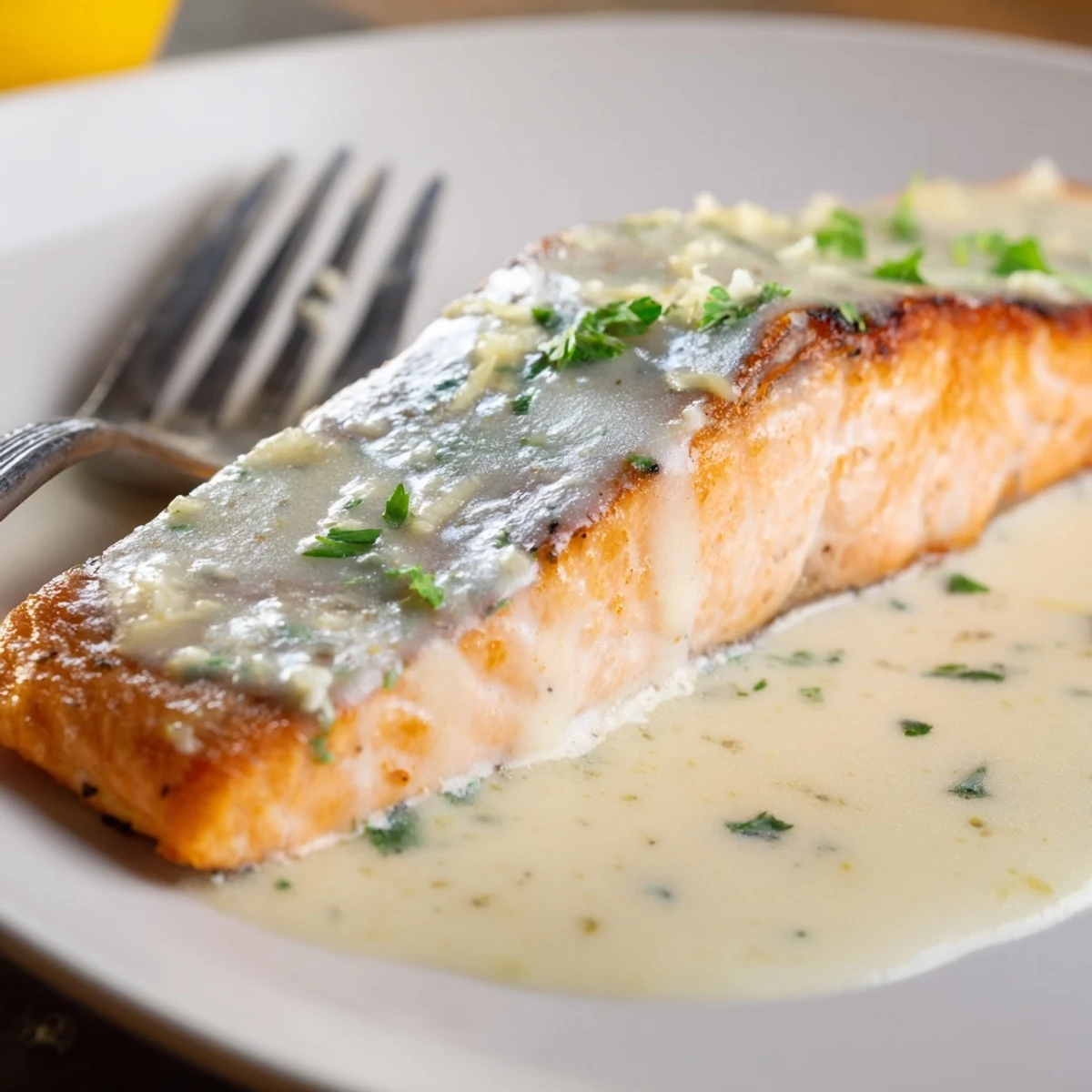
Save This elegant dish features perfectly pan-seared salmon fillets topped with a luscious, velvety lemon cream sauce. The tangy brightness of fresh lemon juice and zest balances beautifully with rich heavy cream, while a hint of Dijon mustard adds subtle depth. Ready in just 30 minutes, this restaurant-quality main course works equally well for casual weeknight dinners as it does for special occasions. The sauce comes together in the same skillet, infusing every bite with bright, citrusy flavor.
The sound of salmon hitting a screaming hot pan is one of those kitchen moments that makes me stop whatever I am doing and just listen. That sharp sizzle promises something golden and crisp, and the lemon cream sauce that follows turns an ordinary Tuesday into something worth savoring. This recipe came together on a rainy evening when the fridge offered nothing but salmon and a lonely lemon, and it has been on repeat ever since.
My neighbor stopped by unannounced one evening right as I was finishing this dish, and the aroma from the open kitchen door did all the convincing for me. She ended up staying for dinner, and we sat at the counter eating straight from the skillet with crusty bread to soak up every last drop of sauce.
Ingredients
- 4 skinless salmon fillets, about 170 g each: Try to grab fillets of similar thickness so they cook evenly without any guesswork.
- 2 tablespoons butter: This builds the flavor base for the sauce, so use a good quality unsalted butter if you can.
- 2 cloves garlic, minced: Fresh garlic makes a noticeable difference here since there are so few ingredients in the sauce.
- 1 cup heavy cream: The richness is the whole point, though half and half works if you want something lighter.
- Zest of 1 lemon: Rub the zest into the sugar if you are making the zest ahead, but here just grate it fresh directly into the pan.
- 2 tablespoons fresh lemon juice: Bottled juice tastes flat alongside the fresh zest, so squeeze it yourself.
- 1 teaspoon Dijon mustard: This tiny addition gives the sauce a subtle depth that people never quite identify but always love.
- 2 tablespoons fresh parsley, chopped: Add it at the very end so the color stays bright and vibrant.
- Salt and freshly ground black pepper: Season in layers, once on the fish and again when you taste the finished sauce.
- 1 tablespoon olive oil: A neutral oil works too, but olive oil adds a gentle fruitiness that complements the lemon.
Instructions
- Season the salmon:
- Pat the fillets thoroughly dry with paper towels and season both sides generously with salt and pepper. Dry fish is the single most important step for getting that beautiful golden crust.
- Sear to golden perfection:
- Heat the olive oil in a large nonstick skillet over medium high heat until it shimmers. Lay the salmon in carefully and cook for 4 to 5 minutes per side until deeply golden, then transfer to a warm plate.
- Start the sauce foundation:
- Reduce the heat to medium and melt the butter in the same skillet. Add the minced garlic and stir for about a minute until your kitchen smells absolutely incredible.
- Build the lemon cream:
- Pour in the heavy cream and bring it to a gentle simmer, then stir in the lemon zest, lemon juice, and Dijon mustard. Let it bubble softly for 3 to 4 minutes until it coats the back of a spoon.
- Finish and reunite:
- Stir in the chopped parsley, taste and adjust the salt and pepper, then nestle the salmon back into the pan. Spoon the sauce over the fillets and let everything simmer together for 2 to 3 minutes so the flavors become friends.
 Save
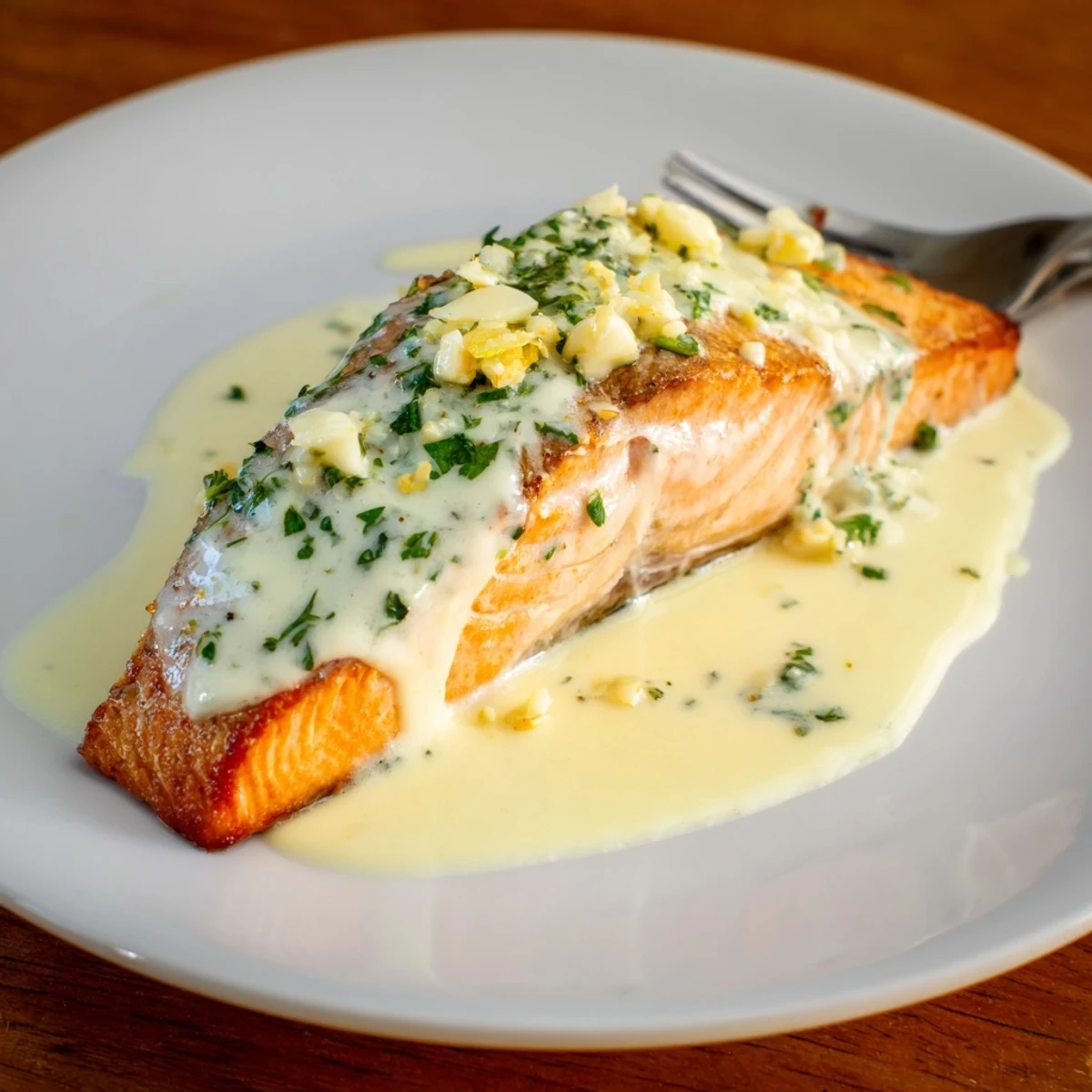
Save There is something about the way creamy lemon sauce pools around a piece of perfectly seared salmon that turns a simple meal into a quiet celebration. It became my go to for Friday nights when cooking felt like a pleasure rather than a chore.
Choosing the Right Salmon
Wild caught salmon has a leaner texture and more pronounced flavor, while farmed salmon stays richer and more forgiving during cooking. Either works wonderfully here, but if you are using wild caught, keep a closer eye on the cooking time because it dries out faster than you might expect.
What to Serve Alongside
Mashed potatoes are the classic pairing because they act as a vehicle for every drop of that sauce. Steamed green beans or roasted asparagus add a slight crunch that balances the richness, and a mound of buttered rice works beautifully when you want something simple and comforting.
Getting the Sear Right Every Time
The difference between a pale fillet and a deeply golden one comes down to patience and heat management. Let the oil shimmer before the fish goes in, and resist the urge to move or peek at the underside for at least four minutes.
- Press the salmon gently in the center when you flip it to ensure full contact with the pan surface.
- A fish spatula gives you the confidence to flip without the fillet falling apart.
- Always let the finished salmon rest for a minute before serving so the juices redistribute properly.
 Save
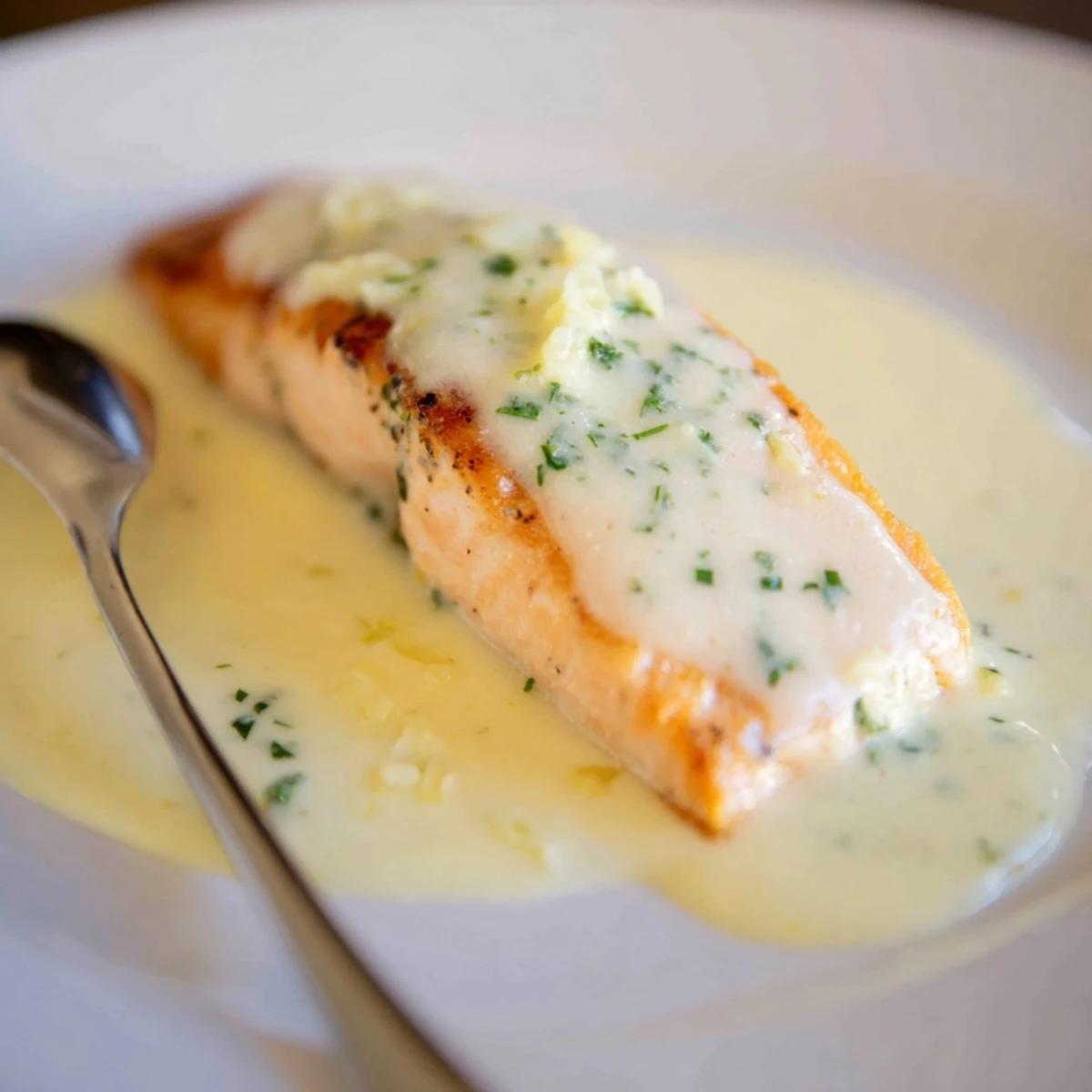
Save This salmon with lemon cream sauce is proof that a handful of humble ingredients can create something truly special. Share it with someone you love, or treat yourself to a quiet evening with a glass of wine and absolutely no rush.
Recipe FAQs
- → How do I know when the salmon is done?
-
The salmon is done when it flakes easily with a fork and reaches an internal temperature of 145°F (63°C). Visual cues include the flesh turning opaque and firm to the touch.
- → Can I use salmon with skin?
-
Absolutely. Sear skin-side down first for 4-5 minutes until crispy, then flip and cook the other side. The skin adds texture and helps keep the fillet moist.
- → Can I make this dairy-free?
-
Substitute coconut cream or a dairy-free heavy cream alternative for the heavy cream, and use olive oil or dairy-free butter instead of regular butter.
- → What sides pair well with this salmon?
-
Steamed vegetables like asparagus or broccoli, fluffy white rice, creamy mashed potatoes, or crusty bread to soak up the extra sauce all make excellent accompaniments.
- → Can I prepare the sauce ahead of time?
-
The sauce can be made up to 2 days in advance and refrigerated. Gently reheat over low heat, adding a splash of cream if needed to restore consistency.
- → What type of salmon works best?
-
Atlantic, sockeye, or king salmon fillets all work beautifully. Choose thick, even fillets for uniform cooking and best results.