
 Save
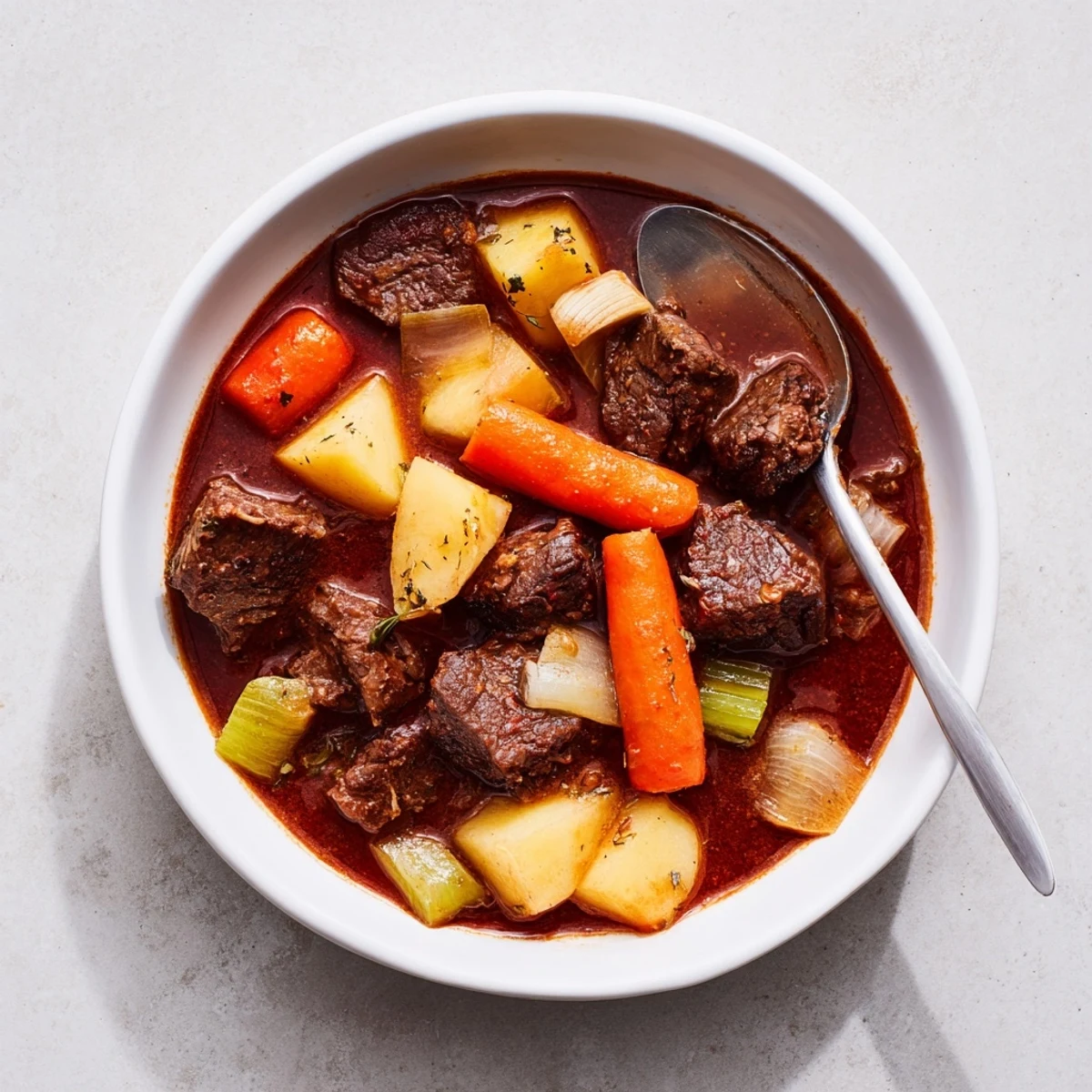
Save This classic Italian braised beef dish transforms tough chuck meat into fork-tender perfection through slow cooking. The beef cubes develop a rich, caramelized exterior before being simmered with aromatic vegetables - onions, carrots, celery, and potatoes - in a flavorful base of red wine and beef stock. Dried thyme, fresh rosemary, and bay leaves infuse the dish with Mediterranean aromatics.
The long, gentle braising process allows the meat to become incredibly tender while the sauce naturally thickens into a velvety consistency. This method ensures deep flavor penetration and creates that comforting, restaurant-quality result that makes this dish perfect for Sunday family gatherings or meal prep sessions.
The rain hammered against my kitchen window that November afternoon, and nothing in my pantry called to me until I spotted the chuck roast sitting in the fridge, waiting for purpose. Spezzatino di manzo is the kind of dish Italian grandmothers make without measuring, their hands moving from memory, and I had always been terrified of that kind of freedom. So I called my friend Marco in Florence, who laughed and told me to stop overthinking and just let the braise do the work. Two hours later, I understood everything he meant.
I made this for my sister the weekend she moved into her new apartment, her kitchen still half unpacked and the only pot big enough being a dented Dutch oven shed found at a flea market. We sat on the floor eating from bowls because the chairs were still in the truck, and she declared it the best housewarming gift shed ever received.
Ingredients
- 800 g beef chuck, cut into 3 cm cubes: Chuck is the only cut worth using here because the fat and connective tissue melt during the long braise, creating that velvety texture cheaper cuts can never achieve.
- 2 medium onions, finely chopped: Onions form the sweet foundation of the entire dish, so do not rush them.
- 2 carrots, sliced: They add natural sweetness that balances the acidity of the wine and tomato.
- 2 celery stalks, sliced: Celery is the quiet backbone of Italian soffritto, and without it the stew tastes flat.
- 2 medium potatoes, peeled and cubed: Potatoes break down slightly and help thicken the sauce without any flour.
- 2 garlic cloves, minced: Fresh garlic only, and add it late so it never turns bitter.
- 250 ml dry red wine: Use something you would actually drink, because you can taste a bad wine after it reduces.
- 500 ml beef stock: Homemade is ideal but a good quality store bought stock works beautifully.
- 2 tbsp tomato paste: This adds concentrated umami depth that ties every flavor together.
- 2 tbsp olive oil: A good extra virgin olive oil makes a noticeable difference in the final flavor.
- 2 bay leaves: Remove them before serving because they stay tough no matter how long you cook them.
- 1 sprig fresh rosemary: Fresh rosemary is nonnegotiable here, as dried rosemary tastes like dusty pine needles by comparison.
- 1 tsp dried thyme: Thyme adds an earthy warmth that makes the stew taste like it came from a countryside kitchen.
- Salt and freshly ground black pepper, to taste: Season in layers throughout cooking, not just at the end.
Instructions
- Build the crust:
- Heat the olive oil in a large heavy bottomed pot over medium high heat and brown the beef in batches, giving each cube space to develop a deep mahogany crust rather than steaming in a crowd. Remove the seared pieces to a plate and resist the urge to clean the pot.
- Wake up the vegetables:
- Reduce the heat to medium and add the onions, carrots, and celery to the same pot, stirring and scraping up every caramelized bit stuck to the bottom because that is where the flavor lives. Let them soften for about five minutes until the onions turn translucent and your kitchen smells like an Italian trattoria.
- Add the aromatics:
- Stir in the minced garlic and tomato paste, cooking for two minutes until the paste darkens slightly and the garlic turns fragrant. This small step concentrates the tomato paste and removes its raw edge.
- Let the wine work:
- Pour in the red wine and scrape the pot with your wooden spoon, letting the liquid reduce by half over about five minutes so the harsh alcohol cooks off and what remains is pure concentrated flavor. Watch how the color deepens as it reduces.
- Bring it all together:
- Return the beef and any juices from the plate back into the pot, then add the potatoes, beef stock, bay leaves, rosemary sprig, thyme, salt, and pepper, stirring gently so everything is submerged and cozy in that beautiful dark liquid.
- The slow transformation:
- Bring the pot to a gentle simmer, then cover it and reduce the heat to low, letting it cook for two hours and stirring occasionally while the beef becomes fork tender and the sauce thickens into something that coats the back of a spoon. This is the part where patience is the only ingredient that matters.
- Finish and taste:
- Fish out the bay leaves and rosemary sprig, then taste the sauce and adjust the salt and pepper because the long cooking changes everything and the seasoning at the beginning will never be enough by the end.
 Save
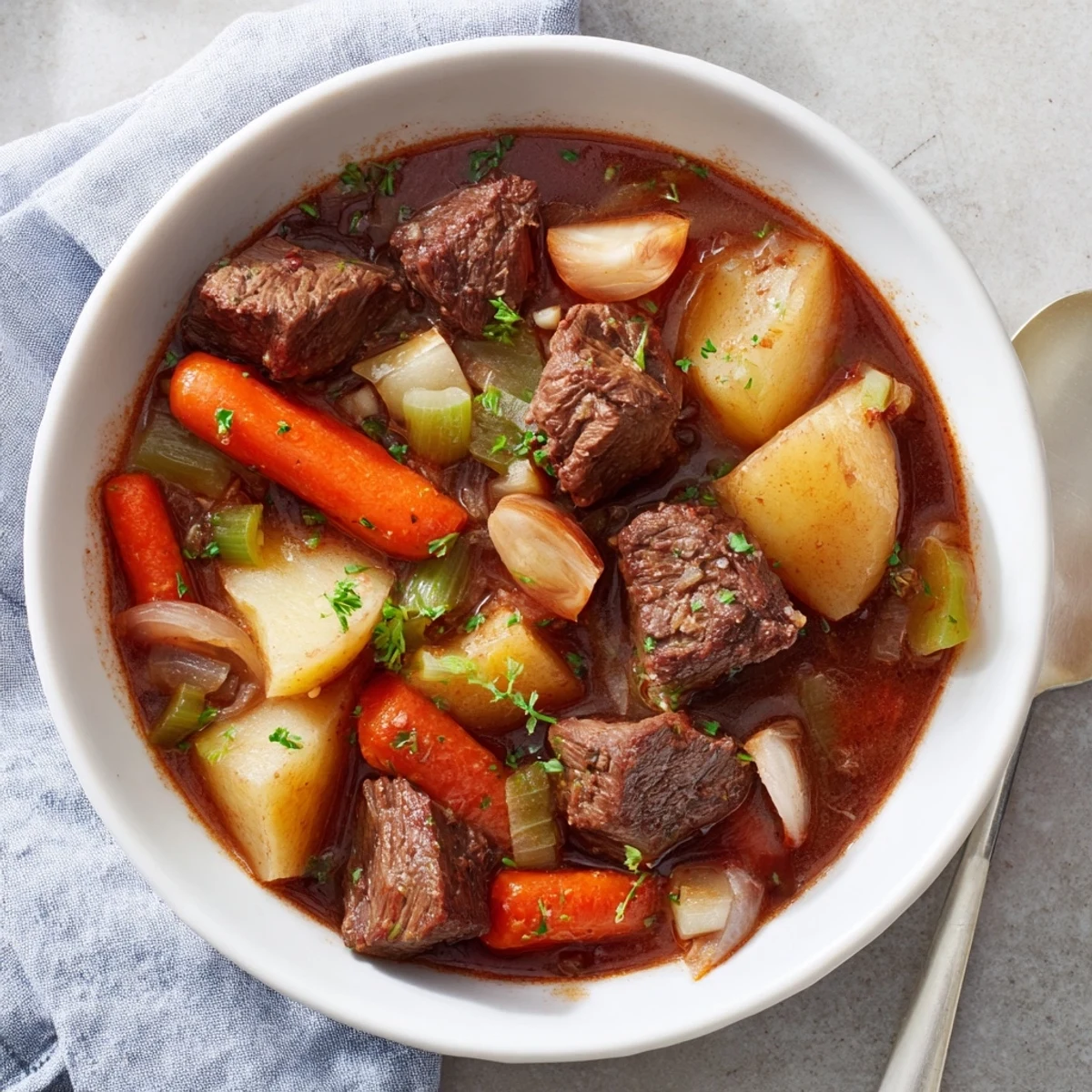
Save There is something about lifting the lid after two hours and seeing how those rough, separate ingredients have become one rich, unified sauce that makes you feel like you accomplished something real with your day.
Serving Suggestions That Actually Matter
Polenta is my favorite companion for spezzatino because the creamy cornmeal soaks up the sauce like nothing else can, creating a combination that feels like a warm blanket on a cold evening. Crusty bread works too, especially when you tear it by hand and use it to mop the bowl clean.
Planning Ahead Makes It Better
This stew tastes significantly better on the second day because the flavors continue to develop and marry as it sits in the fridge overnight. Make it on a Saturday and reheat it gently on Sunday for the easiest impressive dinner you will ever serve.
Getting The Texture Right
The sauce should coat a spoon thickly but still pour, and if it is too thin when the beef is done, simply simmer it uncovered for ten more minutes. If it gets too thick, a splash of warm stock brings it back to the perfect consistency.
- Always let the stew rest for at least ten minutes off the heat before serving so the sauce can settle.
- A Dutch oven distributes heat more evenly than any other pot, so use one if you have it.
- Taste one more time right before serving because cold weather and long cooking always dull seasoning.
 Save
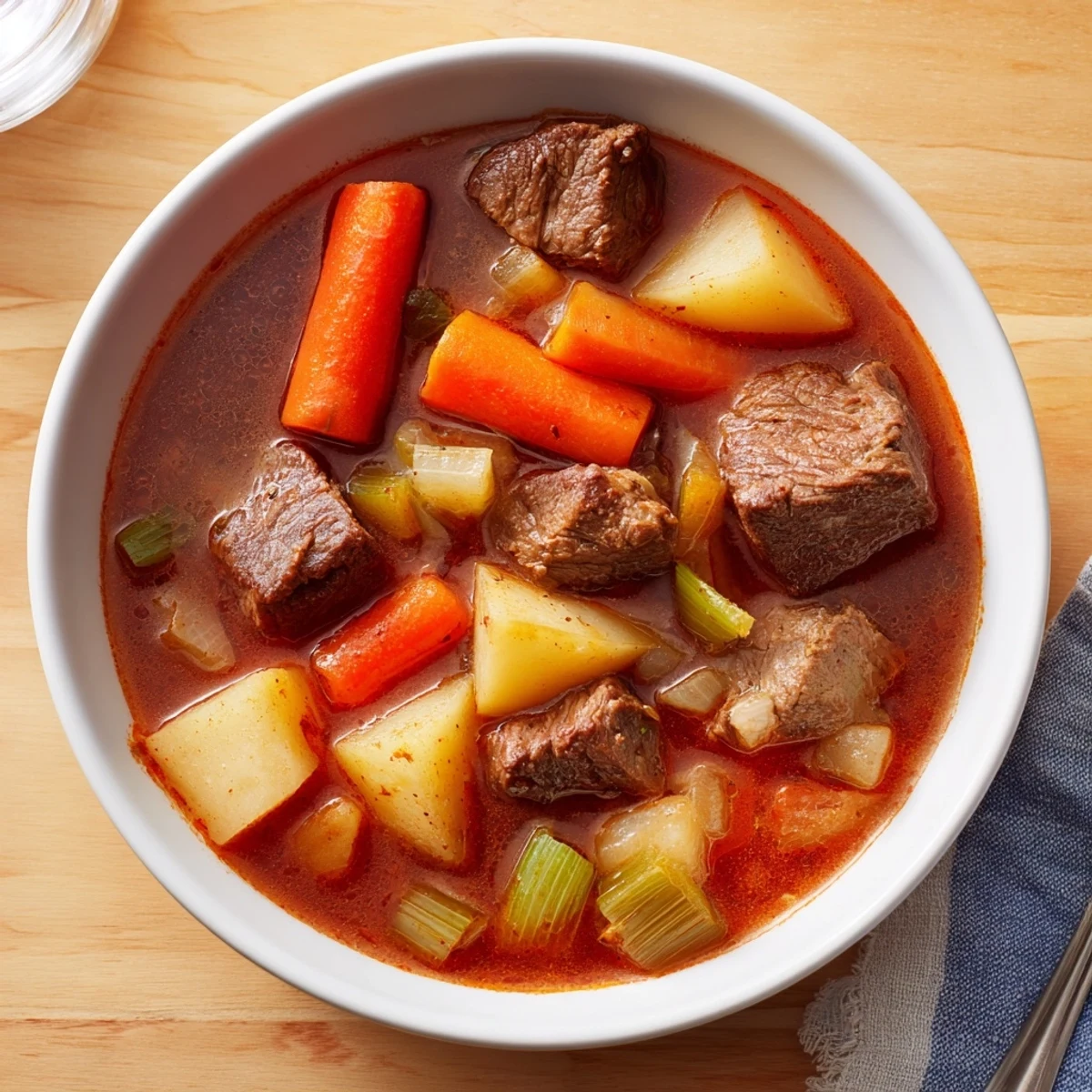
Save Some dishes feed the body and some feed the soul, and this one does both without asking for anything more than time and a little trust. Let it simmer, let it wait, and let it remind you that the best things in any kitchen are never rushed.
Recipe FAQs
- → What cut of beef works best for this dish?
-
Beef chuck is ideal because it becomes tender and flavorful during long braising. The connective tissue breaks down over the 2-hour cook time, creating succulent, melt-in-your-mouth meat.
- → Can I prepare this ahead of time?
-
Absolutely. Making this a day in advance actually improves the flavors as they meld together. Store in the refrigerator and reheat gently on the stovetetop.
- → What should I serve with this Italian beef?
-
Rustic bread, polenta, or mashed potatoes pair beautifully. For gluten-free options, serve with roasted vegetables or over cauliflower mash.
- → Why is browning the beef important?
-
Browning creates a flavorful crust through the Maillard reaction, adding depth and complexity to the final dish. Don't skip this step for the richest taste.
- → Can I use a different type of wine?
-
Choose any dry red wine you enjoy drinking - Chianti, Barbera, or Merlot all work beautifully. Avoid sweet wines as they will alter the savory balance.
- → How do I know when it's done cooking?
-
The beef should be fork-tender and easily pull apart. The sauce will have thickened naturally, and the vegetables should be completely soft.