
 Save
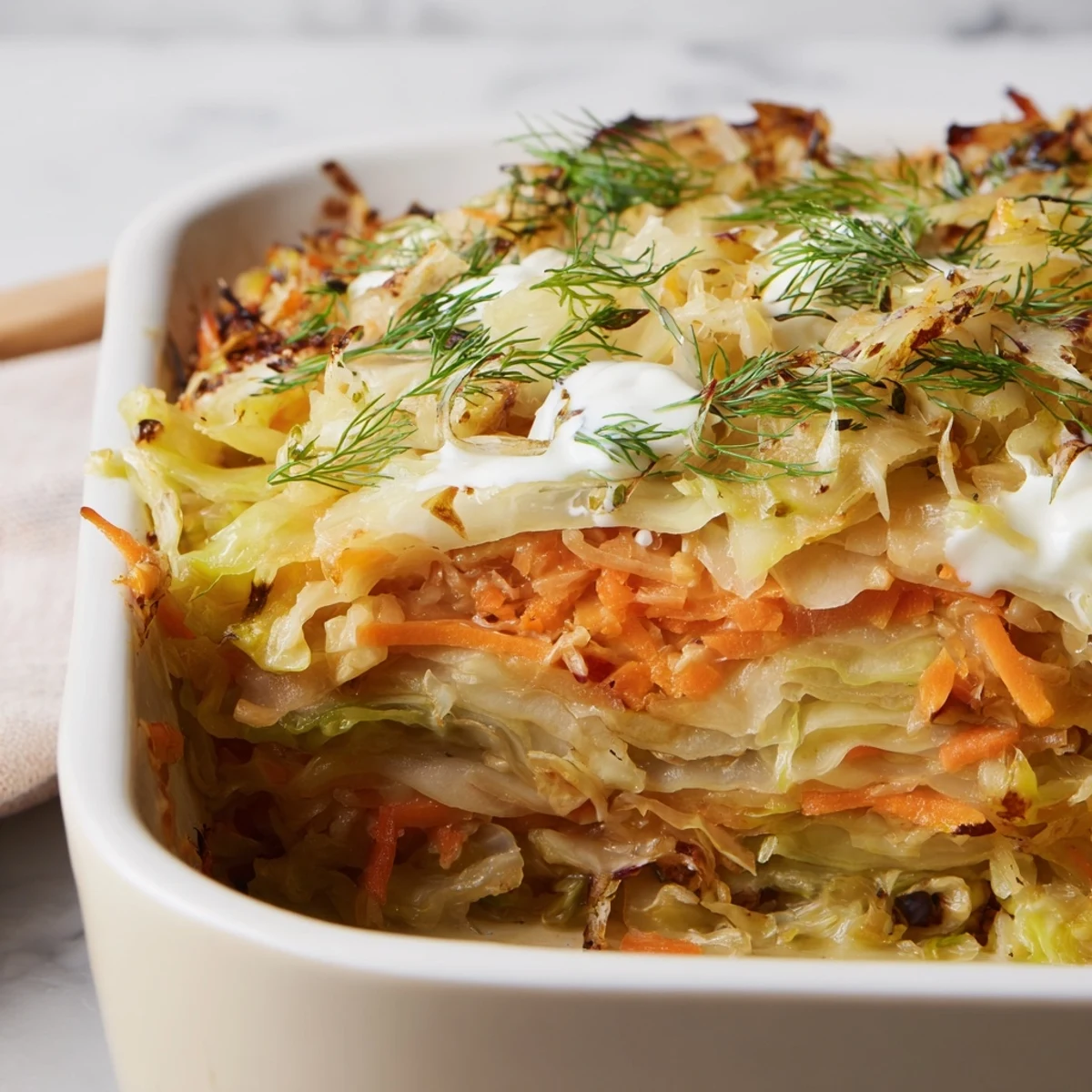
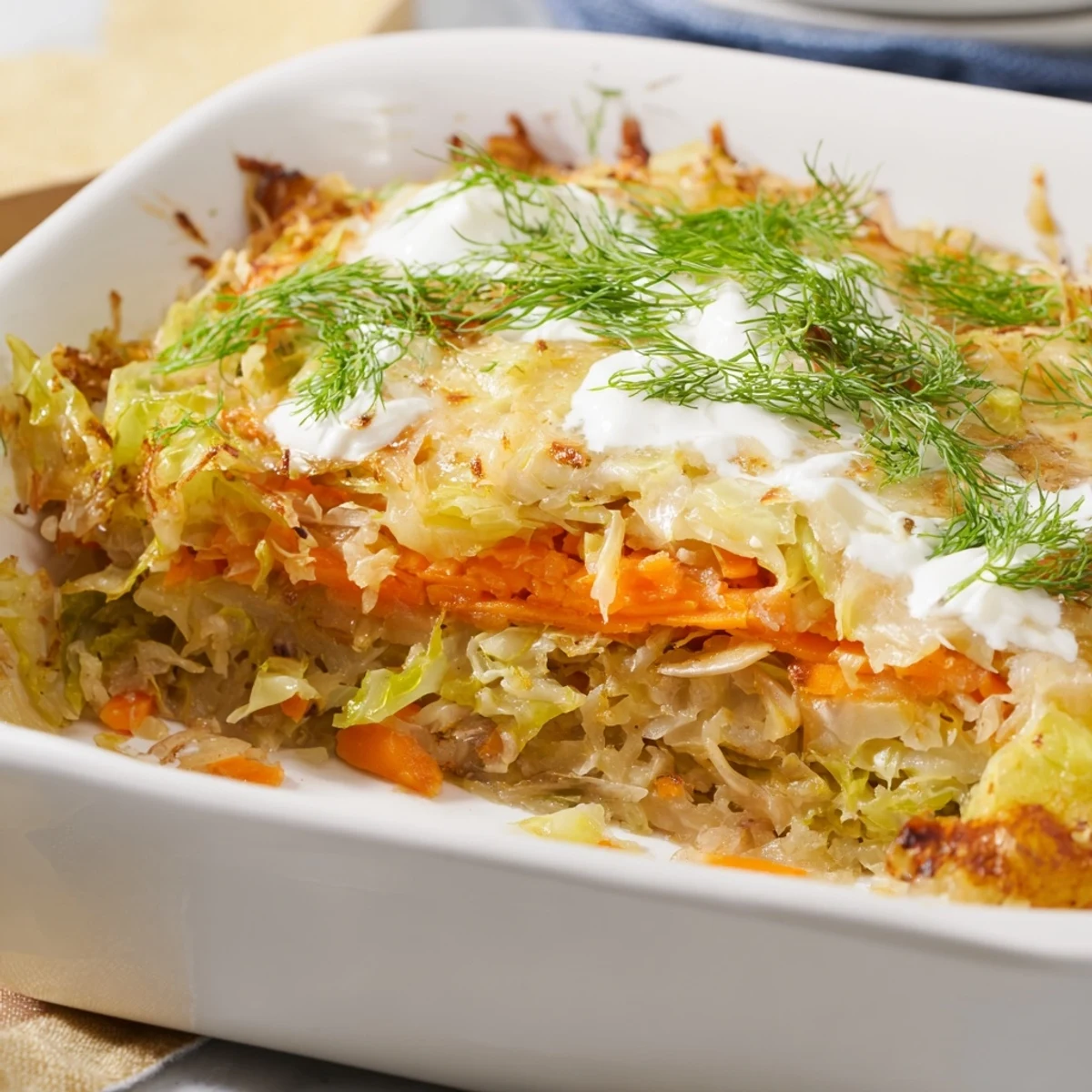
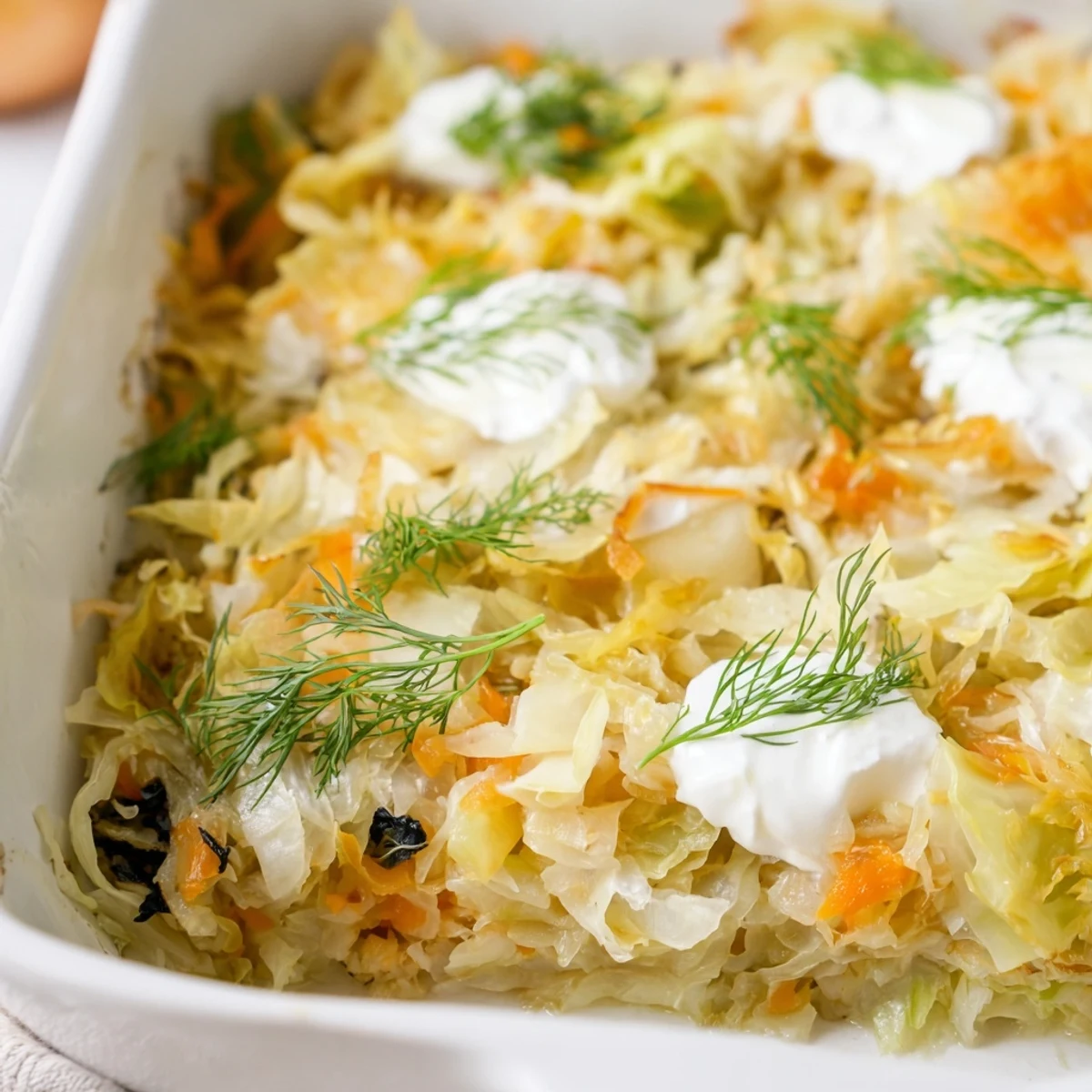
Save This comforting casserole combines layers of tender slow-roasted cabbage and tangy sauerkraut, baked to perfection with caraway seeds, smoked paprika, and fresh dill. The slow roasting process deepens the flavors while creating meltingly tender vegetables. Sauerkraut mixed with sweet grated apple adds a pleasant tangy contrast to the earthy cabbage. Perfect for a cozy family meal or as a satisfying vegetarian main course, this dish brings the heartiness of German and Eastern European cuisine to your table.
The cabbage section of the grocery store used to be a place I walked right past, until a rainy Tuesday in November changed everything. My neighbor Margit knocked on my door holding a mason jar of homemade sauerkraut and told me I needed to make something warm with it before the week turned cold. That jar sat on my counter for two days before I finally quartered a cabbage, layered it with her tangy gift, and let the oven do what slow heat does best.
I brought this casserole to a potluck the following weekend still unsure whether anyone would gravitate toward a dish that was essentially just cabbage piled on cabbage. The pan came back scraped clean while three fancier casseroles sat barely touched.
Ingredients
- 1 medium green cabbage (about 2 lb), cored and sliced into thin strips: Slice it thinner than you think you need because the layers melt together beautifully during that long roast.
- 2 medium onions, thinly sliced: They break down into a sweet base that balances the acidity of the sauerkraut.
- 2 cloves garlic, minced: Fresh garlic stirred in late so it never turns bitter.
- 2 large carrots, grated: They add subtle sweetness and a golden color that peek through the layers.
- 3 cups sauerkraut, drained and lightly rinsed: Rinse it just enough to tame the brine but not so much that you wash away the tang.
- 1 apple, peeled and grated: Any crisp eating apple works and it quietly rounds out the sharpness.
- 1 cup vegetable broth: This is what steams the layers into tenderness during the covered roasting phase.
- 1/4 cup dry white wine (optional): If you have an open bottle the acidity works wonders here.
- 2 tbsp olive oil: Just enough to soften the onions without making the dish greasy.
- 1 tsp caraway seeds: The single most important seasoning because nothing else tastes as naturally at home with cabbage.
- 1 tsp smoked paprika: It gives the whole casserole a campfire warmth that makes it feel like comfort food.
- 1/2 tsp ground black pepper and 1/2 tsp salt: Adjust the salt at the end because the sauerkraut already contributes quite a bit.
- 2 tbsp fresh dill, chopped: Stir it into the sauerkraut layer and save a little for garnish.
- 1/2 cup sour cream (optional): Swirled on top during the last ten minutes it turns into a golden blanket.
- 1/4 cup grated cheese (optional): Only if you want a more indulgent finish.
Instructions
- Get the oven ready:
- Preheat to 325 degrees Fahrenheit and rub a three quart casserole dish with a thin film of olive oil so nothing sticks later.
- Build the flavor base:
- Warm the olive oil in a large skillet over medium heat and cook the sliced onions until they turn translucent and sweet about five minutes then stir in the garlic for one more minute until you can smell it from across the room.
- Wilt the cabbage:
- Add all the shredded cabbage to the skillet and let it cook stirring occasionally until it softens and shrinks down roughly five to seven minutes then mix in the grated carrots caraway seeds smoked paprika salt and pepper.
- Prep the sauerkraut layer:
- In a separate bowl toss the drained sauerkraut with the grated apple and chopped dill so the flavors start mingling before they even hit the oven.
- Layer everything:
- Spread half the cabbage mixture across the bottom of your dish then cover it with half the sauerkraut mixture and repeat so you end up with two distinct layers of each.
- Add the liquid:
- Pour the vegetable broth and wine if using slowly and evenly over the entire casserole so it seeps down through both layers.
- Slow roast covered:
- Cover the dish tightly with foil or a lid and slide it into the oven for one full hour while the cabbage steams and softens into something tender.
- Finish uncovered:
- Remove the foil and turn the oven up to 375 degrees Fahrenheit then bake for another thirty to forty five minutes until the top turns golden and most of the liquid has cooked away.
- Add the finishing touch:
- If you are using sour cream or cheese spread them over the top during the final ten minutes of baking just until everything is bubbling and lightly browned.
- Rest and serve:
- Let the casserole sit for ten minutes before cutting into it because it needs that time to settle and the layers hold together better when they are not lava hot.
 Save
Save Margit told me later that her grandmother in Bavaria made something similar every autumn and always served it with boiled potatoes on the side. I tried it that way the next time and understood immediately why the tradition stuck.
Making It Your Own
Once you have the basic layering technique down this casserole welcomes improvisation beautifully. Sautéed mushrooms folded between the layers add an earthy depth that makes the dish feel almost luxurious.
What To Serve Alongside
Crusty bread is the simplest companion because you will want something to soak up every bit of the tangy broth that pools at the bottom of each serving. A glass of dry Riesling standing next to the plate turns a humble weeknight dinner into something worth lingering over.
Storage and Reheating
This casserole actually tastes better the next day after the flavors have had overnight to settle into each other. Store it covered in the refrigerator for up to four days and reheat portions in a covered skillet with a splash of broth.
- Freeze individual portions in airtight containers for up to three months.
- Thaw overnight in the refrigerator before reheating gently on the stove.
- Taste for salt before serving because the sauerkraut shifts in intensity after freezing.
 Save
Save Some dishes earn a permanent spot in your rotation not because they impress but because they ask so little and give so much back. This is one of those quietly wonderful meals.
Recipe FAQs
- → What does slow roasting do to the cabbage?
-
Slow roasting at 325°F transforms the cabbage, making it meltingly tender and sweet. The long cooking time allows the natural sugars to caramelize slightly while the vegetables absorb all the aromatic spices and seasonings.
- → Can I make this ahead of time?
-
Yes, this tastes even better the next day. Prepare the entire dish, refrigerate for up to 2 days, then reheat in a 350°F oven until warmed through. The flavors continue to develop as it sits.
- → Why add apple to the sauerkraut?
-
Grated apple balances the tanginess of sauerkraut with natural sweetness. This traditional technique rounds out the sharp flavors and adds depth to the overall dish.
- → What can I serve with this casserole?
-
Crusty bread for soaking up the flavorful juices, boiled potatoes, or a simple green salad complement this hearty dish beautifully. It's substantial enough to stand alone as a main course.
- → Can I freeze this?
-
Yes, freeze the baked casserole before adding any sour cream or cheese toppings. Wrap tightly and freeze for up to 3 months. Thaw overnight in the refrigerator and reheat at 350°F until hot throughout.
- → How do I make this vegan?
-
Simply omit the sour cream and cheese toppings, or use dairy-free alternatives. The base is naturally vegan, gluten-free, and packed with flavor from the spices and vegetables.