
 Save
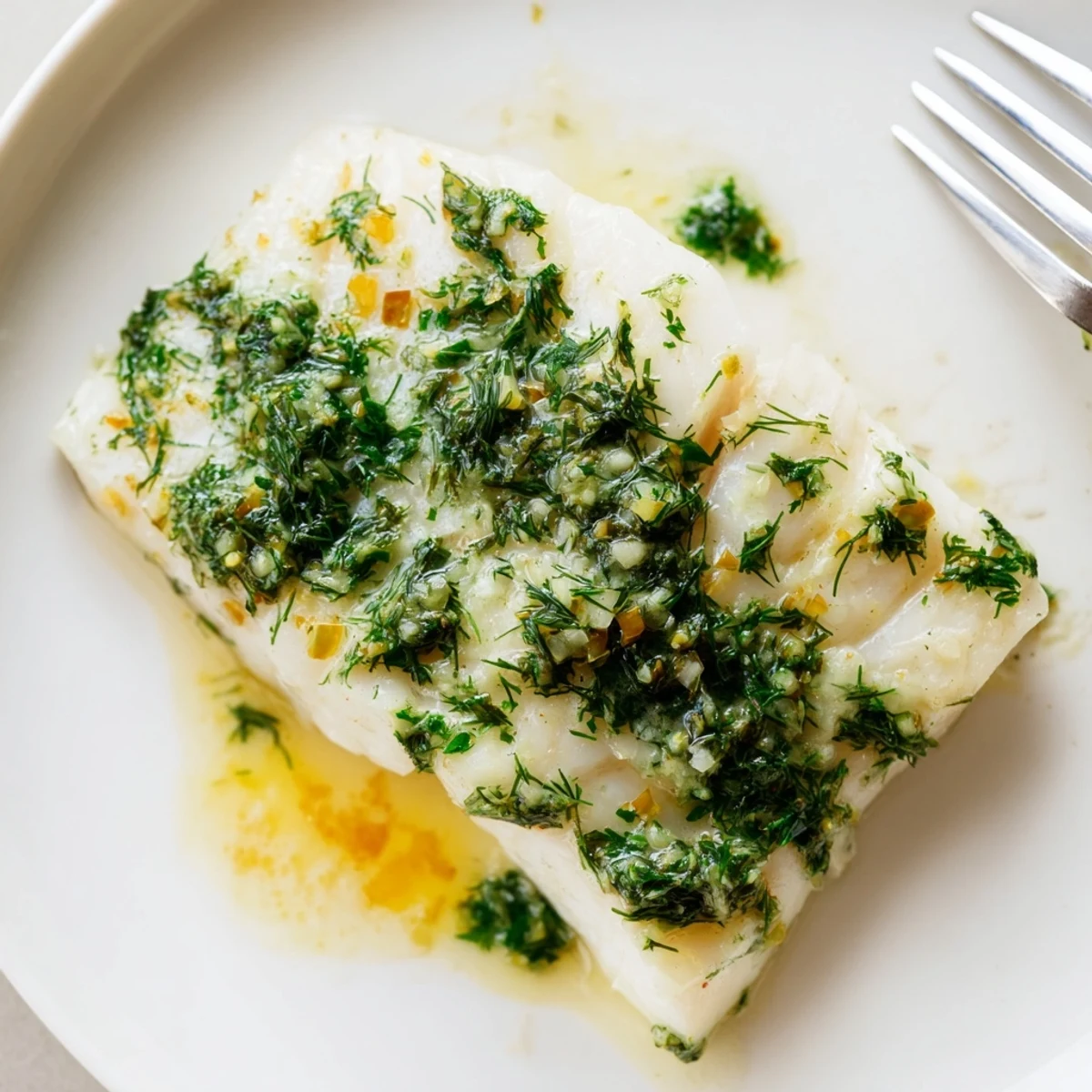
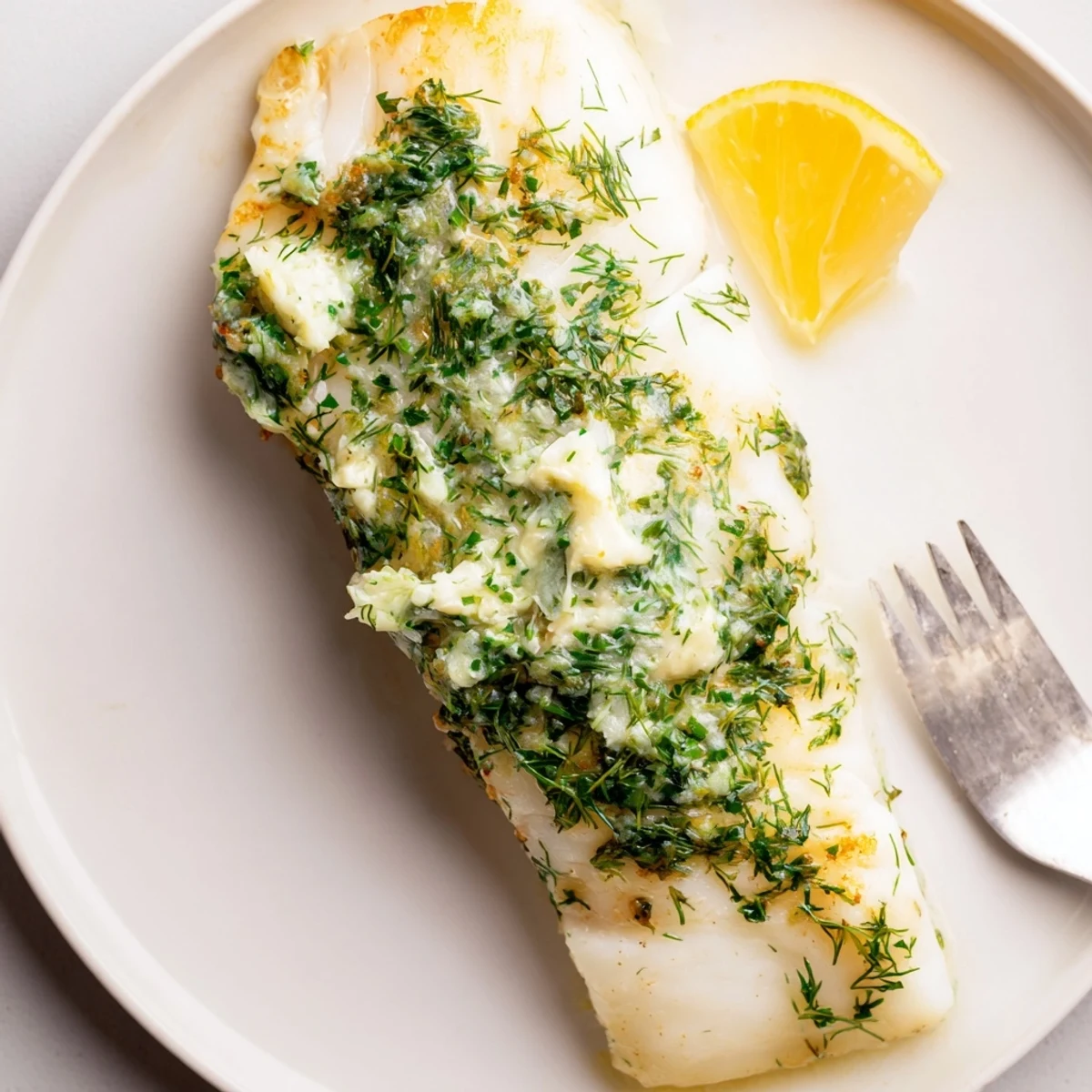
Save Halibut fillets are patted dry, brushed with olive oil, seasoned, and baked at 400°F for 15–18 minutes until opaque and flaky. A compound butter of softened butter, parsley, dill, chives, garlic, lemon zest and lemon juice is spread over the hot fillets to melt and add bright, savory richness. Ready in under 30 minutes; serve with roasted vegetables, rice pilaf, or a crisp salad. Tarragon or basil make easy herb swaps.
The screen door slapped shut behind me as I carried a plate of this halibut out to the back porch, the herb butter still bubbling and catching the late afternoon light like something out of a magazine spread nobody would believe came from my kitchen.
My neighbor Dave wandered over the fence that evening holding a bottle of Sauvignon Blanc and asking what smelled so good, and we ended up eating standing up around the kitchen counter because nobody wanted to wait long enough to set the table.
Ingredients
- Halibut fillets (4 fillets, 6 oz each, skinless): The thickness matters here because thin fillets dry out before the butter has time to work its magic, so pick the thickest ones at the counter.
- Olive oil (1 tbsp): Just enough to help the seasonings stick and keep the fish from bonding with the baking sheet.
- Salt and black pepper: Season generously on both sides because fish needs salt more than people think.
- Unsalted butter (4 tbsp, softened): Softened is the key word here because cold butter will tear the fish instead of spreading, and unsalted lets you control the seasoning.
- Fresh parsley (2 tbsp, finely chopped): Flat leaf parsley brings a clean brightness that dried parsley simply cannot replicate.
- Fresh dill (1 tbsp, finely chopped): Dill and fish are old friends, and even a small amount adds a distinctive fragrance that fills the room.
- Fresh chives (1 tbsp, finely chopped): Chives add a gentle onion note without overpowering the other herbs.
- Garlic (1 clove, minced): One clove is enough because you want a whisper of garlic, not a shouting match.
- Lemon zest (1 tsp) and lemon juice (2 tsp): The zest carries the floral oils and the juice adds the acid that cuts through the richness of the butter.
- Lemon wedges for serving: A final squeeze at the table brings everything alive one more time.
Instructions
- Get the oven hot:
- Preheat to 400°F and line a baking sheet with parchment paper because burnt fish on a pan is a tragedy that ruins your evening and your pan.
- Dry and season the fish:
- Pat each halibut fillet dry with paper towels until the surface feels tacky, then brush with olive oil and season both sides with salt and pepper while the fish is still cold.
- Lay them out:
- Arrange the fillets in a single layer with space between each one so the heat can circulate properly and cook them evenly.
- Build the herb butter:
- Mash the softened butter with parsley, dill, chives, garlic, lemon zest, and lemon juice in a small bowl until it looks like a vibrant green paste and smells like a garden in June.
- Top the fish with half the butter:
- Spread roughly half the herb butter over the fillets using the back of a spoon, pressing gently so it adheres to the surface instead of sliding off.
- Bake until just done:
- Slide the pan into the oven for 15 to 18 minutes, checking at the 15 minute mark by pressing gently on the thickest part to see if it flakes apart easily.
- Finish with the remaining butter:
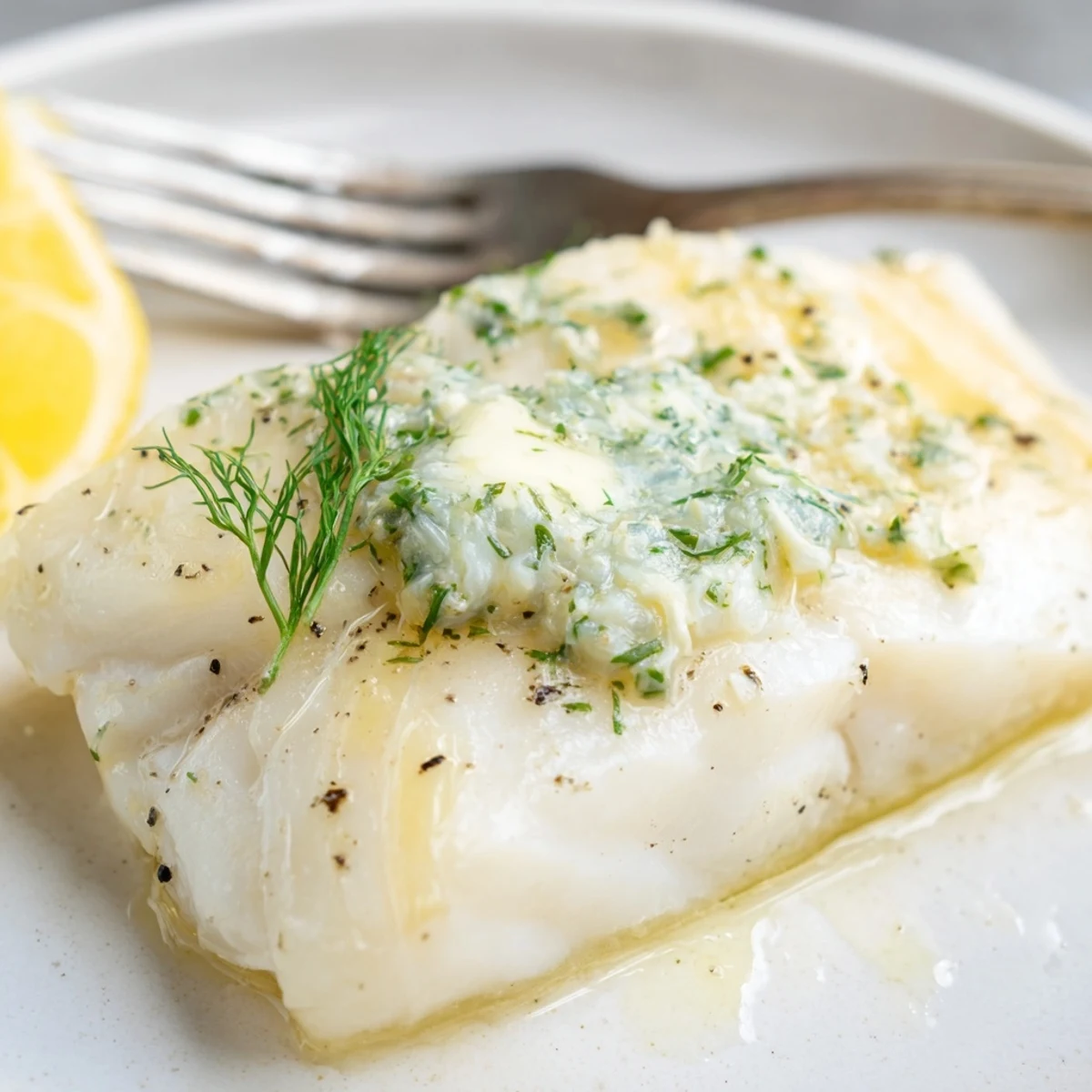
- Pull the pan out and immediately dollop the rest of the herb butter on top of each fillet so it melts into a glossy pool over the hot fish.
- Serve right away:
- Transfer to warm plates with lemon wedges on the side and serve before the butter cools, because this dish waits for no one.
 Save
Save That night on the porch with Dave, watching the butter pool around the edges of the fish while the wine caught the sunset, I realized some meals do not need a dining table or candles to feel like a real occasion.
What to Serve Alongside
Rice pilaf soaks up the melted herb butter like a dream, and roasted asparagus or a simple arugula salad with lemon vinaigrette rounds out the plate without competing with the fish.
Swapping the Herbs
Tarragon steps in beautifully for dill if you want something with a slight anise sweetness, and basil turns the whole dish in a Mediterranean direction that pairs especially well with tomatoes on the side.
Getting the Texture Right
Halibut rewards confidence and punishes hesitation, meaning you should trust the timer and resist the urge to keep peeking inside the oven.
- Let the fish rest for two minutes after pulling it from the oven so the juices redistribute instead of running onto the plate.
- A thin spatula works better than tongs for transferring the fillets without breaking them apart.
- Always check the thickest fillet first because that one determines whether the rest are ready too.
 Save
Save This is the kind of recipe that makes you look like you know exactly what you are doing, even if you just learned how to bake fish last Tuesday.
Recipe FAQs
- → How do I know when the halibut is done?
-
Check that the flesh is opaque and flakes easily with a fork; internal doneness for halibut is around 130–135°F if using a thermometer. Overcooking dries the fish, so start checking at 15 minutes.
- → Can I prepare the herb butter ahead of time?
-
Yes. Mix the herb butter and chill it in a covered container for up to 3 days, or freeze portions for longer. Bring it to room temperature briefly before spreading so it softens and melts evenly.
- → What are good herb substitutions?
-
Swap dill and chives with tarragon, basil, or thyme for different flavor profiles. Reduce stronger herbs slightly to avoid overpowering the delicate halibut.
- → How can I make this dairy-free?
-
Use a high-quality plant-based butter or olive oil blended with minced herbs, garlic, and lemon zest. Ensure the substitute melts smoothly over the hot fish for similar richness.
- → What sides pair well with halibut and herb butter?
-
Roasted vegetables, rice pilaf, steamed asparagus, or a crisp green salad complement the bright herb butter. A chilled Sauvignon Blanc or Pinot Grigio pairs nicely if serving wine.
- → Can I pan-sear instead of baking?
-
Yes. Sear fillets skinless in a hot skillet with oil 2–3 minutes per side until golden and finish in a 400°F oven if needed. Top with herb butter once off the heat.