
 Save
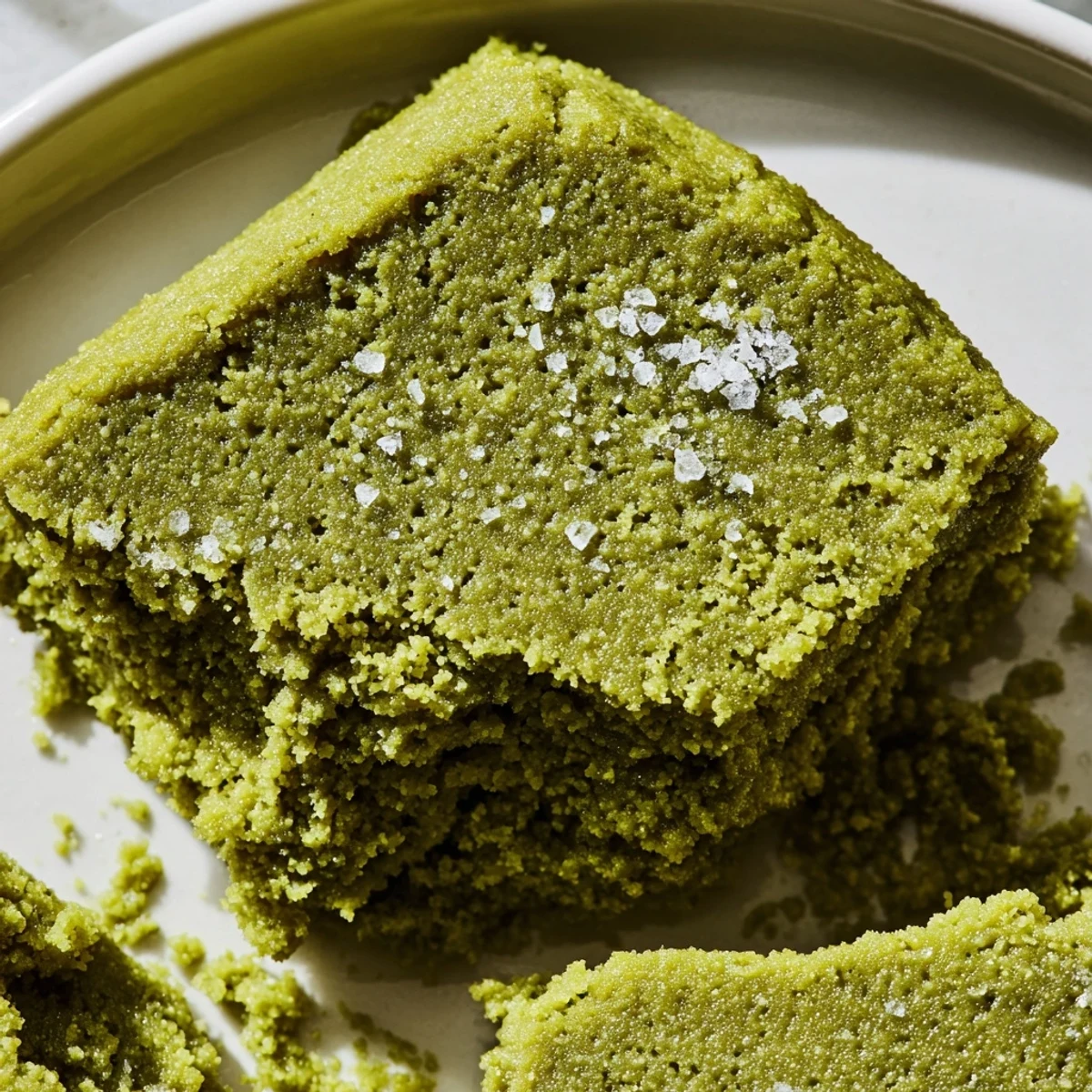
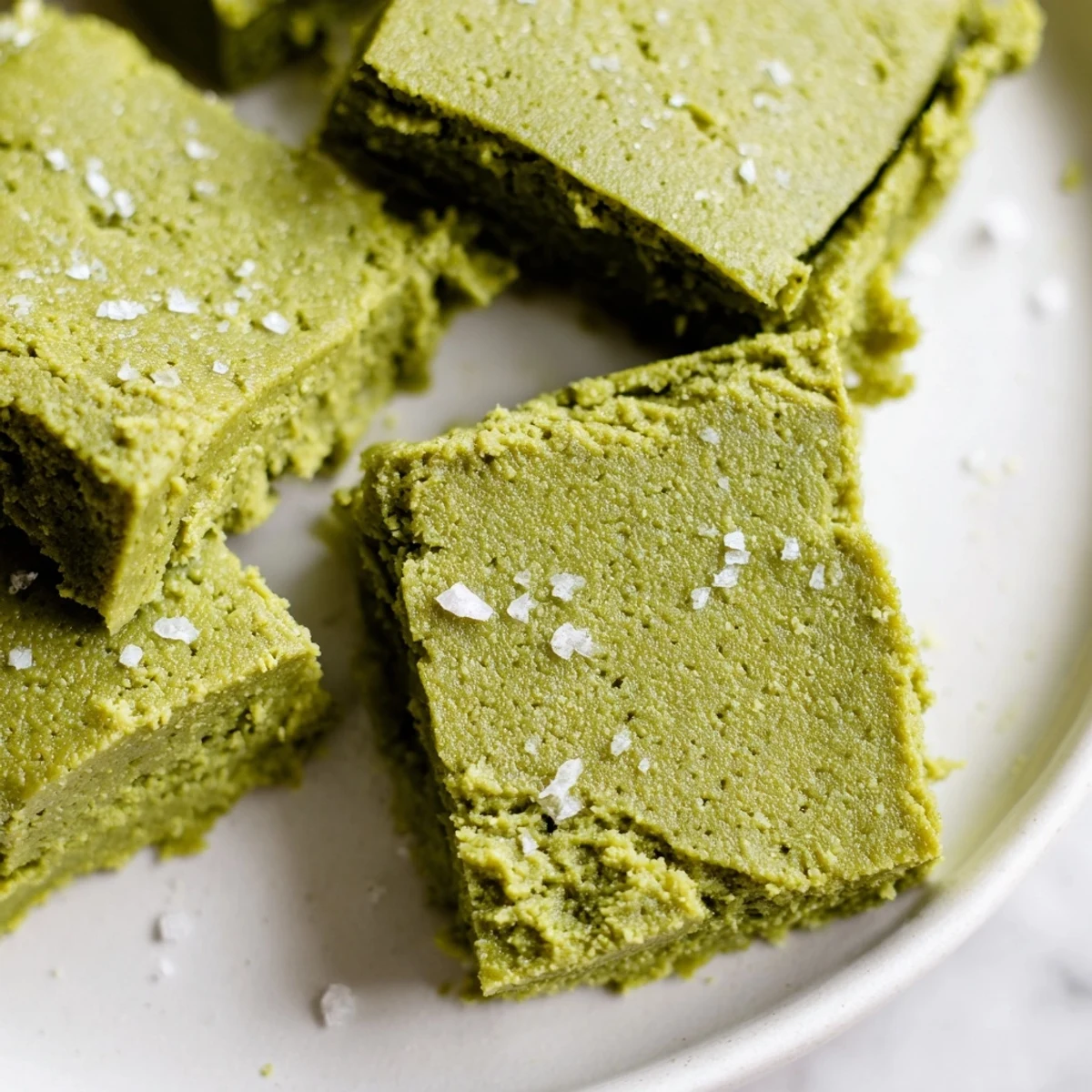
Save This modern halva transforms the classic Middle Eastern confection by whisking earthy matcha green tea powder into creamy tahini. The process involves creating a simple sugar syrup that reaches soft ball stage, then vigorously stirring it into the nutty base until thickened and matte. After chilling, the result is a crumbly yet velvety sweet with the signature halva texture and a vibrant green tea flavor that perfectly balances the rich sesame notes.
Last winter, my roommate came home from a Japanese tea ceremony raving about matcha everything. Being half Syrian, I grew up on tahini halva the way some kids grow up on chocolate chip cookies. Something clicked—why not marry them? I spent three weekends getting the ratios right, but that first successful batch tasted like two cultures sharing a perfectly sweet conversation.
I brought a batch to my book club and watched three normally reserved friends fight over the last square. One of them, who claims to hate dessert, texted me the next day asking for the recipe. Thats when I knew this wasn't just an experiment anymore—it was a keeper.
Ingredients
- 1 cup tahini: Use well stirred unsweetened tahini, preferably brands with just sesame seeds
- ½ cup granulated sugar: White sugar works best for achieving the right crystallization texture
- 2 teaspoons matcha powder: Culinary grade is perfect—ceremonial grade is too precious to cook with
- ⅓ cup water: Creates the sugar syrup that brings everything together
- Pinch of fine sea salt: Wakes up all the flavors and prevents the halva from tasting one note
Instructions
- Prep your pan:
- Line an 8x4 inch loaf pan with parchment paper, letting the edges hang over like a sling. Trust me, getting halva out of a bare pan is frustration you dont need.
- Make the sugar syrup:
- Combine sugar and water in a medium saucepan over medium heat. Stir until dissolved, then stop stirring and let it reach 245°F on a candy thermometer—soft ball stage, where a dropped syrup forms a squishy ball in cold water.
- Mix the base:
- While syrup heats, whisk tahini, matcha powder, and salt in a mixing bowl until completely smooth and uniformly green.
- The critical moment:
- Pour the hot syrup immediately into the tahini mixture. Stir vigorously with a wooden spoon for 20-30 seconds until it thickens, looks matte, and starts pulling away from the sides—this transformation happens fast.
- Set and chill:
- Scrape into your prepared pan, smooth the top, let cool ten minutes at room temperature, then refrigerate at least one hour until firm enough to slice cleanly.
 Save
Save My grandmother wouldve raised an eyebrow at the green color, but after one bite she wouldve approved. Food evolves, and some traditions were meant to travel.
Getting the Texture Right
The difference between grainy halva and the silky kind comes down to that furious stirring window. I set a timer the first dozen times. Youll feel the mixture suddenly thicken—that's your cue to stop immediately and get it into the pan.
Matcha Matters
Not all matcha is created equal. The bright green stuff in tin cans is usually cut with sugar or cheaper teas. Look for duller colored culinary grade from Japan—the flavor is cleaner and the color develops naturally as you stir it in.
Serving and Storing
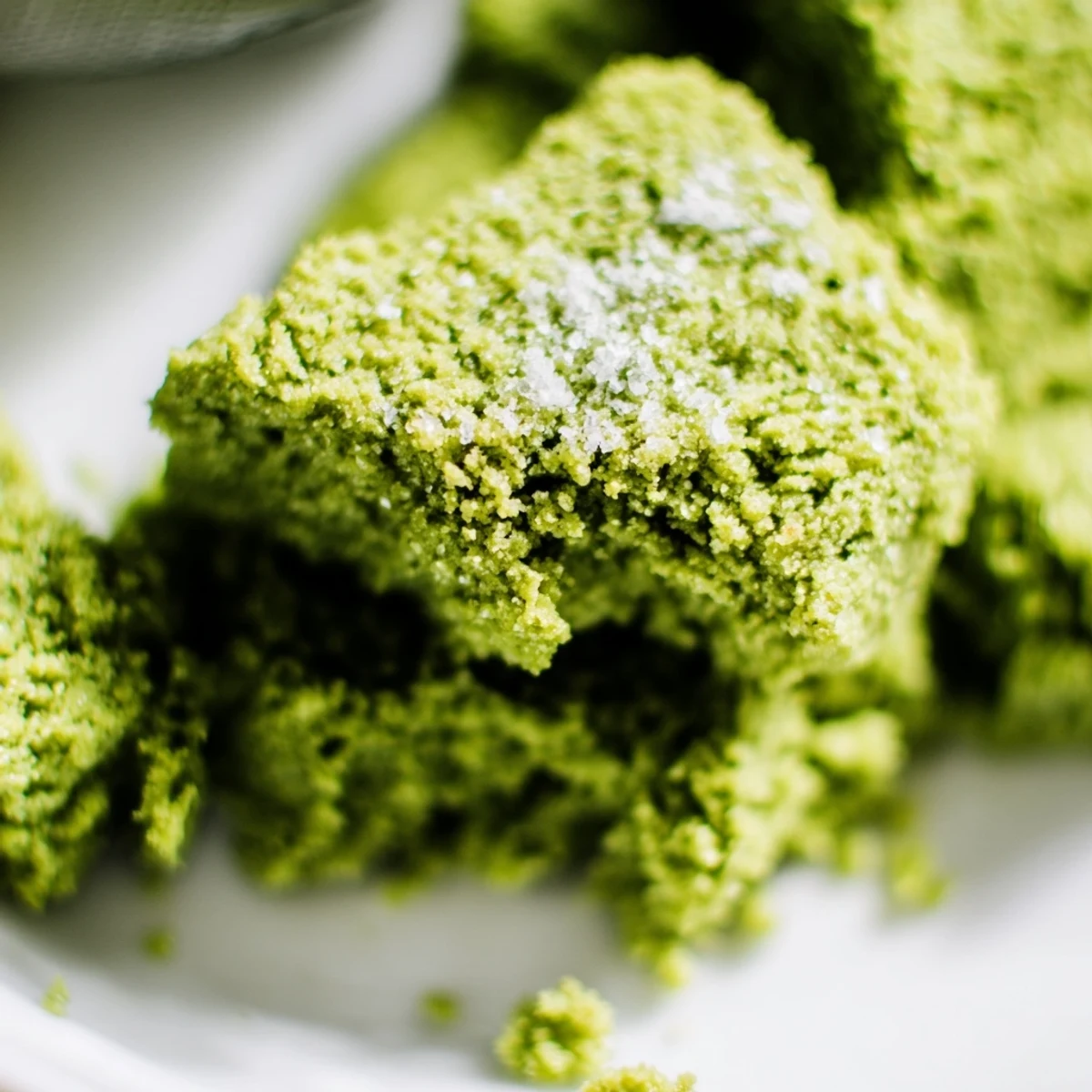
Halva improves after a day in the fridge. The flavors settle into each other and the texture becomes that perfect crumble. I serve it with black coffee or mint tea, though my nephew eats it straight from the container.
- Try crumbling it over vanilla ice cream for an instant dessert upgrade
- A dusting of extra matcha on top makes it look fancy for company
- Room temperature pieces have the fudgiest texture and most intense flavor
 Save
Save Sometimes the best recipes come from trusting two seemingly incompatible ingredients to find common ground. This halva is proof that traditions can blend beautifully.
Recipe FAQs
- → What does matcha halva taste like?
-
Matcha halva combines the nutty, rich flavor of tahini with the earthy, slightly grassy notes of green tea. The sweetness balances beautifully with matcha's natural bitterness, creating a complex yet delicate flavor profile that's both familiar and unique.
- → Why is my halva not setting properly?
-
The most common issue is not cooking the sugar syrup long enough or not stirring vigorously enough after combining. The syrup must reach exactly 245°F (soft ball stage), and you need to stir quickly for 20-30 seconds until the mixture pulls away from the sides and becomes matte.
- → Can I use honey or maple syrup instead of sugar?
-
Not recommended for this preparation. Honey and maple syrup contain additional water and minerals that affect the crystallization process. They won't create the proper halva texture and may result in a soft, sticky mixture that doesn't set correctly.
- → How should I store matcha halva?
-
Store in an airtight container in the refrigerator for up to 2 weeks. The cold helps maintain the firm texture. Bring to room temperature for 10-15 minutes before serving for the best flavor and texture. You can also freeze it for up to 3 months.
- → What can I add for extra texture?
-
Toasted pistachios, almonds, or walnuts add wonderful crunch. You can also fold in dried rose petals, toasted sesame seeds, or chopped dried figs. Add mix-ins immediately after stirring the syrup, before spreading into the pan.
- → Is the matcha flavor too strong?
-
The specified 2 teaspoons creates a subtle, balanced matcha flavor that complements rather than overpowers the tahini. If you're sensitive to green tea's earthiness, start with 1 teaspoon. For matcha lovers, add up to 2½ teaspoons for a more pronounced flavor.