 Save
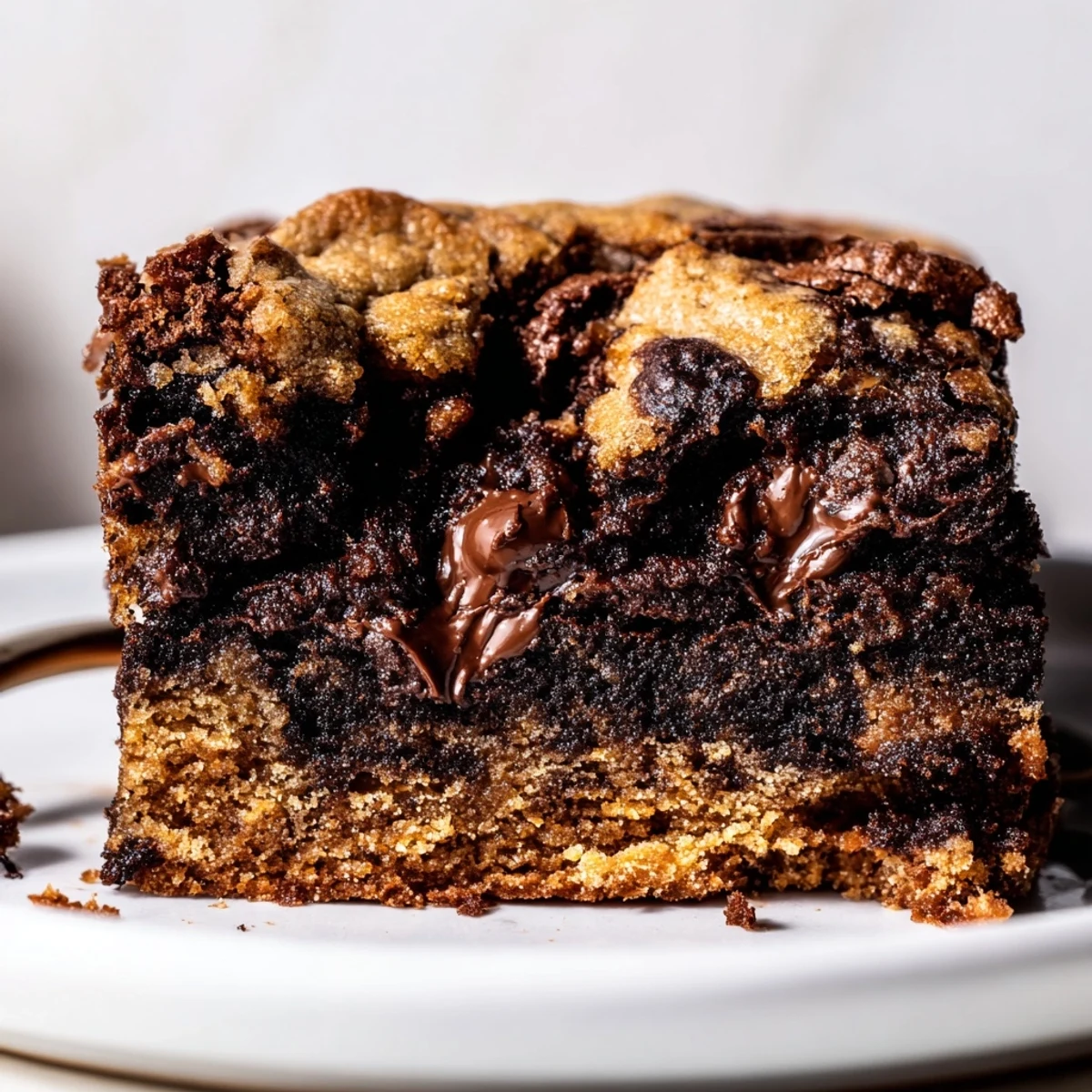
Save These fudgy, chewy brookies combine a dense cocoa-rich brownie base with a soft, chocolate-chip cookie topping. Melted butter, sugar and eggs make the brownie glossy and tender; the cookie layer is creamed butter and sugars folded with flour and chips. Spoon cookie dough over brownie batter, bake at 175°C until top is golden and center has moist crumbs. Chill briefly for cleaner slices or serve warm with ice cream.
The arguing started around eight oclock on a Friday night: brownies or cookies. My roommate wanted fudge, I wanted chew, and neither of us was willing to compromise. That stubborn little standoff is exactly how brookies were born in our kitchen, and honestly, Ive never looked back since.
I brought a tray of these to a potluck once and watched three grown adults hover near the plate, pretending to chat while casually reaching for seconds. One friend actually hid two in her coat pocket on the way out, and she still texts me about them every couple of months.
Ingredients
For the Brownie Layer:
- Unsalted butter (115 g, melted): Use good quality butter here because its the backbone of every rich bite.
- Granulated sugar (200 g): This much sugar sounds like a lot but it creates that irresistible crackled top.
- Large eggs (2): Room temperature eggs blend smoother and give the brownie layer its dense chew.
- Vanilla extract (1 tsp): A decent vanilla elevates the chocolate flavor more than youd expect.
- All-purpose flour (65 g): Go light on mixing once the flour goes in or youll end up with cakey brownies instead of fudgy ones.
- Unsweetened cocoa powder (30 g): Dutch processed gives a deeper color but natural cocoa works beautifully too.
- Salt (1/4 tsp): Never skip the salt, it makes the chocolate taste like itself.
For the Cookie Layer:
- Unsalted butter (115 g, softened): Leave it out for about an hour so it creams properly with the sugars.
- Brown sugar (100 g, packed): This is where the caramel like chew comes from, so pack it firmly into your cup.
- Granulated sugar (50 g): A blend of both sugars gives you crisp edges and a soft center.
- Large egg (1): Binds everything together and adds richness to the cookie dough.
- Vanilla extract (1 tsp): Yes, more vanilla, and no, its not too much.
- All-purpose flour (150 g): Measure by spooning into the cup and leveling off for accuracy.
- Baking soda (1/2 tsp): Gives the cookie layer just enough lift to puff and then settle into chewiness.
- Salt (1/2 tsp): Balances the sweetness and makes every bite more interesting.
- Chocolate chips (110 g): Semi sweet is classic but dark chocolate chunks turn these into something extraordinary.
Instructions
- Set the stage:
- Preheat your oven to 175 degrees C (350 degrees F) and line a 20x20 cm baking pan with parchment paper, leaving the edges hanging over like handles. This little trick saves you from the heartbreak of stuck brookies later.
- Build the brownie base:
- In a medium bowl, whisk the melted butter and sugar together until glossy. Drop in the eggs and vanilla, whisking until the mixture looks smooth and slightly thickened, then gently fold in the flour, cocoa, and salt until everything just disappears into the batter. Spread it evenly across the bottom of your pan.
- Whip up the cookie layer:
- Beat the softened butter with both sugars until the mixture turns creamy and lighter in color, then mix in the egg and vanilla until fully blended. Add the flour, baking soda, and salt, stirring until just combined before folding in the chocolate chips with a spatula.
- Bring them together:
- Drop generous spoonfuls of cookie dough all over the brownie batter, then use a spatula to nudge and spread it gently. Its perfectly fine if some dark batter peeks through, those swirly spots become the best bites.
- Bake with patience:
- Slide the pan into the oven and bake for 28 to 33 minutes until the cookie top turns golden and a toothpick poked into the center comes out with a few moist crumbs clinging to it. Trust the crumbs, a clean toothpick means youve gone too far.
- Cool completely:
- Let the brookies sit in the pan until they reach room temperature, then lift them out using the parchment overhang and cut into 16 squares. Cutting warm brookies is a messy lesson you only need to learn once.
 Save
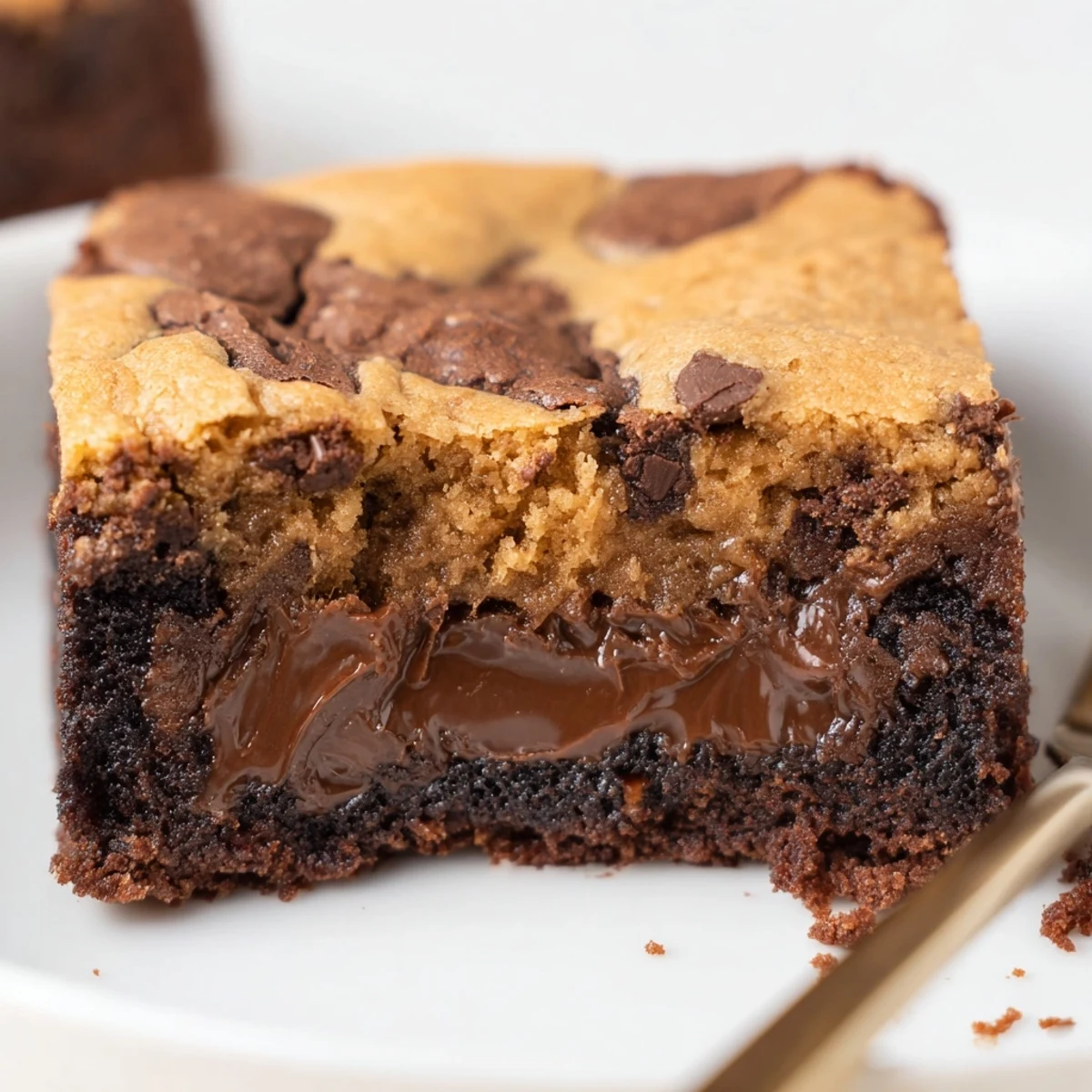
Save There is something deeply satisfying about handing someone a square that has two distinct layers, watching them bite in and pause for a second trying to figure out what just happened in their mouth. That tiny moment of dessert confusion is pure joy.
The Right Pan Makes All the Difference
A metal 20x20 cm pan conducts heat more evenly than glass or ceramic, which means the edges cook at the same rate as the center. Glass pans tend to overbrown the bottom before the middle is done, leaving you with a frustrating mismatch of textures.
Mixing by Hand vs. Using a Mixer
You absolutely can make the brownie layer by hand with a whisk and a bit of elbow grease, and honestly it turns out better that way because theres no risk of overbeating. The cookie layer benefits from an electric mixer to properly cream the butter and sugars, but if your butter is soft enough, a wooden spoon and some determination work too.
Serving and Storing Your Brookies
These bars keep beautifully in an airtight container at room temperature for about four days, though they rarely last that long in my house. The fridge extends their life to about a week, and a ten second spin in the microwave brings back that fresh baked softness. For a truly indulgent evening, serve a warm square alongside a scoop of vanilla bean ice cream and watch everything melt together.
- Freeze individual squares wrapped tightly in foil for up to three months.
- Sprinkle flaky sea salt on top right after baking for an elevated finish.
- Always let them cool completely before storing or the condensation will make them soggy.
 Save
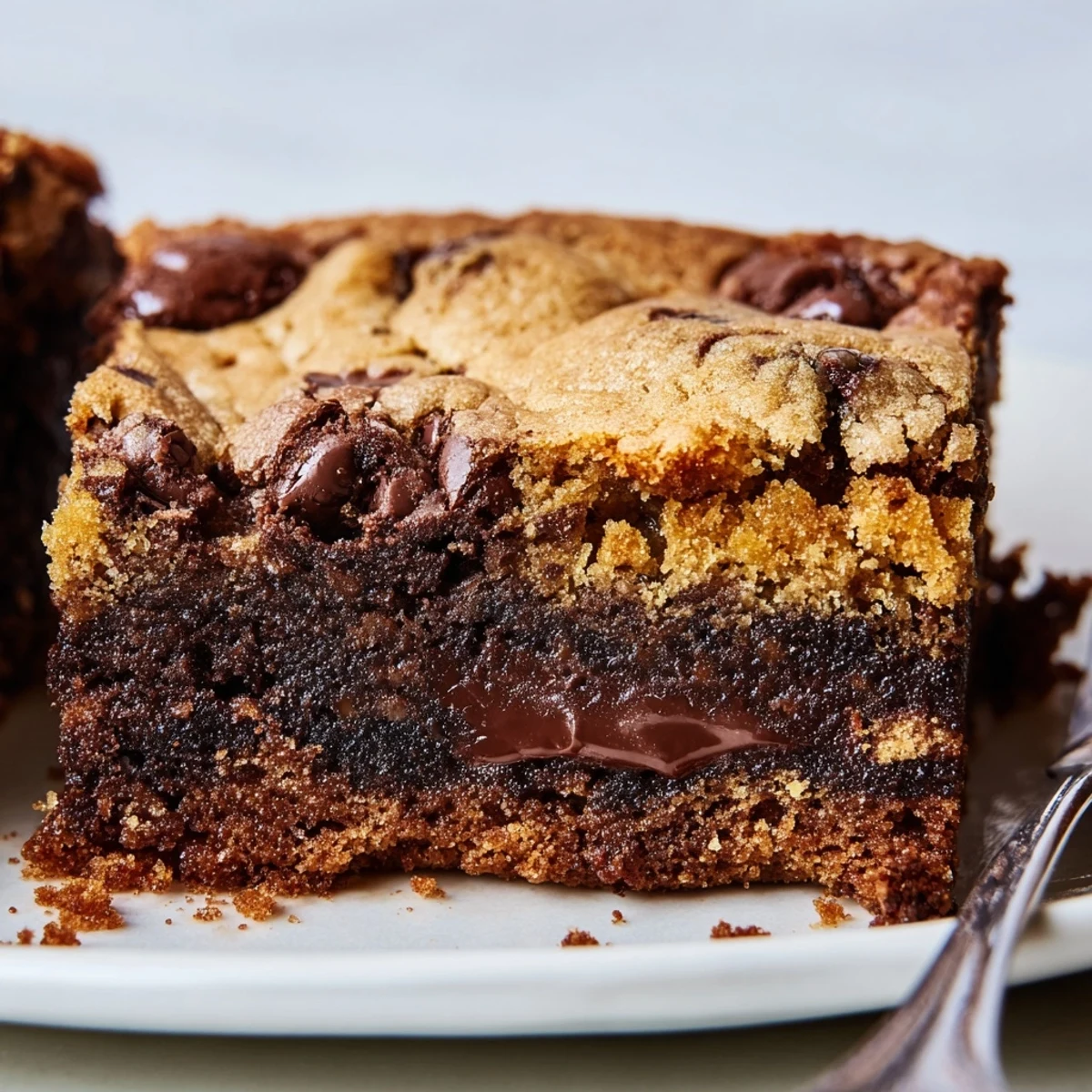
Save Every batch teaches you something small, a little more patience, a slightly lighter hand with the flour, a better sense of when to trust your eyes over the timer. These brookies are worth every one of those lessons.
Recipe FAQs
- → How do I achieve a fudgy brownie layer?
-
Use melted butter and keep the flour amount modest. Mix until just combined, avoid overbeating once flour is added, and aim to underbake slightly for a dense, glossy center.
- → Why won't the cookie layer spread evenly?
-
Cookie dough that’s too firm will hold its shape; beat butter and sugars until creamy, then drop spoonfuls and gently press with a spatula. If dough is very cold, let it soften a few minutes before spreading.
- → How can I tell when brookies are done?
-
Bake until the cookie top is golden and a toothpick in the center comes out with a few moist crumbs. Avoid a fully clean toothpick to preserve a gooey interior.
- → What variations work well?
-
Fold nuts into either layer or swap chocolate chips for butterscotch or white chocolate. Adjust mix-ins to balance texture without changing bake time much.
- → Best way to get clean slices?
-
Cool completely in the pan, chill briefly for firmer cutting, and use a sharp knife wiped between cuts. Lifting via parchment overhang helps keep edges intact.
- → How should I store and reheat brookies?
-
Store airtight at room temperature for up to 3 days or refrigerate for longer. Warm gently in a low oven or microwave a few seconds for a soft, just-baked feel.