
 Save
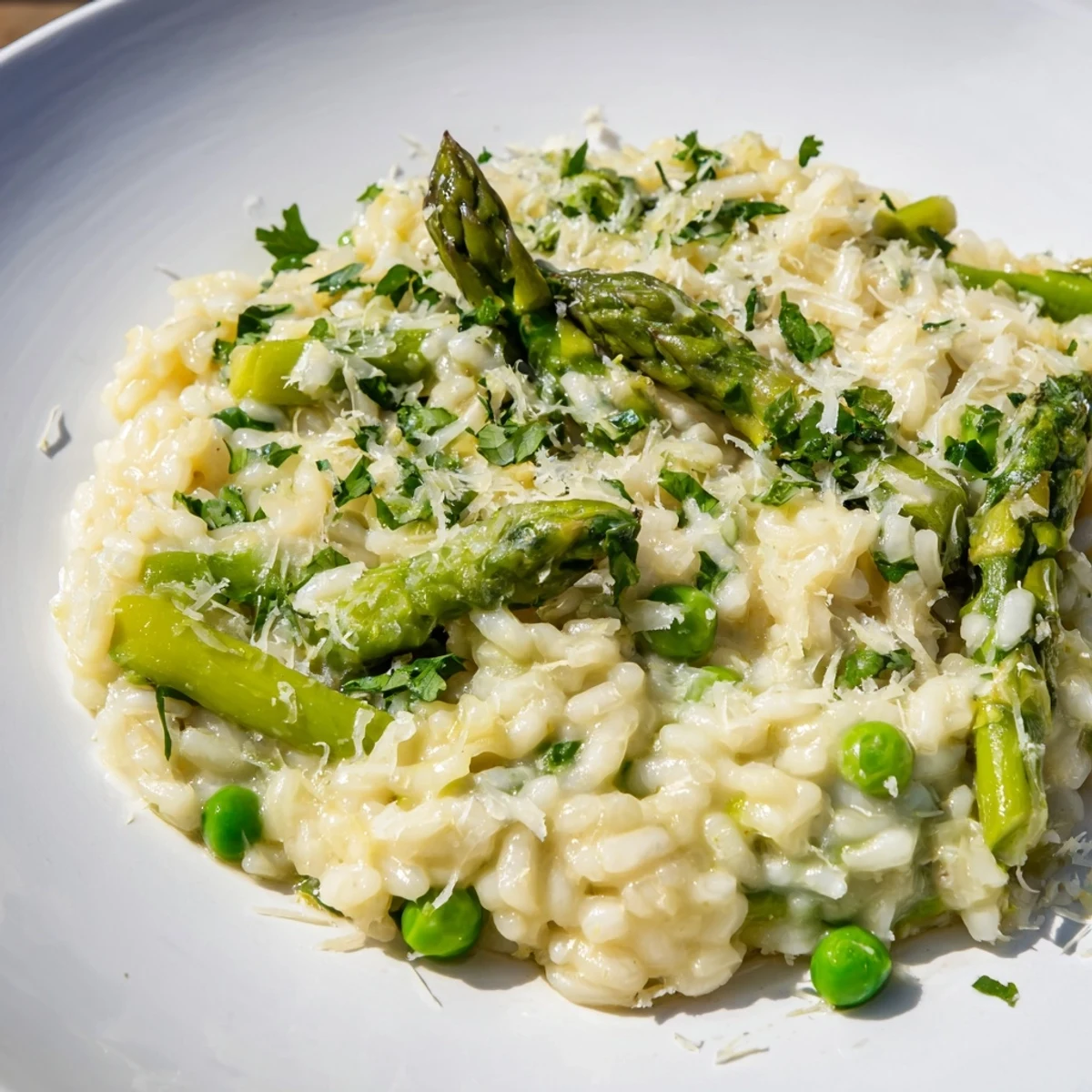
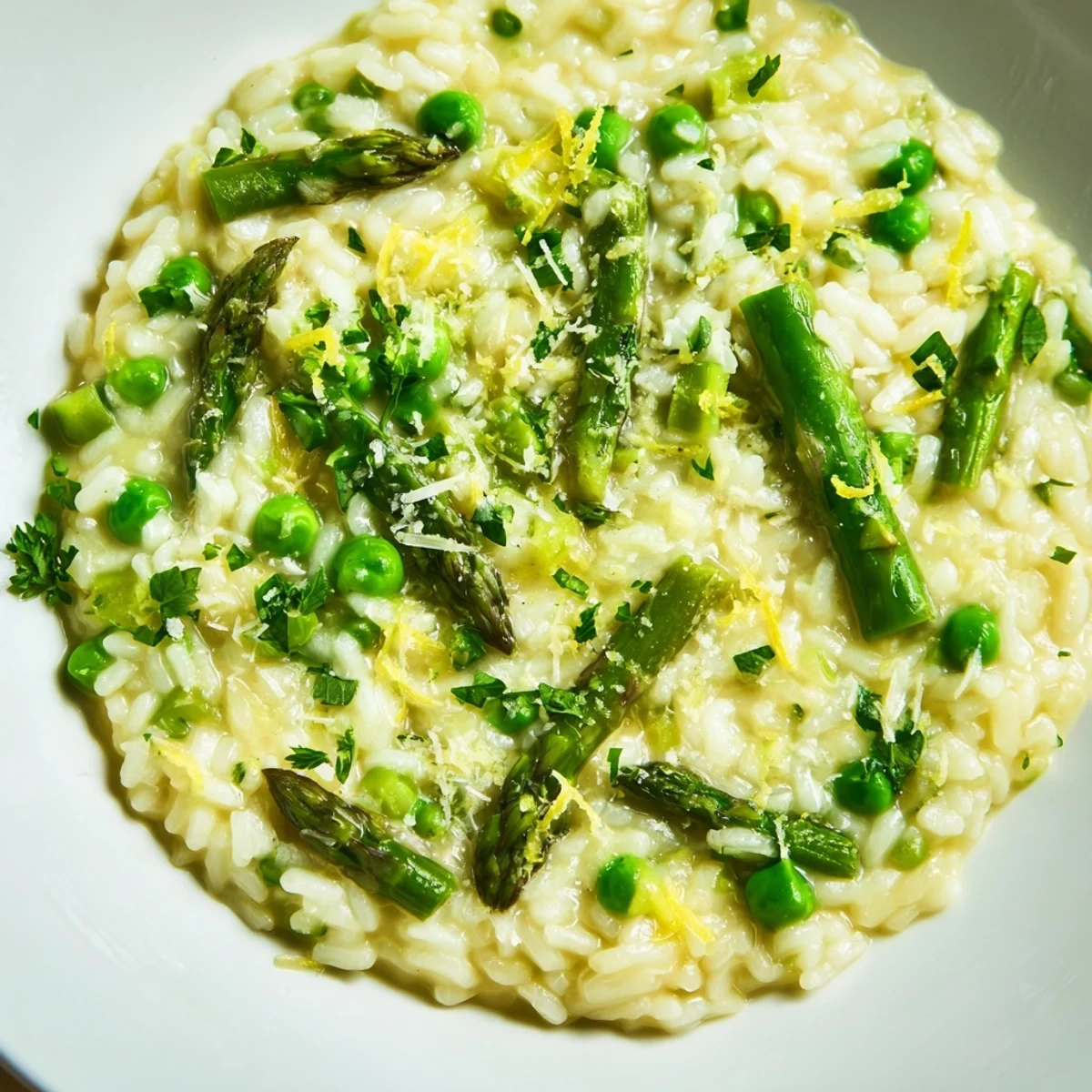
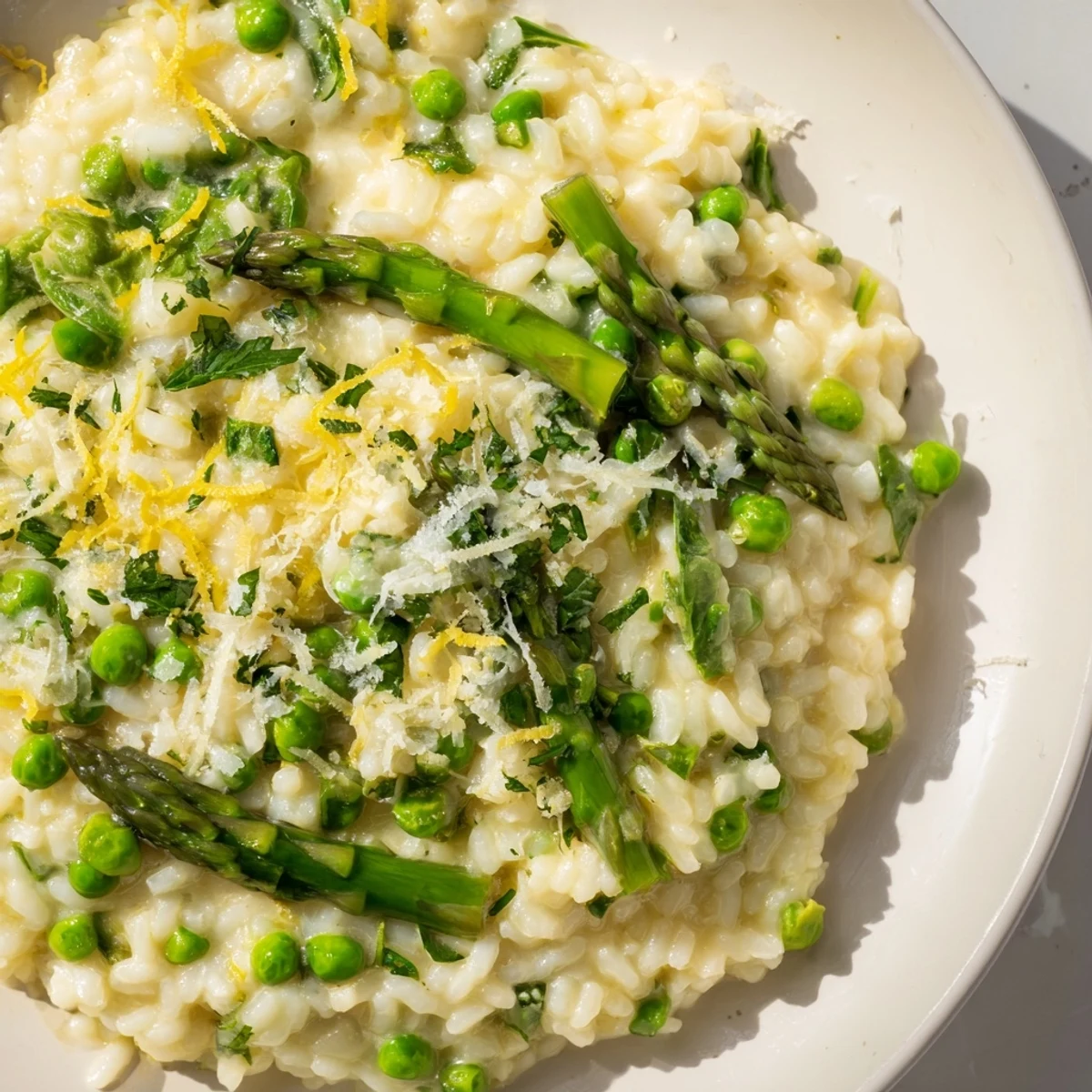
Save This creamy risotto blends tender asparagus and sweet spring peas into Arborio rice cooked slowly with white wine and vegetable broth. It’s finished with butter, freshly grated Parmesan, parsley, and lemon zest, delivering a vibrant dish bursting with early summer flavors. The tender vegetables add both texture and freshness, making this Italian-inspired dish an ideal centerpiece for a vegetarian lunch or dinner. Simple techniques like blanching and gradual broth absorption ensure a perfectly creamy and rich texture.
Last April, my neighbor Sarah texted me at 7am with a photo of peas she'd just picked from her garden, still in their fuzzy pods. I'd never shelled fresh peas before, and something about the ritual of popping them open while the coffee brewed made the whole day feel slower, more intentional. That evening, this risotto became the most vibrant green thing I'd ever put on a dinner table.
I made this for my friend Emma's birthday dinner when she requested something vegetarian but still worthy of a celebration. We stood around the stove, wine glasses in hand, taking turns stirring because I'd insisted that risotto requires conversation as much as it requires broth. She still messages me every spring asking when I'm making it again.
Ingredients
- Arborio rice: This short-grain rice releases starch slowly, creating that signature creamy texture that makes risotto feel like a hug
- Fresh peas and asparagus: The blanching step locks in that bright green color and sweet flavor that screams spring
- Warm vegetable broth: Adding cold broth shocks the rice and breaks the creamy emulsion you're working so hard to build
- White wine: Adds acidity that cuts through the richness, though extra broth works if you're avoiding alcohol
- Lemon zest: The secret brightness that makes all the flavors pop at the very end
Instructions
- Blanch the vegetables:
- Drop asparagus into boiling salted water for 2 minutes, add peas for 1 minute more, then shock in ice water to stop the cooking and preserve that vibrant green.
- Build the foundation:
- Melt butter in a large saucepan, cook onion until translucent, add garlic for just 1 minute until fragrant but not browned.
- Toast the rice:
- Add Arborio rice and stir for 1 to 2 minutes until you see a translucent edge appear on each grain and they smell slightly nutty.
- Add the wine:
- Pour in white wine and stir until it's nearly evaporated, scraping up any flavorful bits from the bottom of the pan.
- The rhythm of risotto:
- Add warm broth one ladle at a time, stirring almost constantly and waiting until each addition is absorbed before adding the next, for about 18 to 20 minutes.
- Bring it together:
- Stir in the blanched vegetables and cook for 2 to 3 minutes until everything is heated through.
- The finish:
- Remove from heat and stir in the remaining butter, Parmesan, parsley, and lemon zest until melted and glossy.
 Save
Save The first time I made risotto, I gave up after 10 minutes and ended up with crunchy rice and a pan stuck to the bottom of the stove. Now I treat the stirring as meditation, a reason to stay present in the kitchen while everything else waits.
Choosing Your Vegetables
Look for asparagus with tight tips and stems that snap rather than bend. For peas, fresh ones are worth seeking out at farmers markets in spring, but frozen peas work beautifully when fresh aren't available and often don't need the blanching step.
The Wine Question
Use a wine you'd actually drink, since the flavor concentrates as it reduces. A crisp Pinot Grigio or Sauvignon Blanc works beautifully, but if you prefer not to cook with wine, simply substitute with more vegetable broth.
Making It Your Own
This base technique works with whatever vegetables are in season, from mushrooms in autumn to butternut squash in winter. The key is cutting everything into similar-sized pieces so they cook evenly.
- Add a handful of fresh spinach or arugula at the end for extra green
- Top with toasted pine nuts or walnuts for crunch
- A dollop of ricotta instead of Parmesan makes it even creamier
 Save
Save Risotto waits for no one, so have your bowls ready and call everyone to the table the moment you finish that final stir. It's a dish meant to be eaten immediately, surrounded by people you love.
Recipe FAQs
- → What is the best way to cook Arborio rice for this dish?
-
Cook Arborio rice by gradually adding warm vegetable broth while stirring frequently. This technique allows the rice to release its starch, resulting in a creamy consistency.
- → How should the asparagus and peas be prepared?
-
Blanch the asparagus for 2 minutes, add peas for 1 minute, then transfer to ice water to preserve their vibrant color and crisp texture before stirring them into the risotto.
- → Can I substitute Parmesan cheese with another type?
-
Pecorino Romano can be used instead to add a sharper and saltier flavor while maintaining a rich, cheesy finish.
- → Is white wine necessary for cooking this dish?
-
White wine adds acidity and depth of flavor, but it can be omitted or replaced with extra vegetable broth to keep the dish alcohol-free.
- → How can I make this dish vegan-friendly?
-
Use vegan butter and swap Parmesan cheese with a plant-based alternative or omit it entirely to maintain the creamy texture without dairy.
- → What herbs enhance the flavor of this dish?
-
Fresh parsley and lemon zest add brightness and a fresh herbal note that balances the richness of the risotto.