
 Save
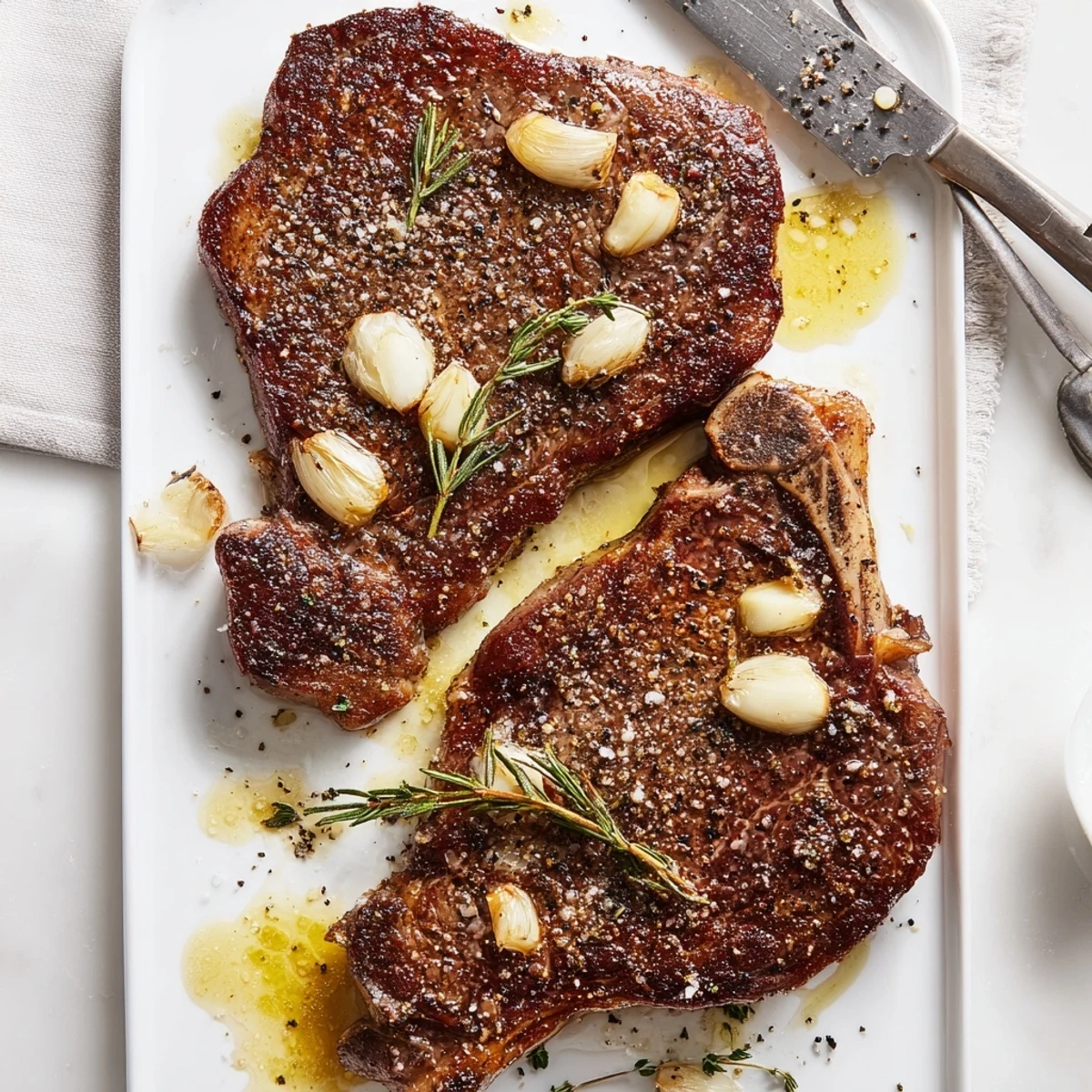
Save Master the art of cooking ribeye steak with this simple technique that delivers restaurant-quality results at home. The key is achieving that deep golden crust while keeping the interior tender and juicy. By starting with room temperature meat and using a smoking hot skillet, you'll create the perfect sear. Finishing with butter, garlic, and fresh herbs adds incredible flavor while basting ensures even cooking and moisture retention.
There is something deeply satisfying about the sound of a steak hitting a blistering hot skillet, that immediate sear and the way the aroma fills the entire kitchen. My husband actually bought me my first cast iron pan as a joke, but it turned out to be the best kitchen tool I have ever owned for achieving that restaurant quality crust at home.
I made these ribeyes for our anniversary dinner last year and my husband literally asked if I had secretly ordered takeout from a steakhouse. The way the butter and herbs infuse into the meat during those final minutes is absolute magic.
Ingredients
- 2 ribeye steaks: Choose cuts about 1 inch thick with good marbling throughout, as this fat renders during cooking and keeps the meat incredibly juicy
- 1 ½ teaspoons kosher salt: Kosher salt has larger crystals that adhere better to the meat surface and create a more even seasoning distribution
- 1 teaspoon freshly ground black pepper: Freshly cracked pepper has a more vibrant aroma and pairs beautifully with the beefs natural richness
- 2 tablespoons high-heat oil: Avocado or grapeseed oil can withstand the high searing temperature without burning like olive oil would
- 3 tablespoons unsalted butter: This creates that luxurious basting liquid and adds incredible flavor during the final cooking stage
- 3 cloves garlic, smashed: Smashed rather than minced releases more flavor into the butter as it melts
- 3 sprigs fresh thyme: Woody herbs like thyme hold up well to high heat and infuse the butter with earthy aroma
- 2 sprigs fresh rosemary: Rosemary adds pine notes that complement the richness of ribeye perfectly
Instructions
- Bring the steaks to room temperature:
- Remove the steaks from the refrigerator at least 30 minutes before cooking and pat them completely dry with paper towels, as any moisture will prevent proper searing
- Season generously:
- Sprinkle salt and pepper over both sides of the steaks, pressing gently to help the seasoning adhere to the meat surface
- Heat the skillet:
- Place a large cast iron skillet over high heat until it is smoking hot, then add the oil and swirl to coat the bottom completely
- Sear the first side:
- Lay the steaks in the hot pan and do not move them for 2 to 3 minutes until a deep golden brown crust forms on the bottom
- Flip and add aromatics:
- Turn the steaks over and immediately add the butter, smashed garlic, thyme, and rosemary to the pan
- Baste to perfection:
- Tilt the skillet so the melted butter pools to one side, then spoon it continuously over the steaks for 2 to 3 minutes until they reach your desired doneness
- Rest before serving:
- Transfer the steaks to a cutting board and let them rest for 5 minutes, which allows the juices to redistribute throughout the meat
 Save
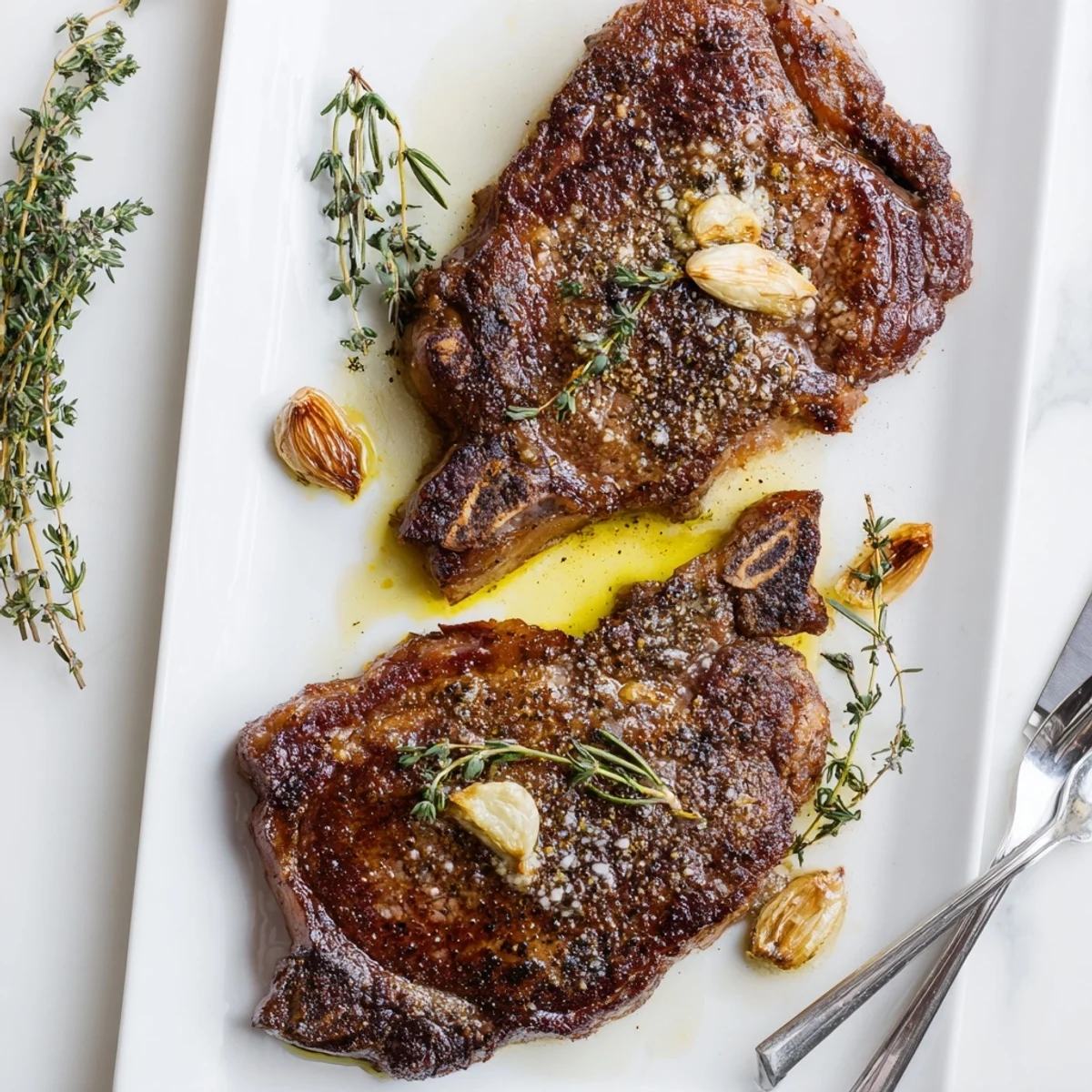
Save Every time I make this recipe, I am transported back to that tiny apartment kitchen where I first learned that patience and high heat are the secret ingredients to an incredible steak. It has become our go to celebration meal.
Choosing The Right Cut
Look for ribeyes with abundant white marbling throughout the red meat, as these fat deposits will render during cooking and keep the steak incredibly moist. I have learned that paying a bit more for better quality beef makes a noticeable difference in both texture and flavor.
The Basting Technique
The French technique of basting with butter and herbs is what elevates a good steak to something truly extraordinary. Tilt your pan carefully and continuously spoon those aromatic buttery juices over the meat, watching as it transforms into something that tastes like it came from a professional kitchen.
Serving Suggestions
A perfect steak deserves thoughtful accompaniments that do not compete with its rich flavor. I love serving this alongside roasted garlic potatoes or a crisp arugula salad dressed simply with lemon vinaigrette.
- Add a splash of Worcestershire sauce to the butter in the final minute of cooking for an extra depth of flavor
- Sprinkle flaky sea salt over the steaks immediately after resting for a beautiful crunch and burst of salinity
- Consider making a quick pan sauce with the leftover butter and drippings, though honestly these steaks need nothing more
 Save
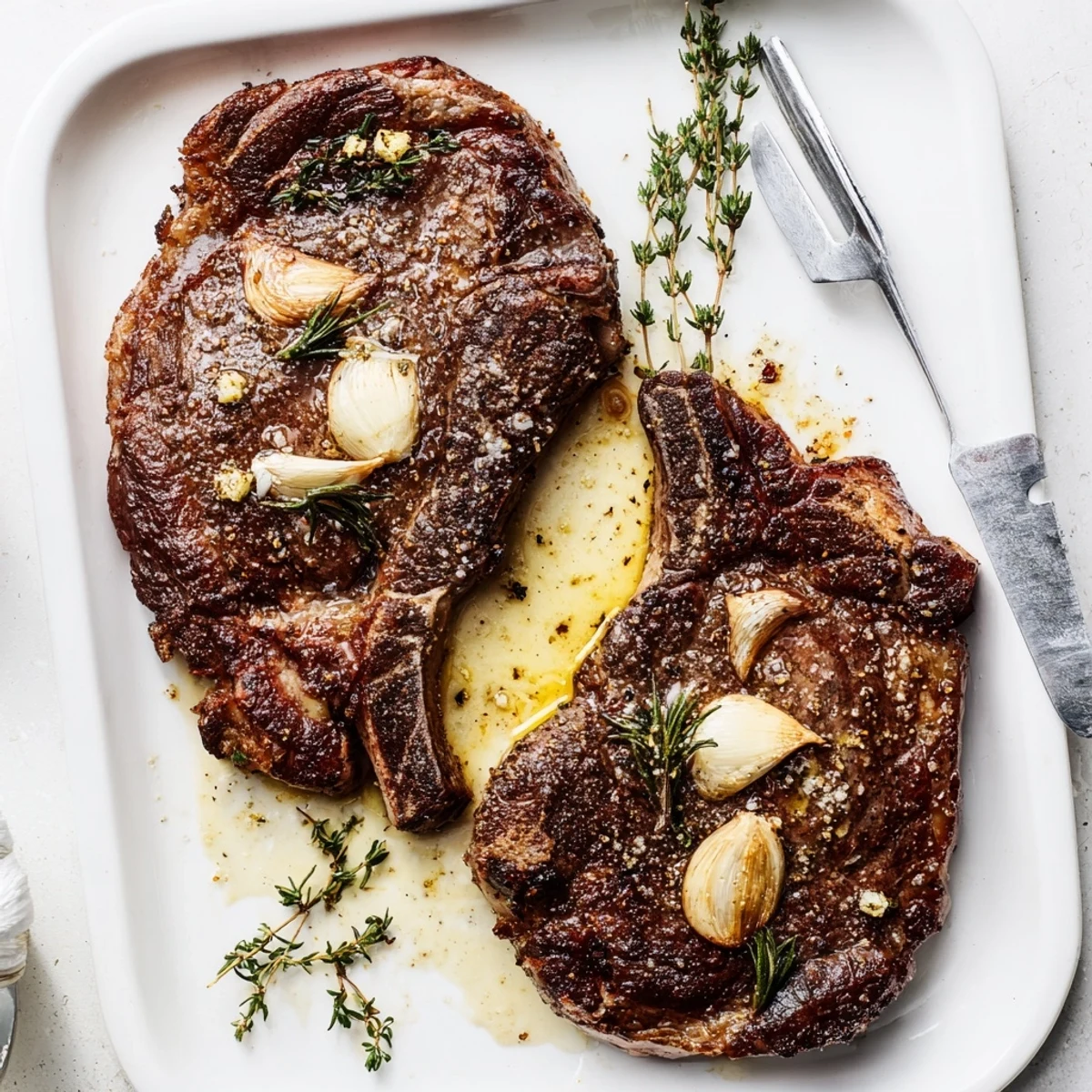
Save There is nothing quite like cutting into a perfectly cooked ribeye you seared yourself, seeing that beautiful pink center, and knowing you created something restaurant worthy in your own kitchen.
Recipe FAQs
- → How long should I let the steak rest before cooking?
-
Remove steaks from the refrigerator 30 minutes before cooking to bring them to room temperature. This ensures even cooking throughout the meat.
- → What temperature should I cook ribeye for medium-rare?
-
Aim for an internal temperature of 135°F/57°C for medium-rare. Use a meat thermometer for accuracy, as the steak will continue cooking slightly while resting.
- → Why use butter instead of just oil?
-
Oil handles high heat for searing, while butter adds rich flavor and helps create the beautiful brown crust. Adding butter midway prevents burning and allows for aromatic basting.
- → Can I use a regular pan instead of cast-iron?
-
While cast-iron is ideal for achieving the best sear due to its heat retention, a heavy stainless steel skillet can work. Avoid non-stick pans as they don't get hot enough for proper searing.
- → What's the purpose of basting during cooking?
-
Basting with melted butter and aromatics infuses the steak with additional flavor while helping cook the top surface evenly. It also keeps the meat moist and creates a beautiful finish.
- → How do I know when the crust is properly formed?
-
The steak should release easily from the pan when a deep golden-brown crust has formed. This typically takes 2-3 minutes over high heat. Don't move the steak prematurely or you'll interrupt the searing process.