
 Save
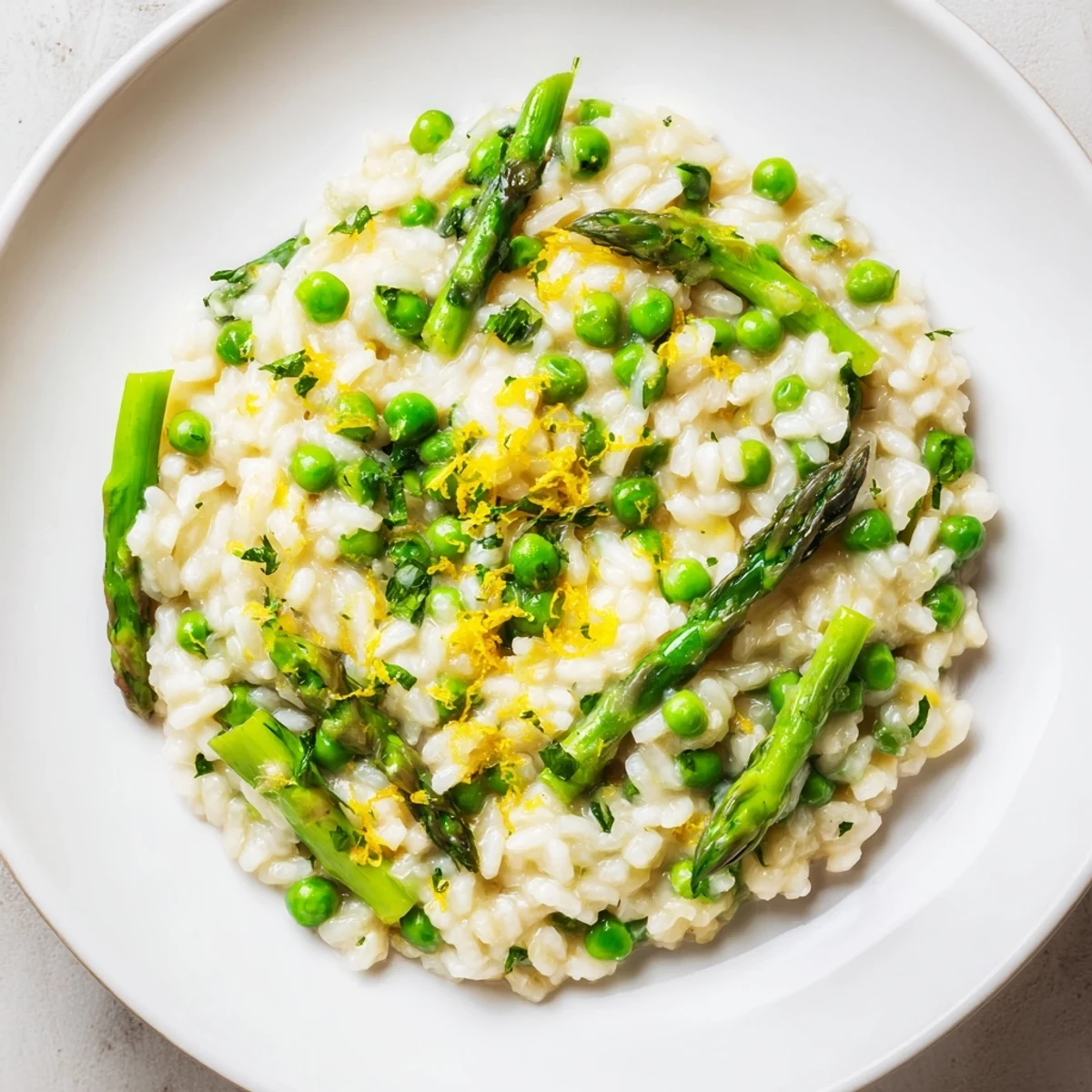
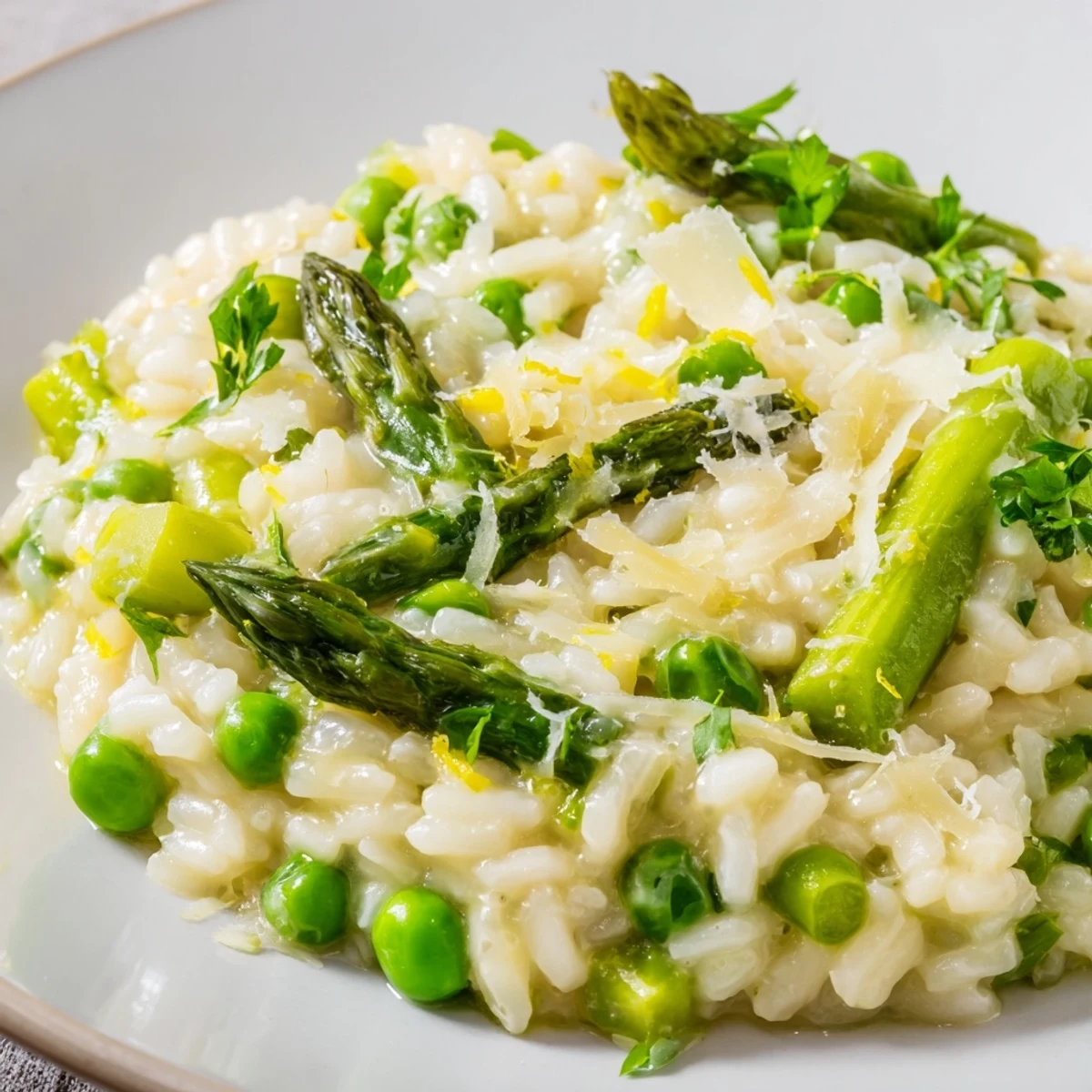
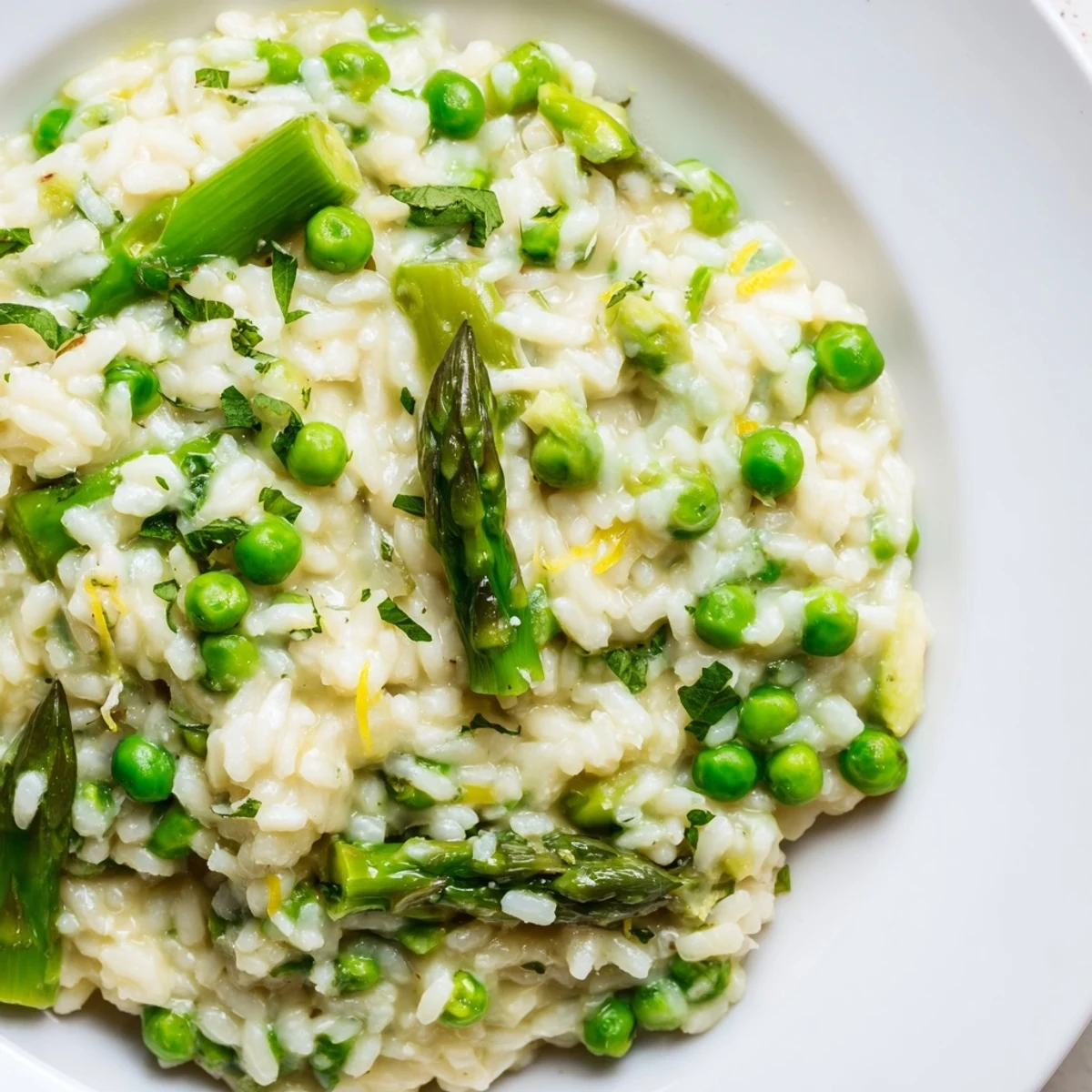
Save This risotto highlights fresh spring peas and tender asparagus cooked slowly in warm vegetable broth and white wine. Arborio rice is toasted and stirred frequently to achieve its signature creamy texture. The dish is enriched with butter and Parmesan cheese, with lemon zest adding brightness. It's a light yet satisfying Italian-inspired entree, ideal for vegetarians and adaptable for gluten-free diets. Garnish with parsley for an extra fresh note.
The first time I made risotto properly was on a rainy Tuesday when I had nothing else in the pantry but Arborio rice and a bag of frozen peas. Something about the rhythmic stirring felt almost meditative, and I ended up standing at the stove far longer than the recipe demanded because I didn't want the process to end.
Last spring I made this for my sister who claims she hates risotto because she'd only ever had gluey restaurant versions. She went back for seconds and then stood by the pot picking out the remaining asparagus pieces while I did dishes.
Ingredients
- 1 cup fresh or frozen spring peas: Fresh peas are worth the effort if you can find them, but frozen work beautifully here and actually hold their color better through cooking
- 1 bunch asparagus: Trim the woody ends and cut into bite-sized pieces so they cook evenly and you get some in every spoonful
- 1 small yellow onion: Finely diced so they melt away into the rice, providing sweetness without any distracting texture
- 2 cloves garlic: Minced fresh because garlic powder would feel out of place in something this delicate
- Zest of 1 lemon: This brightens everything up and makes the vegetables sing, so don't skip it
- 1 1/2 cups arborio rice: The high starch content is what creates that signature creamy texture without adding much cream
- 4 cups vegetable broth: Keep it warm in a separate pot so you don't shock the rice with cold liquid every time you add more
- 1/2 cup dry white wine: Something you would drink works best, and if you would not drink it, do not cook with it
- 3 tablespoons unsalted butter: Divided use lets you build layers of richness throughout the cooking process
- 1/2 cup freshly grated Parmesan cheese: Buy a wedge and grate it yourself because pre-grated cheese never melts quite the same way
- 2 tablespoons heavy cream: Optional, but I keep it in my back pocket for dinner parties when I want to impress people
- 2 tablespoons extra virgin olive oil: For cooking the aromatics without burning the butter
- Salt and freshly ground black pepper: Taste at the end because broth salt levels vary wildly between brands
- 2 tablespoons chopped fresh parsley: Mostly for making it look like you put in more effort than you actually did
Instructions
- Start your base:
- Heat the olive oil and 1 tablespoon butter in a large saucepan over medium heat until the butter foams, then add the onion and cook until translucent and fragrant, about 3 minutes. Add the garlic and cook for just 30 seconds because burned garlic ruins everything and there is no coming back from that mistake.
- Toast the rice:
- Stir in the Arborio rice and cook for 2 minutes, stirring constantly until the grains look slightly translucent at the edges and smell nutty. This step is what develops the deep, toasty flavor foundation that makes restaurant risotto taste better than home versions.
- De-glaze with wine:
- Pour in the white wine and stir until it's completely absorbed, scraping up any browned bits from the bottom of the pan. The kitchen will start smelling amazing right about now, which is my favorite part of making risotto.
- The ladle game begins:
- Add the warm vegetable broth one ladle at a time, stirring frequently and allowing each addition to be mostly absorbed before adding the next. This slow process is what coaxes the starch out of the rice, so resist the urge to dump it all in at once.
- Add the asparagus:
- After about 10 minutes of adding broth, toss in the asparagus pieces so they have time to become tender without overcooking into mush. Continue the ladle and stir routine, adjusting the heat if needed to maintain a gentle simmer.
- The finish line:
- When the rice is tender but still has a slight bite in the center, stir in the peas, lemon zest, remaining butter, Parmesan cheese, and cream if using. Cook for 2-3 minutes more until the peas are bright green and the whole thing looks impossibly creamy.
- Rest and serve:
- Season with salt and pepper, remove from heat, cover, and let rest for 2 minutes because risotto actually continues cooking and needs a moment to come together. Serve hot in warmed bowls with extra Parmesan on the table.
 Save
Save This became my go-to spring dinner after I served it at an impromptu gathering that turned into a four-hour conversation around the table. The risotto was just an excuse for people to stay longer than they planned.
Making It Your Own
I have found that swapping half the broth for asparagus stock adds an incredible depth of flavor that makes people think you are secretly a professional chef. You can also throw in some fresh mint at the very end if you want something that feels a little more surprising and sophisticated.
Timing Is Everything
The trick I learned is to have everything chopped and measured before you turn on the stove because risotto demands your full attention once you start. You cannot walk away to answer the phone or start another dish, so embrace the time at the stove as part of the cooking experience rather than something to rush through.
Leftover Strategy
Risotto is best eaten immediately but leftover risotto makes incredible arancini the next day if you are feeling ambitious. Just form the cold risotto into balls, bread them, and fry until golden and crispy on the outside with that creamy center still intact.
- If the risotto seems too thick before serving, add one last splash of broth to loosen it up
- Leftovers reheat surprisingly well with a splash of water and gentle stirring
- The texture changes overnight but that does not mean it is not still delicious for lunch
 Save
Save There is something deeply satisfying about making risotto, the way it rewards patience and attention with something so comfortingly perfect. I hope this becomes one of those recipes you know by heart eventually.
Recipe FAQs
- → How do I ensure the risotto is creamy?
-
Slowly adding warm vegetable broth while stirring frequently helps the rice release starches, creating a creamy texture.
- → When should asparagus be added during cooking?
-
Add asparagus about halfway through the broth additions, so it stays tender but retains some bite.
- → Can I use frozen peas instead of fresh?
-
Yes, frozen peas work well and should be added towards the end to keep their bright color and sweetness.
- → What wine pairs best with this dish?
-
A crisp white wine like Pinot Grigio or Sauvignon Blanc complements the fresh flavors perfectly.
- → How can I make this dish vegan?
-
Use plant-based butter and substitute Parmesan with a vegan alternative or nutritional yeast.