
 Save
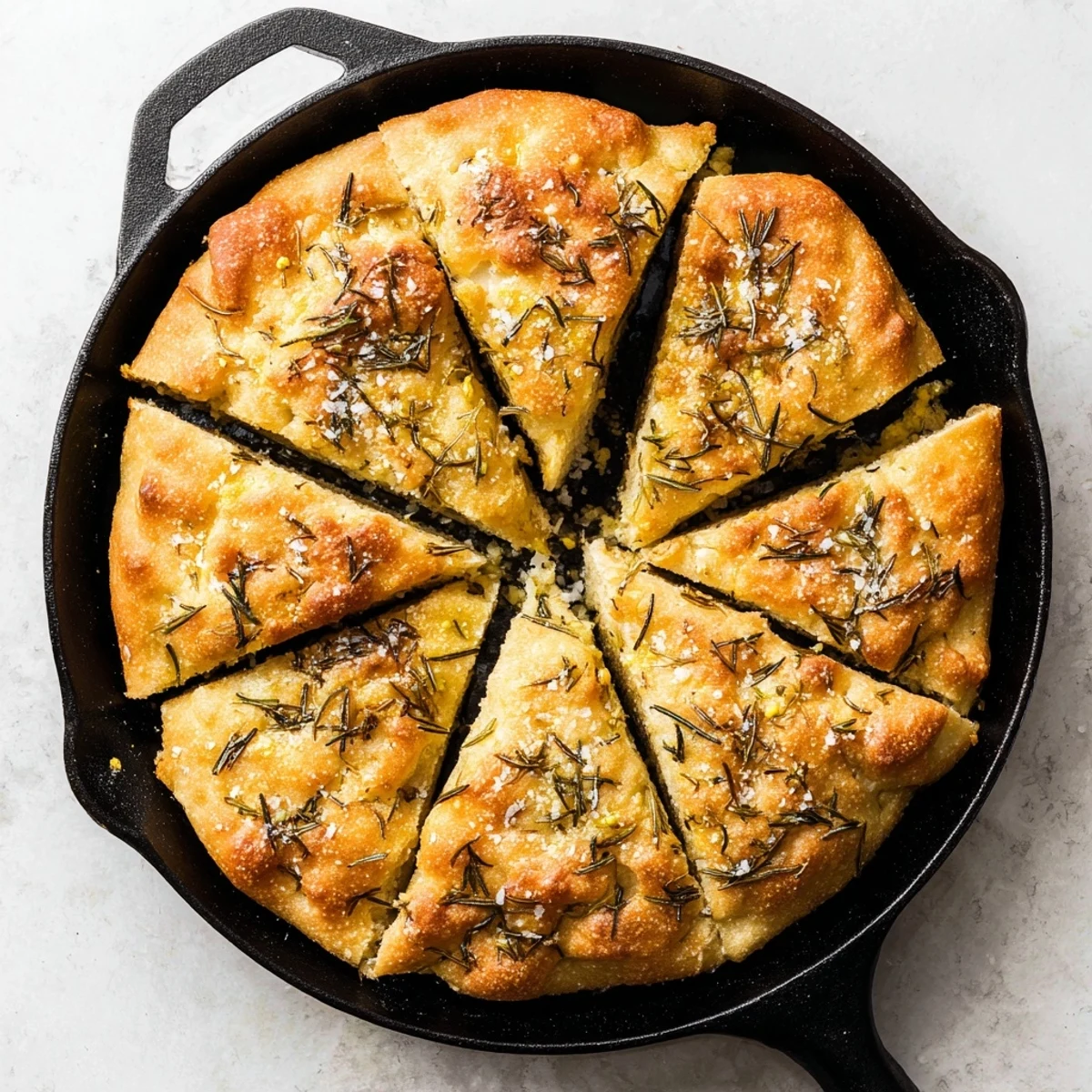
Save This rustic skillet bread combines the robust flavors of roasted garlic and fresh rosemary in a tender, chewy loaf. Baked in a cast iron skillet, it develops irresistibly crisp edges while maintaining a soft, airy crumb. The dough comes together quickly and requires just one rise, making it accessible for home bakers of all skill levels. Perfect alongside soups, stews, or simply dipped in olive oil, this aromatic bread becomes a centerpiece that brings everyone to the table.
The smell of garlic and rosemary hitting hot olive oil still takes me back to my first apartment kitchen, where I learned that simple ingredients could create something extraordinary. I made this bread on a rainy Tuesday when comfort food was the only thing that mattered, and my roommate wandered in from her room asking what smelled so incredible. We tore through half the loaf standing right there at the counter, steam rising between our fingers, talking about everything and nothing until the bread was gone and the rain had stopped.
Last winter I brought this to a dinner party where the host was already stressed about serving eight people. The bread came out of the oven just as guests were arriving, and suddenly the kitchen became the gathering spot. Someone pulled out a small block of good cheese, another found olives in the fridge, and we all ended up eating around the skillet with wine glasses in hand, the bread disappearing faster than anyone could believe.
Ingredients
- Bread flour (3 cups/375 g): Higher protein content than all purpose gives this bread structure and chew, creating that satisfying tear when you pull apart a slice
- Active dry yeast (2 1/4 tsp/7 g): Make sure your water feels warm to the touch but not hot, around 110°F works perfectly to wake up the yeast without killing it
- Warm water (1 1/4 cups/300 ml): The temperature matters more than you might think, too cold and the bread takes forever to rise, too hot and the yeast dies
- Salt (1 1/2 tsp): Do not reduce this amount, salt is what balances the garlic and keeps the bread from tasting bland
- Olive oil (3 tbsp total): Extra virgin gives the best flavor, and brushing the top before baking creates that gorgeous golden crust everyone loves
- Fresh rosemary (2 tbsp, chopped): Fresh herbs make a huge difference here, dried rosemary can taste woody and bitter in this quantity
- Garlic (4 cloves, minced): Roasting the cloves first creates a sweeter, mellower flavor that blends beautifully into the dough
- Flaky sea salt (1/2 tsp): This finishing touch adds little bursts of saltiness that make each bite interesting
Instructions
- Wake up the yeast:
- Whisk warm water and yeast in a large bowl, then step away for exactly five minutes while it transforms into a foamy layer on top
- Build the dough:
- Add flour and salt, mixing until shaggy dough forms, then knead for 5 to 7 minutes until smooth and slightly tacky to the touch
- Add the magic:
- Drizzle in olive oil, chopped rosemary, and minced garlic, then knead just enough to distribute everything evenly throughout the dough
- Let it rise:
- Place dough in a greased bowl, cover with a damp towel, and find the warmest spot in your kitchen for one hour until it has doubled in size
- Prepare the skillet:
- Coat your 10 inch oven safe skillet generously with olive oil, turning it so every surface is slick and ready for the dough
- Shape and rise again:
- Press dough gently into the prepared skillet, cover, and let it rest for another 25 to 30 minutes while you preheat the oven to 425°F
- Add the finishing touches:
- Brush the top with remaining olive oil and scatter flaky sea salt across the surface, pressing it lightly so it sticks
- Bake to golden perfection:
- Slide the skillet into the hot oven for 30 to 35 minutes until the top is deep golden and the bread sounds hollow when tapped
- Rest and serve:
- Let the bread cool in the skillet for just 10 minutes before slicing, though tearing pieces off while still warm is completely acceptable
 Save
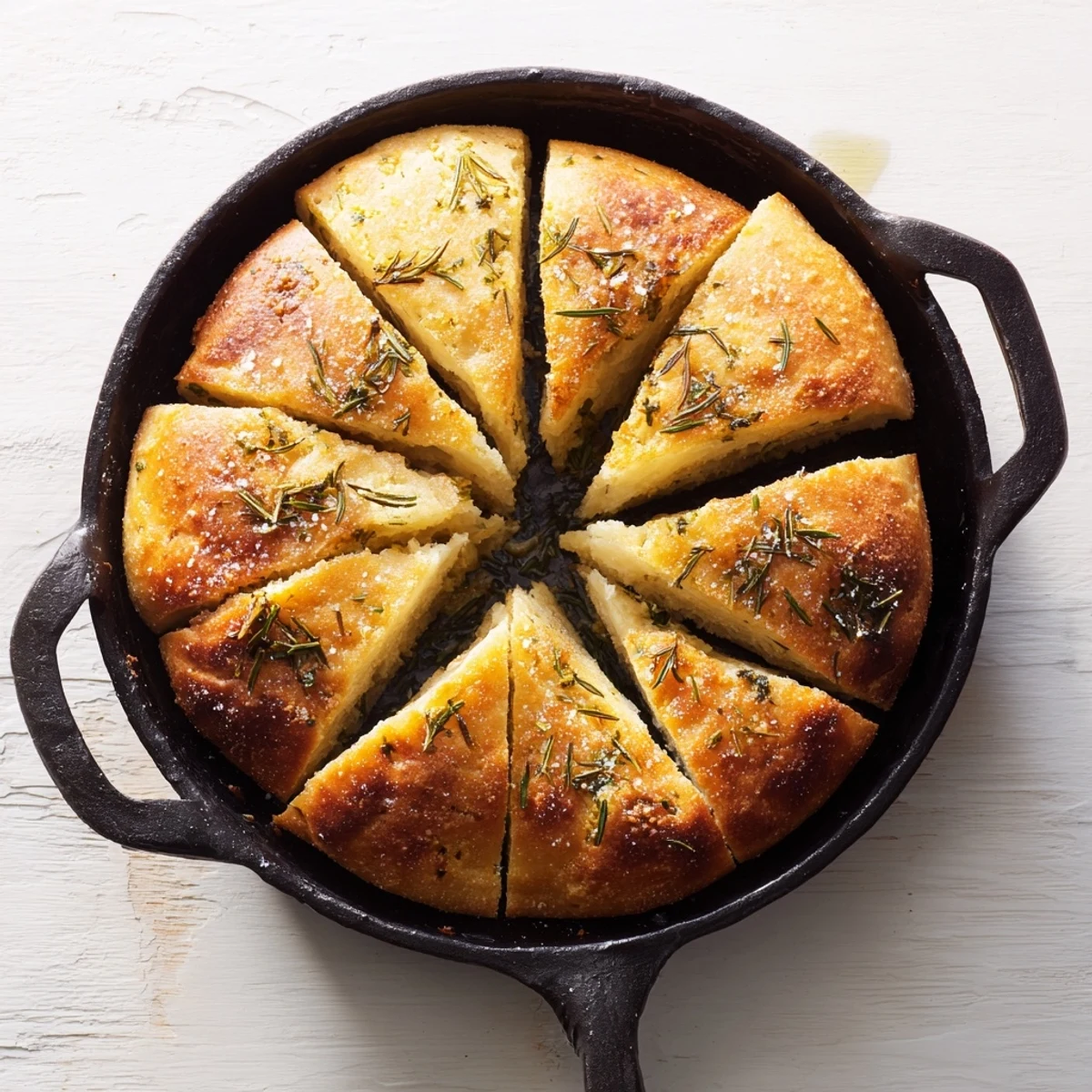
Save My grandmother would have loved this recipe, though she probably would have added more garlic. She taught me that bread making is about patience and trust, watching dough transform from something shaggy and unpromising into this beautiful risen loaf that feeds people and brings them together. Every time I make this skillet bread, I think of her standing in her kitchen, hands dusted with flour, telling me that the best recipes are the ones you share.
Making It Your Own
Sometimes I add chopped sun dried tomatoes along with the garlic, which turns this into the perfect accompaniment for pasta night. Other times I have swapped in fresh thyme or sage when rosemary was not available, and each variation brings its own character to the bread. The key is keeping the ratios the same so the texture stays consistent.
Timing Your Bake
This bread is best served within a few hours of baking, though I have been known to toast leftovers the next morning and slather them with butter and jam. The crust softens overnight but the flavor actually develops more complexity, so do not feel like you need to finish the whole loaf in one sitting.
Pairing Suggestions
Soup nights were practically invented for this bread, especially tomato, potato leek, or any hearty bean soup that needs something substantial for dipping. I also love it alongside roasted chicken or as the base for an impromptu bruschetta when fresh tomatoes are in season.
- Try grilling leftover slices and rubbing them with cut garlic for a quick crostini appetizer
- Cubed and toasted, this bread makes excellent croutons that stay crunchy in salads
- Wrap cooled bread tightly and freeze for up to a month, then refresh in a 350°F oven for 10 minutes
 Save
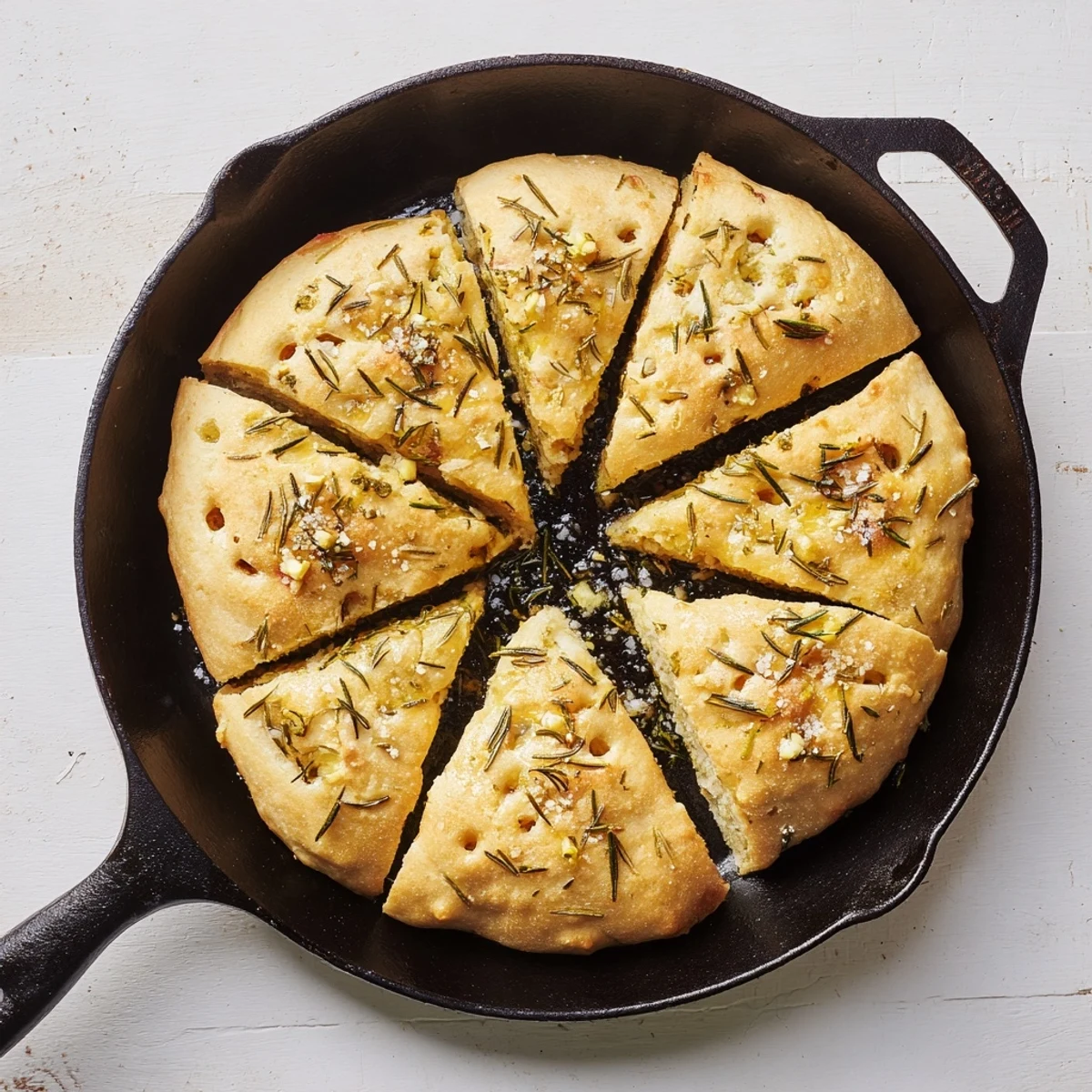
Save There is something deeply satisfying about pulling a loaf of bread from the oven that you made with your own hands, especially when it fills the whole house with that incredible garlic rosemary scent. Share this bread with people you love, and do not be surprised when they ask for the recipe.
Recipe FAQs
- → Can I use dried rosemary instead of fresh?
-
Yes, you can substitute dried rosemary, but use only one-third the amount since dried herbs are more concentrated. Rehydrate the dried rosemary in warm water for 10 minutes before adding to the dough for better texture.
- → What can I use if I don't have a cast iron skillet?
-
Any oven-safe 10-inch skillet will work, including stainless steel or ceramic. Alternatively, use a round cake pan or baking sheet, though you may lose some of the characteristic crisp bottom crust that cast iron provides.
- → Can I make the dough ahead of time?
-
Absolutely. After the first rise, punch down the dough and refrigerate it for up to 24 hours. When ready to bake, bring it to room temperature for 30 minutes, then proceed with shaping and the second rise.
- → Why did my bread turn out dense?
-
Dense bread usually results from under-kneading, which doesn't develop enough gluten structure, or over-proofing, which causes the dough to collapse. Ensure you knead for the full 5–7 minutes until the dough is smooth and elastic, and watch for the dough to double—not triple—in size during rising.
- → Can I add cheese to this bread?
-
Certainly. Incorporate 1 cup of grated Parmesan or shredded sharp cheddar during the final kneading. The cheese will add savory depth and create beautiful pockets throughout the crumb.