
 Save
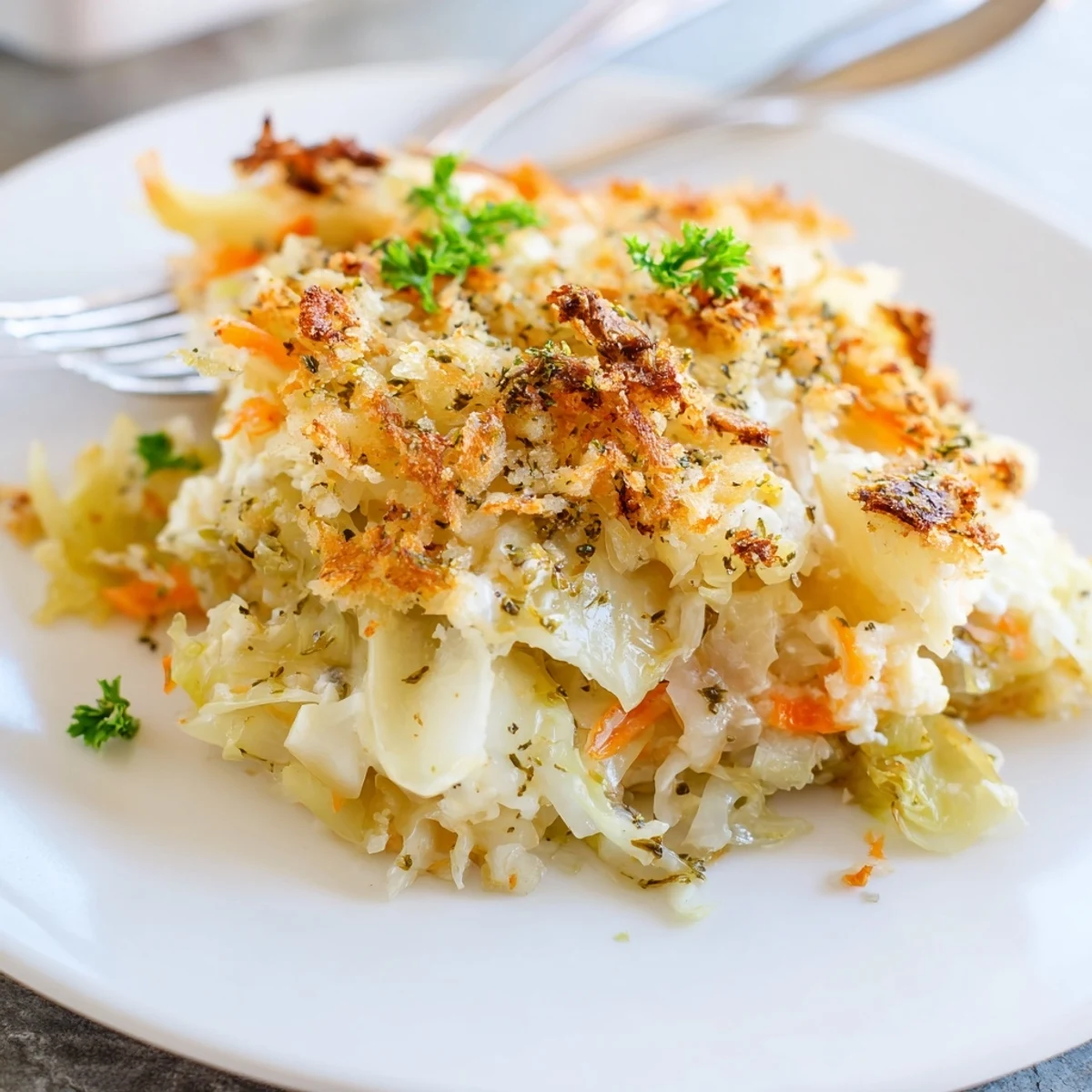
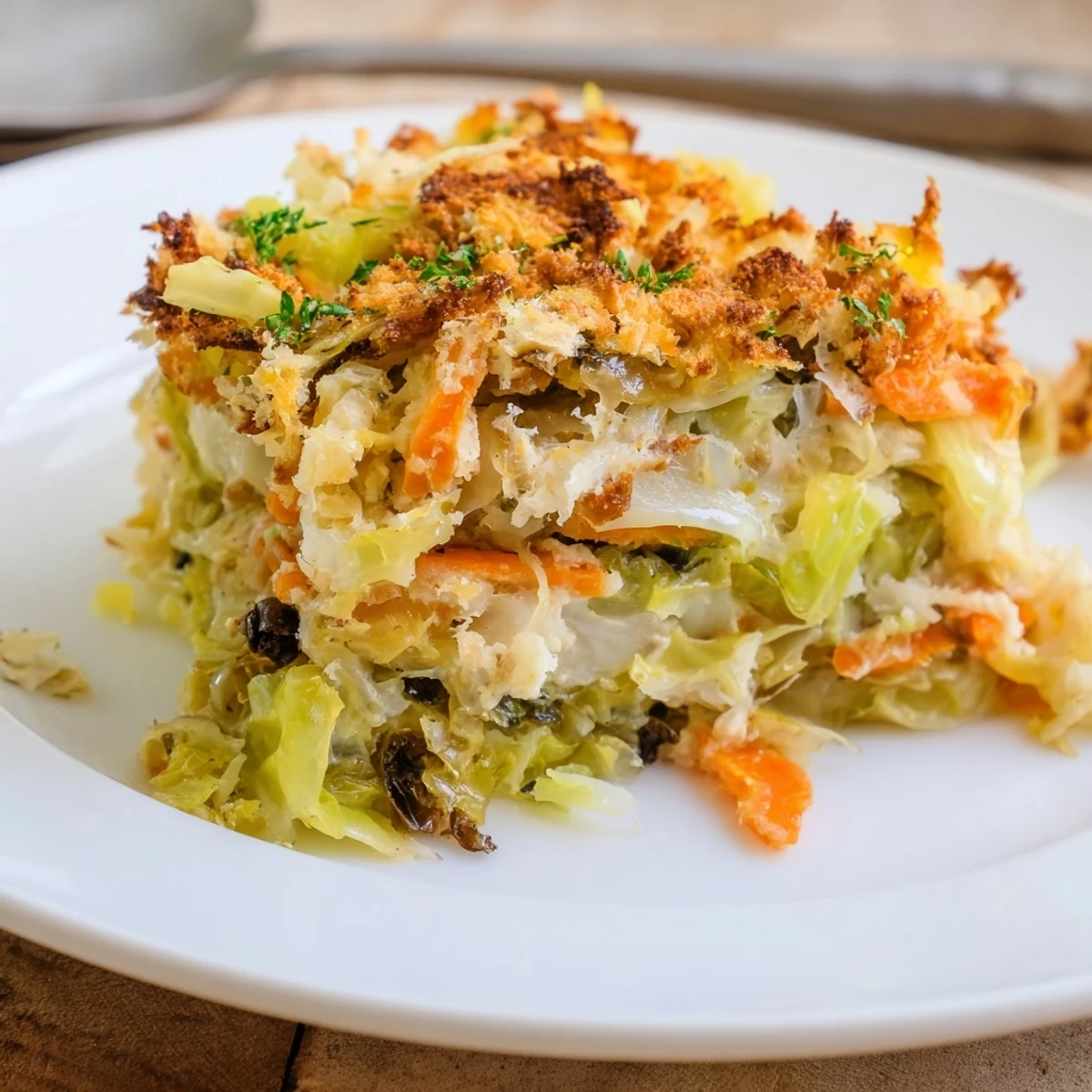
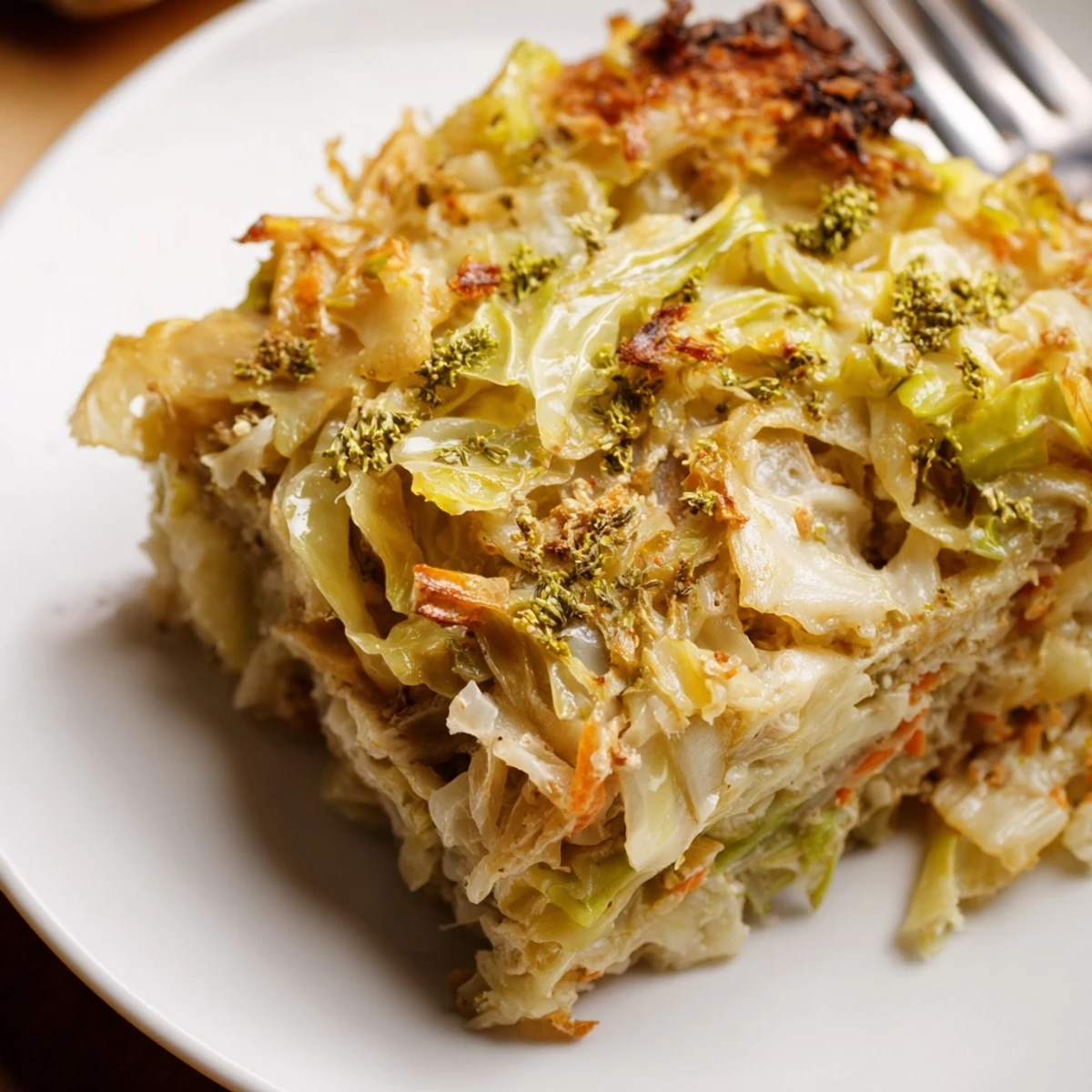
Save Slow-roasted cabbage and tangy sauerkraut are layered with sautéed onion, garlic and grated carrot, then bound in a creamy mix of sour cream, eggs and vegetable broth. Covered and roasted low and slow for 90 minutes, the dish is finished with buttered breadcrumbs and returned to the oven until the top is golden. Serves six; offers tender, savory layers with a crisp, nutty crust—ideal for cozy family meals or as a hearty side.
The cabbage section at the farmers market always gets ignored, and honestly that used to include me. Then one rainy Saturday I grabbed a massive head on a whim, drove home with it rolling around the passenger seat, and spent the next two hours figuring out what to do with it. That afternoon birthed this casserole, and now my grocery cart is never without one.
My neighbor Kurt stopped by during a snowstorm last January right as I pulled this from the oven, and he stood in the doorway sniffing the air like a cartoon character. He stayed for two helpings and now texts me every time it drops below freezing to ask if Im making the cabbage thing.
Ingredients
- 1 medium green cabbage (about 2 lbs), cored and thickly sliced: The foundation of the dish, and you want thick slices so they hold their shape through the long roast and absorb flavor without turning to mush.
- 2 cups sauerkraut, drained and rinsed: This brings the tang that makes the whole casserole sing, but rinsing keeps it from overpowering everything else.
- 1 large onion, thinly sliced: Sweetness and depth, cooked down first so they melt into the layers beautifully.
- 3 garlic cloves, minced: Just enough aromatic punch without stealing the show from the cabbage.
- 2 medium carrots, grated: They add subtle sweetness and a nice fleck of color throughout the layers.
- 1 cup sour cream: The secret weapon that creates a silky custard when baked with the eggs and broth.
- 2 large eggs: Binds the sour cream mixture into something creamy and cohesive rather than soupy.
- 3 tbsp olive oil: One tablespoon for the dish and two for sauteing the aromatics.
- 1 cup vegetable broth: Thins the sour cream mixture just enough to seep through every cabbage layer.
- 1 tsp caraway seeds (optional): Totally optional but they add that unmistakable German bakery warmth that ties the whole thing together.
- Salt and freshly ground black pepper, to taste: Season between layers so every bite is balanced, not just the top.
- 1 cup breadcrumbs (use gluten free if desired): Soaks up the butter and forms that irresistible golden crust on top.
- 2 tbsp melted butter: Tossed with the breadcrumbs to guarantee a crisp, evenly browned finish.
Instructions
- Set the stage:
- Preheat your oven to 325°F and grease a large casserole dish with one tablespoon of olive oil, making sure to coat the corners where things love to stick.
- Wake up the aromatics:
- In a large skillet, heat the remaining olive oil over medium heat and cook the sliced onion until it softens and turns translucent, about five minutes. Toss in the garlic and grated carrots for two more minutes until everything smells incredible and the carrots just barely soften.
- Build the layers:
- Lay half the cabbage slices in the casserole dish, then spread half the sauerkraut over them followed by half the sauteed vegetable mixture. Season with salt, pepper, and caraway seeds if using, then repeat the whole sequence with the remaining ingredients.
- Pour the custard:
- Whisk together the sour cream, eggs, and vegetable broth in a bowl until completely smooth with no streaks, then pour it slowly and evenly over the entire casserole so it trickles down through every gap.
- Slow roast covered:
- Cover the dish tightly with aluminum foil and slide it into the oven for one hour and thirty minutes, letting everything steam and braise until the cabbage is fork tender.
- Prep the golden top:
- While you wait, stir the breadcrumbs together with the melted butter in a small bowl until every crumb glistens and the mixture looks like wet sand.
- Finish with a crunch:
- Remove the foil and scatter the buttered breadcrumbs evenly across the surface, then return the dish uncovered for another thirty minutes until the top is deeply golden and the edges are bubbling.
- Rest and serve:
- Let the casserole sit for ten minutes before cutting into it so the custard has time to settle and the layers hold together on the plate.
 Save
Save The first time I served this to my mother in law she went quiet after the first bite, and I panicked thinking I had ruined dinner. Then she asked for the recipe, and that silence turned into the highest compliment a cook can receive.
Serving Suggestions
This casserole loves company on the plate, and thick slices of toasted rye bread with a smear of sharp German mustard are its natural soulmates. A simple green salad with a vinaigrette cuts through the richness perfectly, and a cold pilsner beside it makes the whole meal feel like a proper German tavern dinner at home.
Storing and Reheating
Leftovers keep beautifully in the fridge for up to four days, and honestly the flavors deepen overnight as the sour cream custard continues to meld with the cabbage. Reheat individual portions in a 350°F oven for about fifteen minutes rather than the microwave, which makes the breadcrumb topping soggy and sad.
Variations Worth Trying
Once you have the basic layering technique down, this recipe bends willingly in other directions depending on what you have on hand or who is sitting at your table.
- For a vegan version, swap in plant based sour cream and replace the eggs with a flaxseed mixture, and use olive oil instead of butter for the topping.
- Diced smoked sausage or crispy bacon bits layered in with the sauerkraut turn this into a hearty main that would satisfy any committed carnivore.
- A handful of grated Gruyere cheese tucked between the layers adds a nutty richness that feels distinctly Alsation rather than strictly German.
 Save
Save Some dishes feed people and some dishes gather them, and this cabbage casserole has always been the second kind for me. Make it once and it will find a permanent spot in your cold weather rotation.
Recipe FAQs
- → Can I make a vegan version?
-
Yes. Substitute plant-based sour cream and replace eggs with a flaxseed or chia gel (1 tbsp ground flaxseed + 3 tbsp water per egg). Use olive oil instead of butter for the topping and choose vegan breadcrumbs or crushed nuts for crunch.
- → How do I keep the casserole from getting soggy?
-
Drain and briefly rinse the sauerkraut, sauté onions and carrots to remove excess moisture, and avoid adding extra liquid beyond the measured broth and sour cream. Roasting covered first then uncovering for the final bake helps evaporate excess liquid and crisps the top.
- → Is it easy to make gluten-free?
-
Yes. Swap regular breadcrumbs for gluten-free breadcrumbs or a mix of toasted gluten-free panko and crushed nuts. Check packaged sauerkraut and broth labels to ensure they are certified gluten-free.
- → Can I add meat or smoked sausage?
-
Absolutely. Diced smoked sausage, bacon, or kielbasa can be sautéed with the onions for added smokiness. Fold cooked meat into the layers before adding the sour cream and broth mixture to integrate flavors.
- → How should I store and reheat leftovers?
-
Cool to room temperature, then refrigerate in an airtight container for up to 3–4 days. Reheat covered in a 350°F (175°C) oven until warmed through, then uncover for a few minutes to refresh the breadcrumb crust; individual portions can be reheated in a skillet or air fryer for crisping.
- → What should I serve alongside it?
-
Serve with rye or crusty bread and a sharp mustard for contrast. Fresh parsley, a simple green salad, or roasted potatoes complement the tangy and creamy flavors nicely.