
 Save
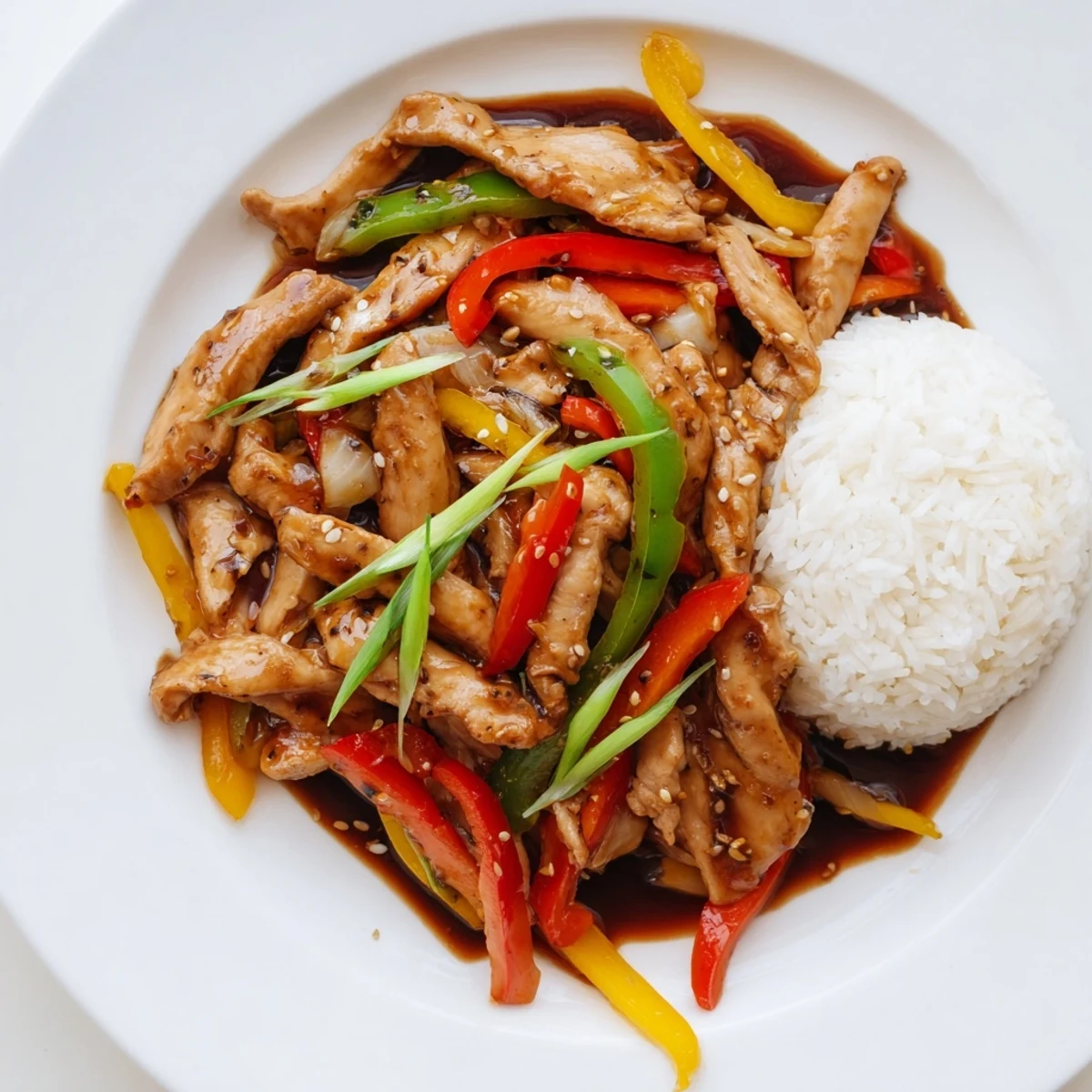
Save Ready in 25 minutes, this stir-fry pairs thinly sliced chicken with vibrant red, yellow and green bell peppers. A sauce of soy, oyster, hoisin, rice vinegar and cornstarch gives a glossy, savory finish; cook chicken quickly over high heat, set aside, then toss vegetables until tender-crisp. Return meat, add sauce, and heat until thickened. Serve with steamed rice and garnish with spring onions.
The sizzle of chicken hitting a screaming hot wok is one of those sounds that instantly pulls me into the present moment, no matter how chaotic the day has been. This pepper chicken stir fry came together one Tuesday when the fridge offered nothing but bell peppers and chicken, and twenty five minutes later I was convinced it belonged in permanent rotation. The sauce clings to every strip of meat and vegetable like it was meant to be there, savory and slightly sweet with a peppery kick that wakes up your palate.
My partner walked into the kitchen mid stir fry and stood there watching the peppers char slightly at the edges, asking if we had ordered takeout without telling him. That reaction alone was worth the ten minutes of prep.
Ingredients
- 500 g boneless skinless chicken breast, thinly sliced: Slice against the grain on a slight bias for the most tender bites, and partially freezing the chicken for fifteen minutes makes cutting paper thin strips almost effortless.
- 1 red, 1 yellow, and 1 green bell pepper, sliced: The trio gives visual appeal and slightly different sweetness levels, but use whatever colors you have.
- 1 small onion, sliced: A quiet background sweetness that balances the assertive sauce.
- 2 garlic cloves, minced: Fresh is nonnegotiable here, the jarred stuff gets lost in a stir fry this fast.
- 2 spring onions, sliced: Saved for garnish, they add a fresh sharp bite at the end.
- 2 tbsp soy sauce: The backbone of the sauce, use tamari or a certified gluten free brand if needed.
- 1 tbsp oyster sauce: Adds a deep savory richness that ties everything together.
- 1 tbsp hoisin sauce: A touch of sweetness and complexity that rounds out the flavors.
- 1 tbsp rice vinegar: Just enough acidity to brighten the whole dish.
- 1 tsp freshly ground black pepper: Do not skimp on this, freshly cracked makes a real difference in a sauce this simple.
- 1 tsp corn starch: This plus the water creates the silky coating.
- 60 ml water: Thin the sauce just enough so it coats without turning gummy.
- 1 tbsp sesame oil: Added to the vegetables for a nutty warmth that vegetable oil alone cannot give.
- 1 tbsp vegetable oil: A neutral oil with a high smoke point is essential for the initial chicken sear.
Instructions
- Mix the sauce first:
- Whisk together soy sauce, oyster sauce, hoisin, rice vinegar, black pepper, corn starch, and water in a small bowl until smooth. Give it another stir right before pouring, because the corn starch settles fast.
- Sear the chicken hard:
- Heat vegetable oil in your wok or large skillet over high heat until it just starts to shimmer and smoke. Add the sliced chicken in a single layer and let it sit undisturbed for a minute before tossing, then stir fry three to four minutes until golden and just cooked through, then remove to a plate.
- Work the vegetables:
- In the same wok, pour in the sesame oil and toss in the onion and all the bell peppers, stir frying two to three minutes so they pick up some color but stay crisp. Add the minced garlic and keep everything moving for another thirty seconds until you can smell it bloom.
- Bring it all home:
- Slide the chicken back into the wok, pour the sauce over everything, and toss vigorously for two to three minutes. The sauce will bubble and thicken into a glossy glaze that coats every strip and slice.
- Finish and serve:
- Scatter the sliced spring onions across the top and serve immediately over steamed rice or noodles while everything is piping hot and the peppers still have their snap.
 Save
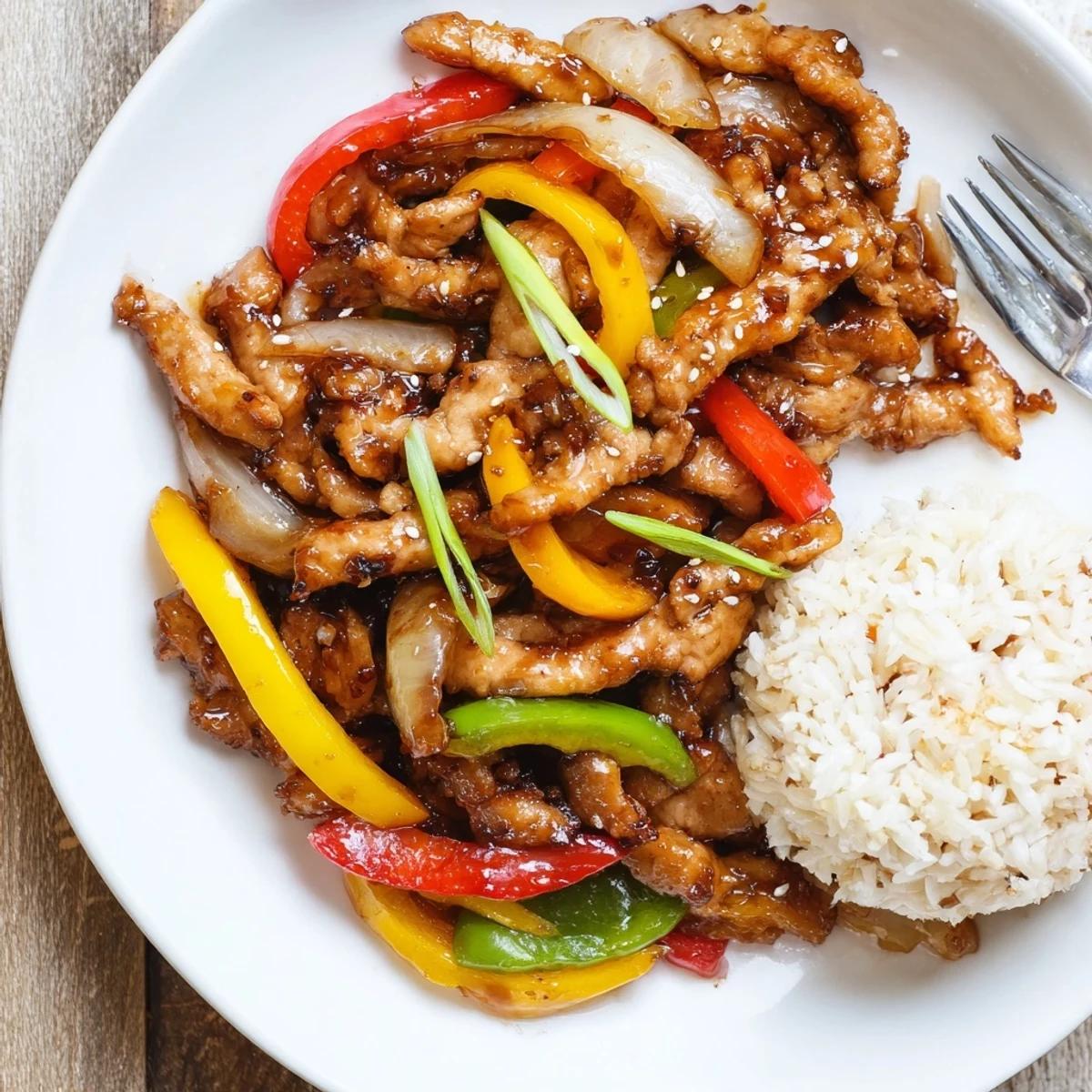
Save There is something deeply satisfying about lifting a wok full of brightly colored vegetables and glistening chicken onto plates and knowing it took less time than waiting for delivery.
Swaps and Shortcuts
Snap peas, broccoli florets, or julienned carrots all step in beautifully for the bell peppers if you want a different crunch. A pinch of chili flakes or a squirt of sriracha in the sauce takes the heat up without changing the character of the dish.
Getting the Wok Timing Right
Everything in a stir fry moves quickly, so having every ingredient prepped and within arm reach before you turn on the heat is not optional, it is the whole game. Once the wok is hot you will not have time to mince garlic or slice peppers.
Serving It Up
Jasmine rice is my default because the floral aroma pairs so well with the pepper sauce, but brown rice or even thick udon noodles make it feel like a different meal entirely.
- Leftovers reheat surprisingly well in a skillet with a splash of water.
- A fried egg on top turns a small portion into something deeply satisfying.
- Double the sauce if you love extra to drizzle over rice.
 Save
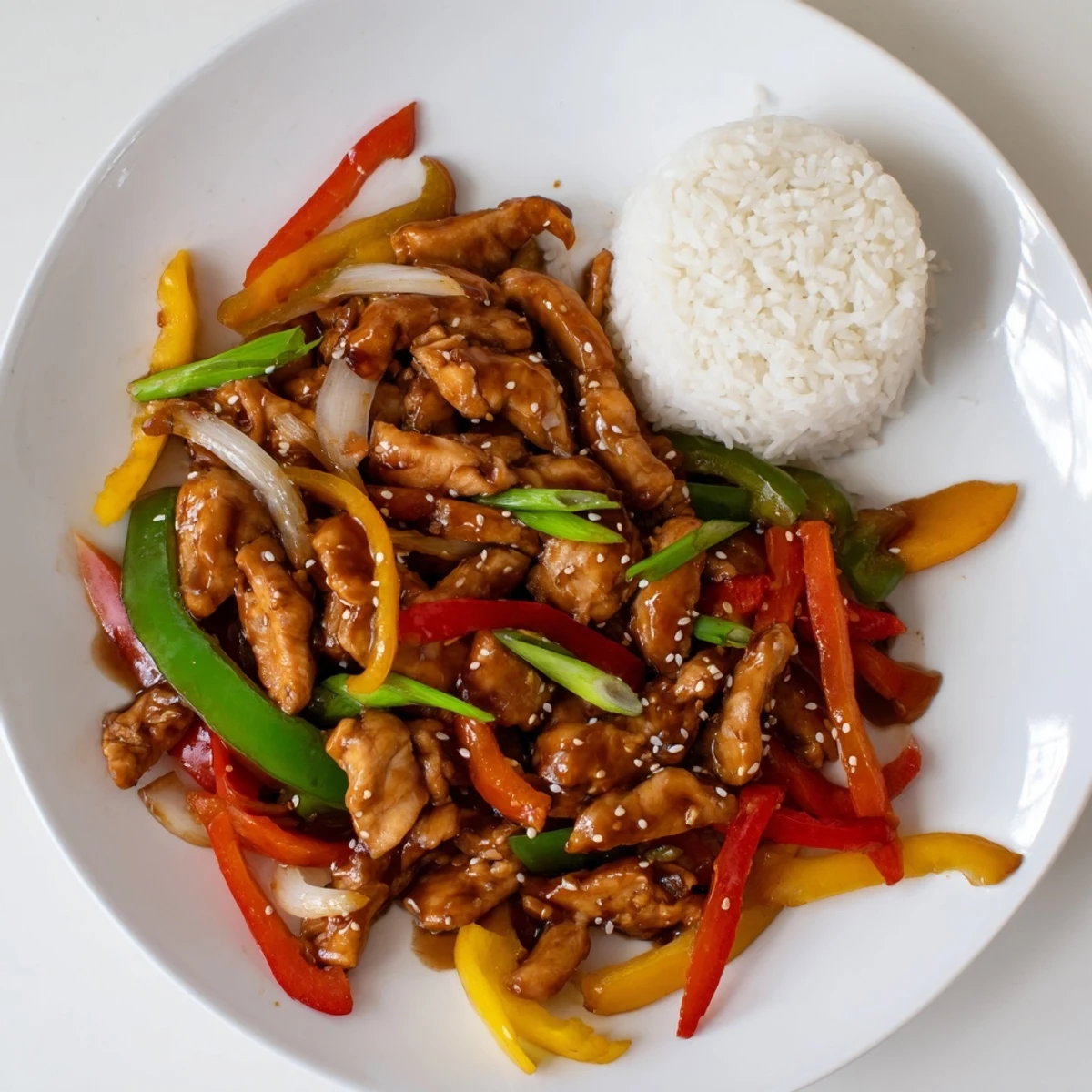
Save This is the kind of recipe that makes weeknight cooking feel less like a chore and more like a small, colorful victory worth celebrating at the table.
Recipe FAQs
- → How do I keep the chicken tender?
-
Slice the breast thinly across the grain and stir-fry over high heat just until cooked through. Removing the chicken briefly while you cook the vegetables prevents overcooking. A light coating of cornstarch mixed with soy sauce before cooking helps retain moisture and gives a silky finish.
- → Can I swap the bell peppers for other vegetables?
-
Yes. Snap peas, broccoli florets, sliced carrots or baby corn work well. Add denser vegetables earlier and tender-crisp items like peppers and onions toward the end so everything finishes at the right texture.
- → How do I get a glossy, thickened sauce?
-
Mix cornstarch with cold water to make a slurry before adding it to the sauce. Pour the sauce into the hot wok and stir until it simmers and thickens; a brief cook will produce a glossy coating without becoming gloopy.
- → How can I make this gluten-free?
-
Substitute gluten-free tamari or soy sauce and choose a gluten-free oyster alternative or omit it. Check labels on hoisin or use a tamari-based sweet sauce to keep the flavor profile while avoiding gluten.
- → What oils are best for high-heat stir-frying?
-
Use neutral oils with high smoke points such as vegetable, canola, or peanut oil for the main sear. Finish with a small drizzle of sesame oil off the heat to add aromatic depth without burning.
- → How can I add heat without overpowering the dish?
-
Start with a pinch of chili flakes or diced fresh chili added with the garlic, or stir a small amount of chili paste into the sauce. Taste and increase gradually to keep balance with the sweet-salty elements.