
 Save
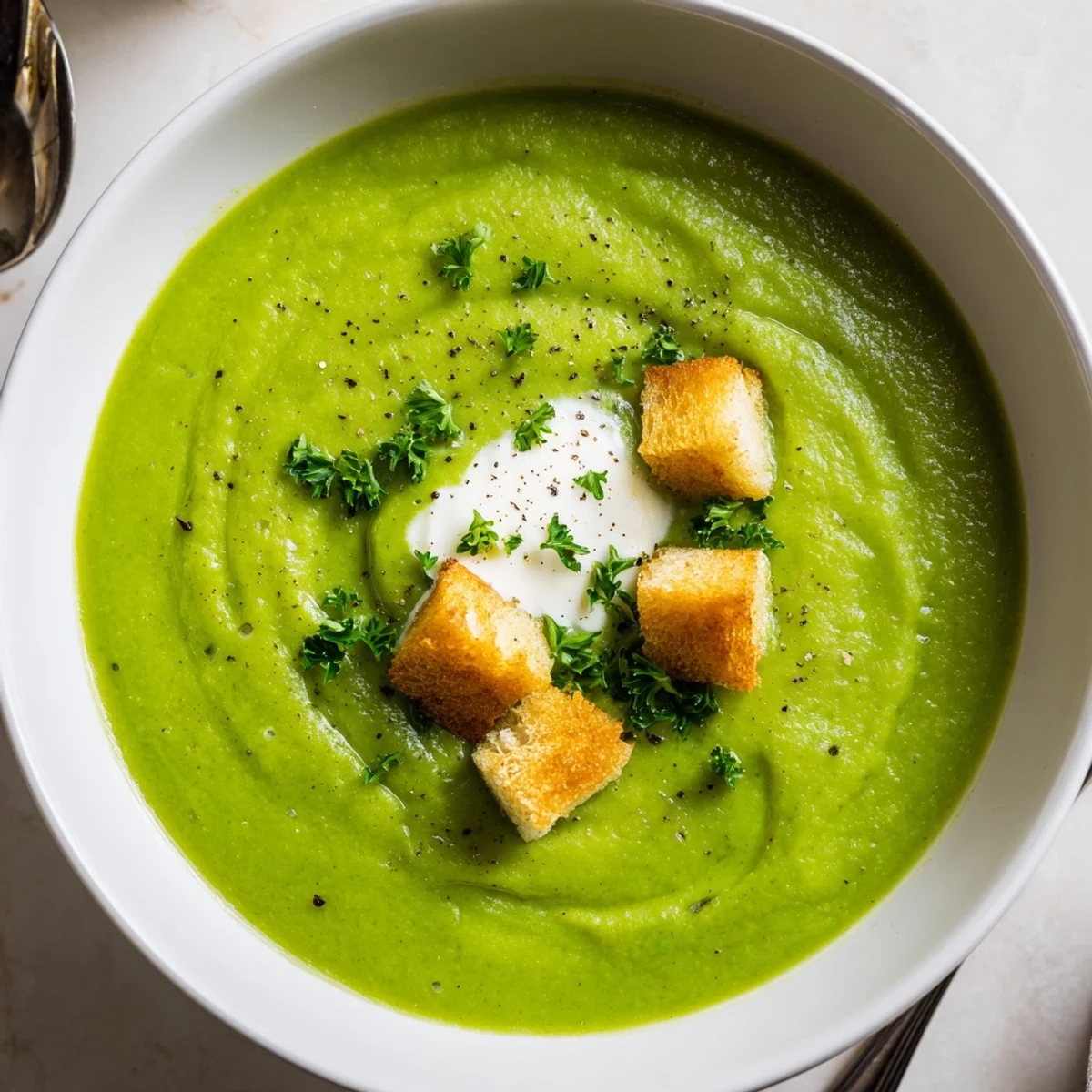
Save This vibrant pea soup starts with sautéed onion, garlic, carrots and celery, then simmered with green peas, thyme and vegetable broth until tender. Purée until silky, stir in chopped parsley and season to taste. Garnish with a dollop of crème fraîche or yogurt and croutons or crusty bread. For variation, add smoked paprika or mint, or strain for extra silkiness.
The rain was hammering against the kitchen window and I had a bag of frozen peas sitting in the freezer with no plan attached to them. Forty minutes later I was holding a bowl of something so green and velvety it looked like it belonged in a magazine. My neighbor stopped by to borrow sugar, took one spoonful from the pot, and went home without the sugar but with the recipe scribbled on the back of an envelope. That pot of pea soup turned a dreary Tuesday into something worth remembering.
I started making this regularly after my daughter declared she hated peas, then watched her drain a second bowl without realizing what was in it. There is something deeply satisfying about watching a skeptic become a believer between spoonfuls. Now she asks for green soup every time the temperature drops below ten degrees.
Ingredients
- Olive oil: Just a tablespoon is enough to soften the aromatics without weighing the soup down.
- Onion: One medium onion, finely chopped, creates the sweet foundation everything else builds on.
- Garlic: Two cloves, minced, added later so nothing burns and turns bitter.
- Carrots: Two medium, diced small so they cook evenly and add gentle sweetness.
- Celery: One stalk, diced, brings a quiet savory note that you would miss if it were gone.
- Green peas: 500 g frozen or fresh, the star of the bowl, and frozen works beautifully here.
- Vegetable broth: One liter gives the soup body without overpowering the peas.
- Dried thyme: One teaspoon adds an earthy warmth that ties the sweetness together.
- Fresh parsley: Two tablespoons chopped, stirred in at the end so it stays bright and grassy.
- Salt and pepper: To taste, but do not skimp because peas need seasoning to truly shine.
- Crème fraîche or yogurt: Optional, but a dollop on top makes it feel like restaurant food.
- Croutons or crusty bread: For dipping, crunching, and mopping the bowl clean.
Instructions
- Wake up the aromatics:
- Heat the olive oil in a large pot over medium heat and add the onion, stirring until it turns glassy and soft, about three minutes. You will know it is ready when the kitchen smells like something good is about to happen.
- Build the flavor base:
- Toss in the garlic, carrots, and celery, then sauté for five minutes until the edges soften and the colors deepen. Keep the heat moderate so the garlic never browns.
- Let it simmer:
- Pour in the peas, broth, and thyme, bring everything to a rolling boil, then drop the heat and let it burble away for twenty minutes. The peas should be tender and yielding when you press one against the side of the pot.
- Blend until silky:
- Use an immersion blender right in the pot and purée until completely smooth, or work in batches with a standard blender if that is what you have. Stop when the soup looks uniformly vibrant and no chunks remain.
- Finish with freshness:
- Stir in the chopped parsley and season generously with salt and pepper, then heat through for another minute. Taste it before you serve because this is your last chance to adjust.
- Make it beautiful:
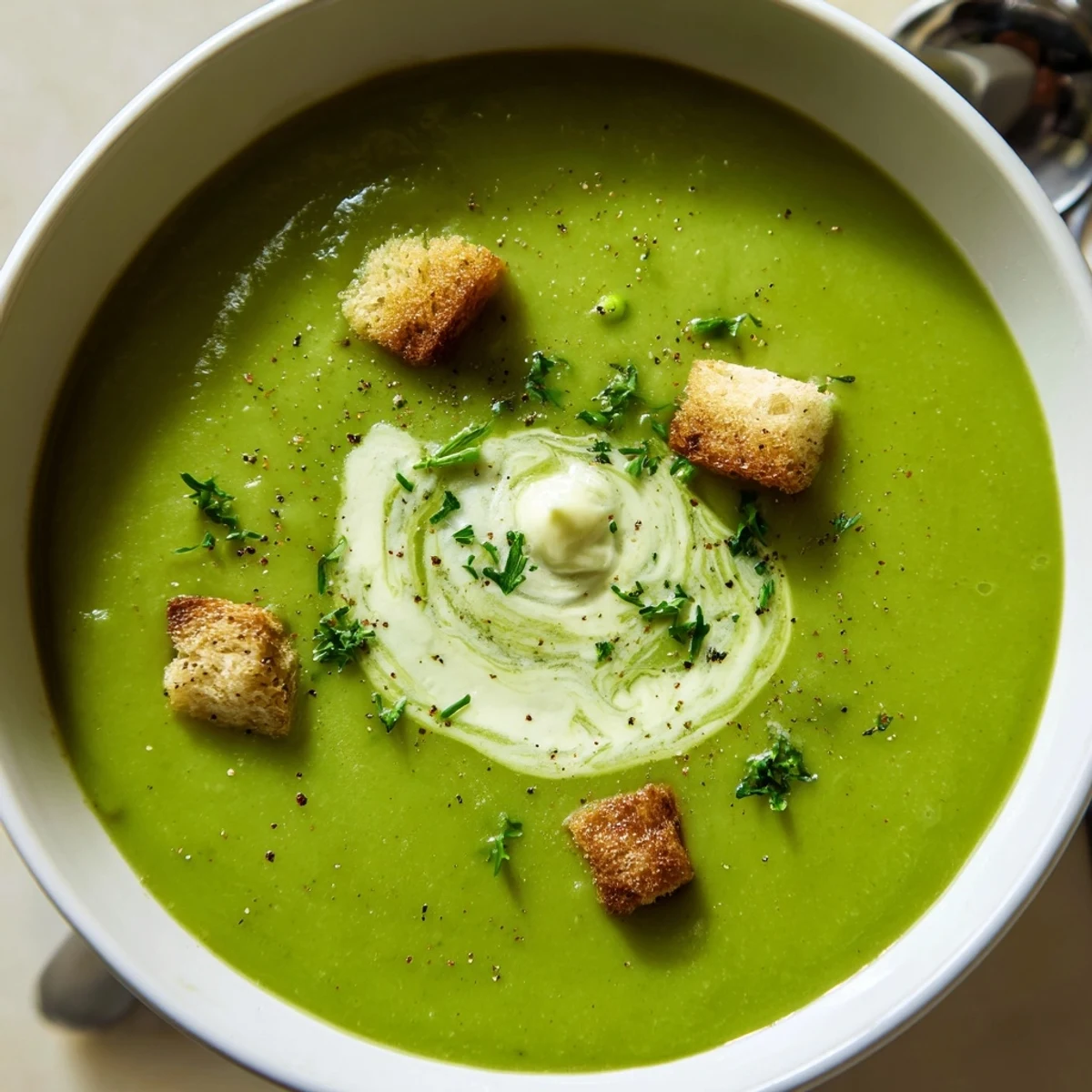
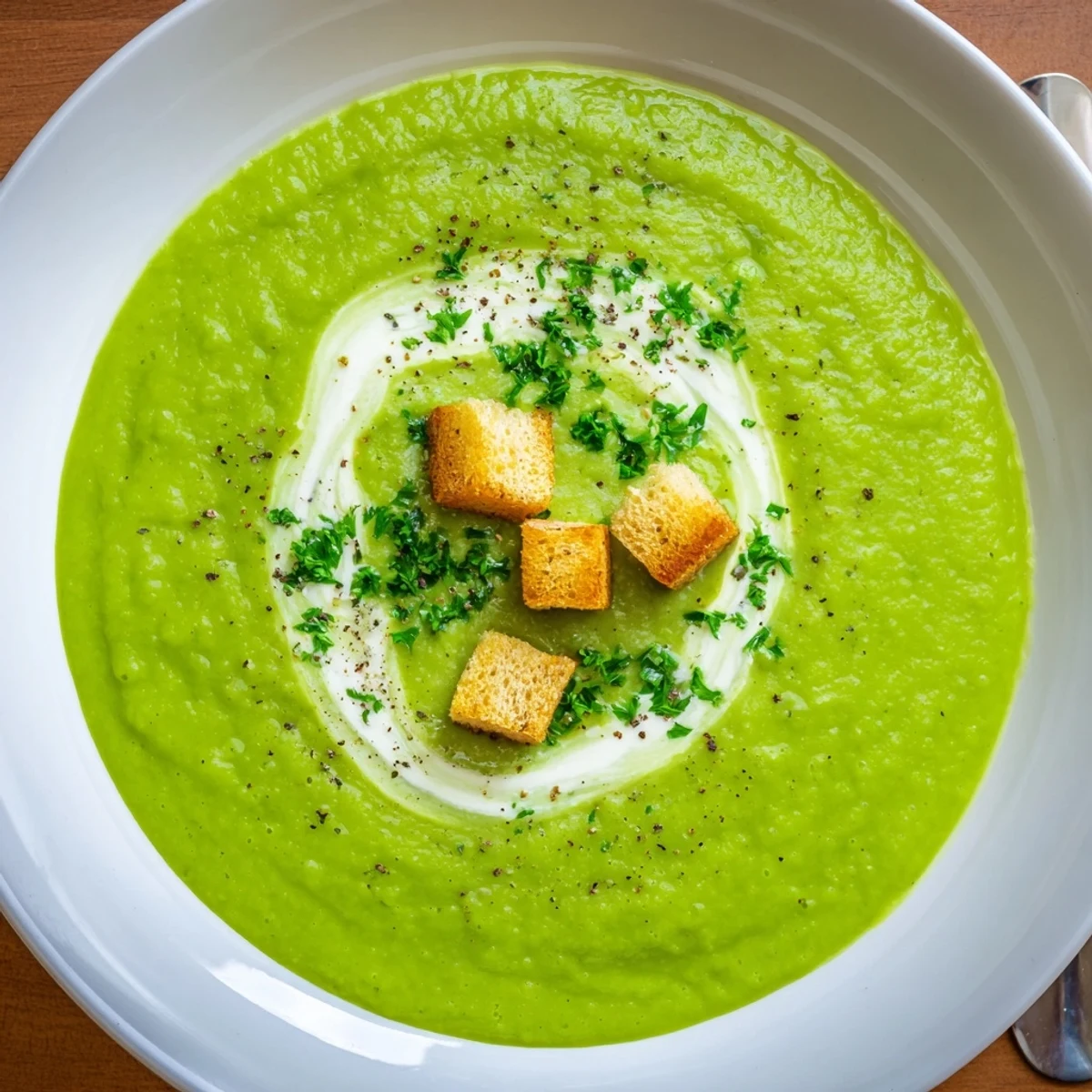
- Ladle into warm bowls and swirl a spoonful of crème fraîche on top with extra parsley if you are feeling fancy. Hand around crusty bread and watch people go quiet over their bowls.
 Save
Save The best pot of this I ever made was in a rental cabin with a blender that barely worked and a wooden spoon that was missing half its handle. It was lumpy and imperfect and we ate it sitting on the floor because there were not enough chairs. Sometimes the food you did not plan is the meal you remember most.
Keeping It Simple and Adaptable
This soup handles substitutions gracefully, so do not stress if you are missing something. Swap the thyme for a bay leaf, use chicken broth instead of vegetable, or toss in a potato for extra body. The only thing I would not change is the peas.
Storing and Reheating Like a Pro
It keeps beautifully in the fridge for up to four days and actually tastes better on day two when the flavors have settled. Freeze individual portions in sealed containers for up to three months and reheat gently on the stove with a splash of broth or water to loosen it back up.
Tools You Will Want Handy
You do not need much to make this soup happen, but a few things make the process smoother and less messy.
- A heavy bottomed soup pot distributes heat evenly and prevents scorching on the bottom.
- An immersion blender saves you from transferring hot soup in batches and washing an extra appliance.
- Always let the soup cool slightly before blending in a standard blender to avoid dangerous splatters.
 Save
Save Keep this recipe in your back pocket for the nights when you want something warm without any fuss. A bowl of pea soup and good bread is really all a person needs.
Recipe FAQs
- → Can I use frozen peas instead of fresh?
-
Yes. Frozen peas are convenient and retain color and sweetness well; add them straight to the simmering broth and cook until tender.
- → How do I achieve a silky texture?
-
Blend until completely smooth with an immersion or countertop blender, then optionally pass through a fine sieve for extra silkiness.
- → What herbs and seasonings work best?
-
Thyme and fresh parsley highlight the peas; a pinch of smoked paprika or a few mint leaves can add a pleasant twist.
- → How can I make this dairy-free or vegan?
-
Skip the crème fraîche topping or use a plant-based alternative; the soup itself is naturally dairy-free when not garnished.
- → How should I store and reheat leftovers?
-
Cool to room temperature, refrigerate in a sealed container for up to 3 days. Reheat gently on the stove, adding a splash of broth if needed.
- → Can I add proteins or bulk it up?
-
Stirring in cooked grains, diced tofu, or crisped pancetta at serving adds texture and protein; adjust seasoning accordingly.