 Save
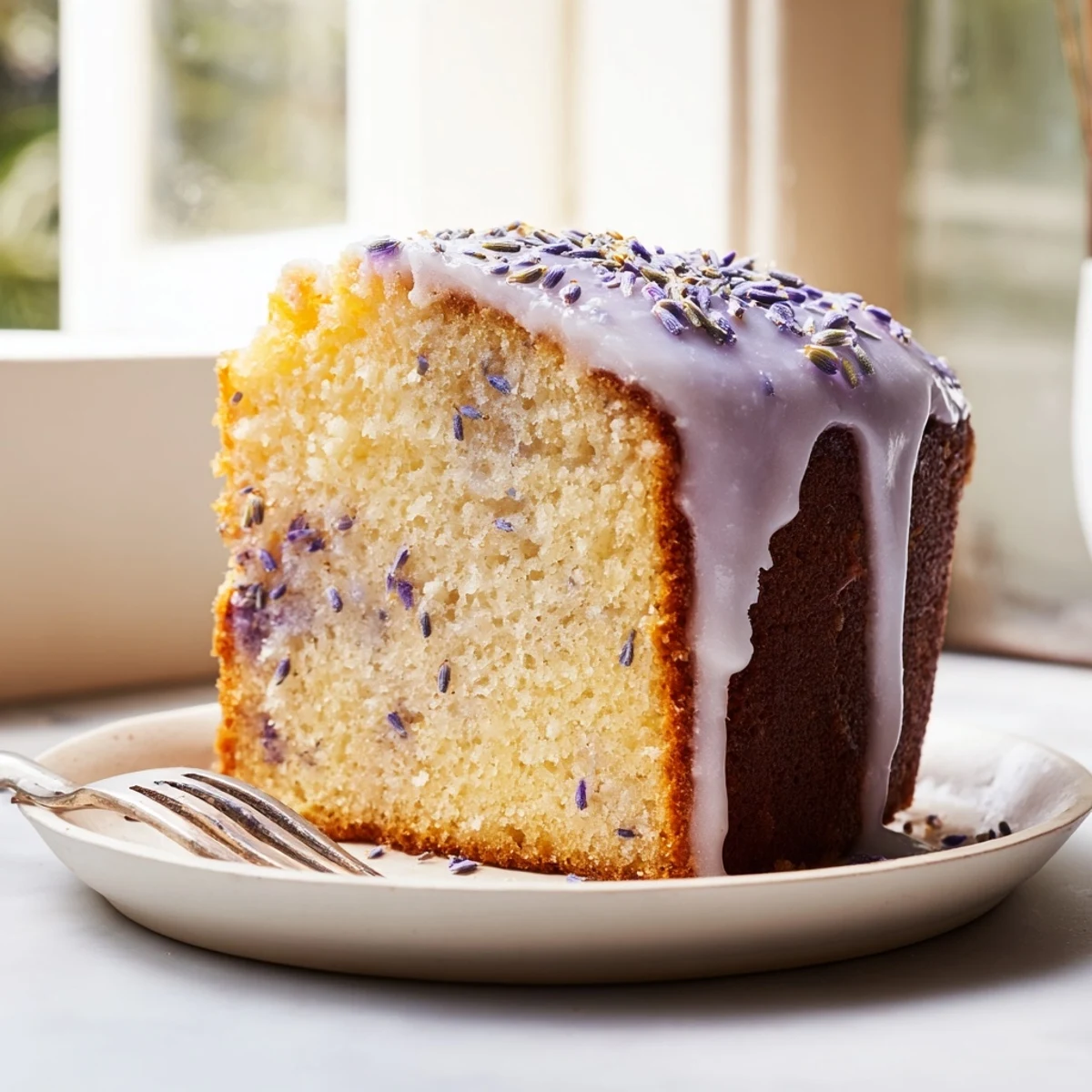
Save This delicate lavender cake brings the essence of spring to your table with fragrant culinary lavender buds woven throughout a tender, moist crumb. The floral notes balance beautifully with a bright lemon glaze, while an optional lavender syrup adds extra moisture and intensified aroma.
Ready in under an hour, this elegant European-style dessert serves eight and pairs wonderfully with Earl Grey tea for afternoon gatherings. The medium-difficulty preparation rewards you with a stunning centerpiece that captures the aromatic magic of lavender season.
The first time I baked with lavender, I accidentally used twice the amount called for and ended up with a cake that tasted like walking through a perfume shop. My husband took one bite and politely suggested it might be better as potpourri. That disaster taught me that lavender is a shy ingredient that needs restraint to truly shine.
Last summer I made this for my book club, and one friend actually stopped mid conversation to ask what bakery I visited. When I told her I baked it myself, she demanded the recipe right there. Theres something magical about watching someones face light up when that first floral note hits their tongue.
Ingredients
- All-purpose flour: The structure builder that keeps everything tender without turning into a dense brick
- Baking powder: Gives you those lovely air pockets that make each bite feel light as air
- Salt: Just enough to wake up all the other flavors without making it taste savory
- Unsalted butter: Room temperature is non negotiable here or your batter will never properly emulsify
- Granulated sugar: Sweetens things while also helping create that tender crumb we all want
- Large eggs: Also should be room temperature so they incorporate smoothly instead of curdling the mixture
- Culinary lavender buds: Food grade is absolutely essential because ornamental lavender can have unpleasant chemical residues
- Vanilla extract: Rounds out the floral notes and keeps things from tasting too perfumed
- Whole milk: Alternating with flour prevents overworking the gluten which keeps your cake tender
Instructions
- Get your oven ready:
- Preheat to 350°F and generously grease an 8 inch round pan with butter then dust it with flour, tapping out any excess
- Whisk the dry team:
- Combine flour, baking powder, and salt in a bowl and set it aside so its ready when you need it
- Build your butter base:
- Cream butter and sugar until they turn pale and fluffy, then beat in eggs one at a time followed by lavender and vanilla
- Bring it all together:
- Add flour and milk in alternating batches, starting and ending with flour, and stop mixing the second you no longer see dry streaks
- Bake until perfect:
- Spread batter evenly in your prepared pan and bake 25 to 30 minutes until a toothpick comes out clean
- Make the syrup while you wait:
- Simmer water, sugar, and lavender for 3 minutes then strain and set aside for soaking if you want extra moisture
- Glaze and finish:
- Let the cake cool 10 minutes, brush with syrup if using, then whisk powdered sugar with lemon juice and lavender until smooth and drizzle over the completely cooled cake
 Save
Save My grandmother never baked with lavender, but I think she would have appreciated how this cake brings people together. Last spring I served it on the porch during that first warm week, and everyone sat around talking longer than usual, none of us wanting to leave that peaceful moment.
Finding The Right Lavender
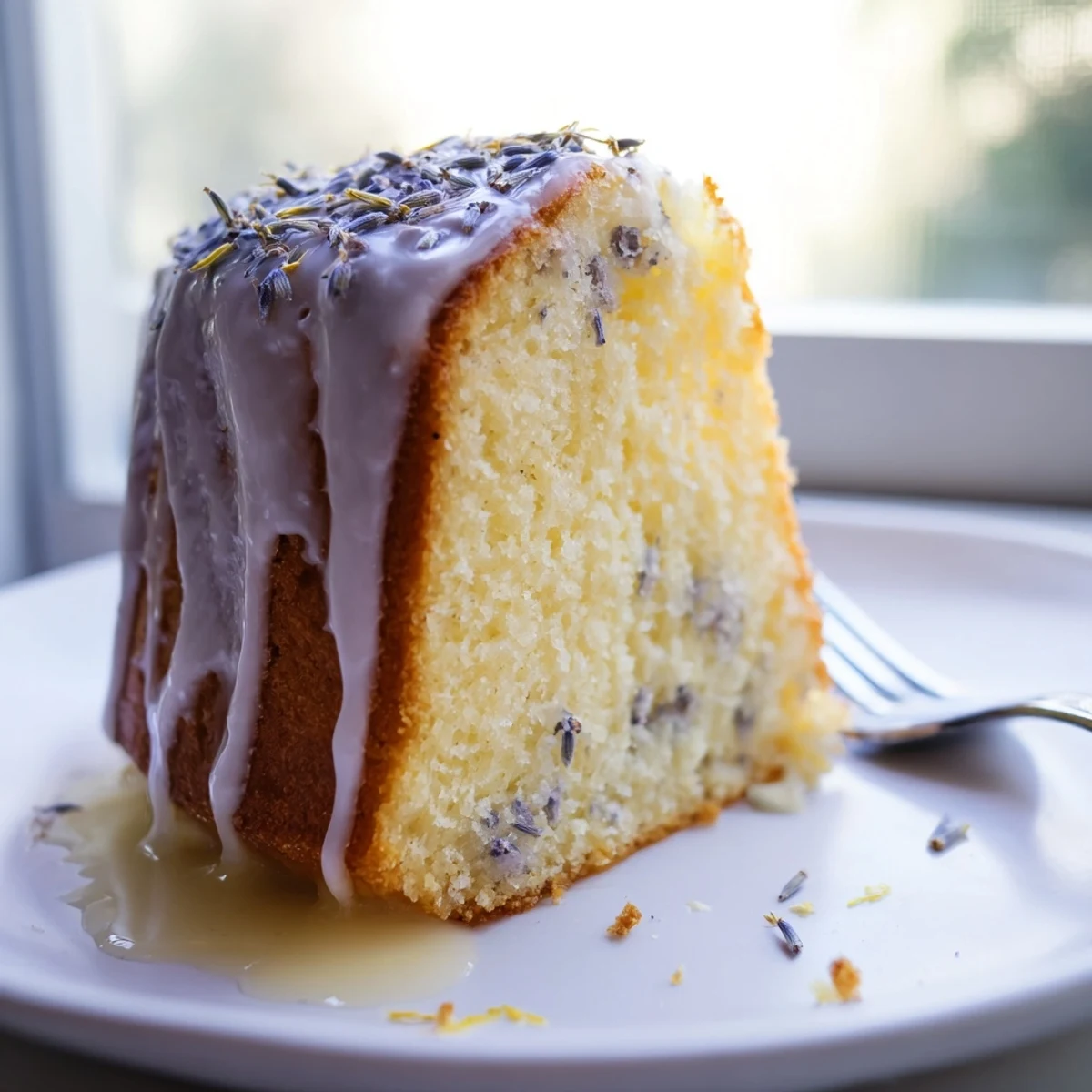
I learned the hard way that not all lavender is created equal. The stuff from my garden gave me a cake that tasted like soap, but culinary grade lavender from a specialty spice shop had this sweet, honeyed flavor that made the whole kitchen smell amazing.
The Glaze Secret
Adding lemon juice to the glaze was actually a happy accident when I ran out of milk. The brightness cuts through the floral sweetness and makes each bite feel lighter. Now I never make it any other way.
Serving Suggestions
This cake deserves to be the star of the show, but a few thoughtful accompaniments can elevate it even further. Think about the whole experience, not just the cake itself.
- Earl Grey tea brings out those same floral notes in the most elegant way
- Fresh berries on the side add tartness and color that makes everything pop
- Let it come to room temperature before serving so all the flavors can really shine
 Save
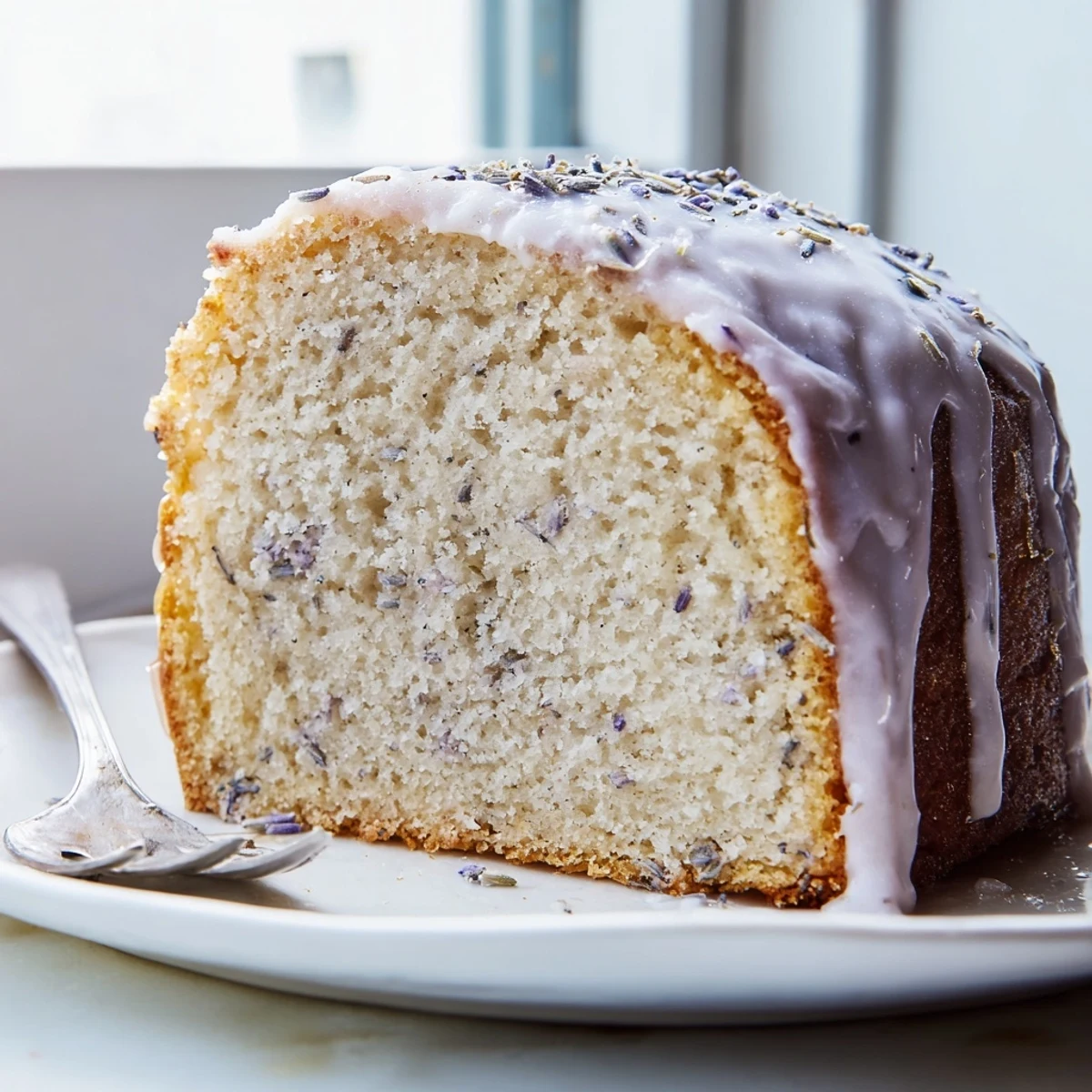
Save Theres something deeply satisfying about serving a cake that looks as beautiful as it tastes. Hope this recipe finds its way into your spring traditions.
Recipe FAQs
- → What type of lavender should I use?
-
Use only culinary-grade lavender buds labeled as food-safe. Garden or ornamental lavender may contain pesticides or have an unpleasant taste. Dried culinary lavender works perfectly and provides consistent flavor.
- → Can I make this cake in advance?
-
Yes, bake the cake up to two days ahead. Store wrapped at room temperature, then add the glaze on the day of serving for the freshest appearance. The syrup-soaked version stays moist even longer.
- → How do I adjust the lavender intensity?
-
Start with 1 tablespoon of lavender buds for subtle flavor, or use the full 2 tablespoons for pronounced floral notes. You can also steep the buds in warm milk before incorporating, then strain them out for a smoother essence.
- → What can I serve with lavender cake?
-
Earl Grey tea complements the floral notes beautifully. Fresh berries, whipped cream, or vanilla ice cream also pair well. The citrus glaze provides brightness, but additional lemon curd makes an elegant accompaniment.
- → Can I make this cake gluten-free?
-
Substitute the all-purpose flour with a 1:1 gluten-free baking blend that contains xanthan gum. The texture may be slightly denser but will still be delicious. Ensure all other ingredients, including baking powder, are certified gluten-free.
- → Why is my cake dense?
-
Overmixing the batter after adding flour can develop gluten, creating a tough texture. Mix only until just combined. Also ensure ingredients are at room temperature before beginning, and that your baking powder is fresh for proper rise.