
 Save
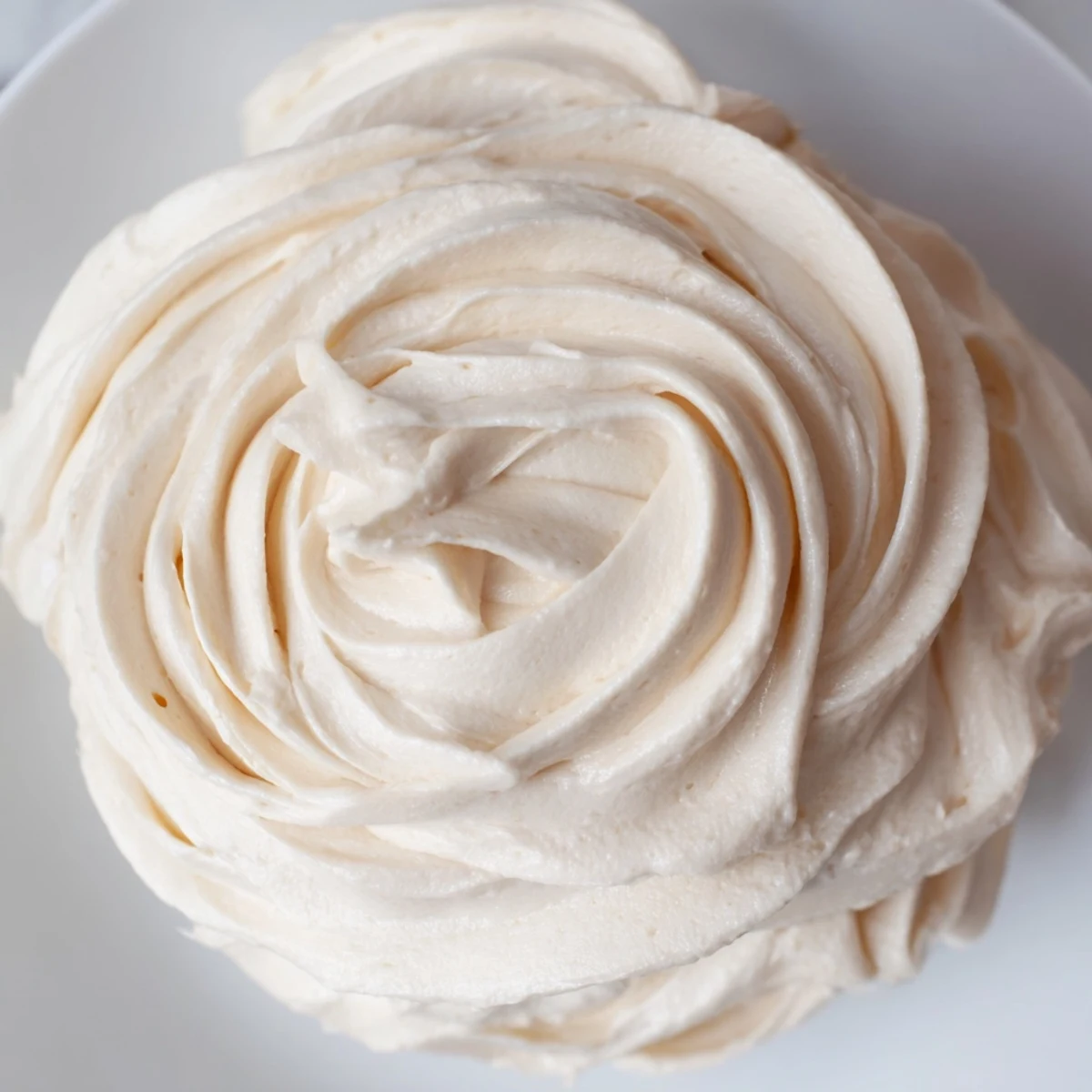
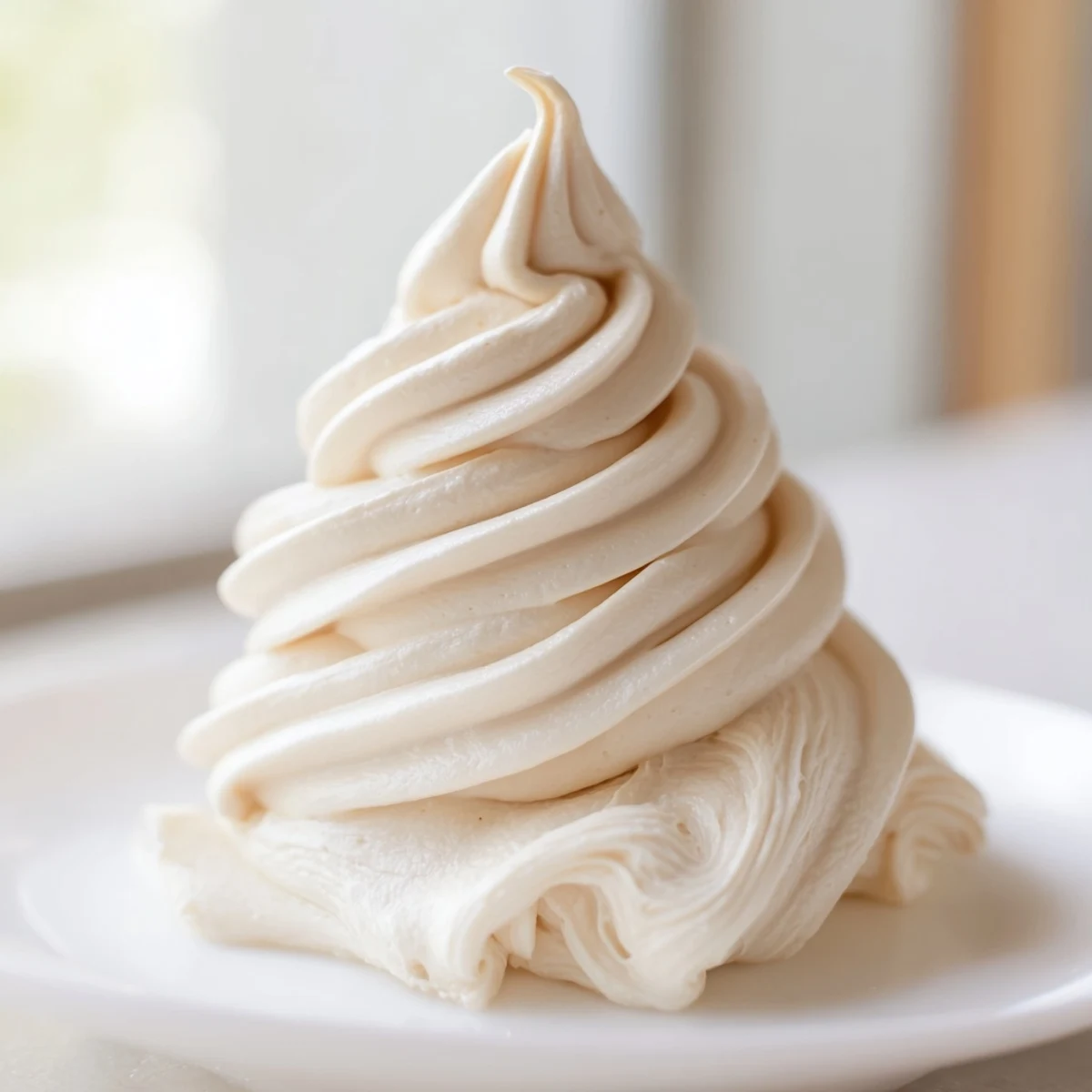
Save Italian meringue buttercream is a luxurious, silky frosting made by drizzling hot sugar syrup into whipped egg whites, then beating in room-temperature butter until impossibly smooth. Known for its stability and subtle sweetness, it's the go-to choice for frosting layer cakes and cupcakes.
The process requires a candy thermometer and a stand mixer, but the results are worth every minute. The buttercream can be flavoured with chocolate, fruit purée, or coffee, and it pipes beautifully for decorative work.
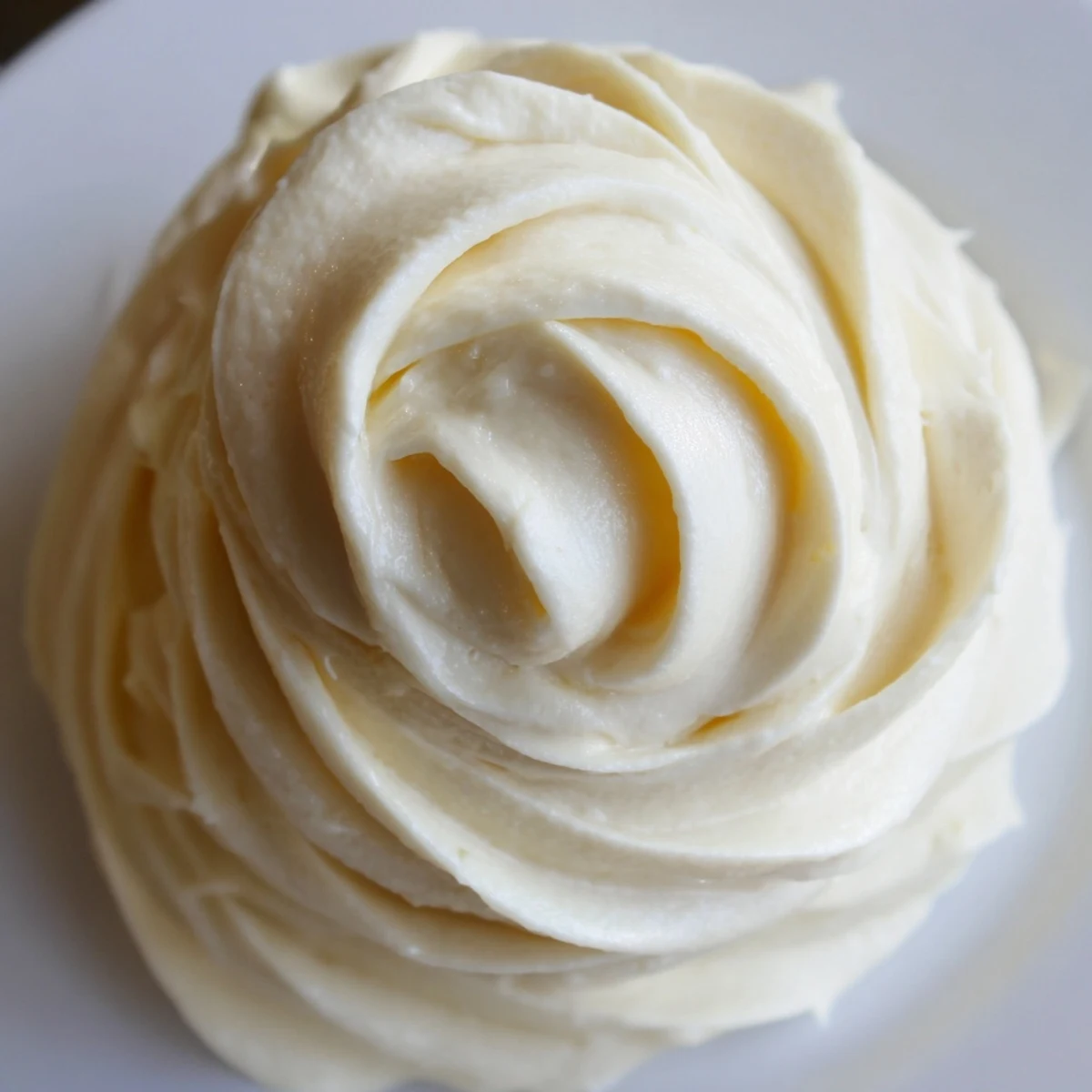
If the mixture looks curdled at any point, simply keep beating—it will come together into a glossy, fluffy finish.
The first time I attempted Italian meringue buttercream, my kitchen looked like a sugar storm had rolled through and I was convinced I had ruined every single ingredient. The syrup had splashed, the meringue looked wrong, and I nearly threw the whole bowl away before something magical happened right at the edge of giving up.
My sister requested a三层 wedding cake for her backyard reception, and I spent an entire Saturday afternoon whispering to my stand mixer like it was a temperamental collaborator, which honestly it was.
Ingredients
- Granulated sugar (200 g): The foundation of your syrup and the reason precision matters more than guesswork here.
- Water (60 ml): Just enough to dissolve the sugar before the real magic begins.
- Egg whites (100 g, about 3 large): Room temperature whites whip higher and more reliably, so do not skip this detail.
- Cream of tartar (1/4 tsp): Optional but a quiet insurance policy for stable, glossy peaks.
- Unsalted butter (340 g): Must be truly at room temperature, pliable but not melting, or the whole emulsion will fight you.
- Vanilla extract (1 tsp): Use the good stuff here because buttercream is honest and will reveal cheap flavor instantly.
- Fine salt (a pinch): A small gesture that prevents the finished frosting from tasting flat.
Instructions
- Bloom the sugar syrup:
- Combine sugar and water in a medium saucepan over medium heat, stirring gently just until the grains disappear and the mixture looks clear and calm.
- Cook to soft ball stage:
- Crank the heat to medium high and resist every urge to stir, watching your candy thermometer climb steadily to 118 degrees Celsius.
- Wake up the egg whites:
- In your stand mixer with the whisk attached, start beating the egg whites and cream of tartar on medium speed until soft peaks form, clouds that gently droop when you lift the whisk.
- Marry syrup to meringue:
- With the mixer on medium, pour the hot syrup in a thin, steady stream down the side of the bowl, letting the meringue drink it in without scrambling.
- Whip until cool and glossy:
- Crank the mixer to high and let it run for about ten minutes until the bowl feels cool to the touch and the meringue shines like satin.
- Bring in the butter:
- Drop in butter cubes one at a time on medium speed, waiting patiently for each to disappear, and trust the process if it looks curdled because it will rescue itself.
- Finish with flavor:
- Add vanilla and that pinch of salt, then beat until everything is smooth, creamy, and impossibly fluffy.
- Store or serve:
- Use it right away or tuck it into an airtight container in the fridge, and rewhip gently at room temperature when you are ready to frost.
 Save
Save When I finally got the consistency right, I stood alone in my kitchen at midnight with a spatula, eating spoonfuls straight from the bowl and feeling like I had unlocked a secret.
Getting Creative With Flavors
Once you have the base mastered, this buttercream becomes a canvas for almost anything you can imagine.
Pairing It With The Right Cake
This frosting loves a tender sponge, a dense chocolate layer, or anything with fruit, and it never overwhelms the cake beneath it.
Troubleshooting and Final Thoughts
Every batch teaches you something new about patience and temperature.
- For stiffer piping consistency, add a few tablespoons of sifted icing sugar at the very end.
- If the weather is hot and humid, work quickly and chill your cake between layers of frosting.
- Always taste before you serve, because a pinch of salt or an extra drop of vanilla can change everything.
 Save
Save Mastering this buttercream feels like joining a quiet club of bakers who know that the best things in the kitchen come from patience, heat, and a little faith.
Recipe FAQs
- → Why does my buttercream look curdled or soupy?
-
This is completely normal and usually happens when the butter is added. If the meringue is still too warm, the butter melts and creates a soupy texture. If the temperatures don't match, it can look curdled. Simply keep beating on medium speed—it will come together into a smooth, creamy finish within a few minutes.
- → Can I make Italian meringue buttercream ahead of time?
-
Yes, it stores well in an airtight container in the refrigerator for up to one week or in the freezer for up to two months. When ready to use, bring it to room temperature and rewhip with a stand mixer until smooth and fluffy again.
- → What temperature should the sugar syrup reach?
-
The sugar syrup should reach 118°C (244°F) on a candy thermometer. This is the soft-ball stage, which produces a stable syrup that cooks the egg whites while creating a glossy, structurally sound meringue.
- → Can I flavour Italian meringue buttercream?
-
Absolutely. Once the buttercream is fully whipped and smooth, you can fold in melted and cooled chocolate, fruit purée, coffee extract, or other flavourings. Add flavourings gradually and taste as you go to avoid over-flavouring or thinning the consistency too much.
- → Why is my buttercream too soft for piping?
-
If the buttercream is too soft, chill it for 10–15 minutes, then whip again. For a naturally stiffer consistency, you can reduce the butter slightly or beat in a few tablespoons of sifted icing sugar until you reach the desired firmness.
- → Does this buttercream need to be refrigerated?
-
It can sit at room temperature for a few hours on a frosted cake, but for longer storage, refrigerate in an airtight container. Always bring it back to room temperature and rewhip before using to restore its silky texture.