
 Save
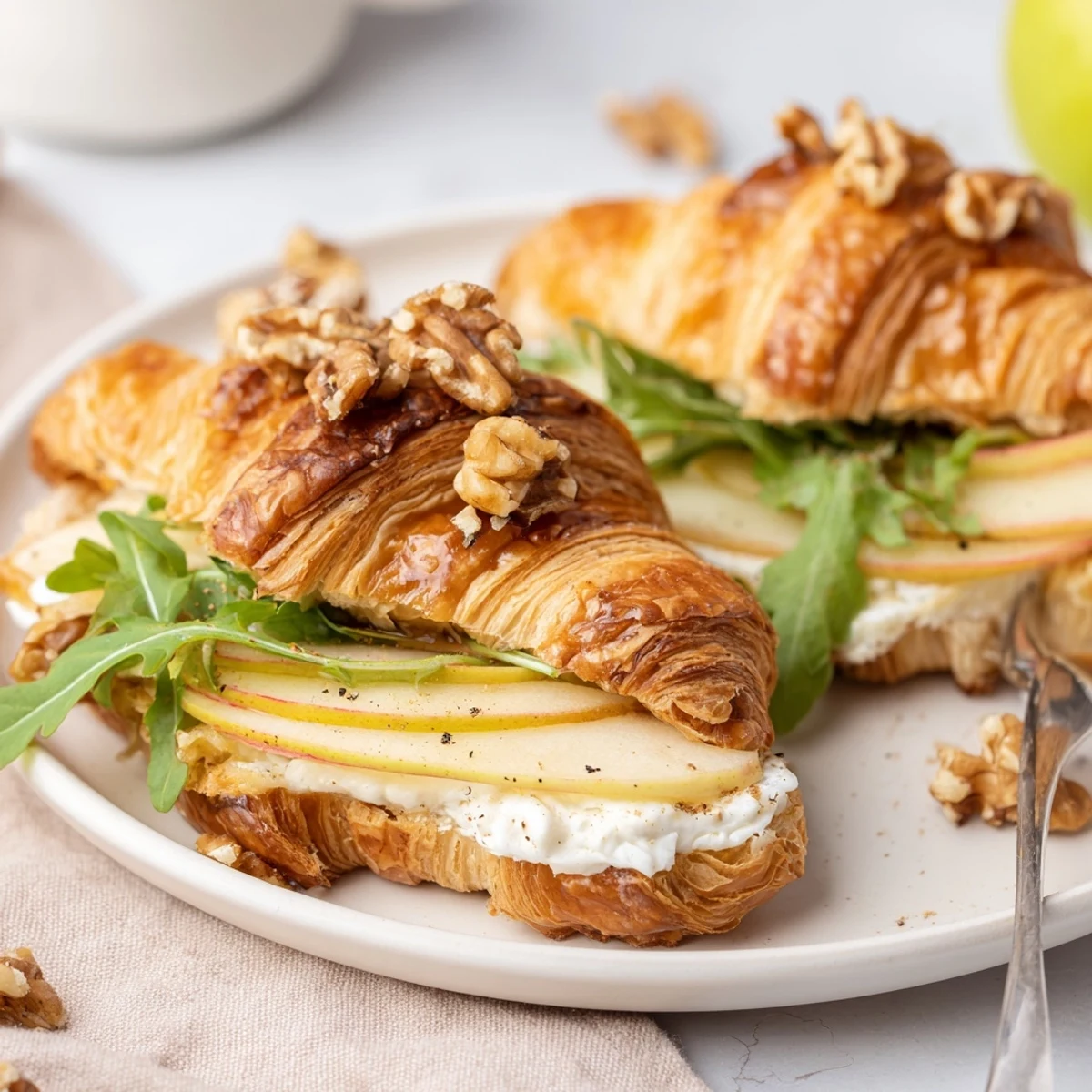
Save Split fresh croissants and spread with softened goat cheese, then layer thin apple slices, a drizzle of honey or fig jam, and a handful of arugula. Finish with cracked black pepper and optional chopped nuts for crunch. Assembly takes about 10 minutes; toasting the croissants beforehand adds warmth and texture. Variations include pear slices or prosciutto for a heartier option. Serve immediately or chill briefly for transport.
The first time I made this apple goat cheese croissant sandwich, I was caught between hunger and a half-empty fridge. With a quick scan of fresh croissants from the bakery and a forgotten log of goat cheese, inspiration snapped into focus. The unlikely pairing of creamy cheese and crisp apple was an accidental win that rescued my lunchtime. The kitchen smelled faintly sweet as I assembled the sandwiches—simple, but it felt indulgent.
I once made these for a little picnic on the living room floor, just to escape a rainy afternoon. Everyone kept hovering near the platter, picking at the arugula and sneaking slices of apple while I pretended not to notice. By the time we sat down to eat, all the sandwiches were gone except for one lonely croissant half—testament to how quickly they disappear.
Ingredients
- Fresh croissants: Choose ones that are slightly crisp on the outside for best texture—I learned not to use day-old, as they turn crumbly and dry.
- Goat cheese: Allow it to soften at room temperature for a spreadable, tangy layer that seeps into the croissant’s curves.
- Apple: A tart variety like Granny Smith or a sweet Fuji adds a refreshing crunch—slice thin so every bite gets its share.
- Arugula or baby spinach: Offers a peppery boost and balances the sweetness—the greens wilt if added too early, so keep them fresh until assembling.
- Honey or fig jam (optional): Just a drizzle can turn an ordinary sandwich into something memorable, but don’t drown the flavors.
- Chopped walnuts or pecans (optional): A scattering on top gives crunch and a nutty aroma—as I learned, toast the nuts lightly for extra flavor, if you have time.
- Black pepper: A twist of freshly ground pepper ties everything together—once, I added too much by accident, but it surprisingly worked.
Instructions
- Halve the croissants:
- With a gentle sawing motion and a bread knife, slice each croissant horizontally to keep the layers intact.
- Spread the goat cheese:
- Lather each bottom half with a thick, even layer of softened goat cheese, pressing gently so it adheres.
- Layer the apples:
- Fan out thin apple slices on top of the cheese, overlapping so no spot goes bare.
- Drizzle with honey or jam:
- Add a thin line of honey or fig jam, watching as it sinks between the layers, but don’t overdo it or the sandwich will get messy.
- Add greens and season:
- Scatter arugula or spinach generously over the apples, then sprinkle with freshly ground black pepper.
- Top with nuts:
- If you’re using nuts, sprinkle them in now for a final crunch and aroma.
- Assemble and serve:
- Gently press the top halves onto each sandwich, slice if you’re feeling fancy, and serve right away—or wrap them for later within two hours.
 Save
Save I’ll never forget making these for a friend who claimed she didn’t like goat cheese. By the end of lunch, she was eyeing the last sandwich, her resolve forgotten—sometimes a fresh twist can win over even the doubters.
When Croissants Make All the Difference
The croissant is the true star here—skip the supermarket brands if you can, and grab some from a local bakery. I discovered the layers hold together better, and the flaky shell hugs the fillings without surrendering to sogginess.
Choosing the Right Cheese and Greens
Goat cheese varies hugely—some are sharp and crumbly, while others are mild and creamy. Taste before spreading, and adjust if you need a drizzle more honey or a little less apple. Delicate greens, like baby arugula, offer the peppery bite that plays well with all those soft and sweet notes.
Speedy Swaps and Serving Upgrades
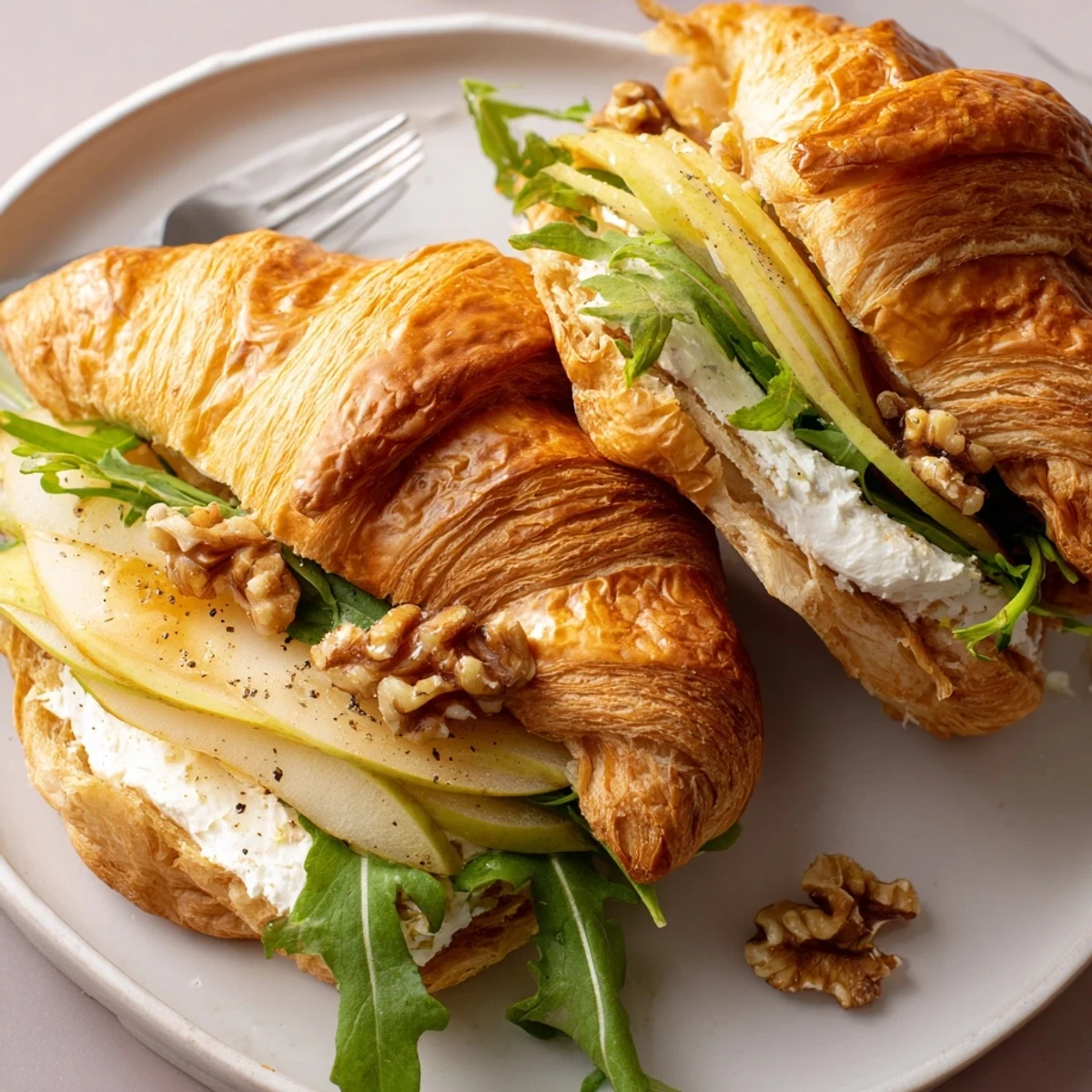
Once, in a rush, I swapped in pears for apples and pistachios for walnuts—it worked beautifully. Play with what you have; just keep the essentials of creaminess, crunch, and a hint of sweet in mind. Sometimes, I wrap them tightly and let them chill for a picnic or easy grab-and-go lunch.
- If you toast the croissants, let them cool a few minutes so the cheese doesn’t slide off.
- Try serving with a chilled Sauvignon Blanc for a special touch.
- These are best assembled right before eating—holding too long makes the croissant go soggy.
 Save
Save This sandwich taught me that sometimes the simplest ingredients—layered thoughtfully—create the moments you remember. I hope your kitchen fills with the same brightness and surprising joy when you share these, too.
Recipe FAQs
- → What apple variety works best?
-
Firm, crisp apples like Fuji or Granny Smith hold their shape and provide a sweet-tart contrast to creamy goat cheese. Choose based on your preferred sweetness.
- → Can I toast the croissants?
-
Yes. Briefly toasting or warming croissants enhances flakiness and brings out buttery notes—toast just until golden to avoid drying the pastry.
- → How can I keep the sandwich from getting soggy?
-
Spread a thin layer of cheese directly on the bottom croissant to create a barrier, add dry ingredients like apples and greens last, and avoid wet dressings; serve soon after assembling.
- → What are good nut options for extra crunch?
-
Chopped walnuts or pecans add texture and a toasty flavor. Lightly toast them in a dry pan for more depth before sprinkling on top.
- → Are there simple substitutions?
-
Pear slices can replace apples for a milder sweetness; add prosciutto for a non-vegetarian twist or swap arugula for baby spinach for a gentler green.
- → How should leftovers be stored?
-
Wrap sandwiches tightly and refrigerate for up to 2 hours for best texture. Long refrigeration will soften croissants; consider assembling just before serving if possible.