
 Save
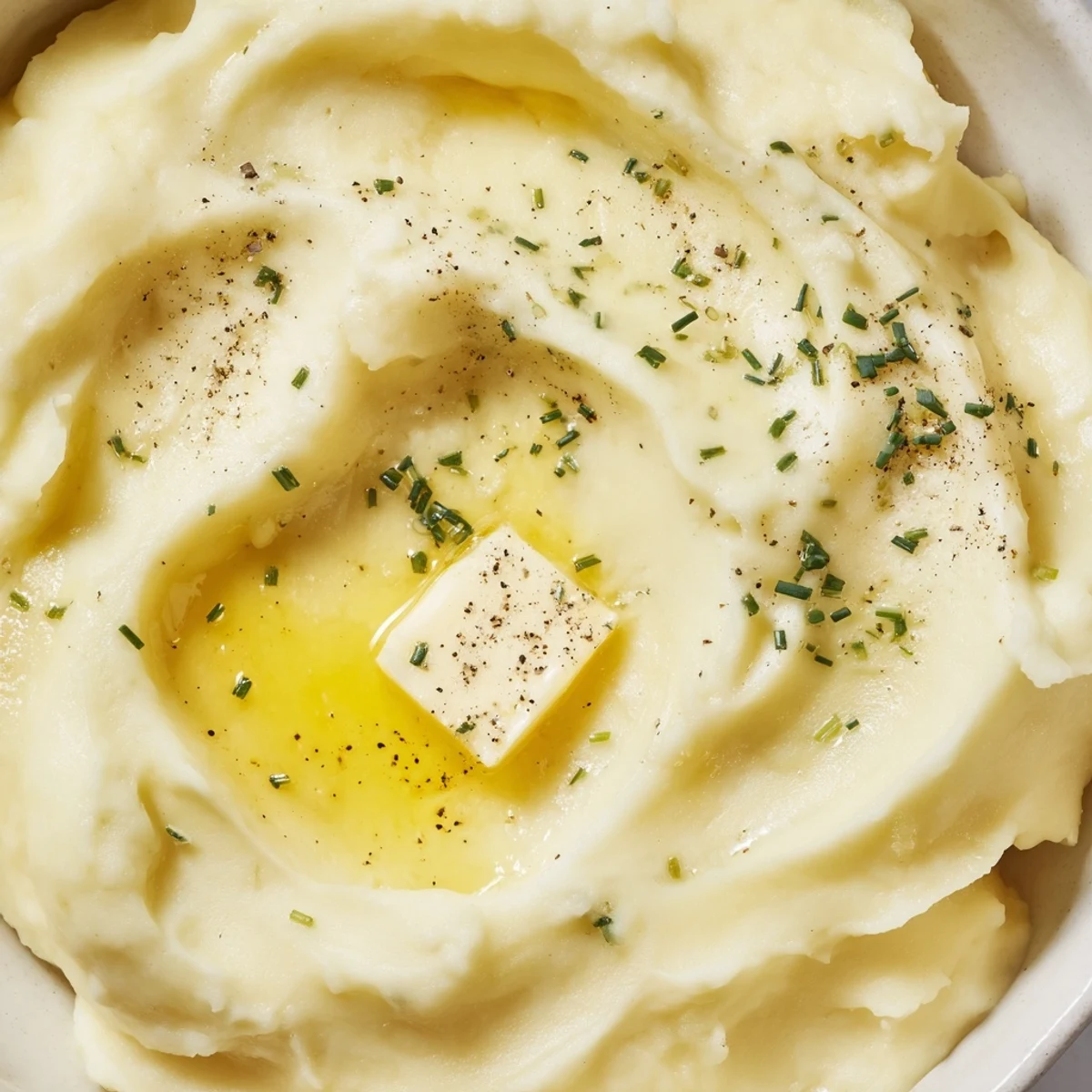
Save These velvety mashed potatoes are the ultimate comfort side dish, featuring Yukon Gold or Russet potatoes mashed with rich butter, warm whole milk, and heavy cream. The result is an incredibly smooth, lump-free texture that pairs beautifully with roasted meats, grilled vegetables, or holiday feasts.
Ready in just 40 minutes, this classic American side is naturally vegetarian and gluten-free. A potato ricer guarantees the silkiest results, while a simple masher works wonderfully too. Season generously with salt and pepper, top with extra butter or fresh chives, and serve alongside your favorite main course for a crowd-pleasing addition to any meal.
My grandmother never measured anything for her mashed potatoes, and watching her work was like watching someone conduct an orchestra with a wooden spoon and a half stick of butter.
I once made these for a friend who claimed she did not like mashed potatoes, and she went back for thirds before quietly asking me to text her the recipe.
Ingredients
- 1.5 lbs Yukon Gold or Russet potatoes, peeled and cut into 2 inch chunks: Yukon Golds give you that buttery tenderness naturally, while Russets fluff up beautifully if you prefer a lighter texture.
- 4 tbsp unsalted butter: Let it sit on the hot potatoes before mashing so it melts into every fold without needing extra heat.
- 1/2 cup whole milk, warmed: Cold milk seizes the potatoes and makes them gummy, so always warm it gently first.
- 1/4 cup heavy cream, warmed: This is the secret to that velvety finish that makes people close their eyes on the first bite.
- 1 tsp salt, plus more for boiling: Salting the potato water generously seasons from within, which no amount of surface salt can replicate.
- 1/4 tsp freshly ground black pepper: Freshly cracked adds a gentle warmth that pre ground pepper simply cannot match.
Instructions
- Start the potatoes in cold water:
- Place the chunks in a large pot and cover with cold, salted water by at least two inches, then bring everything to a rolling boil.
- Simmer until fork tender:
- Reduce to a gentle simmer uncovered for 15 to 20 minutes, testing with a fork until it slides through without resistance.
- Drain and dry:
- Drain the potatoes thoroughly and return them to the warm pot, letting residual heat evaporate excess moisture for a fluffier result.
- Add the butter:
- Drop in the butter and let it sit for one to two minutes so it melts slowly into the hot potatoes without being rushed.
- Mash until smooth:
- Using a potato masher or ricer, work the potatoes until completely smooth and free of lumps, pressing firmly but without overworking.
- Fold in the warm liquids:
- Gradually pour in the warmed milk and cream, folding gently until the mixture turns light and creamy.
- Season and serve:
- Add salt and pepper to taste, stirring gently until everything is fully combined and velvety smooth, then serve immediately with an extra pat of butter or fresh chives on top.
 Save
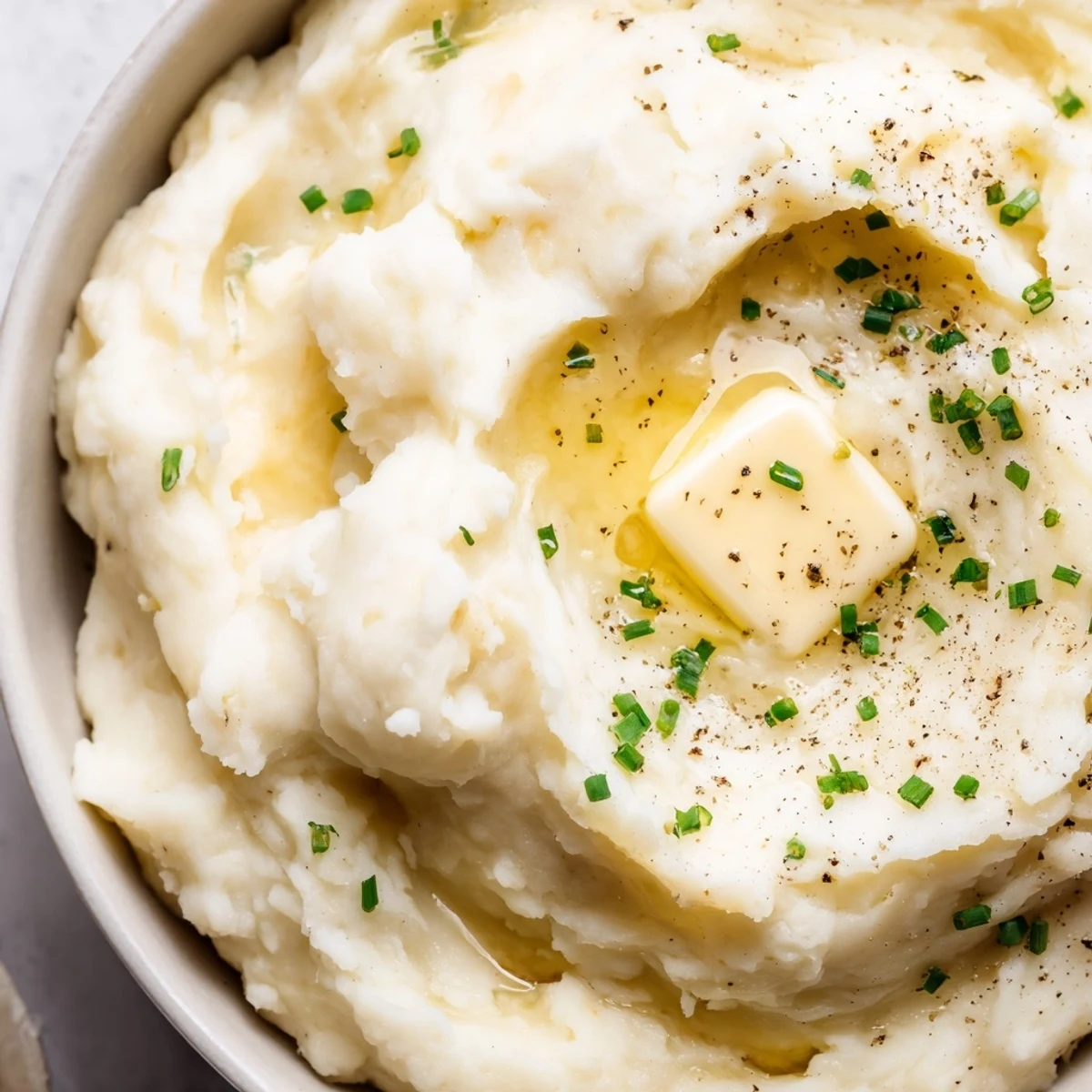
Save There is something quietly powerful about a bowl of mashed potatoes placed in the center of a table, drawing everyone in without needing any announcement.
Choosing the Right Potato
Yukon Golds are my go-to because they strike a beautiful balance between creamy and fluffy, but I have used Russets on nights when I wanted something cloud like and airy.
Making It Your Own
Try folding in two cloves of roasted garlic during the mashing step if you want to fill your kitchen with a smell that will make everyone wander in asking when dinner is ready.
Serving and Storing
Mashed potatoes wait for no one, so have everything else ready before you start mashing. They are best served immediately, but if you need to hold them, cover the pot and keep it on the lowest heat setting.
- A splash of extra warm cream can revive leftovers that have thickened in the fridge.
- They pair beautifully with roasted meats, sauteed greens, or even a simple green salad.
- A glass of Chardonnay or Pinot Noir alongside turns a weeknight side into something that feels like a proper occasion.
 Save
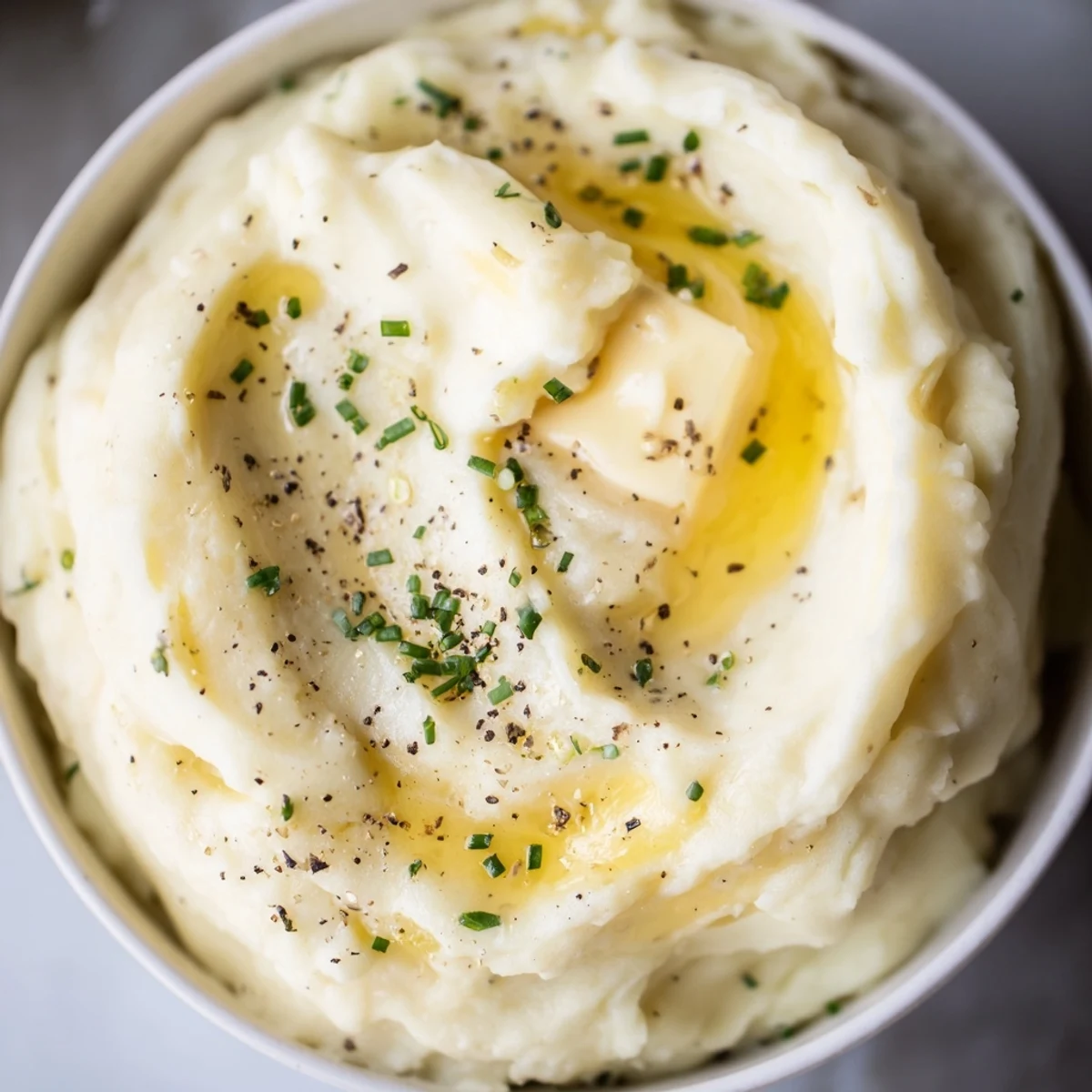
Save Some recipes earn their place in your kitchen through spectacle, but this one earns it through quiet reliability, showing up perfectly every single time you need comfort on a plate.
Recipe FAQs
- → What type of potatoes work best for mashing?
-
Yukon Gold potatoes are ideal for their naturally buttery flavor and creamy texture. Russet potatoes also work well, producing a fluffier, lighter mash. Avoid waxy varieties like red potatoes, which can become gummy when mashed.
- → Why should I warm the milk and cream before adding them?
-
Warming the dairy before incorporating it prevents the potatoes from cooling down and becoming stiff. Cold liquid shocks the starches, resulting in a denser, less appealing texture. Warm dairy blends seamlessly for that velvety finish.
- → How do I prevent my mashed potatoes from becoming gummy?
-
Overmixing is the main culprit behind gummy mashed potatoes. Once you add the dairy, fold it in gently rather than stirring vigorously. Using a potato ricer instead of a masher also helps achieve a smoother texture with less effort and less starch activation.
- → Can I make mashed potatoes ahead of time?
-
Yes, you can prepare them up to two hours ahead and keep them warm in a slow cooker on low heat. For longer storage, refrigerate in an airtight container for up to three days and reheat gently on the stove with a splash of milk to restore creaminess.
- → What can I substitute for heavy cream to make them lighter?
-
You can replace the heavy cream with additional whole milk, low-fat milk, or even chicken or vegetable broth. For a richer flavor without cream, try adding a dollop of sour cream or Greek yogurt after mashing.
- → What main dishes pair well with mashed potatoes?
-
Mashed potatoes complement roasted chicken, grilled steak, braised short ribs, meatloaf, and roasted turkey. They also work beautifully alongside sautéed greens, mushroom gravies, and holiday mains like prime rib or baked ham.