
 Save
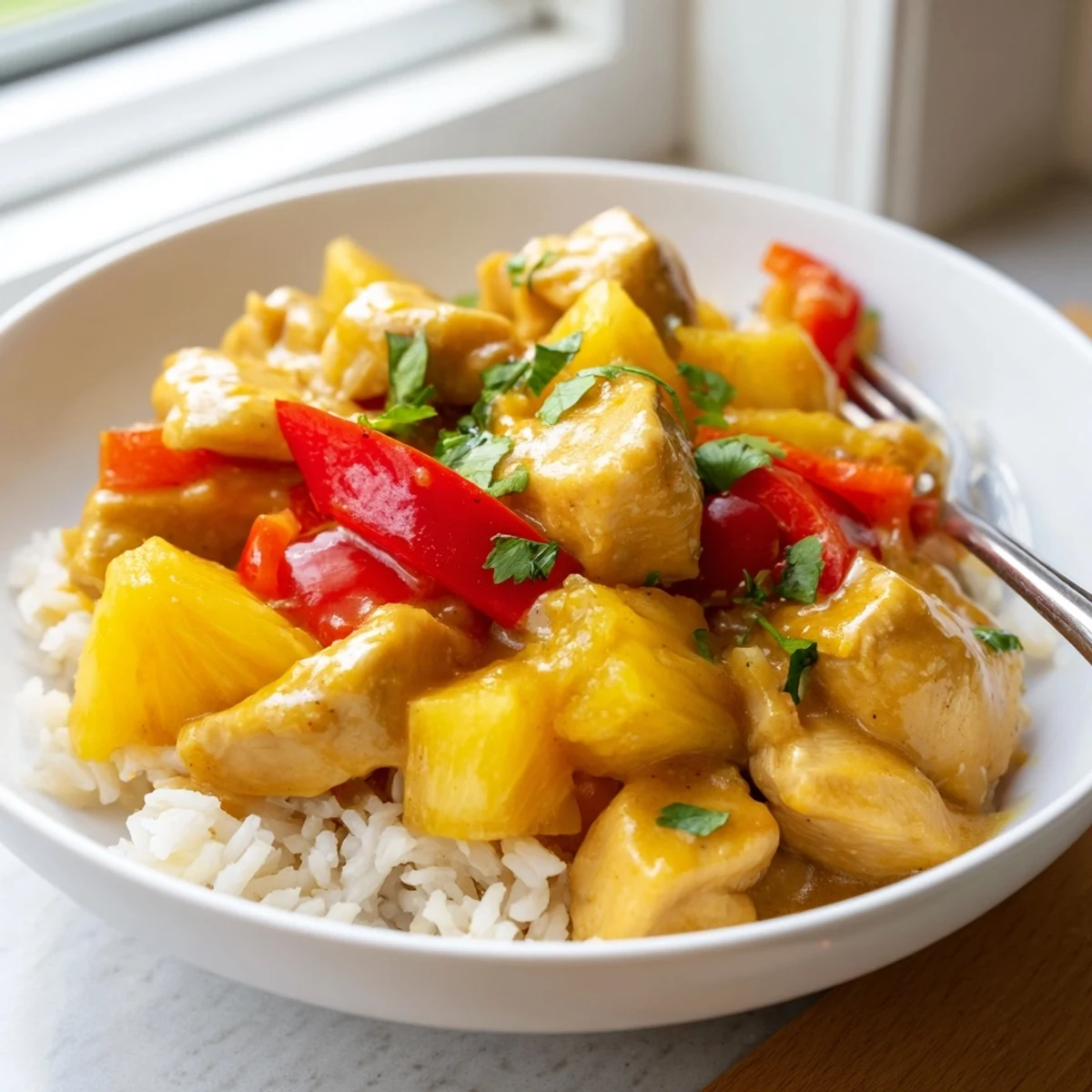
Save This tropical chicken dinner brings together juicy cubed chicken breasts, fresh pineapple chunks, and sliced bell peppers in a rich coconut milk sauce flavored with ginger, garlic, turmeric, and fresh lime.
Ready in just 45 minutes, it's a straightforward one-skillet meal served over fluffy jasmine rice and finished with a sprinkle of fresh cilantro.
Naturally gluten-free when using tamari, this dish balances sweet, savory, and subtle heat for a crowd-pleasing weeknight dinner.
The sizzle of chicken hitting a hot wok on a rainy Tuesday evening is oddly therapeutic, especially when the rest of the week has been chaos. I threw this tropical chicken together on a whim after finding a forgotten pineapple on the counter, and it turned a dreary night into something that felt like a mini vacation. The coconut milk had been sitting in my pantry for months, just waiting for this exact moment of inspiration. Dinner was on the table in under an hour, and honestly, it tasted better than most takeout I have ever ordered.
My neighbor stopped by halfway through cooking once and ended up staying for dinner because the smell drifting through the hallway was impossible to ignore. She now texts me every couple of weeks asking when I am making that pineapple chicken again. I have learned to always make extra rice because people always want seconds of the saucy, golden goodness.
Ingredients
- Boneless skinless chicken breasts: Cut into even cubes so every piece cooks at the same rate and you avoid the dreaded half raw half dry situation.
- Fresh pineapple: Fresh makes a huge difference here because the natural juices caramelize beautifully in the pan, though pre cut works in a pinch.
- Red and yellow bell peppers: The two colors are not just for looks, they add slightly different sweetness levels that make each bite interesting.
- Red onion: Thin slices melt into the sauce and give a gentle sweetness that you do not get from regular yellow onions.
- Garlic and fresh ginger: This duo is the backbone of the aroma and freshly grated ginger is worth the extra effort over the powdered stuff.
- Lime: You will use both the zest and juice, and that bright acidity at the end is what makes the whole dish sing.
- Coconut milk: Full fat canned coconut milk creates that luscious, silky sauce that coats every piece of chicken and pools into the rice perfectly.
- Soy sauce or tamari: Tamari keeps it gluten free and has a slightly richer, deeper flavor than regular soy sauce.
- Honey or maple syrup: Just a tablespoon balances the heat and rounds out the tropical sweetness.
- Ground turmeric: This is what gives the dish its gorgeous golden color and a subtle earthy warmth.
- Chili flakes: Entirely optional but a half teaspoon adds a gentle warmth that does not overpower the tropical vibes.
- Vegetable oil: A neutral oil lets the other flavors shine without competing.
- Jasmine rice: The fragrant, slightly sticky grains are the ideal base for soaking up every drop of that coconut lime sauce.
- Fresh cilantro: Scattered on top at the very end for a fresh, herbal finish that pulls everything together.
Instructions
- Get the rice going:
- Start your jasmine rice according to the package directions so it is ready and waiting by the time the chicken needs to be served. A rice cooker is foolproof but a saucepan with a tight lid works just as well if you keep the heat low and resist the urge to peek.
- Sear the chicken:
- Heat the vegetable oil in a large skillet or wok over medium high heat until it shimmers, then add the cubed chicken in a single layer without crowding the pan. Let it cook undisturbed for about five to six minutes until you get a nice golden sear, then remove and set aside on a plate.
- Build the flavor base:
- Toss the garlic, ginger, onion, and both bell peppers into the same skillet with all those delicious chicken bits still stuck to the bottom. Stir and sauté for three to four minutes until everything softens and your kitchen smells absolutely incredible.
- Add the pineapple:
- Dump in the diced pineapple and let it cook for about two minutes so the edges caramelize slightly and the fruit releases its juices into the pan. You will notice a sweet, tangy aroma rising up that tells you things are heading in the right direction.
- Create the sauce:
- Return the chicken to the skillet, then pour in the coconut milk, soy sauce, honey, turmeric, and chili flakes if you are using them. Stir everything together thoroughly, scraping up any browned bits from the bottom of the pan because that is where the best flavor lives.
- Simmer until perfect:
- Bring the mixture to a gentle simmer and let it bubble away for eight to ten minutes, stirring occasionally so nothing sticks. The sauce will gradually thicken and reduce until it clings to the chicken and vegetables in glossy, golden waves.
- Finish with lime:
- Stir in the lime juice and zest right at the end, then taste and adjust the salt and pepper as needed. That final hit of bright acidity wakes up every flavor in the dish and makes it taste truly finished.
- Serve and enjoy:
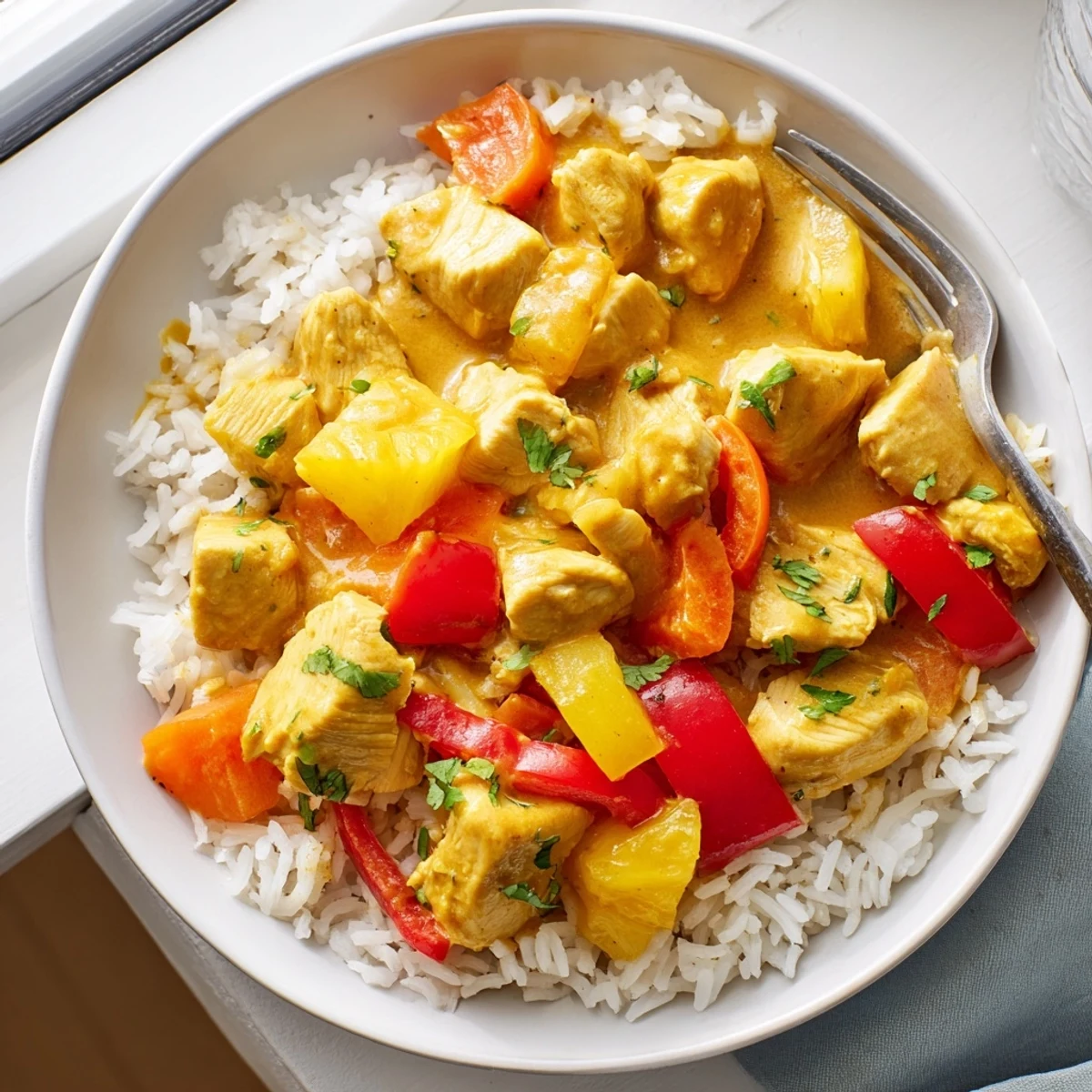
- Spoon the hot jasmine rice into bowls and ladle the tropical chicken and sauce generously over the top. Scatter fresh cilantro over everything and serve immediately while the sauce is still bubbling.
 Save
Save I made this for a friend who claimed she did not like coconut in savory food, and she went back for thirds without saying a word about it. Sometimes the best way to change someones mind is to just set a plate in front of them and let the food do the talking.
Swaps and Variations
Firm tofu cut into cubes works beautifully in place of chicken if you press it well first to remove excess moisture. Large shrimp are another fantastic option and they cook even faster, so keep a close eye on them to avoid that rubbery texture. The sauce itself is versatile enough that you could throw in whatever protein or vegetables you have hanging around.
What to Serve Alongside
A glass of chilled Sauvignon Blanc or a slightly sweet Riesling pairs wonderfully with the tropical flavors. If wine is not your thing, sparkling water with a wedge of lime and a sprig of cilantro keeps the island vibe going. A simple green salad with a light vinaigrette on the side adds crunch without competing with the main event.
Leftovers and Storage
This dish reheats surprisingly well the next day because the sauce continues to deepen in flavor as it sits overnight in the fridge. Store the rice and chicken separately if possible so the rice does not absorb all the sauce and turn mushy. Everything stays good in an airtight container for up to three days, making it a solid candidate for meal prep. A gentle reheat in a skillet over low heat brings it back to life better than the microwave ever could.
 Save
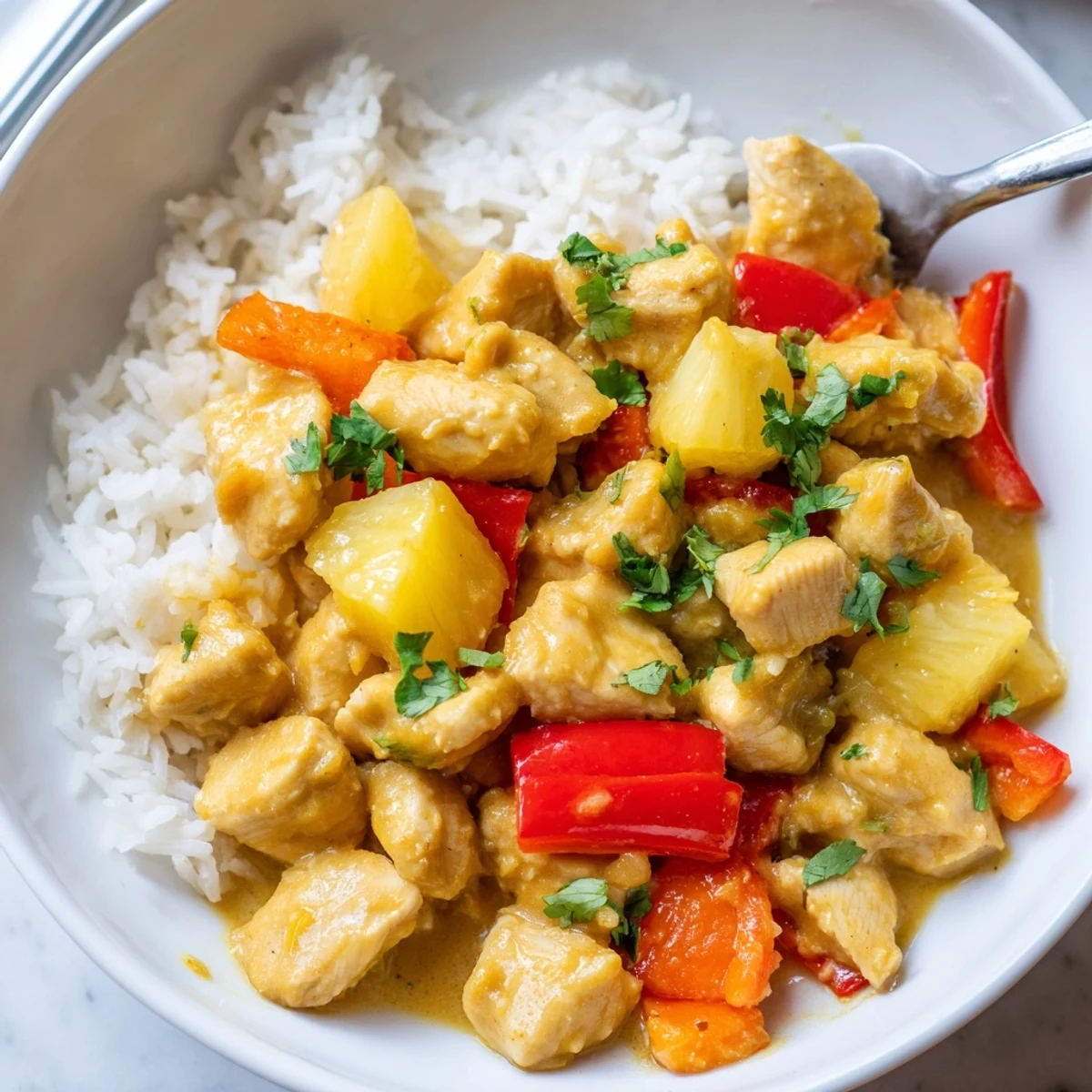
Save This is the kind of meal that turns an ordinary weeknight into something worth remembering, golden and saucy and full of sunshine. Make it once and it will earn a permanent spot in your dinner rotation.
Recipe FAQs
- → Can I use canned pineapple instead of fresh?
-
Yes, canned pineapple chunks work well if fresh isn't available. Drain them thoroughly before adding to the skillet to avoid watering down the coconut sauce.
- → What can I substitute for chicken?
-
Firm tofu or large shrimp are excellent alternatives. Press and cube tofu before browning, or add shrimp during the last 4–5 minutes of simmering so they don't overcook.
- → How do I store leftovers?
-
Let the dish cool completely, then transfer to an airtight container and refrigerate for up to 3 days. Reheat gently in a skillet over medium heat, adding a splash of coconut milk if the sauce has thickened.
- → Is this dish spicy?
-
The chili flakes are optional, so you can adjust the heat level to your preference. Without them, the dish is mild with warm turmeric notes and a bright lime finish.
- → What wine pairs well with this dish?
-
A chilled Sauvignon Blanc or Riesling complements the tropical flavors beautifully. The acidity and fruit notes in these wines balance the richness of the coconut sauce.
- → Can I make the coconut sauce thicker?
-
For a thicker sauce, simmer uncovered for an additional 3–5 minutes to reduce the coconut milk. You can also whisk in a teaspoon of cornstarch mixed with cold water during the simmering step.