
 Save
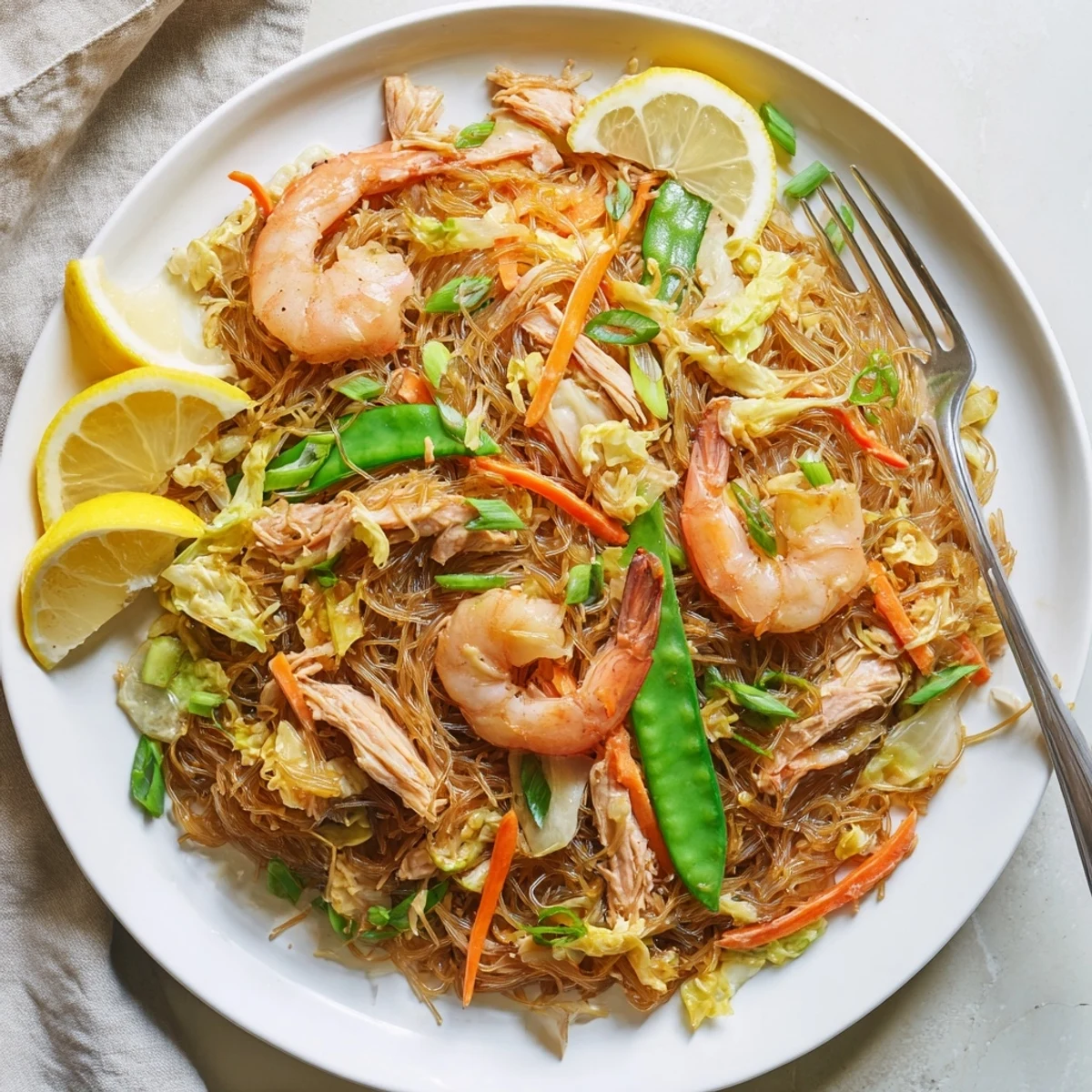
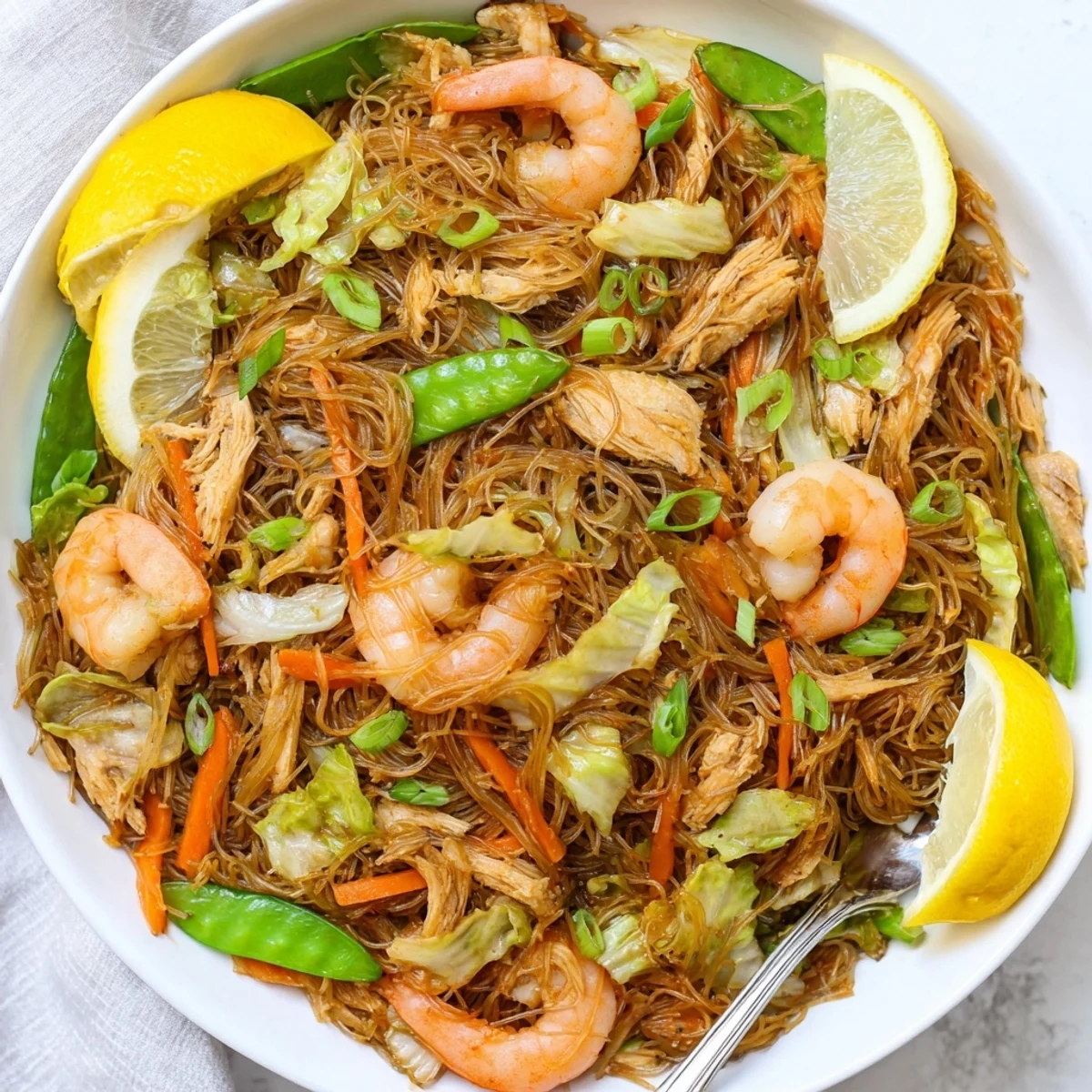
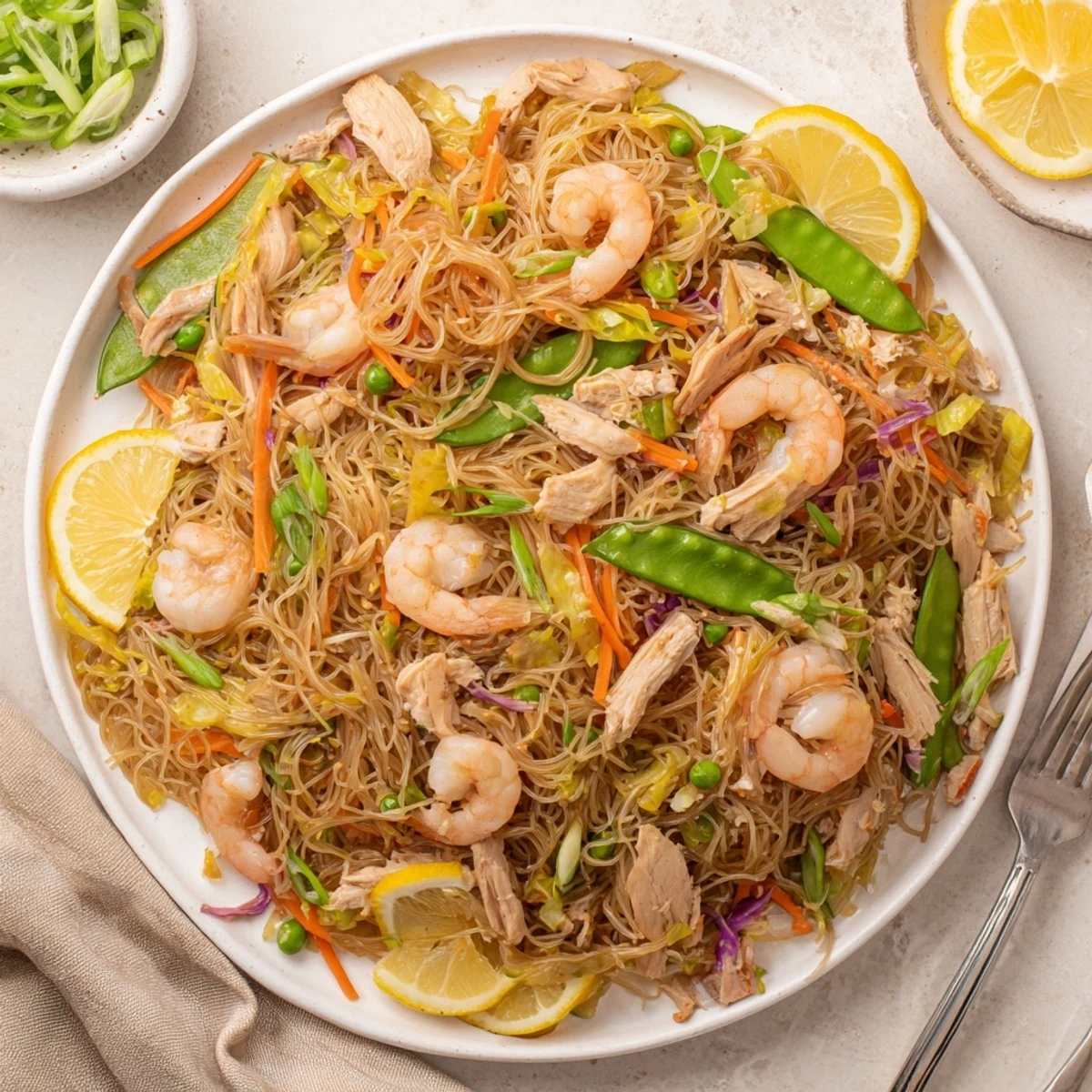
Save Traditional Pancit Bihon brings the vibrant flavors of Filipino cuisine to your table. This beloved noodle dish features delicate rice vermicelli noodles wok-tossed with succulent chicken breast, plump shrimp, and colorful vegetables including julienned carrots, shredded cabbage, and crisp snow peas.
The dish achieves its signature taste through a well-balanced sauce combining soy sauce, oyster sauce, and fish sauce, creating an umami-rich coating that clings beautifully to each strand. The noodles soak up the savory broth while maintaining their tender yet springy texture.
Perfect for family gatherings or weeknight dinners, this hearty main dish serves four and comes together in just 40 minutes. Garnish with fresh scallions and serve with calamansi or lemon wedges for a bright, citrusy finish that cuts through the richness.
The steam rising from my tito's kitchen always drew me in faster than any dinner bell. He'd be at the stove, tongs in one hand, tasting sauce with the other, and that distinct smell of garlic hitting hot oil would fill the entire house. Pancit bihon wasn't just food at family gatherings, it was the event itself, and I watched him cook it dozens of times before finally attempting it myself.
My first attempt was at a small dinner party for friends who'd never tried Filipino food. I was nervous about getting the noodle texture right, but watching them go back for seconds, then thirds, made all those moments studying my uncle's technique worth it. Now it's my go-to for whenever I need to feed people something that feels like a hug on a plate.
Ingredients
- 200 g boneless, skinless chicken breast, thinly sliced: Cutting the chicken against the grain into thin pieces ensures it cooks quickly and stays tender
- 100 g medium shrimp, peeled and deveined: Fresh shrimp adds sweetness that balances the salty soy sauce, and they cook in just minutes
- 200 g dried bihon (rice vermicelli) noodles: These thin rice noodles are the heart of the dish, soaking up all the flavors while maintaining a satisfying bite
- 1 small carrot, julienned: The carrots bring a subtle sweetness and beautiful orange color throughout the dish
- 1 cup green cabbage, shredded: Cabbage adds necessary crunch and balances the richness of the noodles and proteins
- 1/2 cup snow peas, trimmed and halved: These provide fresh snap and vibrant green color that makes the dish visually appealing
- 1 small onion, sliced: The foundation of flavor, creating that aromatic base that makes Filipino stir-fries smell incredible
- 3 cloves garlic, minced: Never skimp on garlic, it's the soul of the dish and that first smell everyone loves
- 2 tbsp soy sauce: The primary seasoning, providing that deep umami and rich amber color
- 1 tbsp oyster sauce: Adds a subtle sweetness and depth that complements the soy sauce perfectly
- 1 tsp fish sauce: Just enough to enhance all the other flavors without overpowering them
- 1/2 tsp ground black pepper: Freshly cracked pepper adds warmth and complexity to the sauce
- 1 cup chicken broth: Creates the simmering liquid that helps the noodles absorb all those beautiful flavors
- 2 tbsp chopped scallions: Fresh finishing touch that adds color and mild onion flavor
- 1 lemon or calamansi, cut into wedges: The acid brightens everything and lets everyone customize their bowl to taste
Instructions
- Prep the noodles:
- Soak the bihon noodles in warm water for 10 minutes until they're pliable and softened. Drain well and set them aside where they're easy to grab when you need them.
- Build your aromatic base:
- Heat 2 tablespoons of oil in a large wok or skillet over medium-high heat. Toss in the garlic and onion, stirring until they're fragrant and the onion turns translucent.
- Cook your proteins:
- Add the sliced chicken and cook until lightly browned and completely cooked through. Throw in the shrimp and stir-fry for about 2 minutes until they turn pink. Remove everything from the pan and set aside.
- Stir-fry the vegetables:
- In that same flavorful pan, add the carrots, cabbage, and snow peas. Stir-fry for 2 to 3 minutes until they're just tender but still have crunch.
- Combine and season:
- Return the cooked chicken and shrimp to the pan. Pour in the soy sauce, oyster sauce, fish sauce, and chicken broth. Let everything come to a gentle simmer.
- Add the noodles:
- Add the drained bihon noodles, using tongs to gently toss them with everything else. Let them cook for 3 to 4 minutes, absorbing all that sauce and heating through completely.
- Season to perfection:
- Sprinkle in the black pepper and give it a taste. Adjust the salt or sauces if needed, remembering the lemon wedges will add brightness at the end.
- Finish and serve:
- Transfer everything to a serving platter. Scatter the chopped scallions on top and serve with lemon or calamansi wedges on the side.
 Save
Save Last New Year's Eve, I made three batches of this for a small gathering, and somehow every bowl disappeared. My friend's mom, who's Filipino, asked for the recipe, which I took as the highest compliment possible. There's something about noodles that brings people together, crossing cultural lines without saying a word.
Making It Your Own
I've learned that pancit bihon is incredibly forgiving once you understand the basics. Sometimes I add bell peppers for extra color, or throw in some baby corn if I have it in the fridge. The key is keeping the vegetables crisp-tender and the sauce well-balanced between salty and savory.
The Noodle Secret
Over the years, I've discovered that the soaking time matters more than I initially thought. Too short and the noodles stay chewy in the center, too long and they break apart when you toss them. Ten minutes in warm water is my sweet spot, but I always test a strand before draining to make sure it's right.
Serving It Right
Pancit bihon is traditionally served for special occasions because the long noodles symbolize long life. I love setting out small bowls of additional soy sauce, chopped chilies, and extra calamansi so everyone can customize their bowl. It turns dinner into an interactive experience.
- Set out extra lemon wedges for those who love it bright and tangy
- Keep some crushed red pepper on hand for spice lovers
- Have extra fish sauce available if your guests prefer a deeper savory kick
 Save
Save Every time I make pancit bihon now, I think of those family gatherings and the way food can hold memories in every bite. Hope this recipe becomes part of your story too.
Recipe FAQs
- → What makes Pancit Bihon authentic?
-
Authentic Pancit Bihon relies on thin rice vermicelli noodles (bihon) rather than wheat-based alternatives. The combination of soy sauce, oyster sauce, and fish sauce creates the distinctive Filipino flavor profile, while the technique of stir-frying proteins separately then combining them with vegetables ensures each ingredient maintains its texture.
- → Can I prepare this dish ahead of time?
-
While Pancit Bihon tastes best fresh, you can prep ingredients in advance. Slice vegetables, portion proteins, and soak noodles up to 2 hours before cooking. The assembled dish refrigerates well for 2-3 days, though the noodles will continue absorbing sauce and may become softer. Reheat gently in a wok with a splash of broth.
- → How do I prevent rice noodles from breaking?
-
Soak bihon noodles in warm (not hot) water for exactly 10 minutes—over-soaking makes them fragile. Drain thoroughly and handle gently with tongs when tossing. Avoid overcrowding the pan, which causes excessive moisture and breakage. Cook just until heated through and coated in sauce.
- → What vegetables work best in Pancit Bihon?
-
Traditional preparations include carrots, cabbage, snow peas, onions, and garlic for their complementary textures and flavors. Bell peppers, celery, green beans, or bok choy make excellent additions. Cut vegetables into uniform, thin pieces to ensure even cooking and maintain the dish's signature texture.
- → Is there a vegetarian version of Pancit Bihon?
-
Substitute chicken and shrimp with firm tofu cubes or additional vegetables. Replace fish sauce with additional soy sauce or mushroom-based seasoning, and use vegetable broth instead of chicken broth. The result remains delicious and satisfying while accommodating plant-based diets.
- → What should I serve with Pancit Bihon?
-
This noodle dish stands well as a complete meal, but pairs beautifully with lumpiang Shanghai (Filipino spring rolls) or a fresh tomato and onion salad. For beverages, try a crisp white wine like Sauvignon Blanc or a light lager to complement the savory, umami-rich flavors.