
 Save
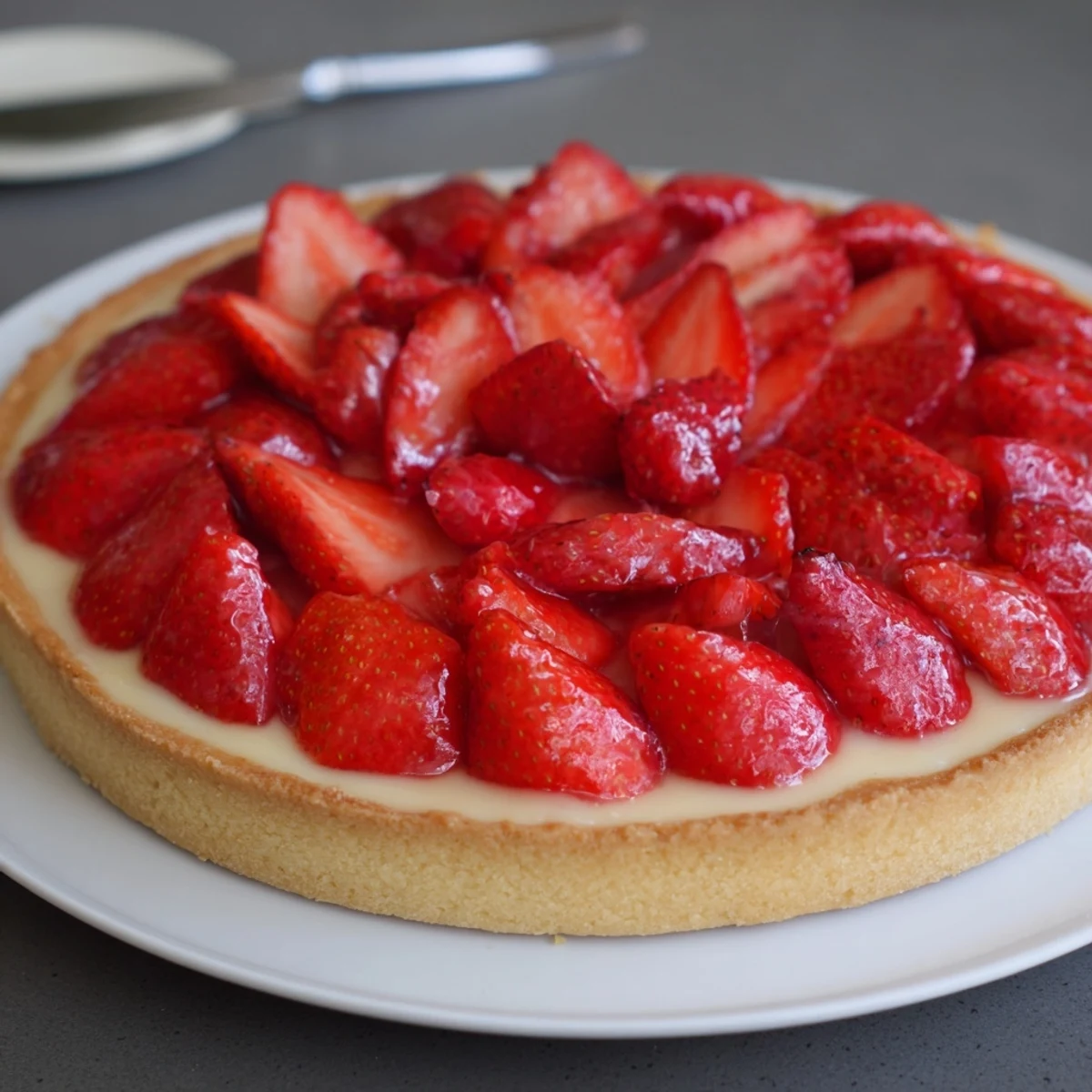
Save Cette tarte aux fraises réunit une pâte sablée fondante, une crème pâtissière vanillée bien lisse et des fraises fraîches disposées harmonieusement. La pâte se cuit à blanc pour rester croustillante, la crème s'épaissit à feu doux puis se laisse refroidir au contact pour éviter la peau.
Avant de servir, nappez les fruits d'un voile de confiture d'abricot chauffée pour la brillance et réfrigérez au moins une heure afin de raffermir l'ensemble.
There&aposs something poetic about the sight of glossy strawberries nestled atop a silky custard, and I realized it the first time I opened the kitchen window on a May afternoon and set out to make this Tarte aux Fraises. The sun pooled across the countertop, highlighting the sparkle of sugar dusted on my hands and the tiny green tops I clipped from the freshest berries I could find. Each step in this recipe moves with the rhythm of spring – a little patience, a lot of color, and a gentle sweetness to finish. I never expected the process to be as joyful as the slice that follows.
One afternoon, I made this tart for my cousin&aposs birthday picnic, and the moment the first slice was served, all conversation paused – even the birds seemed to hush, as if our forkfuls deserved full attention. We sat, grass tickling our toes, debating which was better: the rich, vanilla-laced pastry cream or the sweet-tart strawberries. The answer, of course, was together. It&aposs now a family running joke that no warm-weather celebration is official until this tart appears.
Ingredients
- Flour: Use all-purpose flour for a sturdy but tender crust; sift it to avoid lumps.
- Cold Butter: The trick is working quickly so it stays firm, creating pastry layers that melt beautifully.
- Powdered Sugar: This blends more smoothly than granulated, keeping the dough delicate.
- Egg: It binds the dough and enriches the shortcrust; room temp eggs are easier to incorporate.
- Salt: A pinch brings out the other flavors—don&apost skip it.
- Whole Milk: Gives the pastry cream its rich, creamy base.
- Vanilla Bean or Extract: A fresh pod gives lovely specks, but a good extract still brings floral notes.
- Sugar: Essential for balancing the fruit and creaminess.
- Egg Yolks: Only yolks for the softest, richest custard texture.
- Cornstarch (Maïzena): It thickens the cream without making it overly dense.
- Butter for Pastry Cream: Finished with butter, it turns the cream silky and lush.
- Fresh Strawberries: The season&aposs sweetest make the biggest impact; pick ripe but firm berries.
- Apricot Jam: When warmed, it makes the fruit shimmer and holds everything in place.
- Water: Just a splash loosens the jam for glazing.
Instructions
- Make the Shortcrust:
- Tumble your flour, salt, and powdered sugar into a bowl and stir gently. Rub the cold butter through your fingers until the mix looks like sandy pebbles, then work in the egg until a soft dough forms (your hands will know when it&aposs ready). Gather into a ball, wrap, and let it rest in the fridge – it helps everything relax for rolling.
- Bake the Shell:
- Heat the oven to 180°C. Roll out the chilled dough and ease it into your tart mold, trimming the edges. Prick the base, cover with parchment and baking weights, then bake for 20 minutes, lifting the weights for the last 10 so all gets a light golden flush. Let it cool completely so the crust stays crisp.
- Cook the Pastry Cream:
- Warm the milk gently with vanilla until just steaming. In a separate bowl, whisk yolks and sugar until pale, then add the cornstarch and mix until smooth. Pour in a little hot milk (to temper), whisk well, then return everything to the pan. Stir over medium heat and watch as it thickens to a glossy custard, then stir in the butter off heat for a silky finish. Press cling film directly onto the surface and chill to avoid a skin forming.
- Prep the Strawberries:
- Hull the berries and slice or halve them to your taste. Keep a few whole if you love that dramatic effect on top.
- Assemble the Tart:
- Spread the cold pastry cream evenly into your cooled crust, smoothing it out to the edges. Artfully arrange your strawberries on top – overlapping, spiral, or haphazard, whatever feels right.
- Glaze for Shine:
- Gently heat jam with water until liquid, then lightly brush the mixture over each berry. This step not only brings shine but also seals in freshness.
- Chill and Serve:
- Refrigerate the tart for an hour before slicing – this helps flavors meld and keeps each slice picture-perfect.
 Save
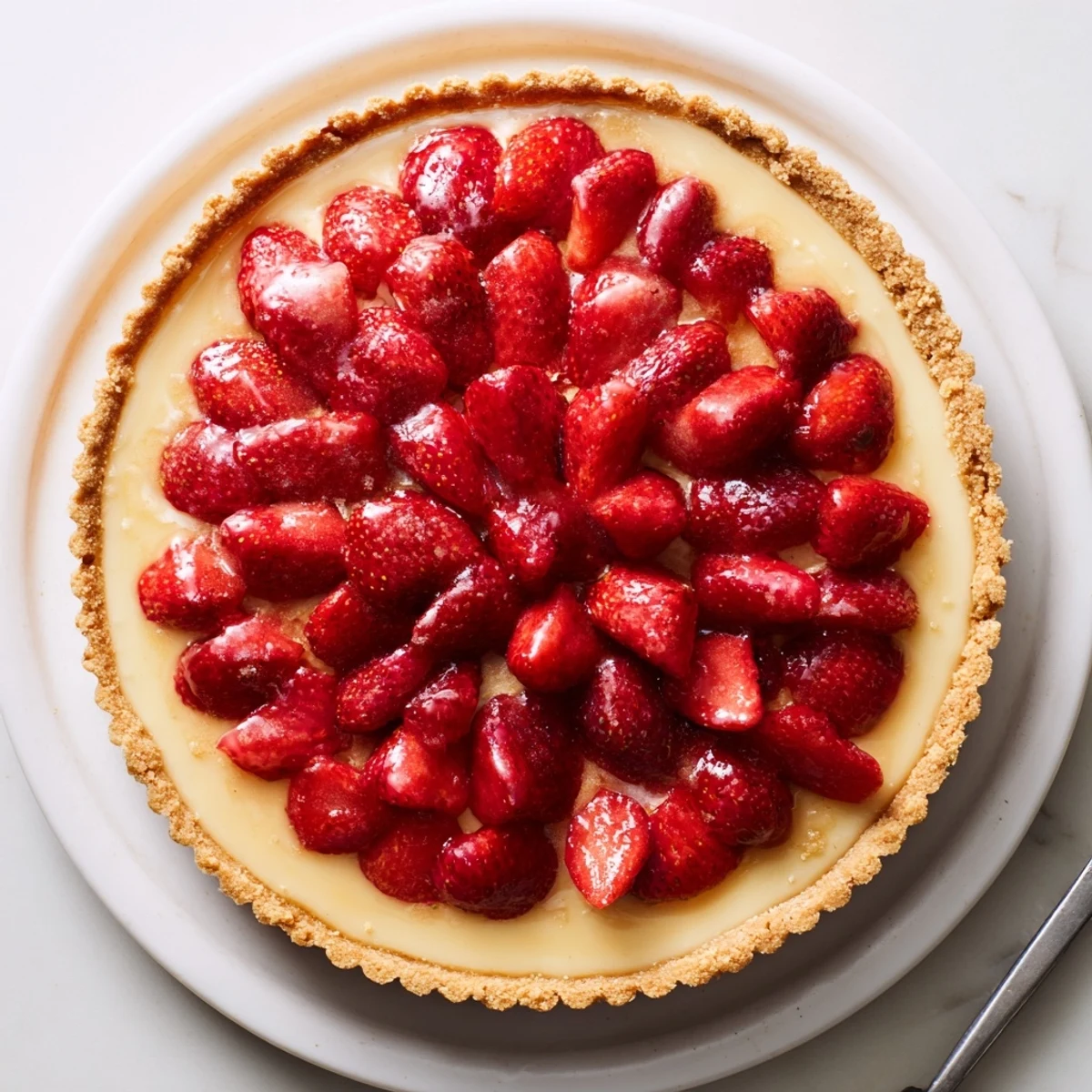
Save When I sliced into this tart for a summer lunch with friends, someone confessed it reminded them of café windows in Paris—so pretty, it felt almost too special for a backyard spread. In that moment, with laughter and powdered sugar floating in the air, it was more than dessert—it was simple happiness dressed up.
Making the Tart for a Crowd
If you're feeding a bigger group, bake two tarts side by side on separate shelves and swap their positions halfway through for even results. Lining up the strawberry slices is oddly meditative when you have company, as everyone tends to offer their own 'most beautiful pattern' advice.
Switching Up the Flavors
Once, when strawberries were less sweet, I added lemon zest to the pastry cream and it lifted everything – don&apost hesitate to riff if your berries need a boost. If apricot jam isn&apost handy, a touch of red currant or even apple jelly will get that professional gleam.
Essential Tools and Troubleshooting
A loose-bottom tart pan saves you when unmolding – trust me, I once lost a crust to a regular dish and never looked back.
- Cool your crust fully before adding cream, or it will melt and seep.
- If the pastry cream turns lumpy, whisk vigorously off the heat to smooth it out.
- Arrange strawberries just before glazing so everything stays looking fresh and bright.
 Save
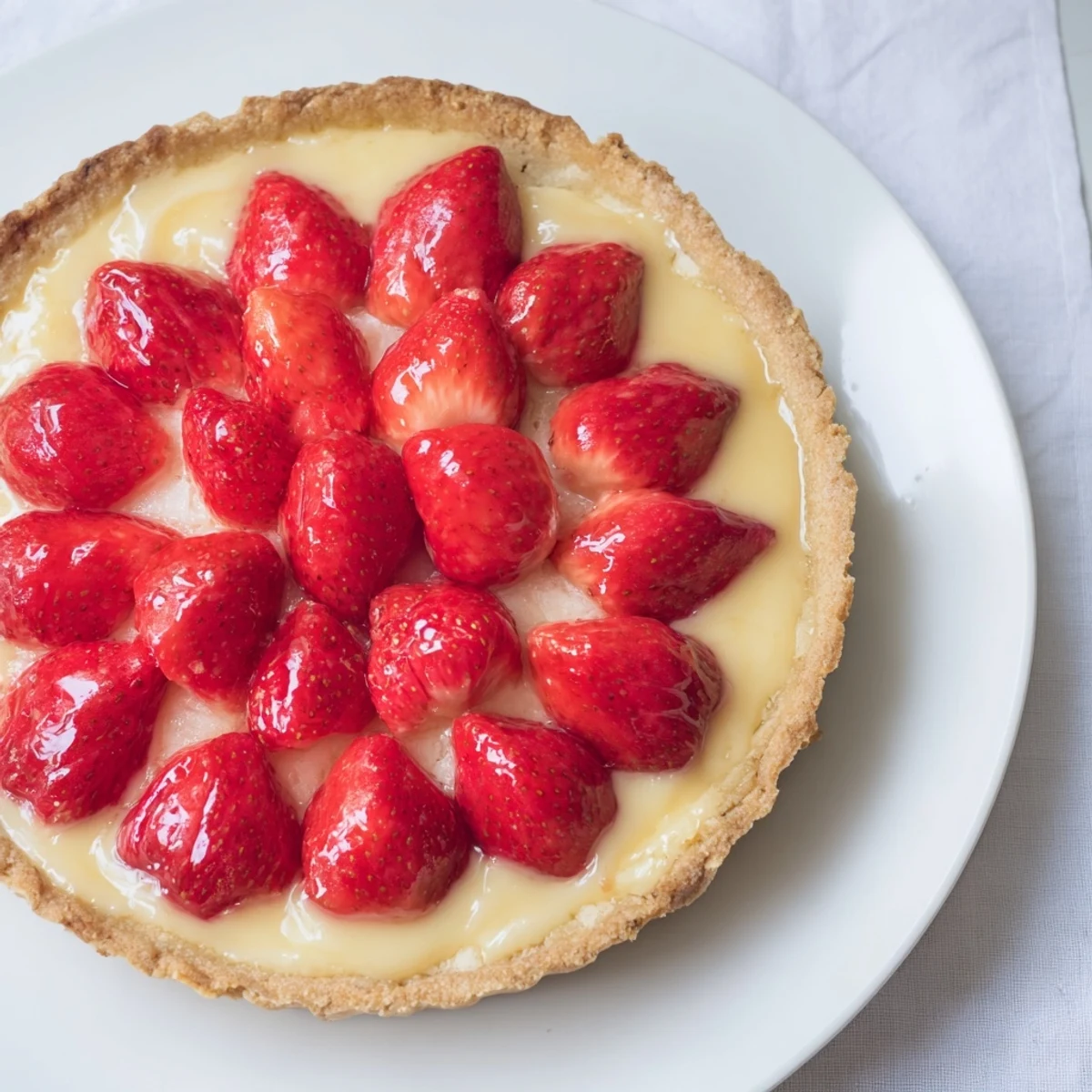
Save May this Tarte aux Fraises bring smiles to your table as it has mine – any excuse to celebrate strawberries is a good one. Happy baking, and bon appétit.
Recipe FAQs
- → Comment cuire la pâte à blanc ?
-
Préchauffez le four à 180°C, foncez le moule, piquez le fond, recouvrez de papier sulfurisé et de poids. Cuisez 20 minutes, retirez les poids puis prolongez 8–12 minutes jusqu'à légère coloration. Laissez complètement refroidir avant le montage.
- → Comment obtenir une crème pâtissière bien lisse ?
-
Fouettez les jaunes et le sucre, incorporez la maïzena, puis tempérez avec un peu de lait chaud. Reversez le mélange et cuisez en remuant jusqu'à épaississement. Hors du feu, incorporez le beurre et filmez au contact pour éviter la formation d'une peau.
- → Quelle variété de fraises privilégier ?
-
Choisissez des fraises fermes et parfumées (gariguette, ciflorette ou autre variété locale). Épongez-les délicatement pour réduire l'humidité au montage et conservez-les au frais jusqu'à l'assemblage.
- → Peut-on préparer des éléments à l'avance ?
-
Oui : la pâte sablée et la crème pâtissière se préparent la veille. Montez la tarte et nappez les fraises juste avant de servir pour préserver la texture des fruits. Réfrigérez au moins 1 heure avant consommation.
- → Comment réussir un nappage brillant ?
-
Chauffez légèrement la confiture d'abricot avec une cuillère d'eau, filtrez si besoin et badigeonnez au pinceau les fraises. Le nappage apporte brillance et une fine protection contre l'humidité.
- → Quelles substitutions pour la maïzena ?
-
Vous pouvez remplacer la maïzena par de la farine tout usage en augmentant légèrement la quantité, ou utiliser de la fécule de pomme de terre ; ajustez la cuisson jusqu'à obtenir la consistance désirée.