
 Save
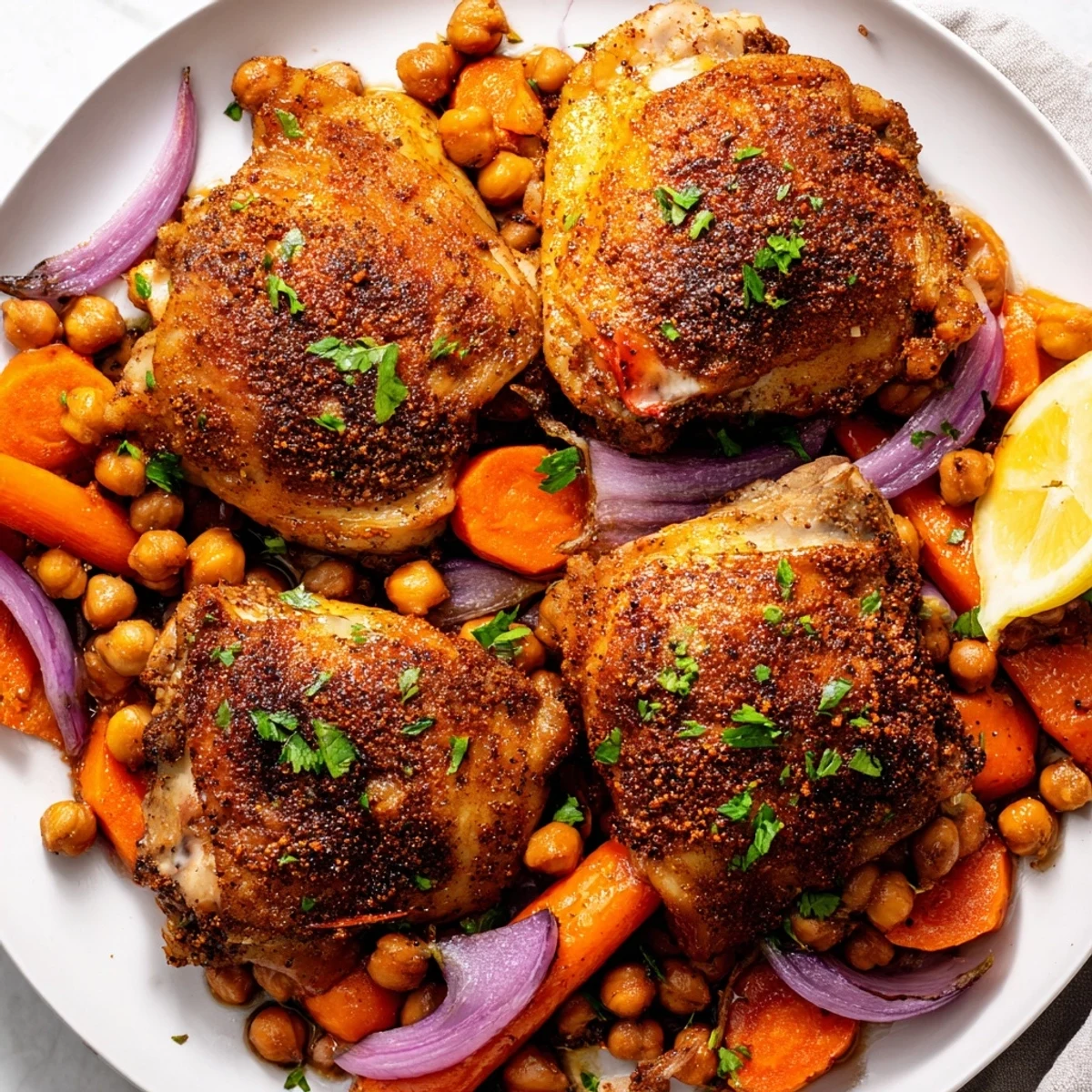
Save This one-pan Middle Eastern dish brings together golden, sumac-crusted chicken thighs with tender roasted carrots and chickpeas. The warm spice blend of sumac, cumin, smoked paprika, and coriander infuses everything with deep, aromatic flavor.
Simply toss the vegetables in a roasting pan, place the seasoned chicken on top, and let the oven do the work. In about 45 minutes, you'll have a complete, gluten-free meal that's perfect for weeknight dinners.
Serve with lemon wedges and fresh parsley for a bright finish. It also pairs beautifully over rice, couscous, or alongside warm flatbread.
The smell of sumac always stops me mid thought, somewhere between lemon zest and dried berries, and it pulls me straight into a friends tiny Jerusalem apartment where she shook the rust colored powder over everything without measuring. That dinner was just roasted vegetables and chicken, nothing fancy, but the tang changed how I thought about weeknight cooking forever. I came home and emptied three spice jars trying to recreate it. This recipe is the version that finally stuck.
I made this for a rainy Tuesday dinner when the fridge was nearly empty and a can of chickpeas was the only thing standing between me and a bowl of cereal. My partner walked in, sniffed the air, and asked if we had guests coming. We did not, but we ate like we did, tearing into the chicken with our hands and scooping up the caramelized carrots with flatbread straight from the pan.
Ingredients
- 4 bone in, skin on chicken thighs: The skin crisps up beautifully in the oven and keeps the meat juicy underneath.
- 4 medium carrots, peeled and sliced diagonally: Diagonal cuts give more surface area for browning and look elegant with no extra effort.
- 1 can (425 g) chickpeas, drained and rinsed: Rinsing removes the canning liquid and lets the chickpeas absorb the spice flavors directly.
- 1 red onion, thinly sliced: Red onion sweetens as it roasts and adds beautiful color contrast against the golden chicken.
- 3 garlic cloves, minced: Minced garlic melts into the pan juices and seasons everything underneath the chicken.
- 2 tbsp olive oil: Use a generous hand here because it carries the spices and helps the skin crisp.
- 2 tsp ground sumac: This is the soul of the dish, so make sure your sumac is fresh and fragrant, not dusty and dull.
- 1 tsp ground cumin: Adds warmth and an earthy backbone that balances the bright sumac.
- 1/2 tsp smoked paprika: A gentle smokiness that makes the whole pan taste like it came off a grill.
- 1/2 tsp ground coriander: Subtle and floral, it bridges the gap between the bold spices.
- 1/4 tsp ground black pepper: Just enough to give a mild heat at the edges of each bite.
- 1 tsp salt: Sounds basic but proper salting is what makes the difference between flat and vibrant.
- 2 tbsp chopped fresh parsley: A handful at the end wakes everything up with freshness and green color.
- Lemon wedges: Squeeze generously over each plate right before eating for a final hit of brightness.
Instructions
- Warm up the oven:
- Set your oven to 400°F (200°C) and let it come fully to temperature while you prep. A properly hot oven is what gives you that golden, crackled skin.
- Build the spice paste:
- In a large bowl, stir together the olive oil, sumac, cumin, smoked paprika, coriander, salt, and pepper until it forms a fragrant, rust colored paste. Take a moment to actually smell it because that aroma is your promise of what is coming.
- Coat the chicken:
- Add the chicken thighs to the bowl and use your hands to rub the spice mixture over every surface, getting under the skin slightly if you can. This is messy work but the kind of mess that pays off.
- Prep the vegetable bed:
- Scatter the sliced carrots, drained chickpeas, red onion, and minced garlic into a large roasting pan, drizzle with a little extra olive oil, sprinkle with a pinch of salt, and toss everything together with your hands.
- Nestle the chicken on top:
- Arrange the seasoned chicken thighs skin side up directly over the vegetables so the juices will drip down as they cook. Think of the vegetables as a sponge waiting to soak up all that flavor.
- Roast until golden:
- Slide the pan into the oven and roast for 40 to 45 minutes until the chicken skin is deeply golden and the internal temperature reaches 165°F (74°C). The carrots should be tender and the chickpeas will have crispy edges.
- Finish and serve:
- Let the pan rest for five minutes, then scatter the chopped parsley over everything and serve with lemon wedges on the side. Squeeze the lemon over each portion right at the table for the brightest flavor.
 Save
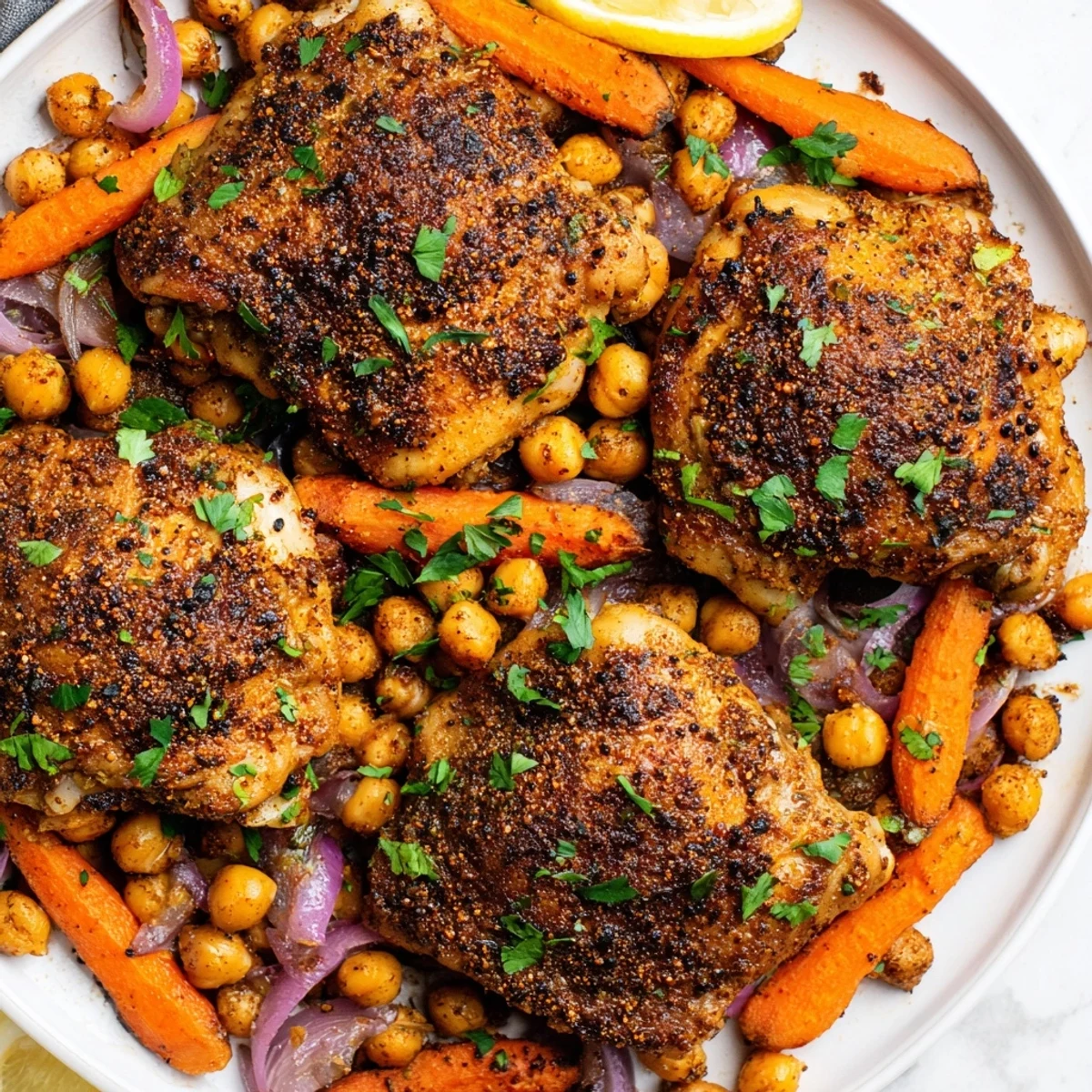
Save There is something deeply satisfying about pulling an entire dinner out of the oven on one pan, the chicken glistening and the vegetables caramelized underneath. It feels almost too easy for how good it looks.
What To Serve Alongside
This dish loves anything starchy and soft that can soak up the pan juices. Fluffy couscous or warm flatbread are my go to choices, but a bed of basmati rice works beautifully too. A crisp green salad with a simple lemon vinaigrette on the side adds crunch and keeps the meal from feeling heavy. If you want to lean into the Middle Eastern theme, a dollop of yogurt alongside brings a cool, creamy contrast to the warm spices.
Making It Your Own
Chicken thighs are forgiving and flavorful, but you can swap in drumsticks or even boneless chicken pieces if that is what you have. Just remember that boneless cuts cook faster, so start checking around the 25 minute mark. Sweet potatoes or parsnips make great substitutes for carrots, and a handful of cherry tomatoes tossed in during the last fifteen minutes bursts into little pockets of sweetness. The spice blend is flexible too, so add a pinch of cinnamon or turmeric if you are feeling adventurous.
Storing and Reheating
Leftovers keep well in an airtight container in the fridge for up to three days, and honestly I think the chickpeas taste even better the next day after soaking up all those flavors overnight. Reheat gently in a 350°F oven to bring the chicken skin back to life, or use a microwave if crispy skin is not your priority. The vegetables soften as they sit, which makes them perfect for tossing into a wrap or a grain bowl the next afternoon.
- Let the dish cool completely before covering and refrigerating to prevent condensation from making everything soggy.
- The chicken can be shredded off the bone and stirred into the leftover vegetables for a quick lunch.
- Do not freeze the assembled dish because the texture of the carrots and chickpeas changes after thawing.
 Save
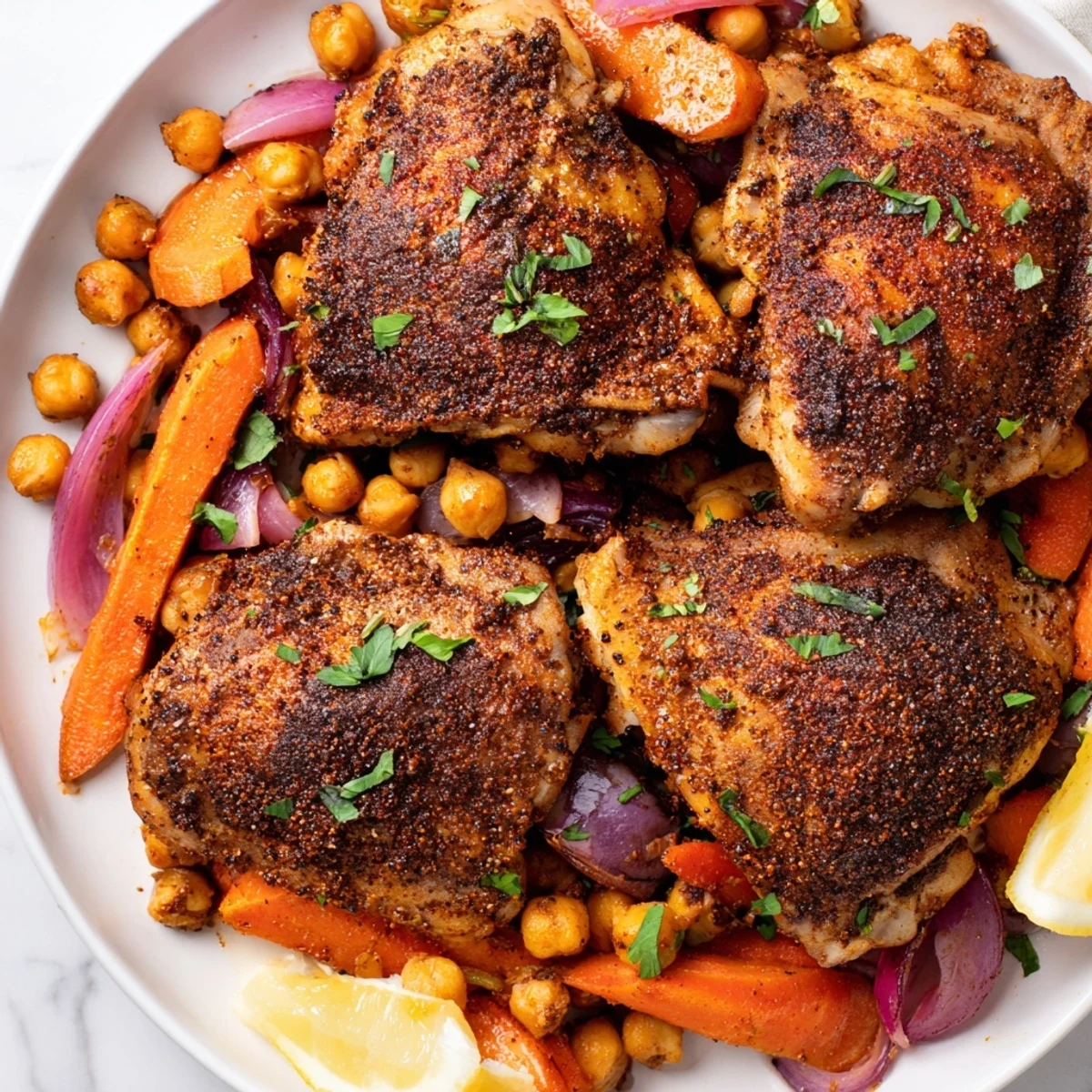
Save Some dinners are about effort and others are about letting the oven do the talking, and this one sits squarely in that second, happier category. Make it once and it will quietly become the thing you reach for whenever you want dinner to feel special without making it complicated.
Recipe FAQs
- → Can I use boneless chicken instead of bone-in thighs?
-
Yes, boneless chicken thighs work well. Reduce the roasting time to about 25–30 minutes since boneless cuts cook faster. Keep an eye on the internal temperature to avoid drying out the meat.
- → What does sumac taste like?
-
Sumac has a tangy, citrusy flavor with a slightly fruity undertone. It adds brightness without the acidity of lemon juice, making it a staple in Middle Eastern cooking. It pairs naturally with chicken and roasted vegetables.
- → Can I prepare the chicken ahead of time?
-
Absolutely. You can marinate the chicken in the olive oil and spice mixture for up to 2 hours in the refrigerator before roasting. This actually deepens the flavor and makes the skin even more delicious when roasted.
- → What should I serve with this dish?
-
This dish works well over rice, couscous, or alongside warm flatbread. A simple side salad with a lemon vinaigrette complements the flavors nicely. A crisp, citrusy white wine also makes a great pairing.
- → Is this dish gluten-free?
-
Yes, all the ingredients used are naturally gluten-free. Just be sure to check the label on canned chickpeas for any cross-contamination warnings if you have a severe gluten sensitivity or celiac disease.
- → Can I substitute the carrots with another vegetable?
-
Parsnips, sweet potatoes, or butternut squash all make excellent substitutes for carrots. Choose firm vegetables that hold up well to roasting at high heat for the best results.