
 Save
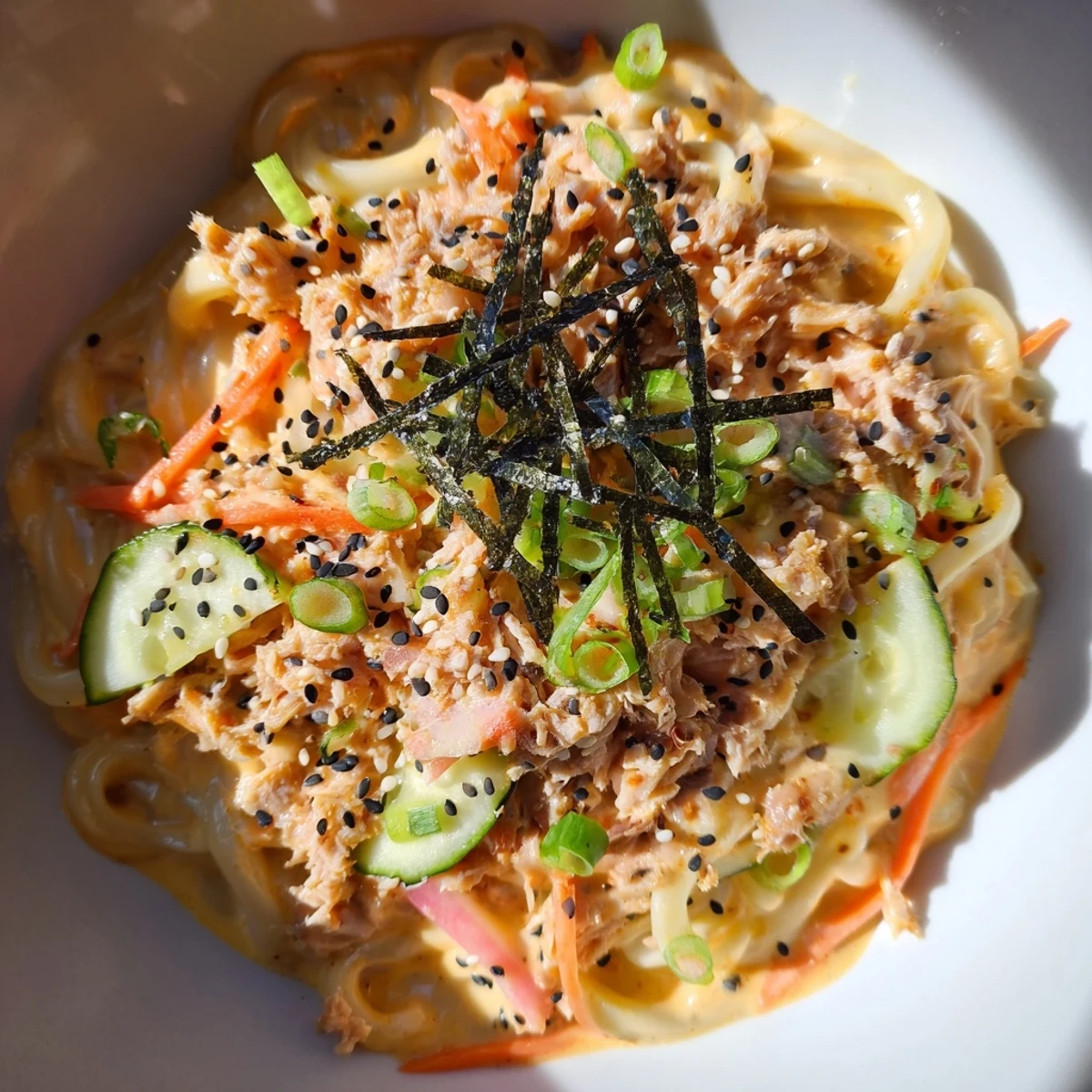
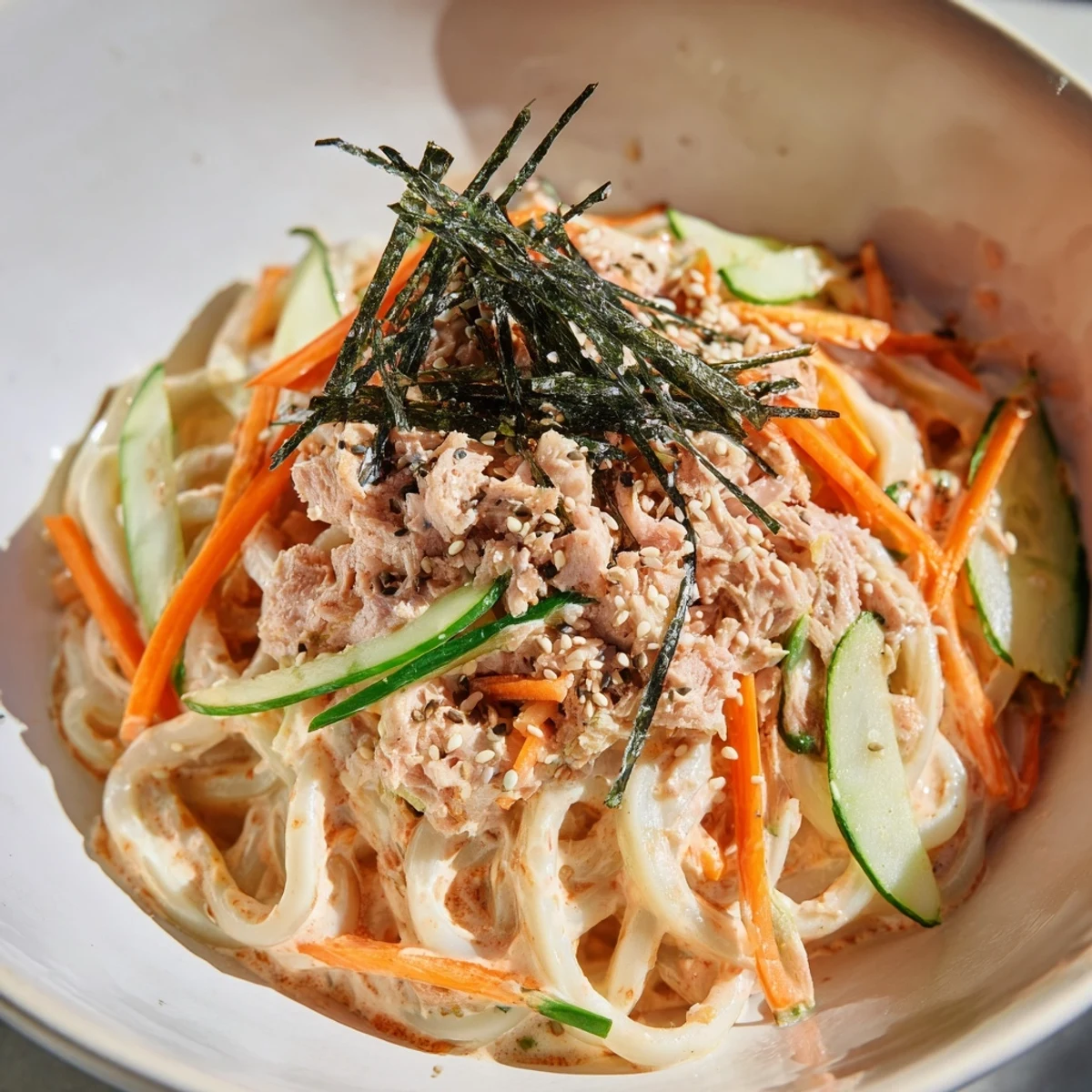
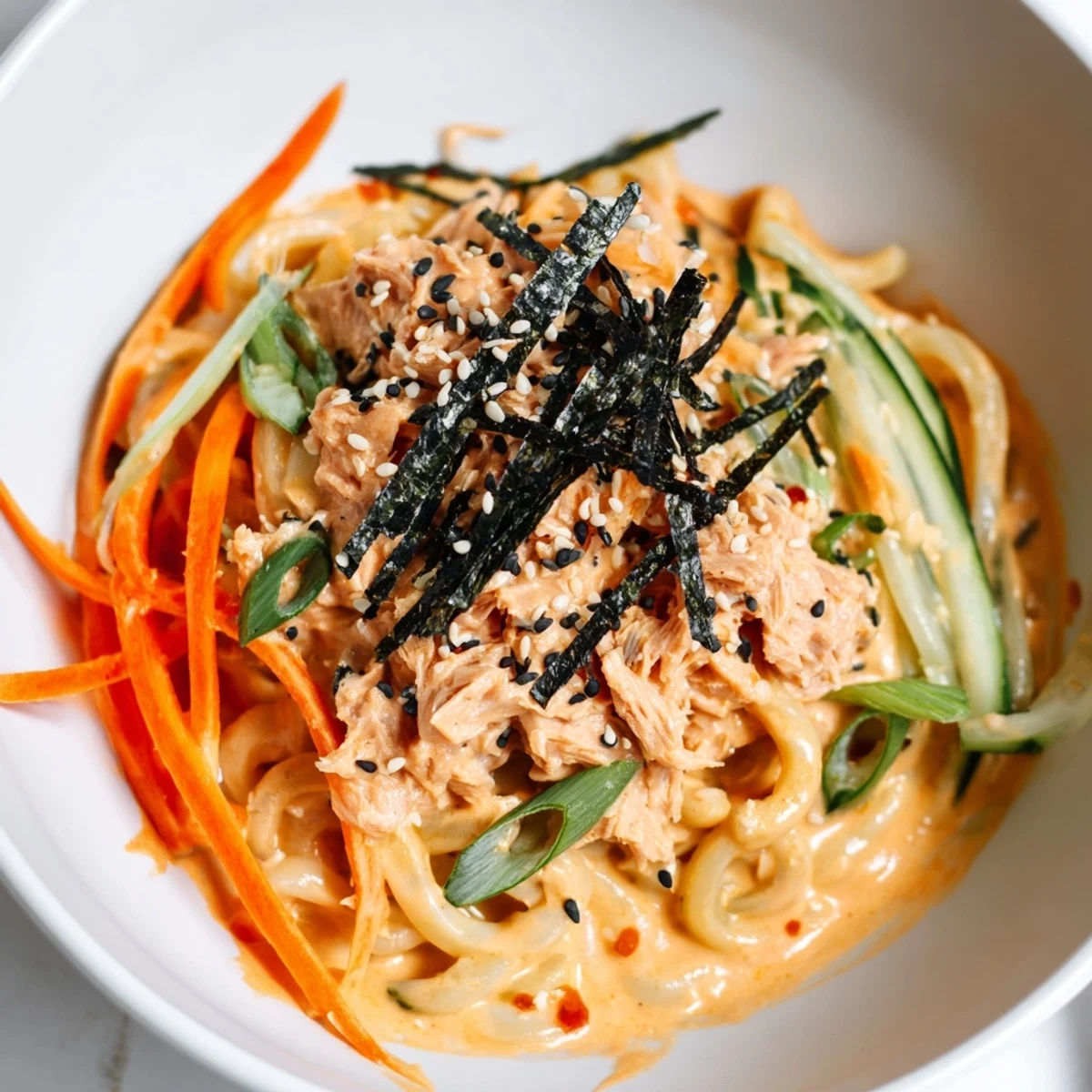
Save Enjoy vibrant Japanese flavors with this quick spicy tuna udon bowl. Thick chewy noodles combine with protein-rich tuna in a creamy Sriracha-mayo sauce, balanced by crisp cucumber and carrot. The dish comes together in just 25 minutes, making it ideal for weeknight dinners or satisfying lunches.
Customize the heat level to your preference and finish with toasted sesame seeds and nori for authentic texture and umami depth.
The exhaust fan in my tiny apartment kitchen was worthless, and that is exactly how I discovered that Sriracha and sesame oil together could perfume an entire hallway at eleven oclock on a Tuesday night. My neighbor knocked not to complain but to ask what I was eating, and we ended up sharing this bowl of noodles standing over the counter with mismatched chopsticks. It was one of those accidental dinners born from a nearly empty fridge and a can of tuna I had been ignoring for weeks. Now it is the thing I crave when I want something fast that still feels like I treated myself.
I made this for my friend Mika during a summer heat wave when neither of us wanted to turn on the stove for longer than absolutely necessary. She took one bite, closed her eyes, and said it reminded her of a noodle bar she used to visit after school in Osaka. We sat on the kitchen floor with the bowl between us and ate the whole thing in five minutes flat.
Ingredients
- 200 g fresh or frozen udon noodles: Fresh udon has that chewy bouncy texture that makes the dish, but frozen works beautifully too, and I always keep a pack in the freezer for emergencies.
- 120 g canned tuna in water, drained: Canned tuna is the humble hero here, and draining it thoroughly is the trick to avoiding a watery sauce.
- 1/2 cup julienned carrot: Thin matchsticks give you a satisfying crunch without overpowering each bite.
- 1/2 cup thinly sliced cucumber: It cools the heat and adds freshness, and I sometimes use Persian cucumbers for extra snap.
- 2 spring onions, sliced: The sharp green bite cuts through the richness of the mayo based sauce.
- 1 tablespoon pickled ginger, finely chopped: This is optional but it adds a tangy sweetness that lifts the whole bowl.
- 2 tablespoons mayonnaise, preferably Japanese Kewpie: Kewpie is richer and slightly sweeller than regular mayo, and it makes the sauce noticeably silkier.
- 1 tablespoon Sriracha: Adjust to your comfort level, and know that the heat mellows slightly once mixed with the other ingredients.
- 1 tablespoon soy sauce: It provides the salty umami backbone that ties everything together.
- 1 teaspoon sesame oil: Just a small amount gives that unmistakable toasty aroma, and a little goes a long way.
- 1 teaspoon rice vinegar: A gentle acidity that brightens the sauce and keeps it from feeling too heavy.
- 1/2 teaspoon sugar: It balances the heat and acid, and you would be surprised how much difference half a teaspoon makes.
- 1 tablespoon toasted sesame seeds: Sprinkle generously for a nutty finish and a bit of texture.
- 1 sheet nori, torn into small pieces: Tearing it by hand right before serving gives you those crinkly salty bits that make each bite exciting.
- Fresh chili slices: Entirely optional but if you love heat, a few thin rings on top are beautiful and fierce.
Instructions
- Boil the noodles:
- Cook the udon according to the package directions, then drain and rinse under cold running water until the noodles are completely cooled. This stops the cooking and washes off excess starch so the sauce adheres properly.
- Build the spicy tuna sauce:
- In a large mixing bowl, combine the drained tuna, mayonnaise, Sriracha, soy sauce, sesame oil, rice vinegar, and sugar. Stir with a fork, breaking up the tuna as you go, until you have a thick spicy mixture that smells incredible.
- Fold in the vegetables:
- Add the julienned carrot, sliced cucumber, spring onions, and pickled ginger to the bowl. Toss gently so the vegetables are evenly distributed without getting crushed.
- Coat the noodles:
- Add the cooled udon noodles to the bowl and use tongs or your chopsticks to toss everything together until every strand is glossed with sauce. Take your time here because even coating is what makes each bite satisfying.
- Plate and garnish:
- Divide between two bowls and top with toasted sesame seeds, torn pieces of nori, and fresh chili slices if you are using them. Serve right away while the noodles are still cool and the flavors are bright.
 Save
Save The night I made this for myself during a rainstorm, I realized that some meals do not need to be shared to be meaningful. Eating alone with good noodles and a slightly too spicy sauce while the windows fogged up felt like its own quiet kind of celebration.
Making It Your Own
This recipe is wonderfully forgiving and I have never made it exactly the same way twice. Try adding edamame for extra protein, swap in shredded cabbage for crunch, or use soba noodles if that is what you have on hand. A soft boiled egg with a jammy yolk perched on top turns it into something that feels almost luxurious.
A Note on Heat Level
I learned the hard way that the Sriracha heat builds as the dish sits, so what tastes mild at first can sneak up on you ten minutes later. Start with less if you are sensitive, and keep a bottle of chili oil nearby for those who want to add their own fire at the table.
Allergens and Adjustments
This bowl contains fish, eggs, soy, and sesame, so it is not for everyone as written, but substitutions are easy. Use a vegan mayo and chickpeas instead of tuna for a plant based version that still hits all the same flavor notes.
- Check your Kewpie mayo label if mustard is a concern for anyone at the table.
- Gluten free tamari works perfectly in place of regular soy sauce for a gluten free version.
- Always double check condiment labels because hidden allergens love to hide in sauces.
 Save
Save Keep this recipe in your back pocket for those nights when you want something bold and satisfying without turning your kitchen into a disaster zone. It is proof that a can of tuna and a little creativity can go a long way.
Recipe FAQs
- → Can I use fresh tuna instead of canned?
-
Yes, fresh cooked tuna works beautifully. Simply grill, pan-sear, or poach fresh tuna until cooked through, then flake into pieces before tossing with the spicy sauce. Fresh tuna provides a slightly firmer texture and cleaner flavor.
- → How do I store and reheat leftovers?
-
Store components separately in airtight containers in the refrigerator for up to 2 days. Keep noodles and tuna mixture apart to prevent sogginess. Serve cold or at room temperature—reheating may cause the sauce to separate.
- → What can I substitute for Sriracha?
-
Any chili paste works well—try gochujang for Korean flair, sambal oelek for pure heat, or chili garlic sauce for similar kick. Adjust quantities based on your spice tolerance and the condiment's intensity.
- → Is this dish served hot or cold?
-
This versatile bowl shines both ways. The noodles can be served chilled for a refreshing summer meal, at room temperature for lunch, or gently warmed if you prefer comfort food. The flavors develop beautifully either way.
- → Can I make the sauce ahead of time?
-
Absolutely. Mix the spicy tuna sauce up to 24 hours in advance and refrigerate. The flavors actually meld and improve during this time. Let the sauce come to room temperature before tossing with freshly cooked noodles for best coating.
- → What vegetables work best in this dish?
-
julienned carrots and thinly sliced cucumbers provide ideal crunch and moisture balance. You can also add shredded cabbage, bell pepper strips, edamame, or steamed broccoli for extra nutrition and texture contrast.