
 Save
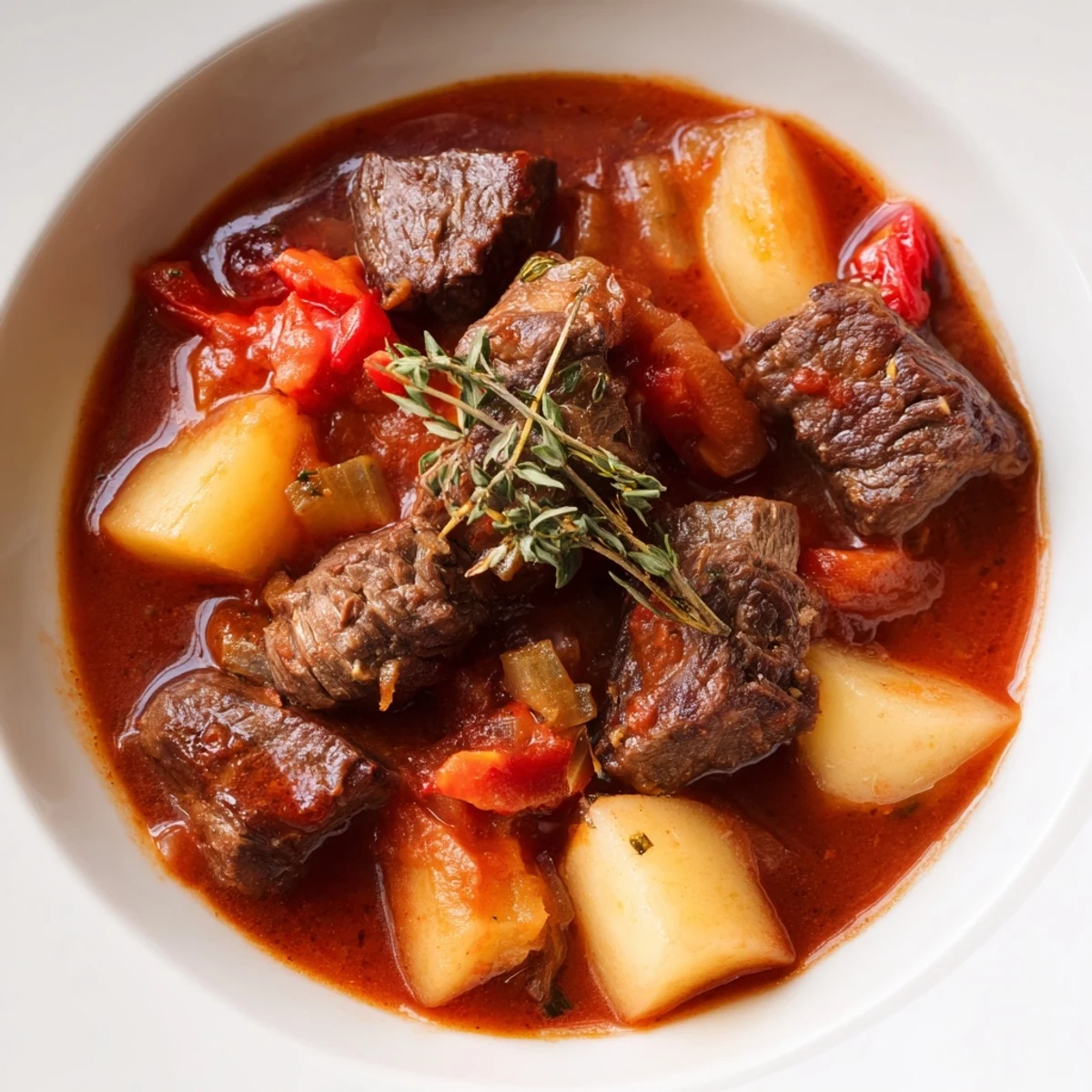
Save Brown well-seasoned beef in a heavy pot, then sauté onion, carrot and celery until softened. Stir in garlic and tomato paste, deglaze with red wine and reduce, then return the beef with diced tomatoes, broth and herbs. Simmer gently until meat is tender, add potatoes to finish and cook until sauce thickens. Resting overnight concentrates the flavors. Serve hot with polenta, mashed potatoes or crusty bread and a glass of Chianti.
The rain hammered against the kitchen window that Tuesday evening, and nothing in my pantry spoke to me until I spotted the beef chuck I had bought on impulse at the Italian market down the street. Two hours later, the entire apartment smelled like a trattoria in Bologna, and my roommate walked in, dropped her bag, and whispered that whatever was happening on the stove needed to happen every single week. That pot of spezzatino became our unofficial winter ritual, the dish we reached for when the world outside felt a little too cold and indifferent.
I once made this for my neighbor Marco, who grew up outside Florence and politely warned me that his mothers spezzatino was the standard by which he judged all versions. He took one bite, closed his eyes, and said nothing for a solid minute, which from Marco is the highest compliment imaginable. He asked for the recipe before he left, and I pretended I did not hear him.
Ingredients
- 800 g beef chuck, cut into 3 cm cubes: Chuck is the only cut worth using here because its marbling breaks down over the long braise and gives you that melt in your mouth texture that leaner cuts simply cannot achieve.
- 2 medium carrots, peeled and sliced: They add natural sweetness that balances the acidity of the tomatoes and wine.
- 2 celery stalks, chopped: Celery is the quiet backbone of Italian soffritto and you will miss it if you skip it.
- 1 large yellow onion, finely chopped: One generous onion is better than two shy ones because the fond it leaves in the pot is pure flavor gold.
- 2 medium potatoes, peeled and cubed: Added late so they hold their shape and soak up the braising liquid without dissolving into mush.
- 2 cloves garlic, minced: Fresh garlic only, and add it after the other vegetables have softened so it never burns or turns bitter.
- 400 g canned diced tomatoes: San Marzano if you can find them because the difference in sweetness and acidity is real and noticeable.
- 500 ml beef broth: Low sodium gives you control over the final seasoning.
- 120 ml dry red wine: Something you would actually drink because the alcohol burns off but the flavor stays behind.
- 2 tbsp tomato paste: This small amount concentrates the umami and deepens the color to that gorgeous brick red.
- 2 tbsp extra virgin olive oil: Good olive oil makes a difference when you are building fond on the beef.
- 2 bay leaves, 3 to 4 sprigs fresh thyme, 1 sprig fresh rosemary: Tie the herbs together or use them loose but remove every last stem and leaf before serving because biting into a bay leaf is an unpleasant surprise.
- Salt and freshly ground black pepper: Season in layers throughout the cooking process rather than all at once at the end.
Instructions
- Prep and season the beef:
- Pat the cubes completely dry with paper towels because moisture is the enemy of a good sear, then season generously with salt and pepper on all sides.
- Brown the beef in batches:
- Heat the olive oil in your heaviest pot over medium high heat and brown the beef in a single layer without crowding, letting each side develop a deep caramel crust before turning, then transfer to a plate and repeat.
- Build the soffritto:
- In the same pot with all those beautiful browned bits still clinging to the bottom, add the onions, carrots, and celery with a pinch of salt and cook until softened and fragrant, about 5 to 6 minutes, then stir in the garlic for one final minute.
- Toast and deglaze:
- Stir in the tomato paste and let it cook for 2 minutes until it darkens slightly and smells sweet, then pour in the wine and scrape up every bit of fond from the bottom of the pot because that is concentrated flavor you cannot afford to lose.
- Bring it all together:
- Return the beef and any juices that pooled on the plate back into the pot, add the diced tomatoes, broth, bay leaves, thyme, and rosemary, stir well, and bring everything to a gentle simmer.
- The slow braise:
- Cover the pot and reduce the heat to low, letting it bubble softly for 1.5 hours and stirring once or twice just to make sure nothing sticks to the bottom.
- Finish with potatoes:
- Add the cubed potatoes, taste and adjust the salt and pepper, then cook uncovered for another 30 minutes until the potatoes are fork tender and the sauce has thickened into a rich, glossy stew.
- Rest and serve:
- Remove and discard the bay leaves and herb stems, then let the stew rest for 5 minutes before ladling it into warm bowls alongside crusty bread, creamy polenta, or mashed potatoes.
 Save
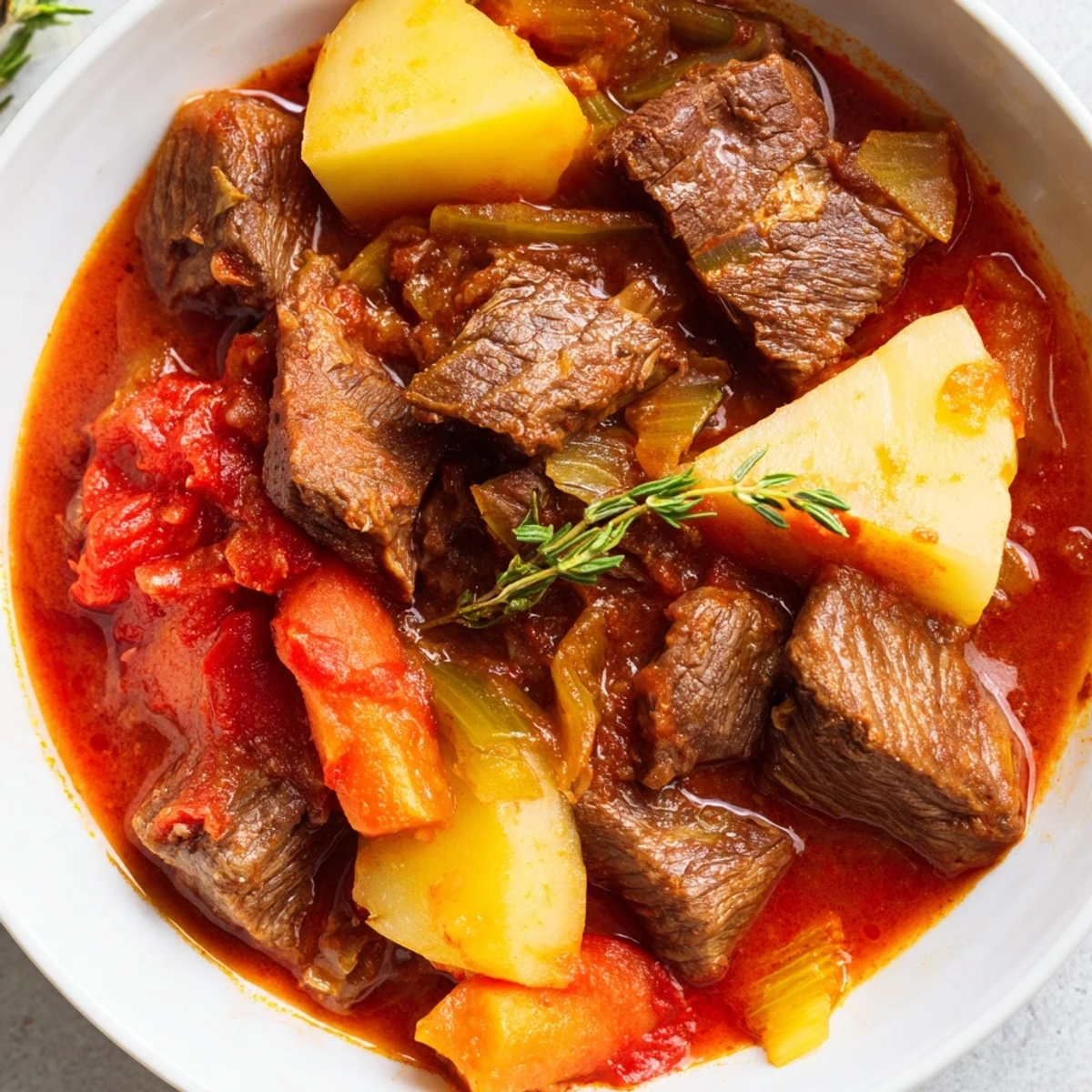
Save There is something profoundly grounding about a pot of spezzatino bubbling away on a Sunday afternoon while the rest of the world rushes past your window. It asks very little of you once the lid goes on, yet it gives back everything warmth, nourishment, and the kind of quiet satisfaction that only slow food can deliver.
The Right Pot Makes All the Difference
A heavy bottomed Dutch oven is not a suggestion here, it is the tool that makes this dish work by distributing heat evenly and holding a steady low simmer without hot spots that would scorch the bottom. I learned this the hard way with a thin stainless steel pot that left me with a blackened base and underwhelming meat after two hours of false promise.
Wine Pairing and Serving Thoughts
Pour yourself a glass of whatever wine went into the pot, preferably a Chianti or Barbera, because the stew and the glass were made for each other. A simple green salad with a sharp vinaigrette on the side cuts through the richness and makes the whole meal feel complete rather than heavy.
Making It Your Own
This recipe is forgiving by nature, which means you can fold in your own preferences without breaking anything fundamental about the dish. Some of my favorite variations have come from clearing out the vegetable drawer on a Wednesday night and discovering unexpected combinations.
- Toss in a handful of fresh or frozen peas during the last 10 minutes for a pop of sweetness and color.
- Replace the potatoes with sliced mushrooms if you want something earthier and slightly lighter.
- Always taste the stew right before serving because a final pinch of salt or a grind of pepper can transform the whole bowl.
 Save
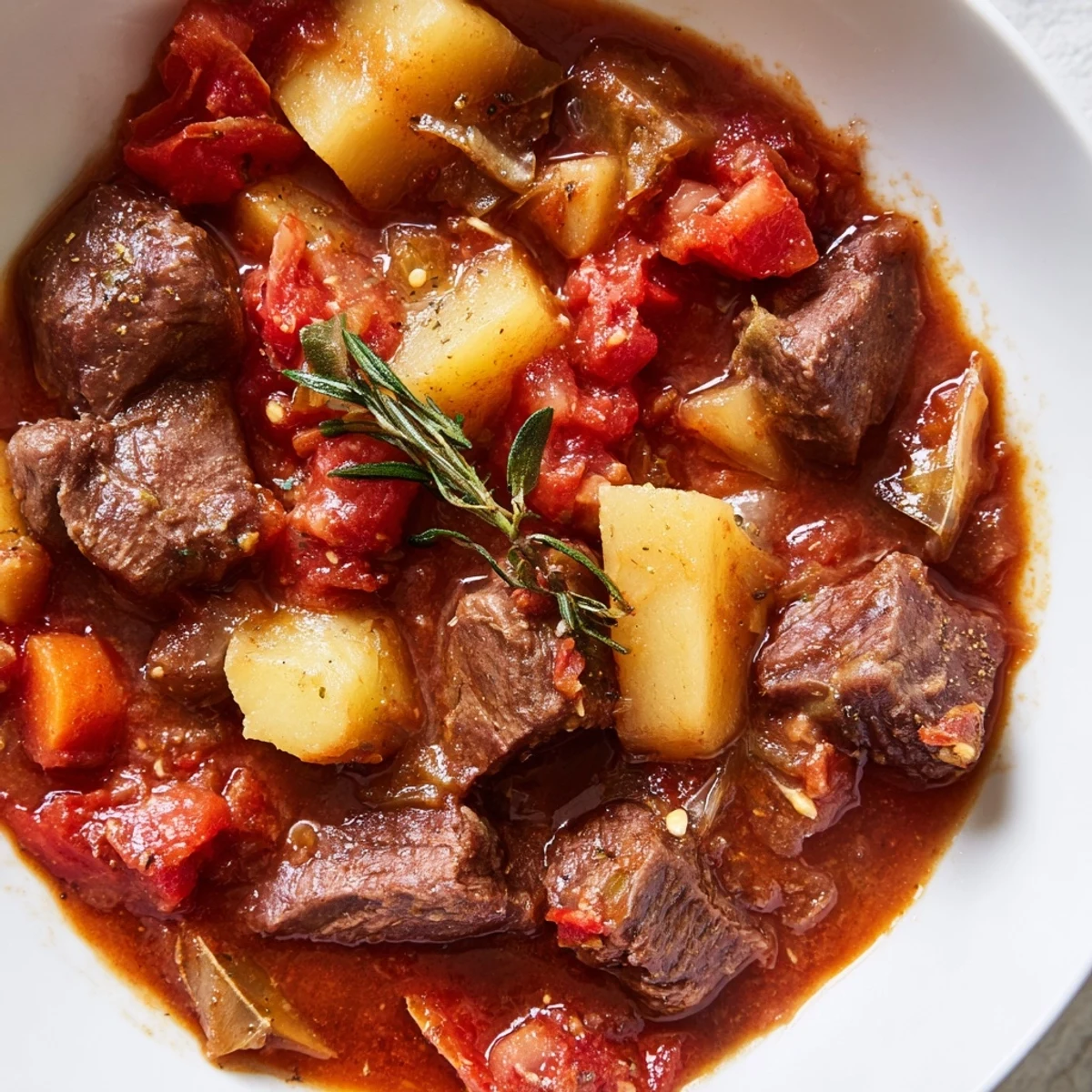
Save Every pot of spezzatino is a small act of faith that patience and simple ingredients can create something extraordinary. Ladle it generously, pass the bread, and let the table go quiet on its own.
Recipe FAQs
- → Which cut of beef works best?
-
Choose well-marbled chuck or shoulder cut into uniform cubes; the connective tissue breaks down during long, gentle cooking to yield tender, flavorful meat.
- → How do I achieve a rich, thick sauce?
-
Brown the meat thoroughly, reduce the wine after deglazing, and simmer uncovered toward the end so the liquid reduces. If needed, mash a few potatoes in the pot to naturally thicken the sauce.
- → Can I skip the red wine?
-
Yes — replace wine with an equal amount of beef broth plus a splash of balsamic vinegar or a teaspoon of tomato paste for acidity and depth.
- → Is it okay to make this ahead?
-
Absolutely. Cooling and refrigerating overnight deepens the flavors; reheat gently on low heat, adding a splash of broth if the sauce has thickened too much.
- → How should I brown the beef for best results?
-
Pat cubes dry, season, and brown in batches in hot oil without crowding the pan to develop a deep caramelized crust and fond for deglazing.
- → What sides and wines pair well?
-
Serve with polenta, mashed potatoes or crusty rustic bread. Medium-bodied Italian reds such as Chianti or Barbera complement the tomato and herb notes.