
 Save
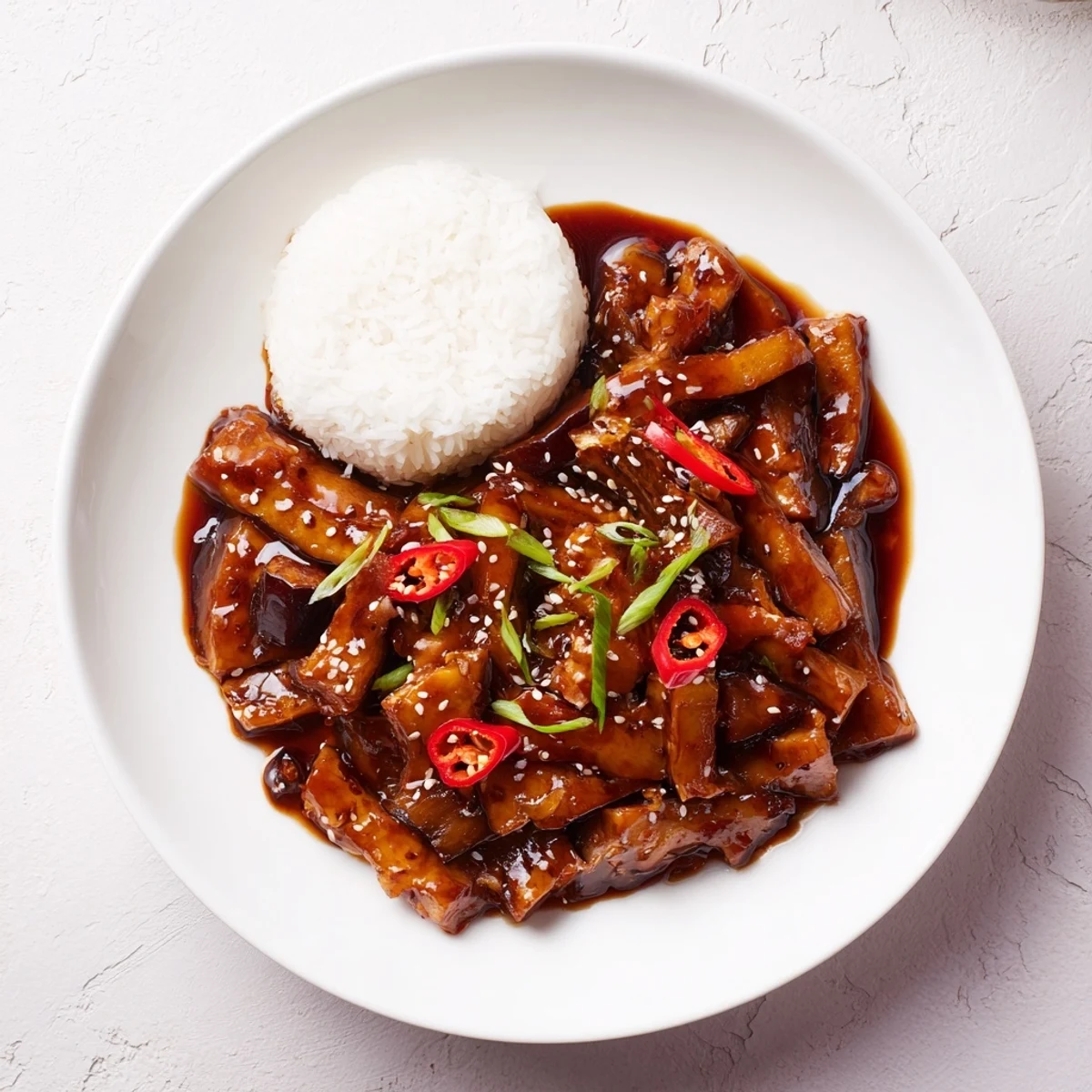
Save Salted aubergine batons are fried until golden, then simmered in a fragrant sauce of doubanjiang, soy, rice vinegar and stock until meltingly soft. A cornstarch slurry thickens the glossy sauce; finish with sesame oil and sliced spring onions. Ready in about 40 minutes and serves four as a comforting vegetarian main.
As the rain pattered softly against my kitchen window one evening, I found myself craving something both comforting and vibrant. That was the night this Sichuan Style Braised Aubergine first crackled in my wok, filling the air with that unmistakable tingle of chili and garlic. Instead of following a precise plan, I let my senses lead: a whiff of doubanjiang here, a handful of fresh ginger there. By the time I spooned it over a steaming mound of rice, the whole room felt like a warm invitation.
I’ll never forget making a double batch of this for my friends on a cool autumn night, kitchen windows fogged, laughter bouncing over the sizzle of the wok. Someone accidentally turned up the heat too much, which only made the sauce richer and the meal more memorable as we scooped up every last glossy morsel.
Ingredients
- Aubergines: Let them bathe in salt first so they turn out silk-tender, never spongy.
- Spring onions: They add color and that mild bite right at the finish.
- Garlic: Don’t hold back here—it’s your secret to bold, homey depth.
- Ginger: Chop it fine for pops of fresh zing throughout the dish.
- Red chili: Up to you for the heat—skip it or pile it on as your taste demands.
- Doubanjiang: The soul of the sauce; nothing else brings that briny, layered heat, so try to find it.
- Soy & dark soy sauces: Balance salty and caramel undertones; dark soy gives that gorgeous color.
- Rice vinegar: A splash wakes everything up and cuts the richness slightly.
- Sugar: Don’t leave it out; just a teaspoon smooths the sharpness and brings things together.
- Vegetable stock or water: Lets the aubergine simmer and soak up all those flavors.
- Vegetable oil: You need enough to get a golden crust but not drown the slices.
- Sesame oil: A drizzle at the end lifts everything—don’t skip it.
- Salt: For drawing out water and seasoning to your taste; go light to start.
- Cornstarch and water: The step that turns your sauce silky and glossy for the perfect finish.
Instructions
- Prep the Aubergines:
- Scatter salt over the aubergine batons and let them sulk for ten minutes; you’ll see beads of moisture forming—pat them dry so they fry up beautifully.
- Sear Until Golden:
- With the wok swirling and hot, tumble in the aubergine and listen for that soft hiss—give them space so each piece browns and yields under a gentle poke.
- Fragrant Aromatics:
- Spoon off excess oil, then toss in your ginger, garlic, and chili; breathe in as they bloom and fill the kitchen with warmth.
- Peppery Paste:
- Scoop in doubanjiang and stir until the oil blushes red, catching little bursts of deep, spicy aroma.
- Saucy Reunion:
- Return your aubergines, pour in both soy sauces, vinegar, sugar, and stock, stirring gently so nothing breaks apart—let every piece get coated with the glossy, fragrant liquid.
- Simmer Softly:
- Cover and turn down the heat; give the dish time to mellow and the flavors to hug each aubergine chunk, about 8–10 minutes.
- Silky Finish:
- Stir together cornstarch and water, then swirl into the sauce, watching as it thickens to a lacquered sheen in seconds.
- Final Flourish:
- Off the heat, add a trickle of sesame oil and tumble over your spring onions right before serving, so every bite is layered and bright.
 Save
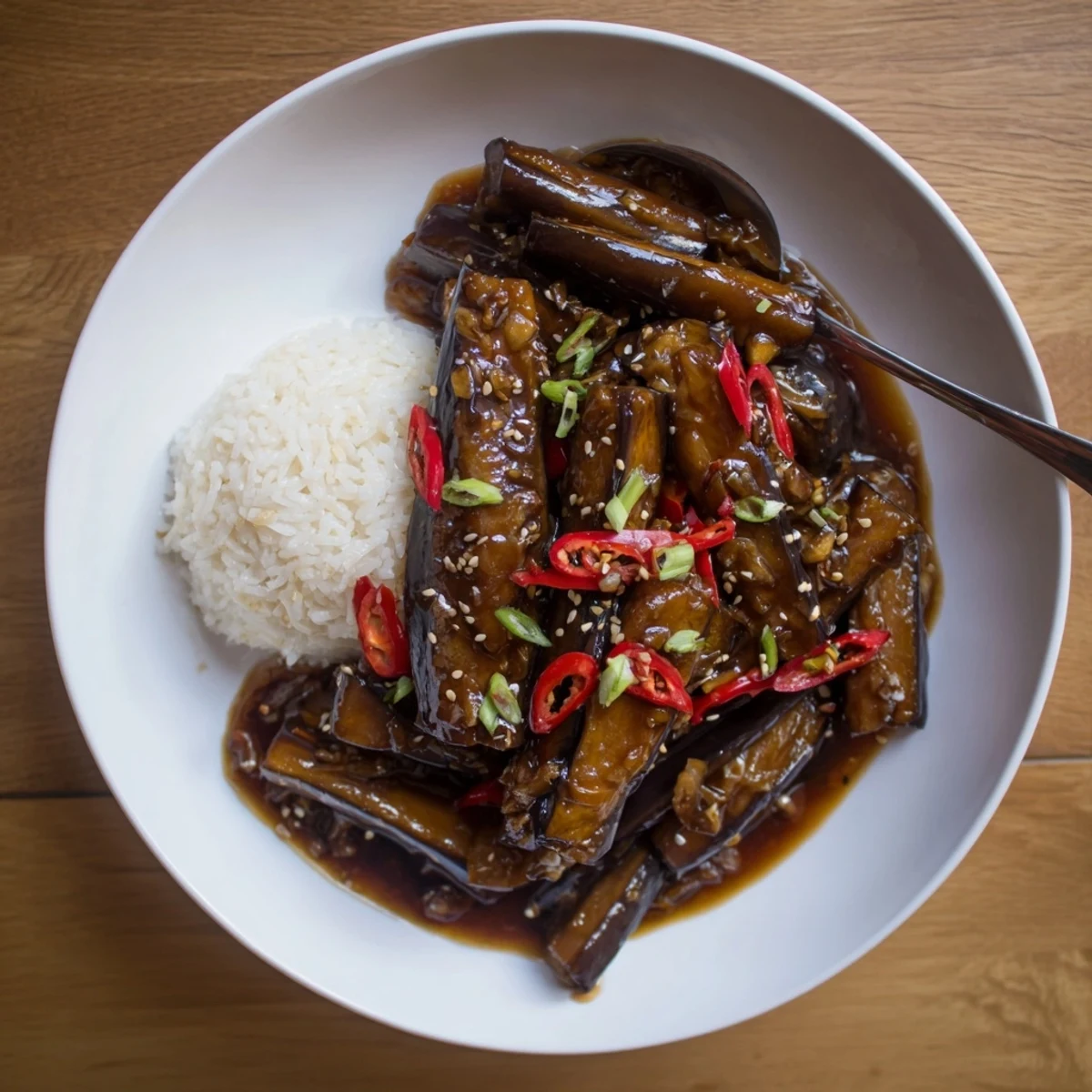
Save When I set the finished dish on the table for a small but hungry crowd, the glossy aubergines disappeared in minutes—someone even licked the serving spoon, which is the best endorsement you can hope for.
Choosing the Right Aubergines
I gravitate toward the slimmer Asian varieties; they’re less bitter and have tender skin, so there’s no need to peel. The key is making sure each piece is thick enough to hold its shape during braising—too thin and they melt away.
All About the Sauce
The first time I found real doubanjiang at our local Asian grocery, it changed everything. The earthy, fermented undertone sets this apart from any ordinary spicy stir-fry, and I’ve learned to build the sauce gently so nothing overpowers.
Rice or Noodles – Serving Suggestions
I love how versatile this dish is, pairing effortlessly with plain rice, delicate noodles, or even tucked into a steamed bun if I’m feeling cheeky. Friends have brought over jasmine rice before and it was the ultimate balance for all that punchy flavor.
- If you want crunch, sprinkle on toasted peanuts just before serving.
- A handful of chopped coriander leaves brightens things up if you like herby freshness.
- Don’t forget a big bowl of rice—the sauce begs for it.
 Save
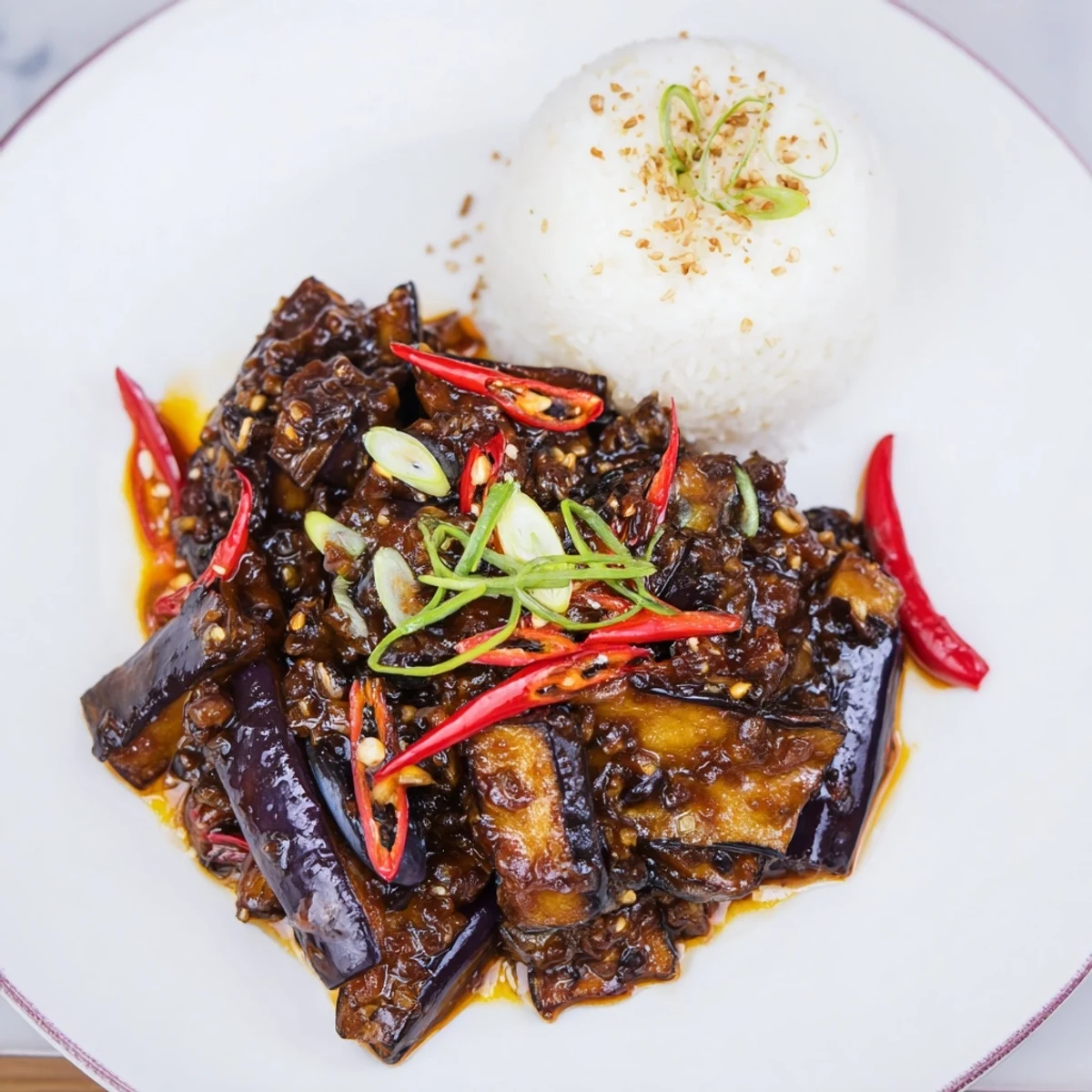
Save This Sichuan Style Braised Aubergine turns any evening into something a little special, and the best part is the proud clatter of chopsticks as everyone reaches for just one more piece.
Recipe FAQs
- → How do I keep aubergine from absorbing too much oil?
-
Salt aubergine pieces and let them sit for 10 minutes to draw out moisture, then pat dry before frying. Use a hot pan and fry in batches to minimize oil absorption.
- → What can I substitute for doubanjiang?
-
Use chili garlic sauce or a blend of miso with chili paste for a similar umami-spicy note, though the flavor will be less fermented and slightly different.
- → Can I bake or roast the aubergine instead of frying?
-
Yes—toss batons with a little oil and roast at high heat until soft and browned, then finish in the sauce. Roasting reduces oil while keeping a tender texture.
- → How do I adjust the heat level?
-
Reduce or omit fresh chili and use less doubanjiang, or add a pinch of sugar to balance heat. For more numb-spicy character, toast a small amount of Sichuan peppercorns with the aromatics.
- → Will the sauce thicken properly if I skip cornstarch?
-
Simmering longer will reduce the liquid and concentrate flavors, but cornstarch creates a glossy, clingy sauce more quickly. Alternatively, use a small amount of potato starch or reduce more slowly.
- → How should leftovers be stored and reheated?
-
Cool completely, refrigerate in an airtight container for up to 3 days. Reheat gently in a skillet with a splash of stock or water to loosen the sauce, so the aubergine remains tender.