 Save
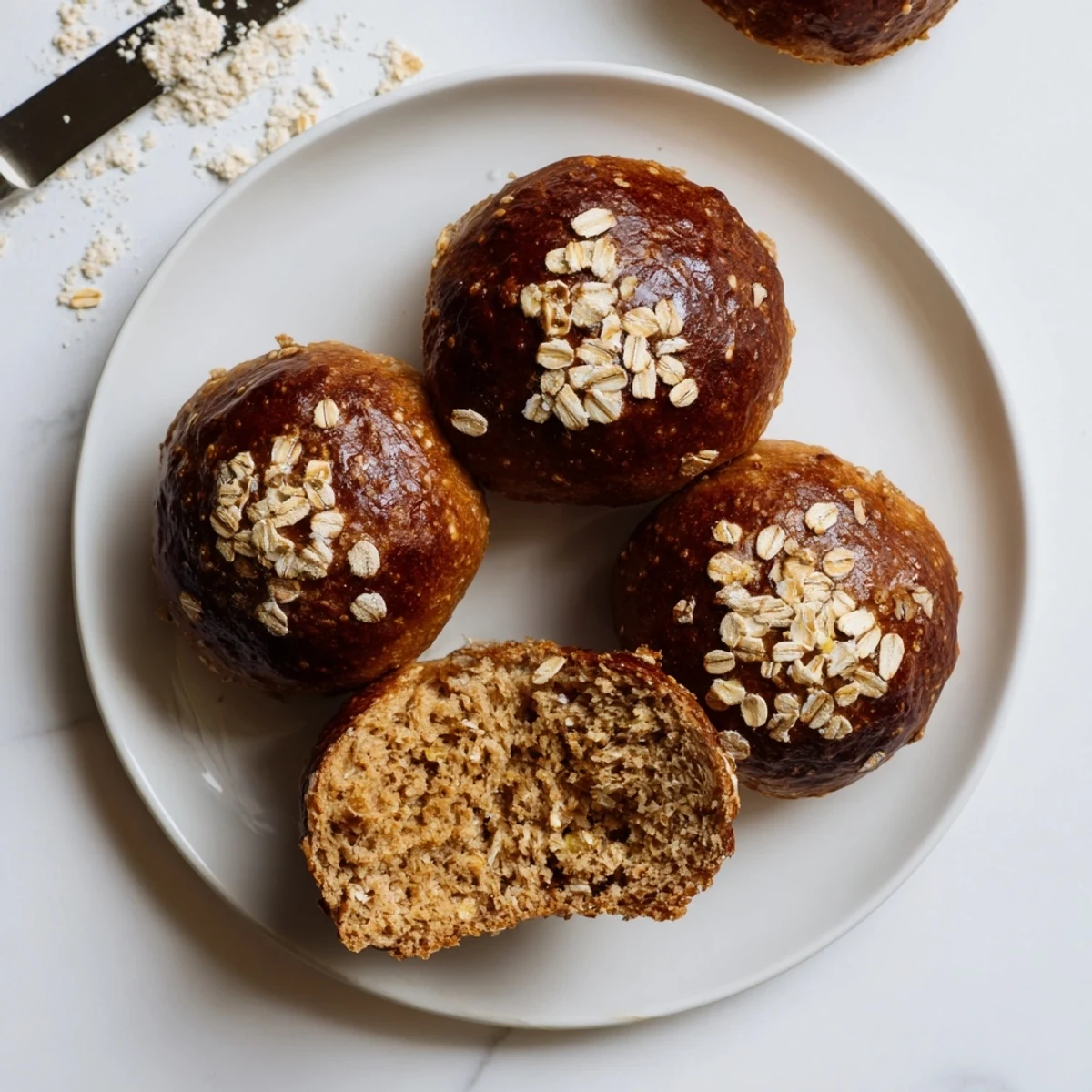
Save These rustic oatmeal molasses dinner rolls combine old-fashioned oats and molasses for a lightly sweet, nutty loaf with a tender crumb and golden crust. Start by mixing dry ingredients, whisking warm milk with molasses and butter, then knead until smooth. Let the dough rise twice, shape into 12 rolls, and bake at 375°F until deep golden. Serve warm with butter or alongside soups; freeze extras.
The earthy scent of molasses always brings me back to autumn afternoons when the sunlight would dapple my countertops as I mixed oats and flour. I didn&apost set out to make dinner rolls one rainy Thursday, but a half-full jar of molasses practically begged to be used. As the dough came together, I remember being surprised by how inviting the kitchen felt, full of oatmeal sweetness and a gentle buttery aroma. It felt less like baking and more like creating something that belonged on a busy table, ready to be ripped apart with warm hands.
One holiday, my cousin and I realized halfway through shaping the dough that we'd run out of parchment paper, so we improvised with olive oil and a prayer. The rolls still turned out gorgeously golden, making us laugh and high five over our unexpected win. Something about the unpredictability of that moment got baked right into those batches—we still talk about it every year.
Ingredients
- Old-fashioned rolled oats: Their hearty chew sets these rolls apart, and soaking them in the dough lets them become soft and almost creamy.
- All-purpose flour: It makes the rolls tender yet sturdy, and don&apost be afraid to use extra for dusting—sticky hands are part of the fun.
- Kosher salt: Essential for waking up all the flavors in the dough; I learned the hard way that even a little less makes bland bread.
- Instant yeast: Quick and reliable, it gives that springy rise every time without fuss.
- Warm milk: Milk at about 110°F dissolves ingredients and kickstarts the yeast, making the dough richer than water alone ever will.
- Molasses (unsulphured): It adds depth and subtle sweetness—if you use blackstrap by accident, you'll notice the bitterness, so stick with regular molasses.
- Unsalted butter, melted: For flavor and soft texture, and brushing the tops gives extra shine if you feel fancy.
- Large egg: Binds everything together and helps make the crumb soft but not dense.
- Rolled oats, for sprinkling: These make the tops pretty and give a nubbly crunch that hints at what&aposs inside.
Instructions
- Mix the Dry Ingredients:
- Scoop oats, flour, salt, and yeast into a big bowl—feeling the flour dust rise is half the joy—then stir until everything&aposs blended and inviting.
- Combine the Wet Ingredients:
- Whisk warm milk, molasses, melted butter, and the egg together until streaky brown and glossy; sometimes I use a fork just to hear the eggshell crack.
- Make the Dough:
- Pour the wet into the dry and gently fold, letting the dough become sticky and shaggy before your eyes.
- Knead It Smooth:
- Turn out onto a floured surface and knead for about 8 to 10 minutes—watch as the dough goes from rough to supple under your palms.
- First Rise:
- Place dough in a greased bowl, toss a towel over it, and let it swell in a warm spot just until it looks doubled and alive, about an hour.
- Shape the Rolls:
- Punch down the dough, split into twelve, and cup each piece into a round—your hands may get sticky, but the payoff is worth it.
- Second Rise:
- Arrange rolls on a prepared baking sheet, cover, and let them puff up and get pillowy for another thirty minutes while the oven preheats.
- Finish and Bake:
- If you want, brush the tops with milk or butter and sprinkle oats for a rustic look, then slide into the oven and bake until the kitchen smells irresistible and the rolls are deeply golden, 22 to 25 minutes.
- Cool and Serve:
- Transfer to a wire rack just long enough so they don&apost burn your fingers—serve warm for the best kind of gathering.
 Save
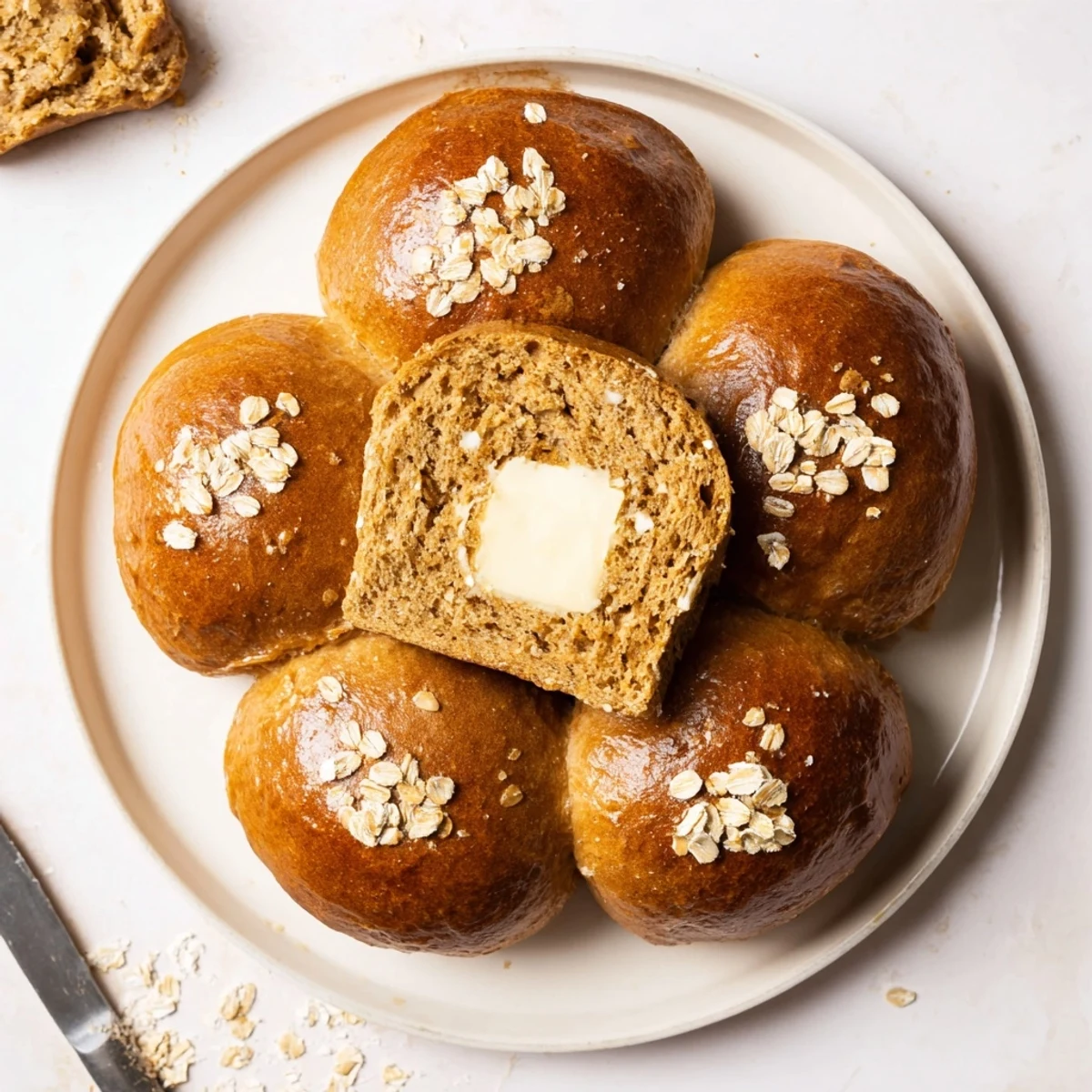
Save That first time I served these at a soup night, I remember the murmur of approval as everyone tore into the warm rolls. Seeing a tableful of friends lathering them with salted butter felt like the real reward for all that kneading.
Oats Make All the Difference
I used to think oats were just for breakfast, but adding them to bread turned out to be a secret weapon. They bring a gentle nuttiness and keep each roll moist for hours. Even after cooling, the rolls stay soft thanks to the oats soaking up just the right amount of liquid.
Choosing the Right Molasses
Once, I tried using blackstrap molasses after running out of regular in the pantry. The rolls tasted bold, a bit smoky, much less sweet than usual—so now I stick to unsulphured molasses for a mellow, balanced bite. If in doubt, taste your molasses first; there can be a world of difference in brands.
Best Ways to Serve These Rolls
These rolls are almost required for our homemade chili nights, where everyone expects something extra hearty on the side. Split and toasted for sandwiches, they soak up sauces without falling apart. Or just slather them with honey butter for a treat at breakfast.
- Freeze any extras to keep them fresh for cozy days ahead.
- Reheat in a warm oven for the perfect texture.
- Don't forget to serve them warm—the aroma is unbeatable.
 Save
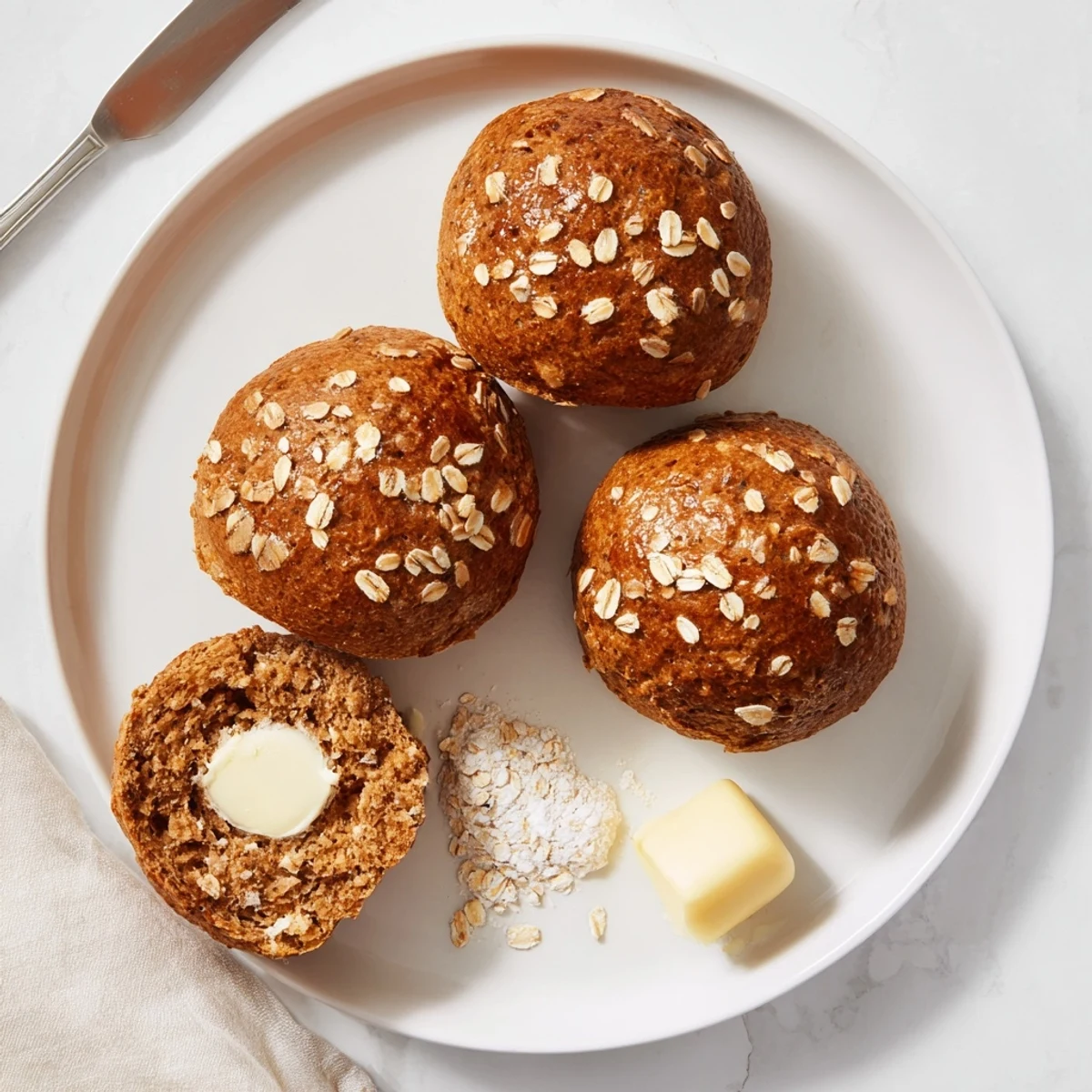
Save Whenever I bake these, the kitchen turns into a place people want to linger. Let these rolls round out your next meal—and don&apost be surprised if they disappear before you set out the butter dish.
Recipe FAQs
- → Can I use quick oats instead of rolled oats?
-
Quick oats will work in a pinch but give a softer, less textured crumb. For the best chew and rustic texture, stick with old-fashioned rolled oats; you can pulse them briefly if you prefer a finer crumb.
- → How can I make the rolls more wholesome?
-
Substitute up to half the all-purpose flour with whole wheat flour. Add a touch more liquid if the dough feels dry, and knead a bit longer to develop gluten for better rise and structure.
- → What temperature should the milk be for activating the yeast?
-
Warm milk around 110°F (43°C) is ideal—comfortably warm to the touch but not hot. Too-hot liquid can kill the yeast; if unsure, let it cool slightly before mixing.
- → How do I keep the rolls soft after baking?
-
Brush tops with melted butter right after baking and store cooled rolls in a lightly sealed container. Reheat briefly under a low oven or in the microwave with a damp paper towel to restore softness.
- → Can the dough be made ahead or frozen?
-
Yes. After the first rise, you can refrigerate the shaped rolls overnight (bring to room temperature before the second rise) or freeze fully baked rolls. Freeze cooled rolls in an airtight bag and reheat from frozen until warm.
- → Why use molasses and how much flavor does it add?
-
Molasses adds a deep, slightly smoky sweetness and brown-sugar notes that balance the oats' nuttiness. The listed 1/3 cup provides a noticeable but not overpowering warmth; reduce slightly if you prefer milder sweetness.