 Save
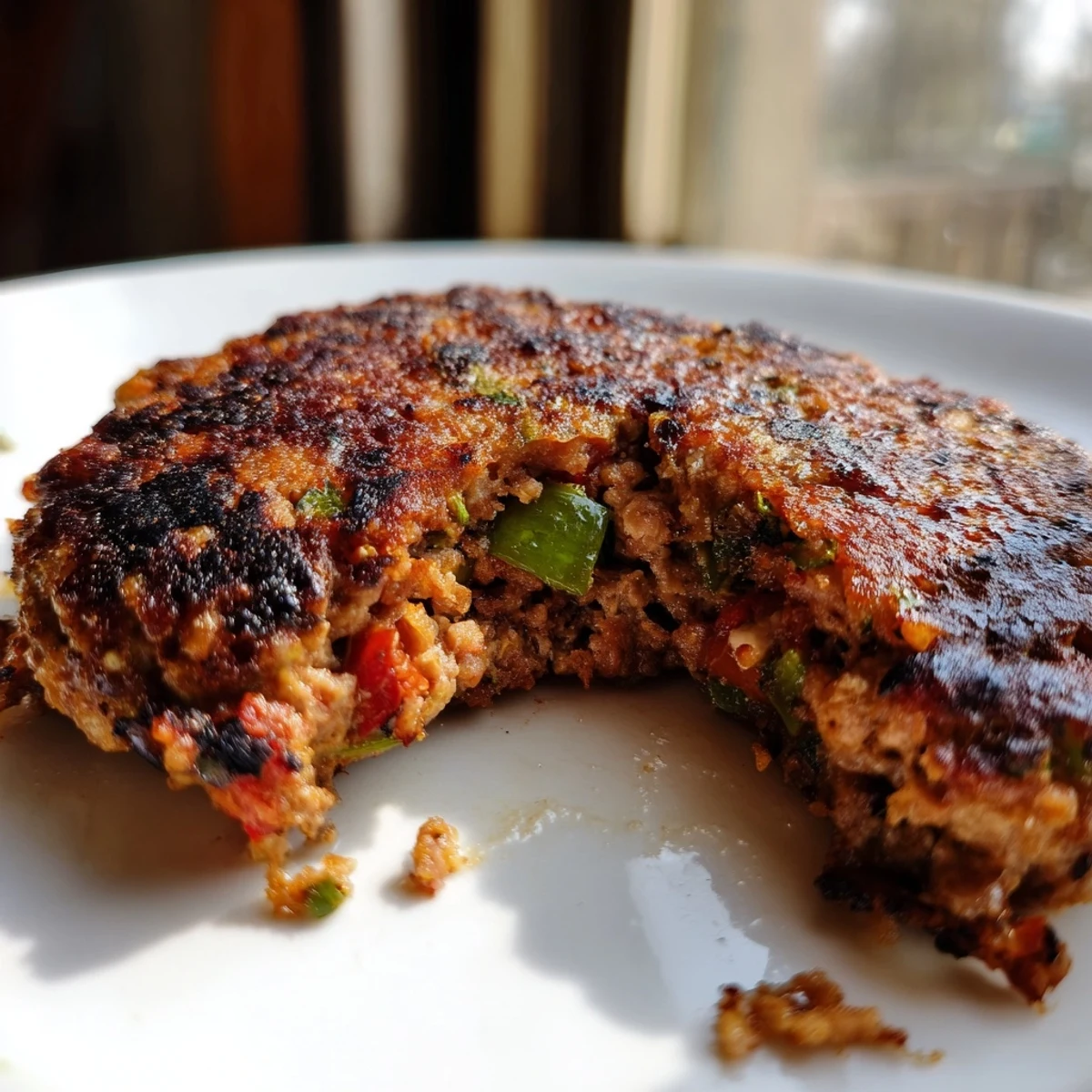
Save These beloved Pakistani minced meat patties deliver an irresistible combination of textures—crisp, golden edges surrounding a succulent, spice-infused center. The aromatic blend features toasted cumin and coriander seeds, dried pomegranate seeds for tangy depth, fresh herbs, and a gentle heat from green chilies. Ground beef or lamb with the right fat content ensures each kabab remains exceptionally moist during frying.
The preparation comes together quickly: mix spiced meat, chill briefly to firm, then shallow-fry to achieve that signature crisp exterior. The resting period helps flavors meld while making the patties easier to shape. Serve these hot alongside warm naan, cooling yogurt raita, and a simple salad of sliced onions and tomatoes for a complete, satisfying meal.
The first time I encountered Chapli Kabab was at a bustling street food stall in Lahore, where the sizzling sound of patties hitting hot oil filled the evening air. The vendor worked with practiced precision, flattening each patty with a quick slap of his palms, creating those signature wide, thin shapes that give these kababs their name from the Pashto word for shoe. One bite into that crispy-edged, spice-laden meat, and I understood why this dish has earned legendary status across Pakistan and beyond.
Last summer, I made these for my neighbors Eid celebration, watching as guests circled back to the platter three or four times. My auntie leaned over and whispered that she had been searching for years for a recipe that captured the authentic street food flavor she remembered from her childhood in Peshawar. That moment of connection over something so simple as spiced meat and fresh bread reminded me why cooking is really about memory and belonging.
Ingredients
- 500 g ground beef or lamb: The 20% fat ratio is essential here because lean meat will dry out and lose that signature juicy texture that makes Chapli Kabab so special
- 1 medium onion, finely chopped: The onion releases moisture during cooking, keeping the kabab tender while adding sweetness that balances the bold spices
- 2 medium tomatoes, deseeded and finely chopped: Removing the seeds prevents excess moisture from making the mixture soggy while still contributing that bright acidity
- 2 green chilies, finely chopped: These provide fresh heat that cuts through the richness of the meat, but remove the membranes if you prefer milder flavor
- 1 bunch fresh coriander, chopped: Both the leaves and tender stems add a bright, citrusy freshness that lifts the heavier spices
- 2 tbsp fresh mint leaves, chopped: Mint adds a cooling undertone that beautifully complements the warming spices like cumin and coriander
- 2 tsp crushed coriander seeds: Freshly crushing these releases their essential oils, giving you much more flavor than pre-ground powder
- 1½ tsp cumin seeds, roasted and crushed: Dry-roasting the cumin in a pan for 30 seconds before crushing deepens its earthy, nutty flavor profile
- 1 tsp red chili flakes: These provide visible specks of color and a gentle heat that builds rather than overwhelms
- 1½ tsp salt: Proper seasoning is crucial because it helps bind the meat proteins together for better texture
- 1 tsp garam masala: This warming spice blend adds complexity and depth, tying all the individual spices together
- 1 tsp dried pomegranate seeds, crushed: These tangy seeds are the secret ingredient that adds a subtle sour note, making the kababs taste truly authentic
- ½ tsp black pepper: Freshly ground black pepper adds a gentle heat and woody undertone that rounds out the flavor profile
- 1 tsp paprika: This contributes a beautiful red hue and mild fruitiness without adding significant heat
- 1 tbsp ginger-garlic paste: Use fresh paste rather than jarred for the brightest flavor and best aroma when the kababs hit the hot oil
- 1 egg: This acts as the binder that holds everything together without making the texture tough or rubbery
- 3 tbsp cornmeal or gram flour: Gram flour is traditional and adds a subtle nutty flavor, but cornmeal works beautifully for extra crunch
- 2 tbsp corn oil or ghee: Ghee adds richer flavor but oil works perfectly for a lighter version, just choose something with a high smoke point
Instructions
- Mix the base:
- In a large mixing bowl, combine ground meat, onions, tomatoes, green chilies, coriander, mint, ginger-garlic paste, and all spices until everything is evenly distributed
- Add the binders:
- Add egg and cornmeal or gram flour to the mix, then knead gently with your hands just until well combined, being careful not to overwork the meat which can make the kababs tough
- Chill the mixture:
- Cover and refrigerate the mixture for 15 minutes, which helps the flavors meld and makes the meat easier to shape into patties that hold together
- Shape the kababs:
- Grease your palms lightly with oil, then take a large lemon-sized portion and flatten it into a wide, thin patty about 1 cm thick and 8 to 10 cm across, making all patties before you start cooking
- Heat the pan:
- Heat oil or ghee in a large frying pan over medium heat until it shimmers but does not smoke, which ensures even cooking without burning the exterior
- Fry to golden perfection:
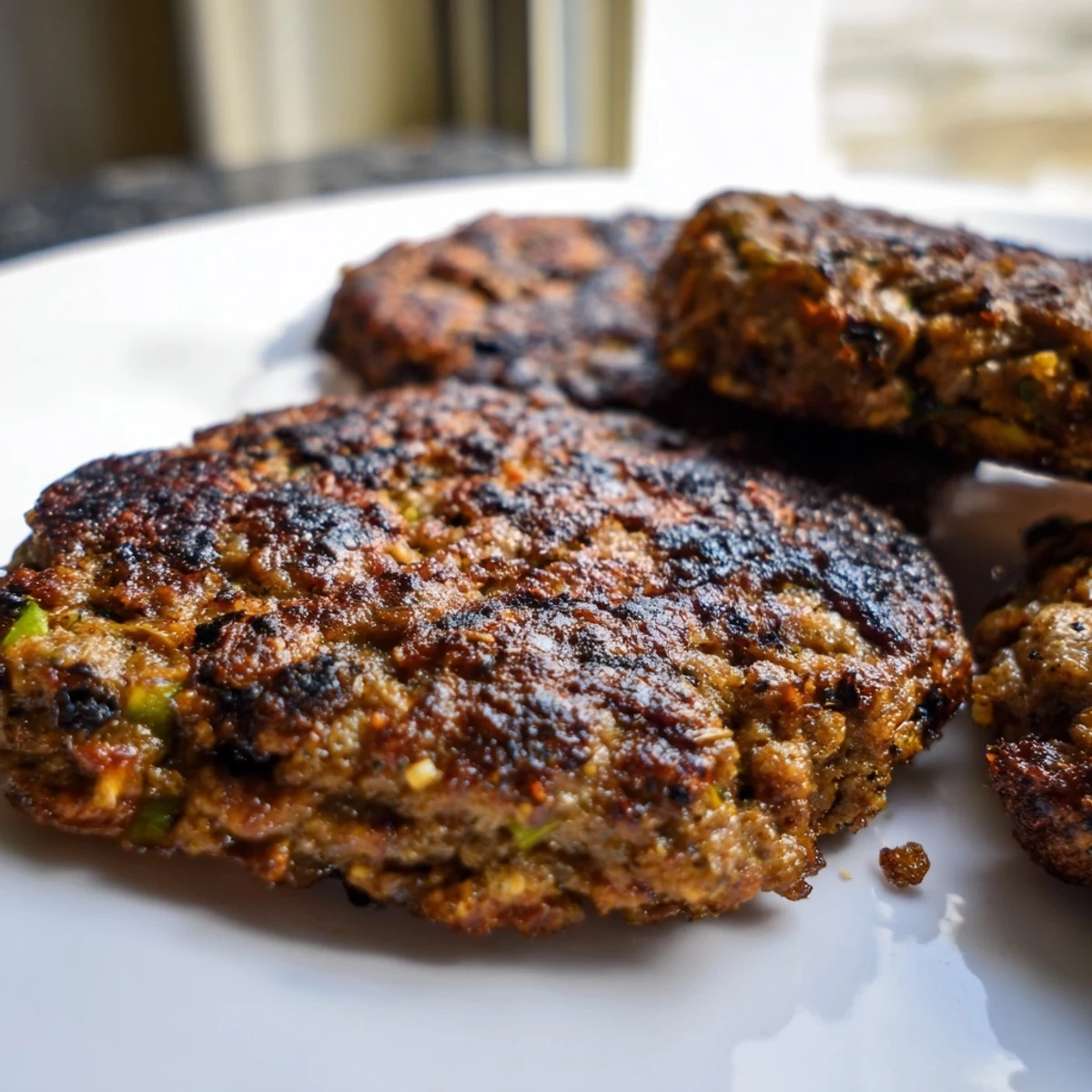
- Shallow-fry the kababs, turning once, until golden brown and cooked through, about 3 to 4 minutes per side, watching for the edges to become irresistibly crispy and caramelized
- Drain and rest:
- Remove onto paper towels to drain excess oil and let them rest for a minute or two, which helps them retain their juices when you cut into them
- Serve immediately:
- Arrange on a platter with naan, mint chutney, and a crisp salad of cucumber, onion, and tomato for a complete meal that transports you to the streets of Pakistan
 Save
Save My fatherinlaw, who grew up eating these in Peshawar, took one bite and closed his eyes, saying this was exactly how the street vendors made them when he was a boy. That kind of validation from someone who knows the authentic taste is worth more than any cookbook praise, and now these kababs have become our go-to comfort food.
Getting The Texture Right
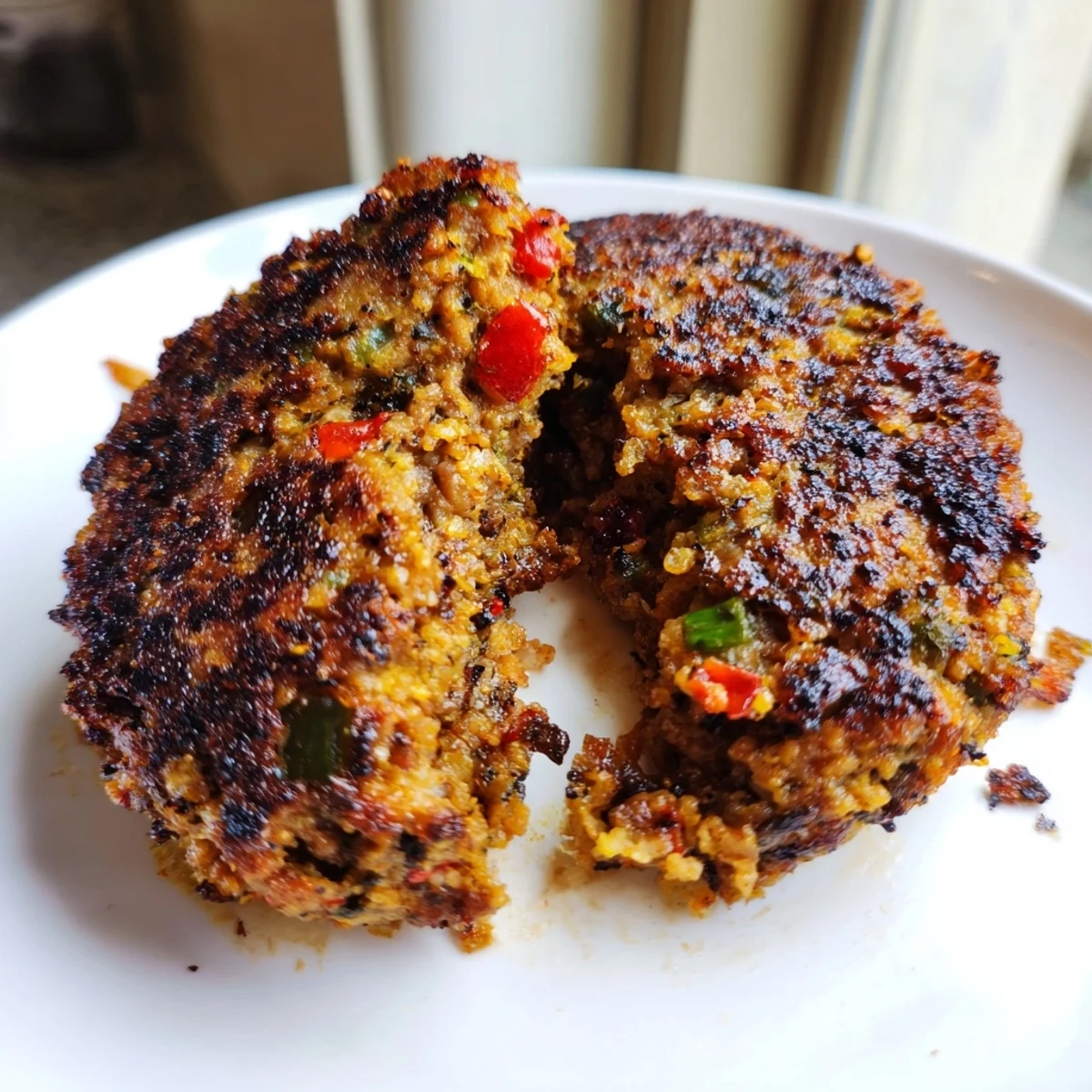
The beauty of Chapli Kabab lies in their distinctive texture, with edges that shatter like a potato chip while the center remains impossibly juicy. The key is achieving that perfect thickness, too thin and they dry out, too thick and you lose the crisp to tender ratio that makes them so compelling.
Serving Traditions
In Pakistani homes, these are rarely eaten alone but always as part of a larger spread with naan fresh from the tandoor, cool raita to temper the heat, and a simple salad of sliced vegetables. The combination of hot, cold, crisp, and soft textures makes every bite interesting and satisfying.
Make Ahead Wisdom
You can shape the patties ahead and freeze them between sheets of parchment paper, then fry them straight from frozen, adding just a minute or two to the cooking time. This makes them perfect for entertaining or busy weeknights.
- Freeze uncooked patties for up to a month, they actually fry better from frozen
- Reheat leftover cooked kababs in a hot skillet for 2 minutes per side to restore the crisp edges
- Double the recipe and freeze half because these disappear faster than you expect
 Save
Save There is something deeply satisfying about transforming simple ground meat into something so extraordinary with just the right balance of spices and technique. These Chapli Kabab have found a permanent place in my recipe collection, and I hope they become a beloved favorite in your kitchen too.
Recipe FAQs
- → What makes Chapli Kabab different from other kebabs?
-
Chapli Kabab stands apart due to its distinct flat, patty-like shape and the inclusion of tomatoes within the meat mixture. The dried pomegranate seeds add a subtle tanginess, while the combination of roasted and crushed spices creates layers of flavor that develop during frying.
- → Can I bake these instead of frying?
-
While baking produces a lighter result, it won't achieve the characteristic crispy edges that make these special. If baking, brush with oil and cook at 200°C (400°F) for roughly 15-20 minutes, flipping halfway through cooking.
- → Why is resting the meat mixture important?
-
Chilling for 15 minutes helps the flavors meld together while firming the texture, making it easier to shape uniform patties that hold their form during cooking without falling apart.
- → What's the best fat content for the meat?
-
Ground meat with 20% fat content yields the juiciest results. Leaner meat can become dry during frying, while higher fat content may cause the patties to shrink excessively or become greasy.
- → How do I know when they're cooked through?
-
The patties should develop a deep golden-brown crust on both sides. You can also check by pressing gently—the meat should feel firm rather than soft, with no pink visible in the center.
- → What should I serve with Chapli Kabab?
-
Traditional accompaniments include warm naan or roti, cooling yogurt raita spiked with roasted cumin, fresh mint or coriander chutney, and a simple salad of sliced onions, tomatoes, and cucumber with a squeeze of lime.