
 Save
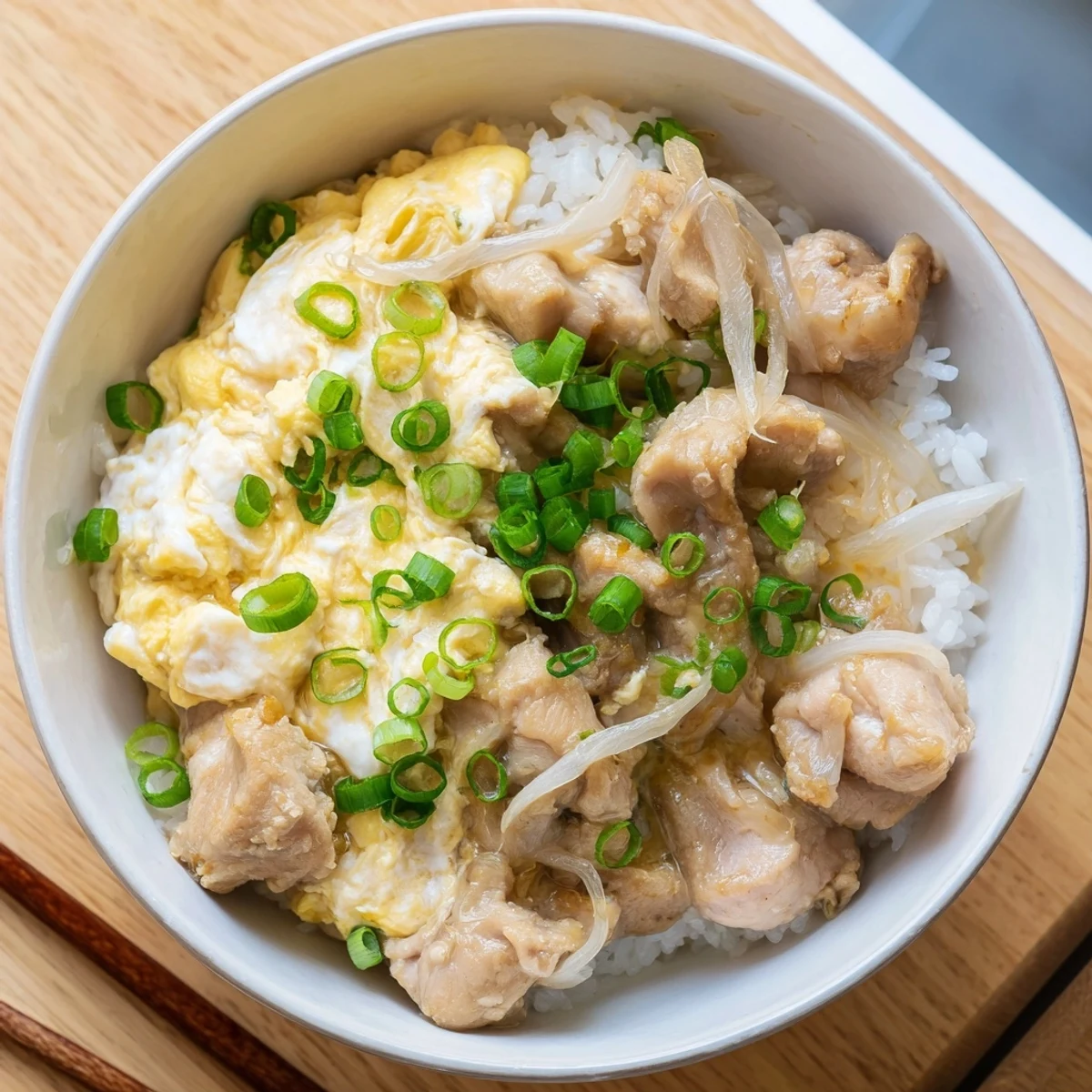
Save This classic Japanese comfort dish brings together tender chicken thighs and sweet onions simmered in a balanced dashi-based sauce. Silky beaten eggs are poured over the simmering mixture, creating delicate curds that bind everything together. The entire mixture is then gently slid over bowls of hot steamed rice, allowing the savory-sweet sauce to soak into the grains. Finished with fresh spring onions, this satisfying bowl comes together in just 30 minutes and serves two people generously.
The steam from my donburi bowl fogged up my glasses as I sat cross-legged on my apartment floor, watching rain streak against the window. I had just returned from three months in Tokyo, where tiny shops served Oyakodon in lacquer bowls, and I was desperate to recreate that perfect marriage of silky eggs and savory chicken. My first attempt was a disaster—scrambled eggs floating in soup—but something about that comforting taste kept me trying until I got it right.
Last winter, my roommate walked in while I was simmering the sauce and immediately asked what smelled so incredible. We ended up eating together at the kitchen counter, both of us too impatient to bother with the dining table, blowing on steaming spoonfuls and trading stories about our days. That bowl turned a random Tuesday into something that felt like home.
Ingredients
- Chicken thighs: These stay tender and juicy even after simmering in the hot sauce, unlike breast meat which can dry out quickly
- Onion: Thinly sliced so they melt into the sauce and become sweet and translucent
- Eggs: Beating them lightly creates those fluffy custardy layers that make Oyakodon so comforting
- Dashi stock: The foundation of Japanese cooking, though quality chicken broth works in a pinch
- Soy sauce: Provides the deep umami base and that rich amber color
- Mirin and sake: These Japanese cooking wines add sweetness and depth that you cannot replicate with anything else
- Sugar: Just enough to balance the salty elements and create that glossy sauce
- Spring onions: Fresh oniony bite that cuts through the richness
- Japanese short-grain rice: Essential for soaking up the sauce—long-grain rice just will not give you the same creamy texture
Instructions
- Mix the sauce base:
- Whisk together dashi, soy sauce, mirin, sake, and sugar until the sugar completely dissolves—this step is worth the extra minute
- Soften the onions:
- Simmer the sliced onions in the sauce mixture until they turn translucent and sweet, which usually takes about 4 minutes
- Cook the chicken:
- Add the chicken pieces and let them simmer covered, turning them once halfway through so they cook evenly
- Add the eggs:
- Pour the lightly beaten eggs over everything and cover the pan—watch closely because they go from perfect to overcooked in seconds
- Assemble the bowls:
- Scoop hot rice into bowls and gently slide the chicken and egg mixture on top so the rice can absorb some of that precious sauce
- Finish and serve:
- Scatter fresh spring onions over the top and carry the bowls to the table immediately while everything is still steaming
 Save
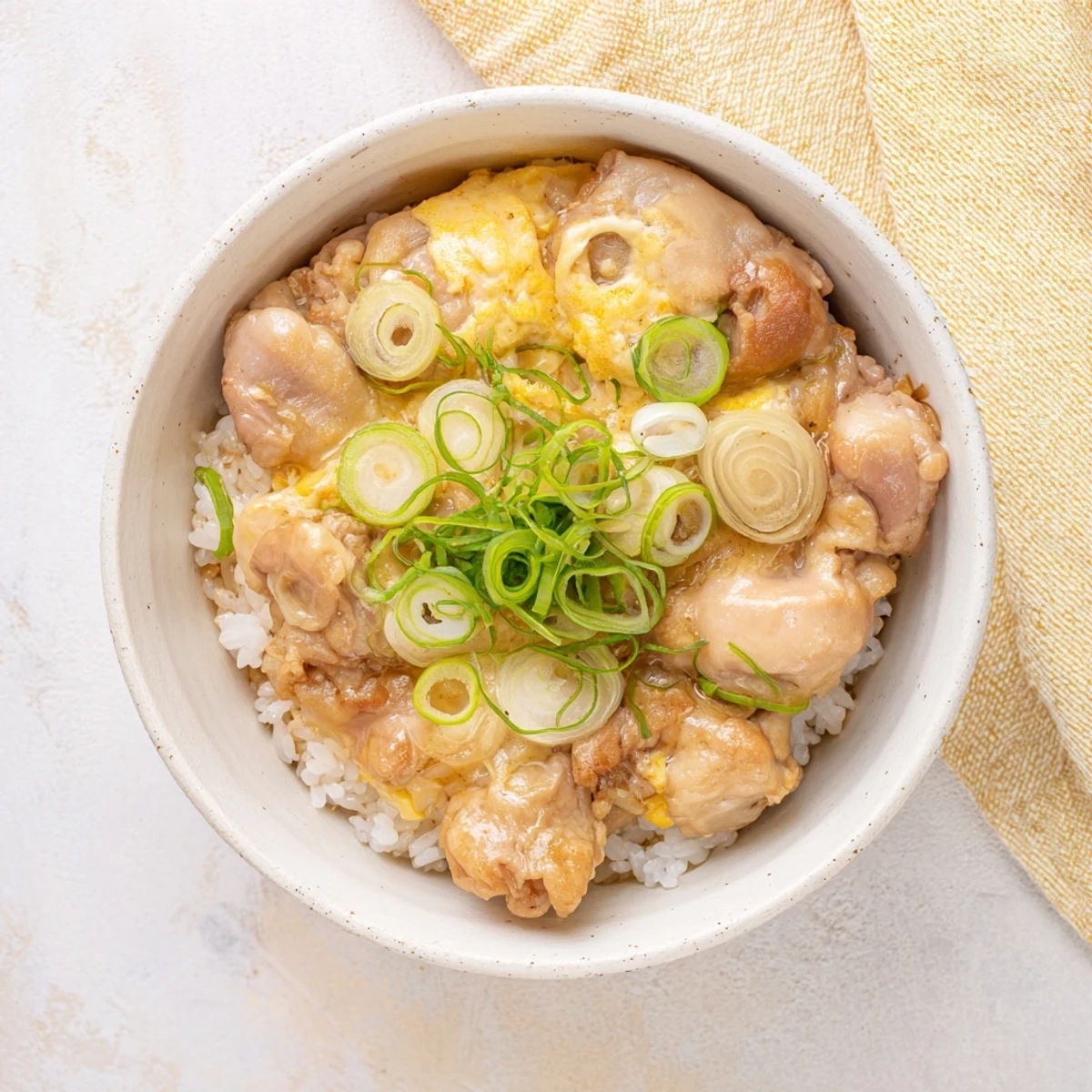
Save My friend Mika visited last spring and took one bite before closing her eyes and saying it tasted exactly like the lunch bowl her grandmother used to make. That moment of connection through food, bridging oceans and generations, is why this recipe has become one of my most treasured.
Getting The Eggs Right
The trick is pouring the beaten eggs in a slow circular motion over the simmering chicken rather than dumping them all at once. I learned this after making a weird scrambled egg omelet situation that tasted right but looked wrong. Let them cook undisturbed—no stirring or you will break those gorgeous custardy layers that make this dish so special.
The Rice Matters
Japanese short-grain rice releases starch as it cooks, creating that slightly sticky texture that helps the sauce cling to every grain. I have tried this with basmati and jasmine rice, and while still tasty, the sauce just pools at the bottom instead of coating everything. If you can find it, use proper Japanese rice or California medium-grain.
Make It Your Own
Sometimes I add a handful of spinach or mung bean sprouts during the last minute of cooking for extra vegetables and nutrition. My brother likes to top his with pickled ginger for that tangy kick, and I have seen versions with cubes of soft tofu simmered alongside the chicken. The sauce proportions work beautifully with almost any protein or vegetable you want to use.
- A pinch of shichimi togarashi adds gentle heat and complexity
- Leftover sauce tastes amazing spooned over plain rice the next day
- Double the sauce recipe if you love extra liquid in your rice bowl
 Save
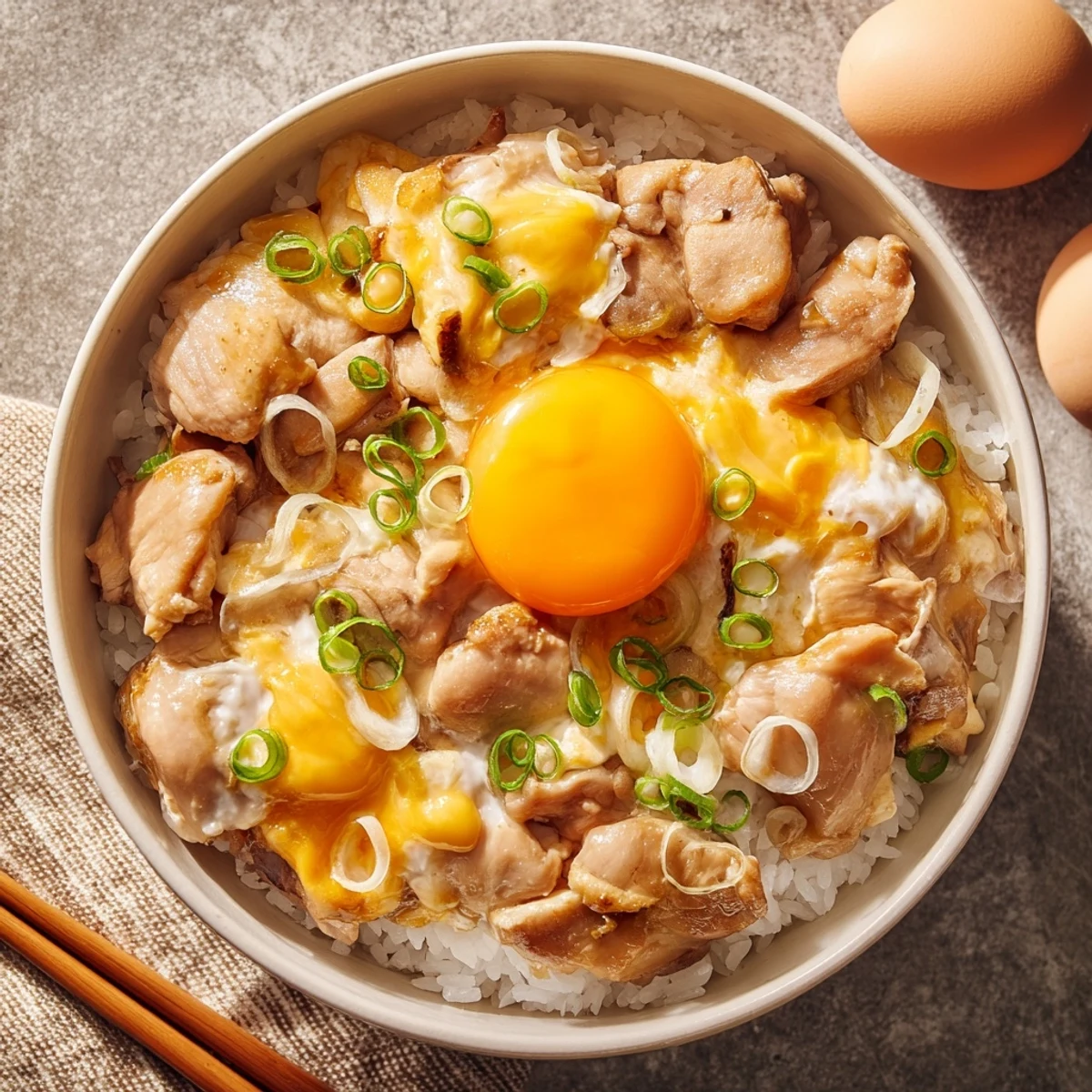
Save There is something profoundly satisfying about a meal that nourishes both body and spirit in one simple bowl. I hope this Oyakodon brings you as much comfort and joy as it has brought to my kitchen table over the years.
Recipe FAQs
- → What does oyakodon mean?
-
Oyakodon translates to "parent-and-child bowl," referring to the chicken and eggs served together. It's a traditional Japanese donburi (rice bowl) dish that's been enjoyed for generations as home cooking.
- → Can I make oyakodon without dashi stock?
-
Yes, you can substitute dashi with low-sodium chicken broth. While dashi provides the authentic Japanese flavor profile, chicken broth works well as a convenient alternative that still yields delicious results.
- → How runny should the eggs be?
-
The eggs should be just set but still slightly creamy and runny. Remove from heat after 1-2 minutes of covered cooking—the residual heat will continue to cook them slightly as you serve.
- → Can I use chicken breast instead of thighs?
-
Absolutely. Chicken breast works well for a leaner version, though thighs remain more tender and juicy during simmering. If using breast, be careful not to overcook to prevent dryness.
- → What rice variety works best?
-
Japanese short-grain rice is traditional and ideal because its sticky texture helps the sauce cling. Medium-grain or sushi rice are good substitutes. Long-grain varieties work but won't have the same authentic mouthfeel.
- → How do I store and reheat leftovers?
-
Store the topping and rice separately in airtight containers in the refrigerator for up to 2 days. Reheat gently in a pan or microwave, though the eggs may become slightly firmer than when freshly made.