
 Save
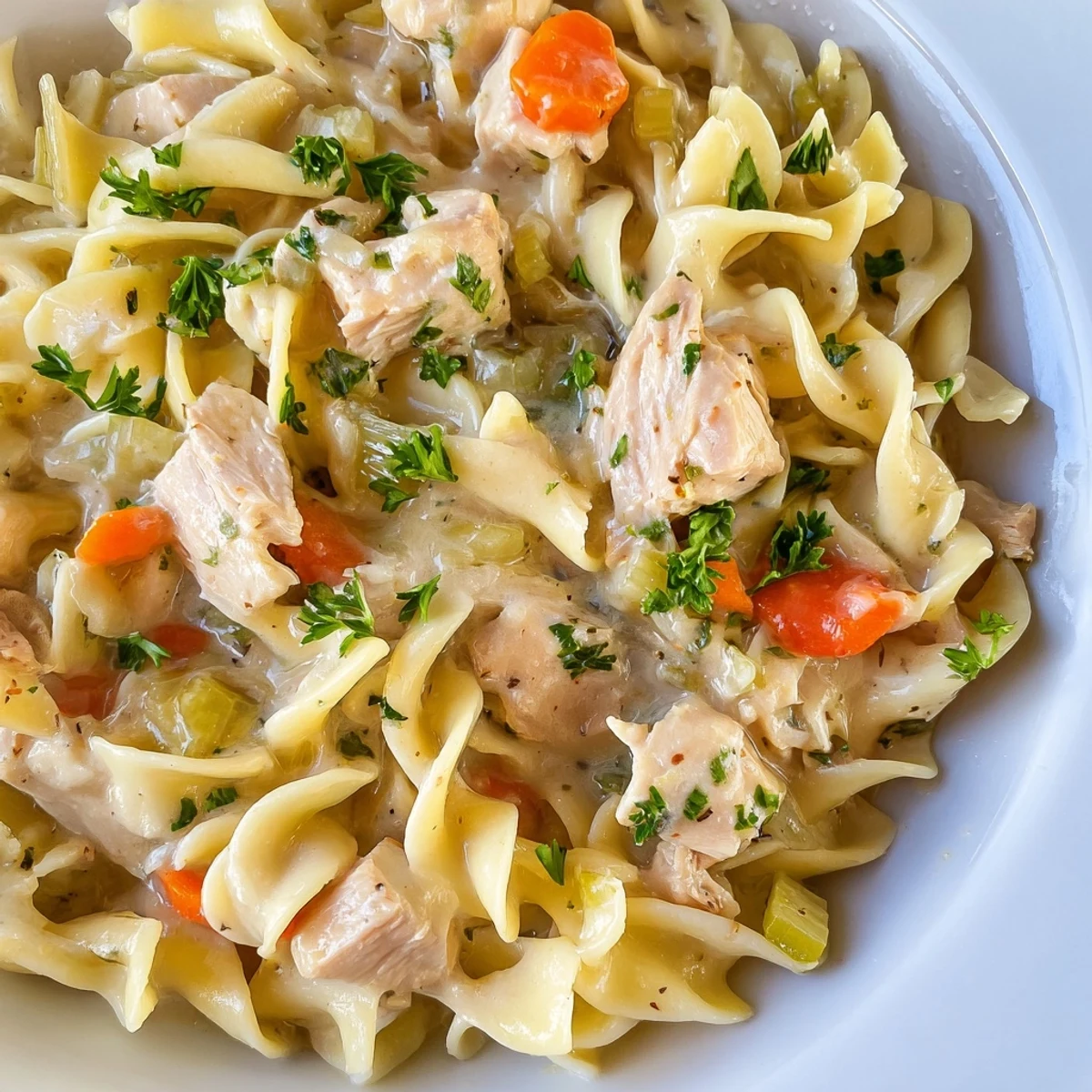
Save This comforting one-pot meal brings together tender chunks of chicken and hearty egg noodles in a rich, savory broth. The vegetables—onion, carrots, and celery—add depth and sweetness, while dried thyme and oregano provide classic herbal notes.
What makes this dish special is how everything cooks together in a single pot. The chicken releases its flavors into the broth as it simmers, while the noodles absorb that savory goodness as they cook. The result is a cohesive, satisfying bowl that tastes like it simmered all day but comes together in under an hour.
Perfect for busy weeknights, this family-friendly dish requires minimal prep and even less cleanup. You can serve it as-is for a light meal, or pair with crusty bread and a crisp salad for a more complete dinner.
The pot was too small, the noodles kept sticking, and I burned my wrist reaching across a crowded stove for the thyme. That was my first attempt at one pot chicken and noodles, and honestly it still turned out so comforting that nobody at the table cared about my chaos. Rain was hammering the kitchen window, which made the whole scene feel like a movie about somebody who cannot cook but tries anyway. Sometimes the best recipes find you on the messiest days.
My sister called one Tuesday evening asking what to make with a pack of chicken thighs and half a bag of egg noodles buried in her pantry. I walked her through this recipe over the phone while she balanced a toddler on one hip and stirred with her free hand. She called back three days later to say her husband had already requested it again.
Ingredients
- Boneless skinless chicken breast or thigh (500 g): Thighs stay juicier but breasts work beautifully if that is what you have on hand, cut into even bite size pieces so everything cooks at the same rate.
- Onion (1 medium), carrots (2), celery (2 stalks): This classic trio builds a sweet savory foundation that makes the broth taste like it simmered all afternoon.
- Garlic (3 cloves): Minced fine so it melts into the broth rather than sitting in assertive chunks.
- Egg noodles or wide noodles (250 g): These sturdy noodles hold up to the simmering process without turning to mush, and they thicken the broth as they release starch.
- Olive oil (1 tablespoon): Just enough to get a light sear on the chicken and soften the vegetables.
- Low sodium chicken broth (1.2 L): Using low sodium gives you control over the final seasoning, because regular broth can push the salt level surprisingly high.
- Heavy cream (60 ml, optional): A splash at the end transforms the dish from a clear soup into something luxuriously velvety.
- Dried thyme (1 teaspoon), dried oregano (half teaspoon), bay leaf (1): These three dried herbs together create a gentle herbal warmth that feels like a blanket for your tastebuds.
- Salt and freshly ground black pepper: Season in layers, a little on the chicken, a little in the broth, and a final adjustment at the end.
- Fresh parsley (2 tablespoons, chopped): Adds a bright fresh finish that cuts through the richness beautifully.
Instructions
- Get the pot hot:
- Set a large Dutch oven or heavy pot over medium heat and add the olive oil, letting it shimmer until it coats the bottom evenly and just starts to give off a warm scent.
- Brown the chicken:
- Add the chicken pieces in a single layer with a pinch of salt and pepper, letting them sear undisturbed for about three minutes before stirring so they pick up a golden color, then scoop them onto a plate.
- Soften the vegetables:
- In the same pot with all those lovely chicken drippings, toss in the onion, carrots, and celery, stirring occasionally for four to five minutes until the onion turns translucent and the carrots just begin to soften, then add the garlic for one more minute.
- Build the broth:
- Slide the chicken back in, pour in the broth, and drop in the thyme, oregano, and bay leaf, then bring everything to a gentle boil where bubbles break the surface steadily but not aggressively.
- Cook the noodles:
- Stir in the noodles, drop the heat to a simmer, and let them cook uncovered for ten to twelve minutes, stirring every few minutes so nothing sticks to the bottom and the noodles drink up all that seasoned broth.
- Finish with cream:
- If you are using the heavy cream, pour it in now and stir gently just until it is heated through, keeping it below a boil so the cream stays smooth and does not separate.
- Taste and serve:
- Fish out the bay leaf, taste a spoonful of broth, and add more salt or pepper until it sings, then ladle into bowls and scatter fresh parsley over each serving.
 Save
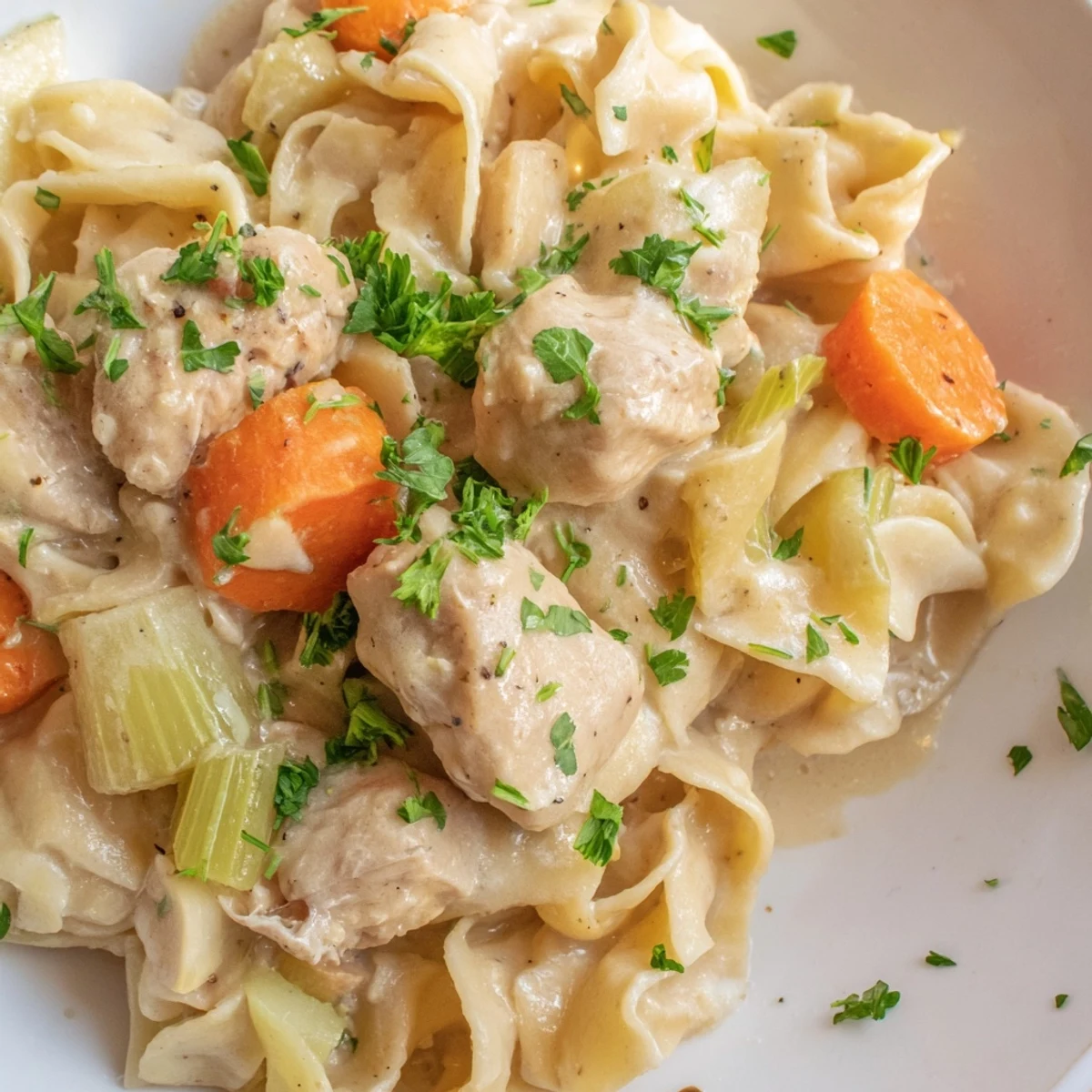
Save There is something about a steaming bowl of chicken and noodles that turns a regular weeknight dinner into a reason to sit down together and actually talk. I have watched picky eaters go back for seconds without being asked and teenagers put down their phones between bites. Food does not need to be complicated to matter.
Making It Your Own
Toss in a handful of frozen peas or a cup of fresh spinach during the last five minutes of cooking if you want to sneak more vegetables onto the plate without anyone noticing. Corn kernels work surprisingly well too, adding little bursts of sweetness that complement the savory broth. My neighbor swears by adding a diced potato but I find the noodles are enough starch on their own.
Choosing the Right Noodles
Wide egg noodles are traditional and hold their shape beautifully, but I have used everything from pappardelle broken into rough pieces to gluten free rice noodles in a pinch. The key is choosing a noodle that can tolerate ten minutes of simmering without disintegrating into paste. Thicker is generally safer than thinner here.
Storage and Reheating
Leftovers thicken considerably in the fridge because the noodles continue absorbing broth overnight, which is totally normal and actually makes the next day portion taste richer and more satisfying. Add a splash of broth or water when you reheat on the stove to loosen things back up to your preferred consistency.
A few practical notes before you start cooking.
- Leftovers keep well in an airtight container in the refrigerator for up to three days.
- Freezing is possible but the noodles may soften further upon thawing, so consider slightly undercooking them if you plan to freeze.
- Always check noodle and broth labels for allergens if you are cooking for someone with dietary restrictions.
 Save
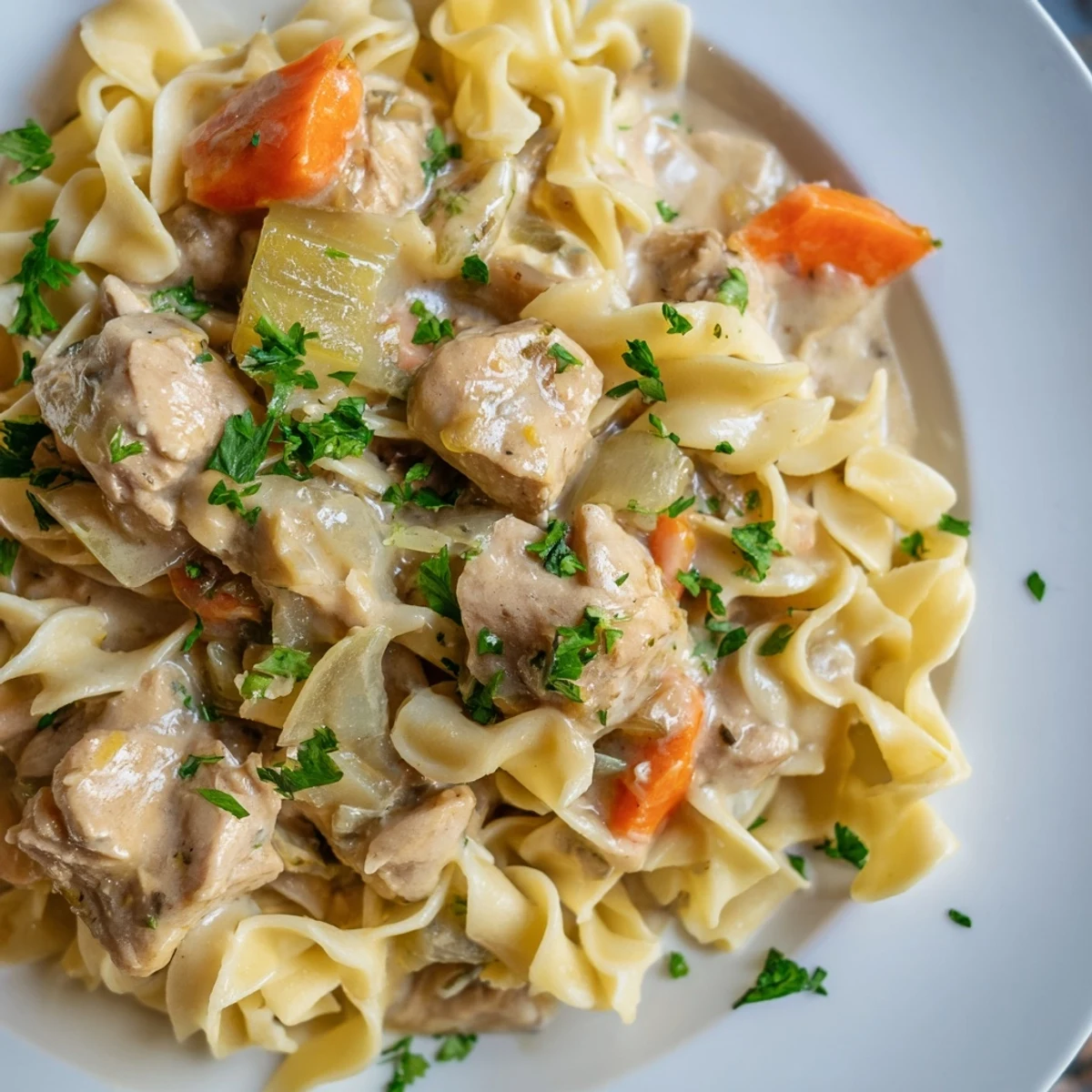
Save Keep this recipe close because you will reach for it on cold evenings, busy weeknights, and every moment in between when nothing but a warm bowl of something will do. It asks almost nothing of you and gives back everything.
Recipe FAQs
- → Can I use rotisserie chicken?
-
Yes, you can use a store-bought rotisserie chicken as a shortcut. Simply shred or chop the cooked chicken and add it during step 5 when you add the noodles. Reduce the simmering time to 8-10 minutes since the chicken is already cooked through.
- → What other noodles work well?
-
Egg noodles and wide noodles are ideal because they hold up well during simmering. You can also use fusilli, penne, or bow ties. Avoid delicate noodles like angel hair as they may become mushy. Gluten-free noodles work too—just adjust cooking time according to package directions.
- → Can I make this ahead?
-
You can prepare the ingredients in advance, but it's best cooked fresh since noodles continue to absorb liquid and may become soft. If reheating, add a splash of broth to restore consistency. The flavor actually develops and improves overnight.
- → How do I store leftovers?
-
Store cooled leftovers in an airtight container in the refrigerator for 3-4 days. The noodles will absorb more liquid over time, so add a splash of broth when reheating on the stove. You can also freeze for up to 3 months, though the noodle texture may soften slightly.
- → Can I make this dairy-free?
-
Absolutely. Simply omit the heavy cream in step 6. The dish is still delicious and comforting without it. For extra richness without dairy, you can stir in a tablespoon of butter or add an extra splash of broth at the end.
- → What vegetables can I add?
-
Peas, corn, or spinach can be added in the last 5 minutes of cooking. Mushrooms work well too—add them with the onions in step 3. For more color, try diced bell peppers or green beans. Adjust cooking time so vegetables don't overcook.