
 Save
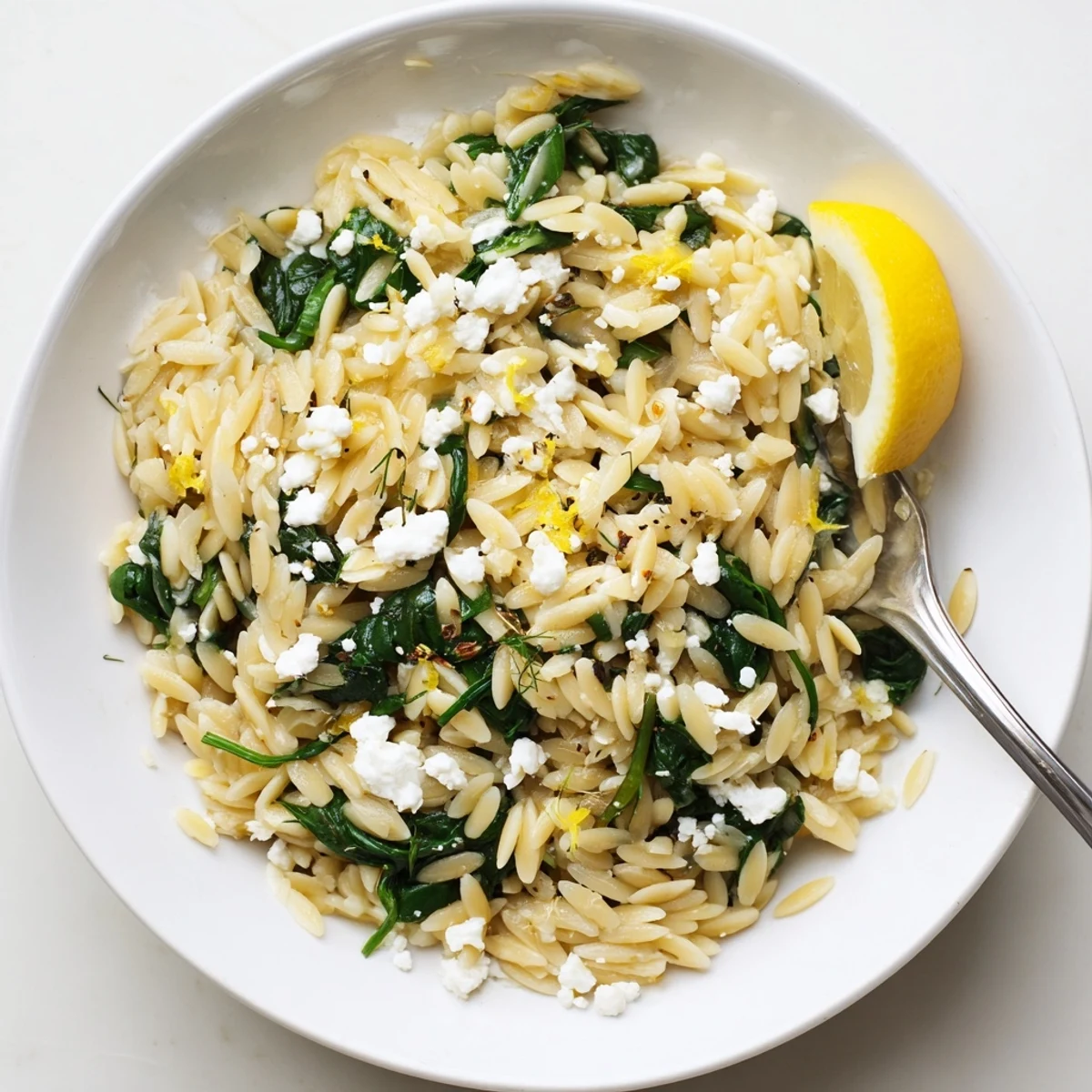
Save This one-pan lemon orzo combines toasted orzo simmered in vegetable broth with bright lemon zest and juice for a lively base. Sautéed onion and garlic add savory depth, fresh spinach wilts in at the end, and crumbled feta brings creamy, tangy finish. Finish with dill and optional red pepper flakes. About 30 minutes from start to finish and simple to adapt with chickpeas or grilled protein.
The smell of toasted orzo hitting a hot pan is one of those small kitchen sounds that instantly makes a Tuesday feel less mundane, like a tiny celebration happening on your stove. I stumbled onto this lemon orzo situation during a week when groceries were thin and energy was thinner. What came together in one pan turned out to be bright, creamy, and absurdly comforting for almost no effort. It has been in my rotation ever since, especially on nights when I want something that tastes like summer regardless of the season outside.
My neighbor Claudia once knocked on my door to borrow salt and ended up staying for a bowl of this, standing in my kitchen eating it straight from the pan with a wooden spoon. She called it sunshine pasta and now texts me every couple of weeks asking if I have any sunshine left. That spontaneous reaction is honestly the best kind of compliment a recipe can earn.
Ingredients
- Orzo pasta (1 cup, 200 g): Toasting it briefly in the pan before adding liquid gives it a subtle nuttiness and helps it hold its shape during cooking.
- Olive oil (1 tablespoon): Use a decent quality one here since it is the foundation of the entire flavor base.
- Yellow onion (1 small, finely chopped): Cooking it low and slow until translucent builds a sweet backbone that balances the lemon acidity.
- Garlic (2 cloves, minced): Add it after the onion is already soft so it fragrances the dish without turning bitter.
- Fresh baby spinach (5 oz, 140 g): It wilts down dramatically, so do not be alarmed by the mountain of leaves you start with.
- Lemon (zest and juice of 1 large): Splitting the juice between cooking and finishing gives you layered brightness instead of a one note sourness.
- Vegetable broth (2 cups, 480 ml): The orzo absorbs this as it cooks, so choose a broth you actually enjoy the taste of on its own.
- Feta cheese (3 oz, 85 g, crumbled): Fold it in off the heat so it melts into creamy pockets rather than dissolving completely.
- Crushed red pepper flakes (1/4 teaspoon, optional): Just enough to add warmth without making it spicy.
- Salt and black pepper: Taste at the end because the feta and broth both contribute salt you might not expect.
- Fresh dill or parsley (2 tablespoons, chopped): Dill is my favorite here because it amplifies the Mediterranean feel, but parsley works beautifully if dill is not your thing.
Instructions
- Warm the pan:
- Heat the olive oil in a large deep skillet over medium heat until it shimmers and a faint warmth rises from the surface.
- Soften the onion:
- Add the chopped onion and cook for 3 to 4 minutes, stirring occasionally, until it turns translucent and fragrant at the edges.
- Awaken the garlic:
- Stir in the minced garlic and let it dance for about 30 seconds, just until the aroma fills your kitchen without browning.
- Toast the orzo:
- Pour in the dry orzo and stir to coat every grain in oil, toasting for about a minute until it looks slightly golden at the edges.
- Build the broth:
- Pour in the vegetable broth, lemon zest, and half the lemon juice, then stir everything together and bring it to a gentle simmer before reducing the heat to low.
- Cover and cook:
- Cover the pan and let it cook for 10 to 12 minutes, stirring once or twice, until the orzo is tender but still has a slight bite and most liquid is absorbed.
- Wilt the spinach:
- Uncover and fold in the spinach, letting it collapse into the orzo over 1 to 2 minutes of gentle stirring.
- Finish with richness:
- Remove from heat and stir in the crumbled feta, remaining lemon juice, red pepper flakes, salt, pepper, and fresh herbs until everything is evenly distributed.
 Save
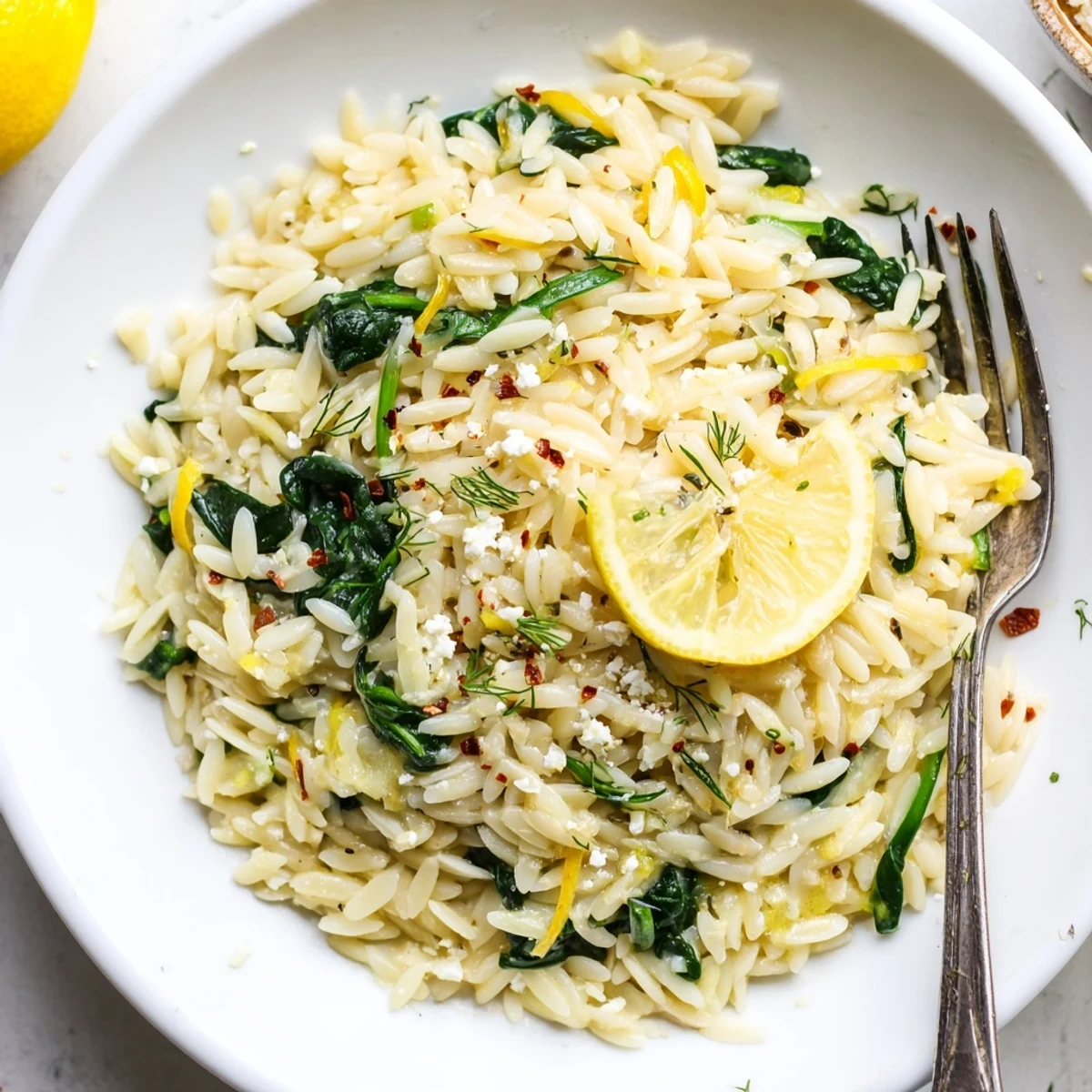
Save There is something about ladling this into bowls on a rainy evening that makes the whole kitchen feel warmer, the light softer, the conversation easier. It became my unofficial moving gift when a friend relocated last spring, carried across town still steaming in a covered pot.
What to Serve Alongside It
A chunk of crusty bread is all you really need to sop up the lemony broth that pools at the bottom of the bowl. A glass of cold Sauvignon Blanc sitting on the counter while you cook turns the whole experience into something slightly more special without any extra work.
Making It Your Own
Tossing in a handful of drained chickpeas at the spinach stage turns this into a genuinely filling meal that satisfies even the hungriest dinner guests. Kale or arugula work in place of spinach if that is what your fridge is offering, each bringing its own personality to the pan.
Storage and Leftovers
This keeps surprisingly well in the fridge for up to three days, though the orzo firms up and benefits from a splash of broth before reheating on the stove. The flavors actually deepen overnight, making it one of those rare dishes that tastes even better for lunch the next day.
- Store in an airtight container and reheat gently to avoid scorching the bottom.
- Add a squeeze of fresh lemon after reheating to wake the flavors back up.
- Do not freeze it, as the texture of the orzo and spinach will suffer significantly.
 Save
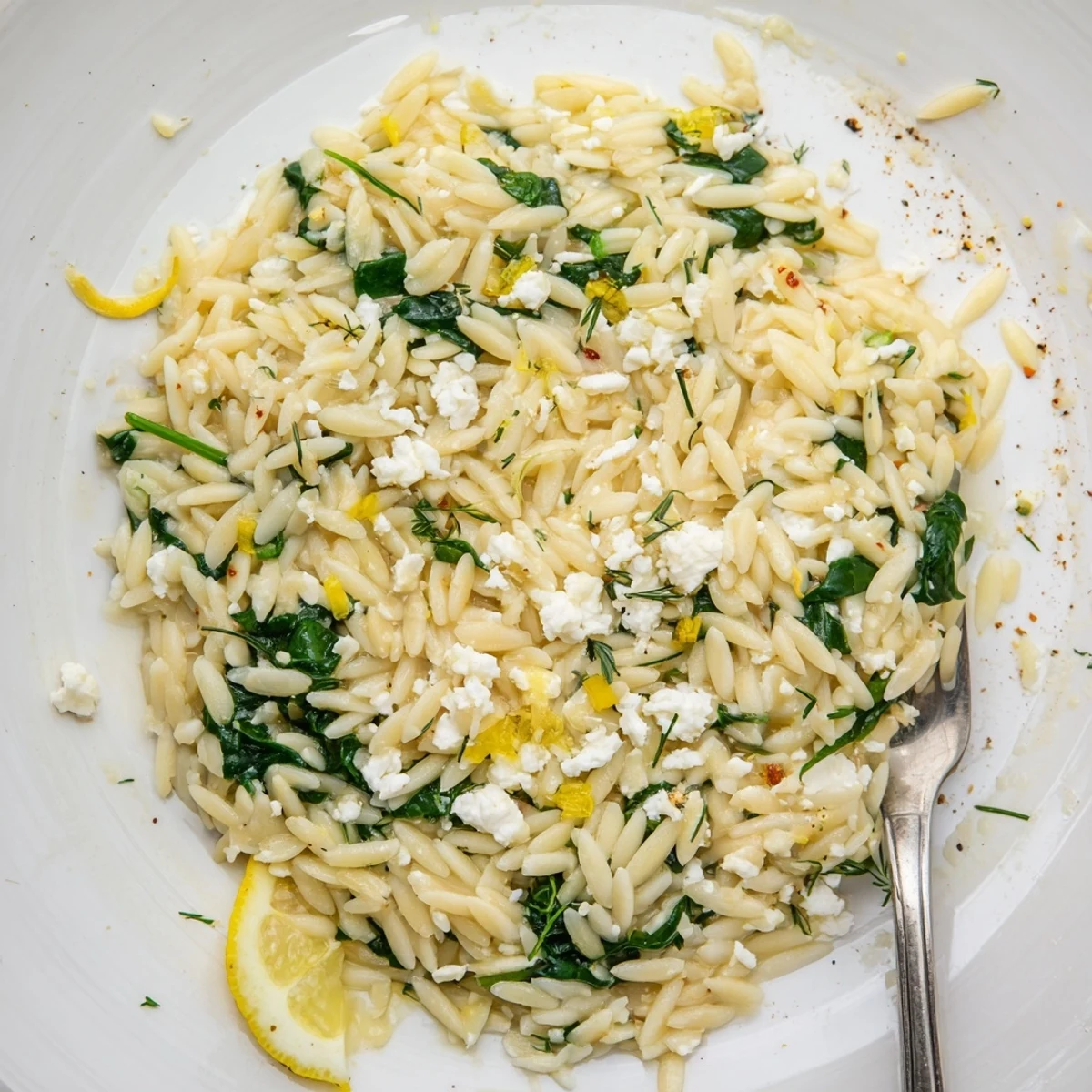
Save Cooking does not have to be complicated to be memorable, and this pan of lemony orzo proves that every single time. Share it with someone you love, or keep it all to yourself on a quiet night.
Recipe FAQs
- → Can I use a different grain instead of orzo?
-
You can swap orzo for other small pastas like acini di pepe or small shells, but adjust cooking time and liquid; larger shapes may need more broth and a few extra minutes to become tender.
- → How do I prevent the orzo from sticking?
-
Toast the orzo briefly in oil before adding liquid, stir occasionally while simmering, and ensure the pan is not too hot. Using the correct liquid ratio and removing from heat when al dente prevents clumping.
- → What dairy-free options work for the feta?
-
Use a firm plant-based cheese or toss in toasted pine nuts and a splash of extra-virgin olive oil for richness. A sprinkle of nutritional yeast adds savory, cheesy notes without dairy.
- → How can I add protein to make it heartier?
-
Stir in canned chickpeas toward the end for a vegetarian boost, or top servings with grilled chicken or shrimp. Additions should be warmed through in the final minutes so greens still wilt gently.
- → What's the best way to store and reheat leftovers?
-
Cool to room temperature, then refrigerate in an airtight container for up to 3 days. Reheat gently on the stove with a splash of broth or water to loosen the pasta and revive creaminess.
- → Can I use frozen spinach instead of fresh?
-
Yes—thaw and squeeze out excess water before stirring in. Add it a little earlier than fresh spinach so excess moisture can evaporate and the texture stays pleasant.