
 Save
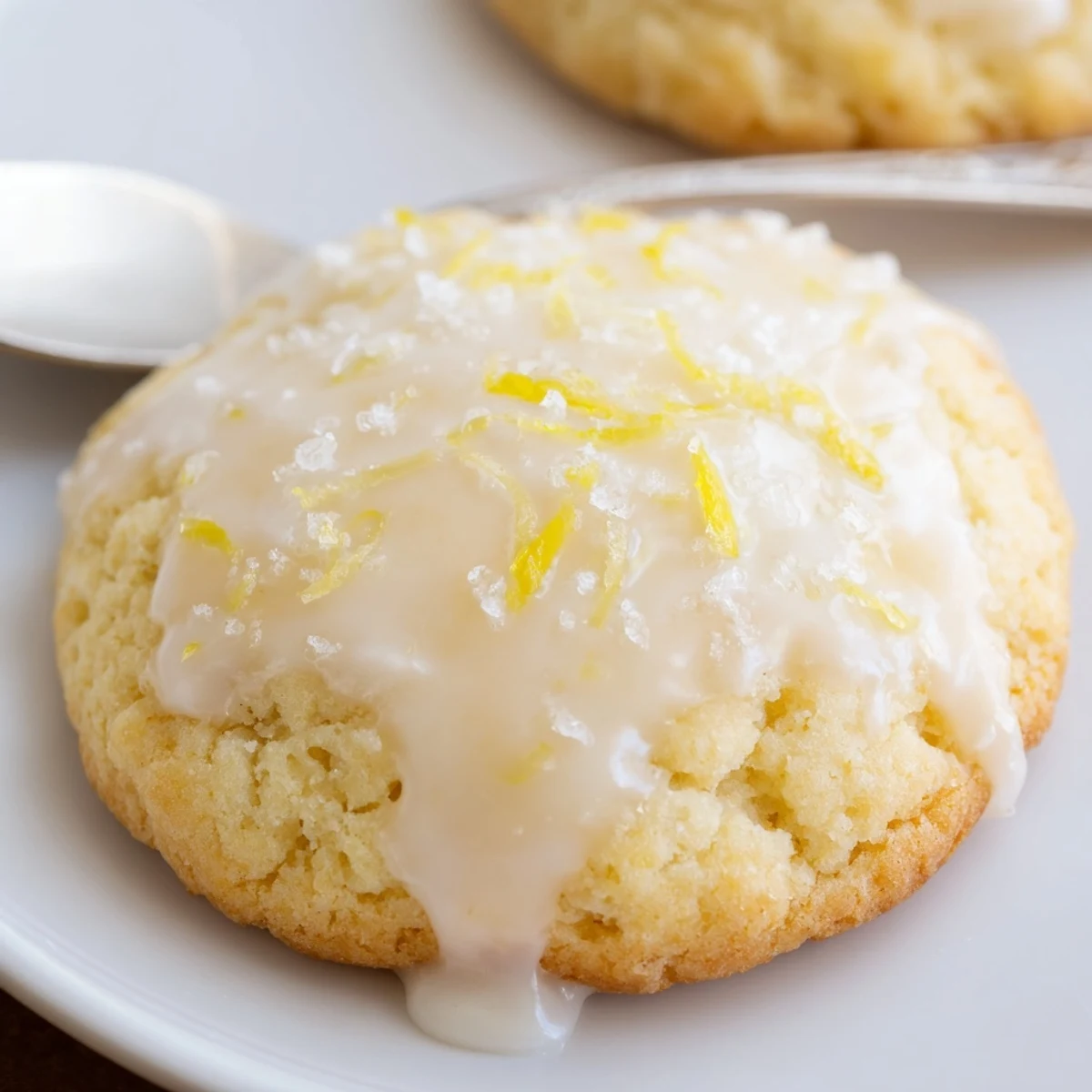
Save These buttery, zesty cookies start by creaming softened butter and sugar until light, then beating in an egg, lemon zest, lemon juice and vanilla. Dry ingredients (flour, baking powder, baking soda, salt) are folded in just until combined. Scoop tablespoon portions, space 2 inches apart, and bake 10–12 minutes at 350°F (175°C). Cool on a rack, then drizzle a simple glaze of powdered sugar and lemon juice; stir in extra zest for added brightness. Store airtight up to five days or freeze dough for later baking.
The screen door slammed and my friend Maria walked in carrying a bag of lemons from her backyard tree, announcing we were going to figure out what to do with all of them before they went soft. Three hours later we had flour dusted across every surface and a kitchen that smelled like sunshine. These lemon cookies were the clear winner of that afternoon, and now I make them every year when the first warm day rolls around.
I brought a tin of these to a potluck once and watched a quiet coworker eat four of them standing right next to the buffet table without breaking eye contact with me. That moment told me everything I needed to know about this recipe.
Ingredients
- 2 1/4 cups (280 g) all-purpose flour: The backbone of the cookie, spoon it into your measuring cup rather than scooping directly to avoid dense cookies.
- 1/2 teaspoon baking powder and 1/4 teaspoon baking soda: This combo gives the cookies a gentle lift without turning them into little domes.
- 1/4 teaspoon salt: Do not skip this, it makes the lemon flavor actually taste like lemon instead of just sweet.
- 1 cup (225 g) unsalted butter, softened: Leave it out for about an hour, if you press it and your finger leaves a small indent, it is ready.
- 1 cup (200 g) granulated sugar: Plain white sugar lets the lemon stay the star here.
- 1 large egg: Binds everything together and adds richness.
- 2 tablespoons lemon zest (from 2 lemons): This is where most of the lemon flavor lives, so zest before you juice and really get into the colored part of the peel.
- 2 tablespoons freshly squeezed lemon juice: Fresh is nonnegotiable, the bottled stuff tastes flat and metallic next to real lemon.
- 1 teaspoon pure vanilla extract: A warm background note that rounds out the brightness.
- 1 cup (120 g) powdered sugar: The base of the glaze, sift it if it looks lumpy.
- 2 to 3 tablespoons freshly squeezed lemon juice for glaze: Start with two and add the third only if you want a thinner drizzle.
- 1 teaspoon lemon zest for glaze (optional): Tiny yellow flecks in the white glaze make them look bakery worthy.
Instructions
- Get the oven ready:
- Preheat to 350 degrees F and line two baking sheets with parchment paper so nothing sticks and cleanup is a breeze.
- Whisk the dry stuff:
- In a medium bowl, whisk together the flour, baking powder, baking soda, and salt, then set it aside so it is within arm reach.
- Cream butter and sugar:
- Beat the softened butter and sugar in a large bowl until the mixture looks pale and fluffy, about two to three minutes, and you will hear the texture change from gritty to silky.
- Add the wet ingredients:
- Drop in the egg, lemon zest, lemon juice, and vanilla, then beat until everything is well combined and it smells like a citrus grove in your kitchen.
- Bring it all together:
- Gradually add the dry ingredients to the wet mixture and mix just until the last streak of flour disappears, overmixing is the enemy of tender cookies.
- Scoop and shape:
- Scoop tablespoon sized balls of dough onto your prepared sheets, leaving about two inches between them because they will spread and need room to breathe.
- Bake until golden:
- Bake for 10 to 12 minutes until the edges are lightly golden but the centers still look soft, then let them rest on the sheets for five minutes before moving to a wire rack.
- Make the glaze:
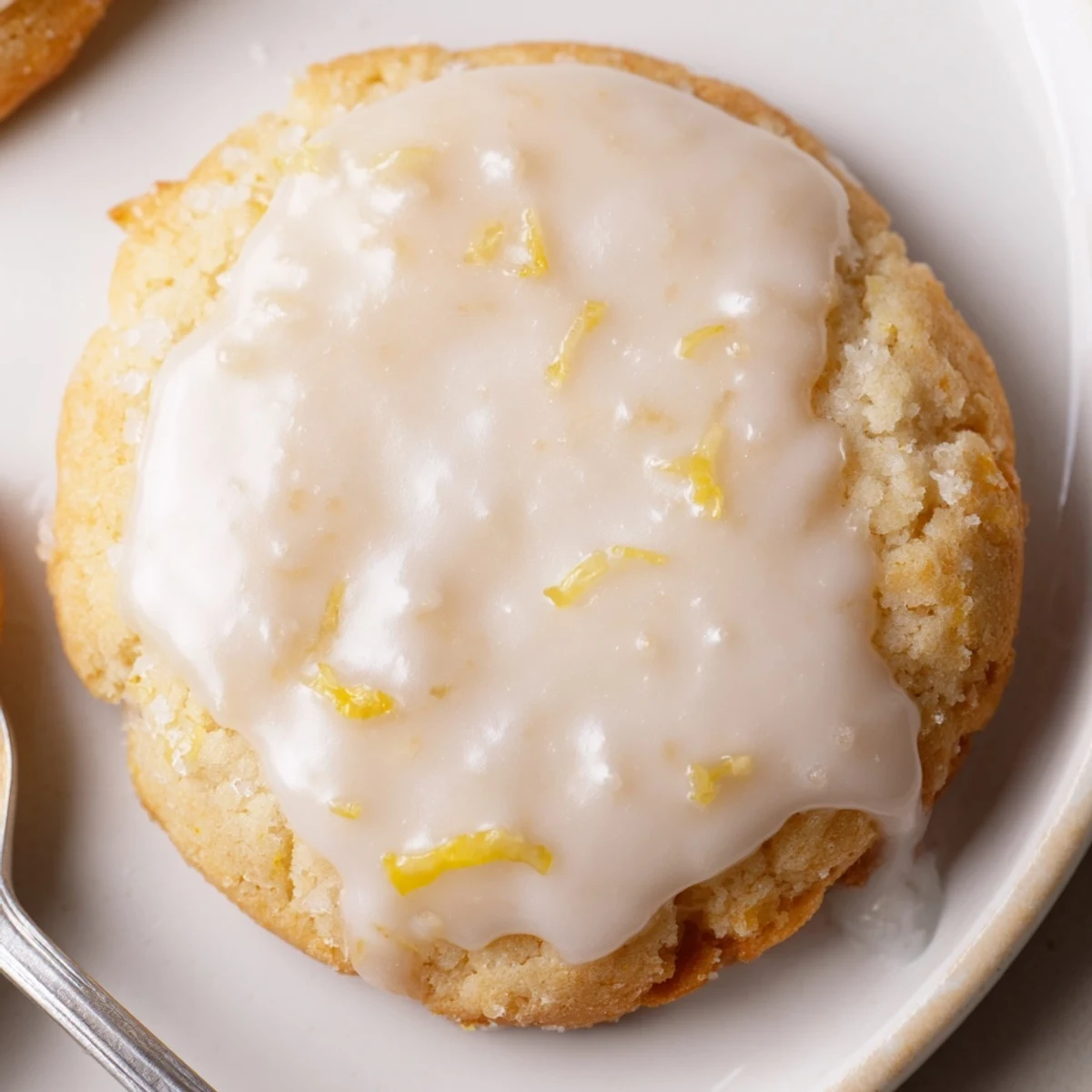
- Whisk the powdered sugar with lemon juice starting with two tablespoons and adding more until it reaches a drizzly consistency, then stir in extra zest if you want that punch.
- Glaze and set:
- Drizzle or spread the glaze over completely cooled cookies and give them time to set up before stacking or serving, patience pays off here.
 Save
Save The afternoon Maria and I made these, we sat on the back porch with a plate of still warm cookies and a pot of tea while her kids ran through the sprinkler. She told me she was pregnant with her third, and we celebrated with two more cookies each.
When to Make These
These cookies belong at spring brunches, baby showers, Easter tables, and any Tuesday that needs a little brightening. They also make a thoughtful gift tucked into a cellophane bag with a ribbon, people always assume you bought them from a bakery.
Storing and Freezing
Keep glazed cookies in a single layer in an airtight container and they stay wonderful for up to five days, though they rarely last that long in my house. You can freeze the unglazed baked cookies for up to three months and add the glaze after thawing so it looks fresh.
Adapting This Recipe
A gluten free one to one flour blend works well here if you need to avoid wheat, though the texture may be slightly more cakey. You can also add a handful of white chocolate chips or poppy seeds to the dough for a fun twist.
- Roll the dough balls in coarse sugar before baking for a sparkly finish.
- A microplane zester gives you the finest zest and prevents bitter white pith from sneaking in.
- Taste your glaze before adding it and adjust the lemon juice or sugar to match your preference for tang.
 Save
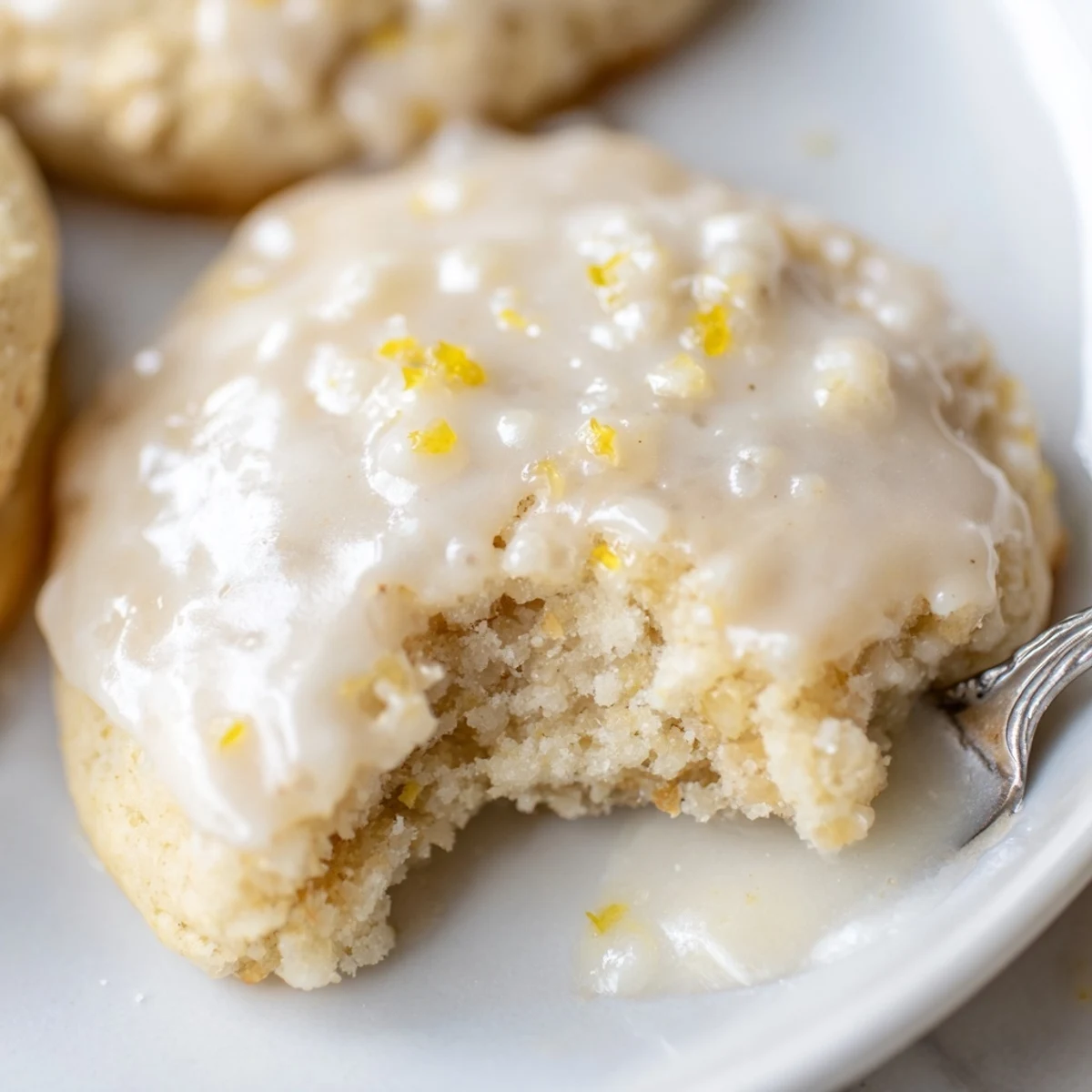
Save Every time I zest a lemon I think of that afternoon with Maria and smile. These cookies are proof that the best recipes come from simple moments shared with good people.
Recipe FAQs
- → How do I get chewier vs crisp cookies?
-
For chewier edges, slightly underbake by a minute and let cookies cool on the baking sheet. For crisper cookies, flatten dough slightly before baking and bake until edges are deeper golden.
- → Can I use bottled lemon juice instead of fresh?
-
Fresh lemon juice and zest give brighter citrus notes, but bottled juice works in a pinch. If using bottled, add a little extra zest to compensate for lost aroma.
- → How thick should the glaze be for drizzling?
-
Start with 2 tablespoons of lemon juice to 1 cup powdered sugar and whisk; add juice a teaspoon at a time until it just drips off a spoon for a drizzling consistency. Thicker = spreadable, thinner = pourable.
- → Can I make these gluten-free?
-
Yes. Substitute a 1:1 gluten-free all-purpose flour blend that contains xanthan gum, and monitor texture—some blends absorb more moisture and may need a touch more liquid or a shorter bake time.
- → Is chilling the dough necessary?
-
Chilling is optional. A brief 15–30 minute chill firms the dough and can reduce spread, yielding a slightly thicker cookie. If you prefer quick baking, you can bake immediately.
- → How should I store leftovers?
-
Keep cooled cookies in an airtight container at room temperature for up to five days. Layer with parchment to prevent sticking; glazed cookies may be best stored in a single layer until glaze sets fully.