
 Save
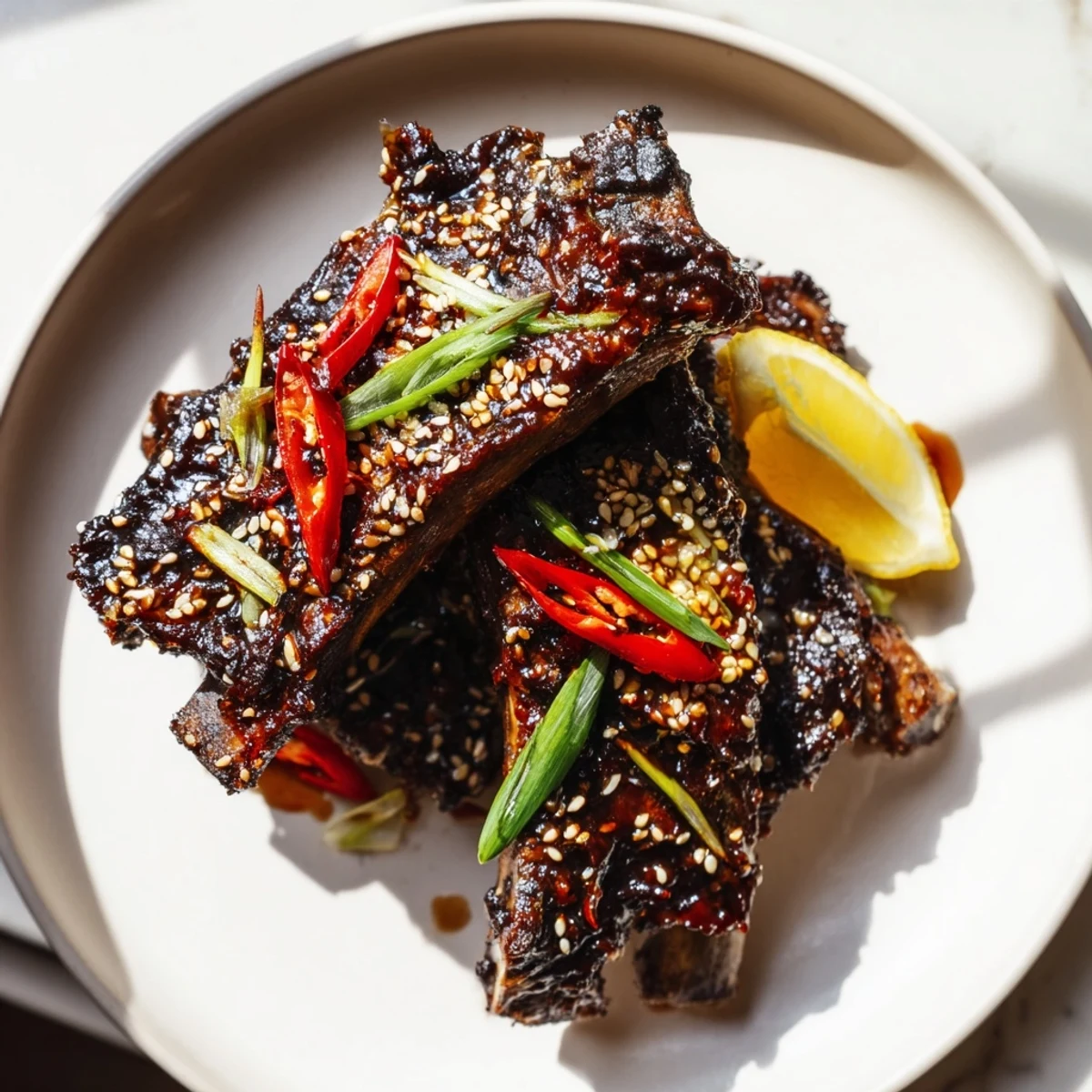
Save These Korean BBQ lamb ribs are marinated in a bold blend of gochujang, soy sauce, sesame oil, honey, garlic, and ginger, then slow-roasted to tender perfection and finished on a hot grill for caramelized, charred edges.
A generous squeeze of fresh yuzu juice brightens every bite, balancing the rich, savory-sweet glaze with its unique citrus aroma. Topped with toasted sesame seeds and sliced spring onions, this dish delivers an irresistible combination of smoky, spicy, and tangy flavors.
The sizzle of lamb ribs hitting a screaming hot grill is a sound that rewires something in your brain, and the first time I heard it was at a tiny Korean fusion spot in Melbourne where the chef casually squeezed yuzu over everything before sending plates out. I went home obsessed, bought a bottle of yuzu juice the next morning, and spent three weekends burning ribs until I figured out the timing. This recipe is the result of that happy stubbornness.
I cooked these for my neighbor David last summer when he helped me move a refrigerator up two flights of stairs, and he stood in my kitchen eating straight off the baking sheet with his hands before I even plated anything. We never did use the plates.
Ingredients
- Lamb ribs (1.5 kg): Ask your butcher for ribs with good fat coverage, as the fat renders during roasting and bastes the meat from within.
- Soy sauce (4 tablespoons): Use a quality brewed soy sauce, and go gluten free if needed, since this is the salt backbone of the marinade.
- Gochujang (2 tablespoons): This Korean chili paste brings fermented depth and gentle heat, and different brands vary wildly so taste yours first.
- Sesame oil (2 tablespoons): Toasted sesame oil is non negotiable here, as it adds a nutty aroma that ties the Korean flavors together.
- Honey (2 tablespoons): The honey is what helps the marinade caramelize into that gorgeous sticky glaze under high heat.
- Garlic, minced (4 cloves): Fresh garlic only, and mince it finely so it distributes evenly through every bite.
- Freshly grated ginger (2 tablespoons): Freeze your ginger first and grate it on a microplane for a wet paste that melts right into the marinade.
- Rice vinegar (1 tablespoon): A mild acid that brightens the marinade without fighting the other flavors.
- Brown sugar (1 tablespoon): Works alongside the honey for deeper caramel notes during the grill phase.
- Black pepper, freshly ground (1 teaspoon): Adds a subtle warmth that sits behind the chili without competing with it.
- Spring onions, finely chopped (2): These go into the marinade raw and soften into sweet ribbons during cooking.
- Fresh yuzu or yuzu juice (1 fruit or 3 tablespoons): Yuzu is floral and tart, and if you cannot find it, a fifty fifty blend of lemon and lime juice gets you close.
- Toasted sesame seeds (1 tablespoon): Toast them in a dry pan until golden and fragrant, which takes about two minutes if you pay attention.
- Spring onions, thinly sliced (2): Keep these raw for garnish, as their sharp freshness balances the rich meat.
- Red chili, finely sliced (1, optional): For those who want a visual pop and an extra whisper of heat on top.
Instructions
- Build the marinade:
- Combine soy sauce, gochujang, sesame oil, honey, garlic, ginger, rice vinegar, brown sugar, pepper, and chopped spring onions in a large bowl, and whisk until the mixture is smooth with no gochujang lumps hiding in corners.
- Coat the ribs:
- Place the lamb ribs in a large resealable bag or shallow dish, pour the marinade over them, and use your hands to massage it into every surface and crevice.
- Let time do its work:
- Refrigerate for at least one hour, though overnight is ideal because the flavors deepen and the salt has time to season the meat all the way through.
- Set up for roasting:
- Preheat your oven to 160 degrees Celsius, line a baking sheet with foil, and set a wire rack on top so the ribs cook evenly with hot air circulating underneath.
- Roast low and slow:
- Arrange the ribs on the rack, reserving leftover marinade in a small bowl, and roast for one hour, basting generously with the reserved marinade at the halfway mark.
- Finish with fire:
- Transfer the ribs to a screaming hot grill or broiler and cook three to five minutes per side until the edges char and the glaze bubbles into a sticky shell.
- Dress and serve:
- Squeeze fresh yuzu juice over the hot ribs, scatter sesame seeds, sliced spring onions, and chili across the top, and serve immediately with extra yuzu wedges alongside.
 Save
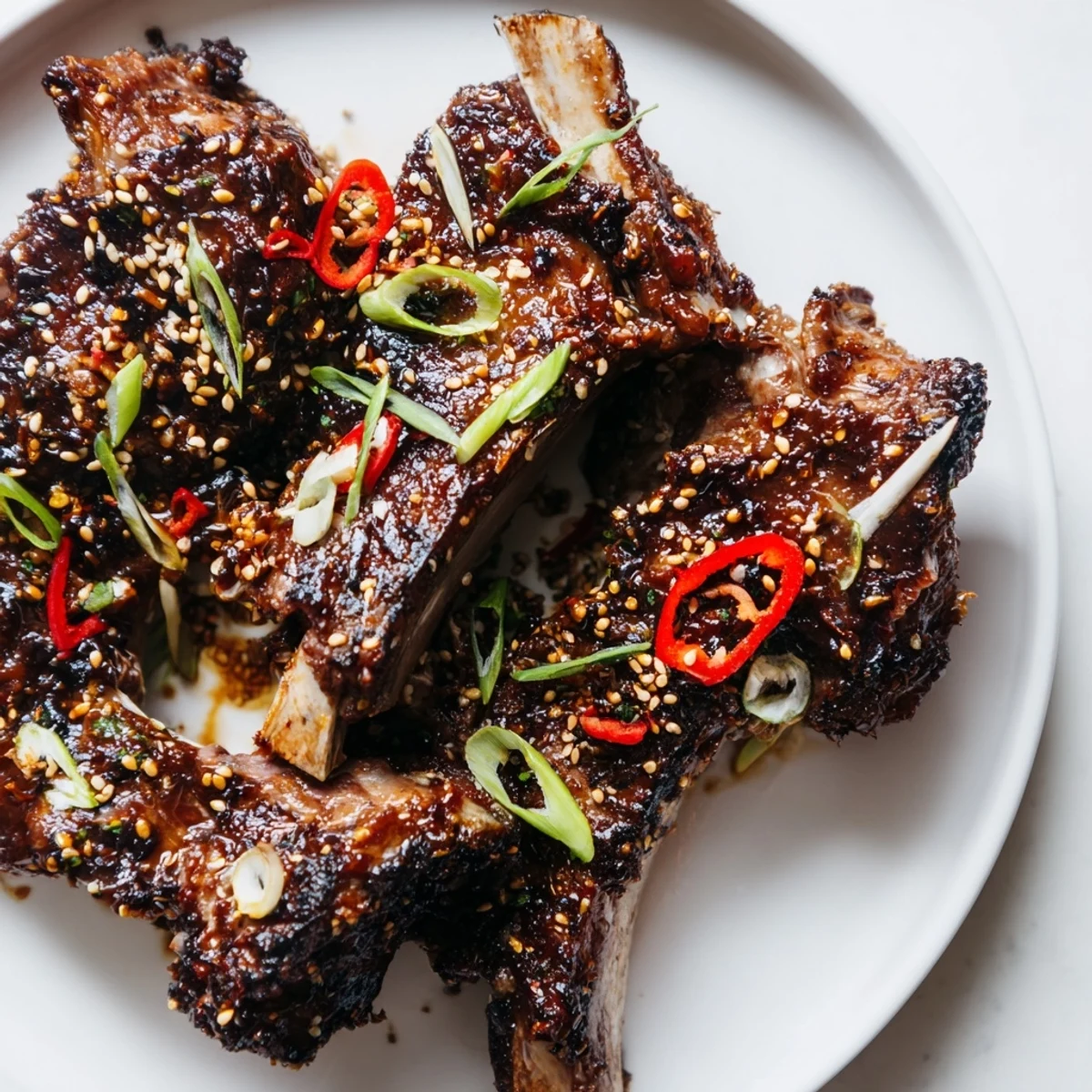
Save There is a specific kind of silence that falls over a table when everyone is too busy eating to speak, and these ribs have produced that silence every single time I have served them.
What to Serve Alongside
Steamed white rice is the obvious and correct choice because it soaks up the sticky marinade drippings like nothing else. A bowl of tangy kimchi on the side cuts through the fat with fermented crunch, and simple grilled vegetables like zucchini or king oyster mushrooms round out the meal without stealing attention from the ribs.
Handling the Heat
Two tablespoons of gochujang gives you moderate warmth that most people can handle comfortably. If you want genuine fire, double the gochujang or add a teaspoon of Korean chili flakes to the marinade, and if you are cooking for someone sensitive to spice, drop it to one tablespoon and let the yuzu and sesame carry the flavor instead.
Making Ahead and Storing
The marinade can be prepared up to three days in advance and kept in the refrigerator, which makes the actual cooking day nearly effortless. Leftover ribs reheat beautifully in a low oven wrapped loosely in foil, though they rarely last long enough to become leftovers in my house.
- Freeze uncooked marinated ribs flat in their bag for up to two months and thaw overnight before roasting.
- Any extra marinade makes a fantastic quick glaze for chicken thighs or tofu steaks.
- Always let the ribs rest for five minutes after grilling before cutting so the juices redistribute properly.
 Save
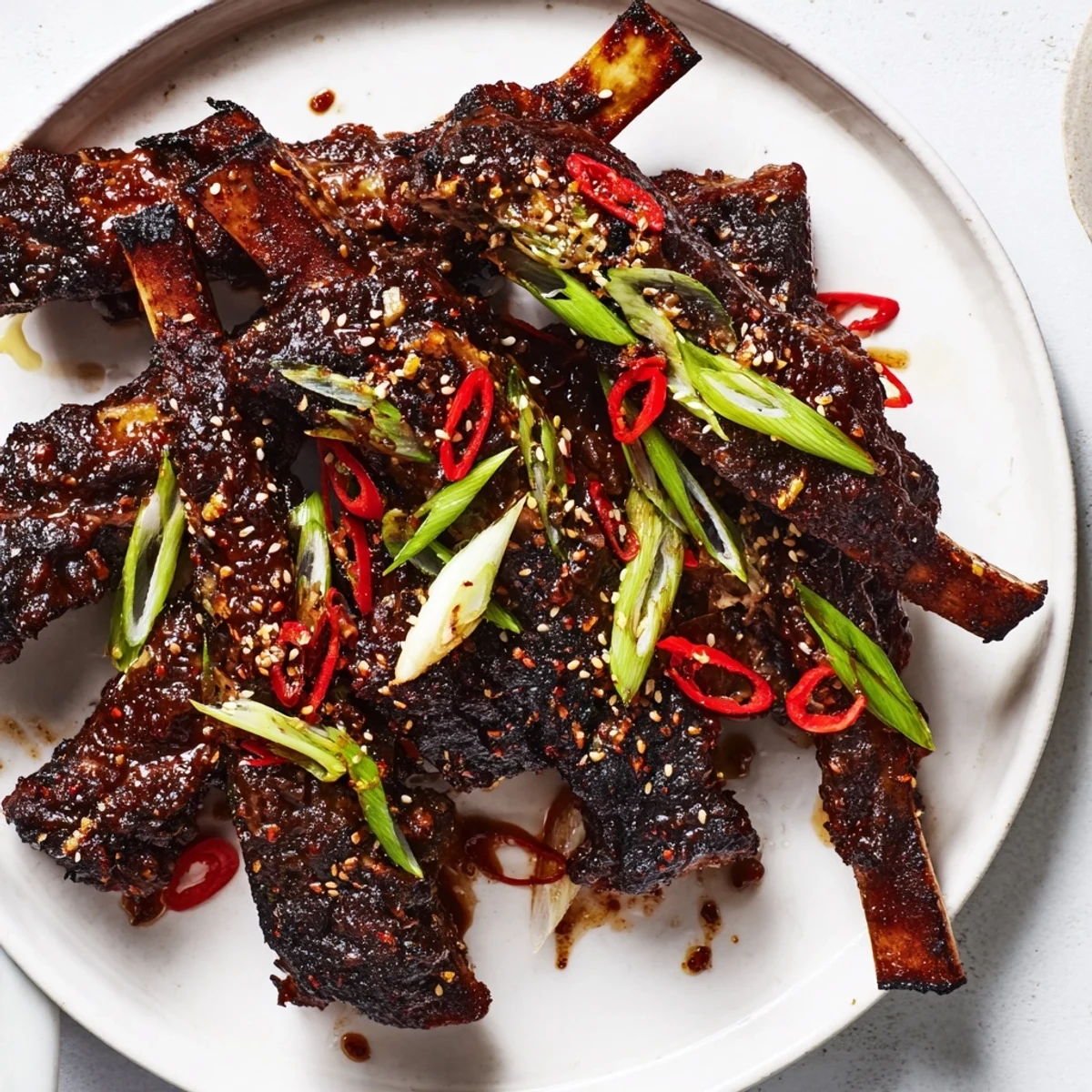
Save Cook these once and they will become the dish people request from you at every gathering, and honestly, that is the highest compliment a recipe can receive.
Recipe FAQs
- → What does yuzu taste like and where can I find it?
-
Yuzu has a fragrant, tangy flavor that sits between a lemon and a mandarin orange, with floral undertones. Fresh yuzu can be found at Asian grocery stores or specialty markets. If unavailable, substitute with equal parts lemon and lime juice for a similar citrusy punch.
- → Can I marinate the lamb ribs for less than an hour?
-
While one hour is the minimum, the flavor develops significantly with longer marination. For best results, marinate overnight in the refrigerator. The gochujang and soy sauce penetrate deeper into the meat, resulting in more flavorful, tender ribs.
- → What cut of lamb ribs should I use?
-
Look for lamb breast ribs or lamb riblets, which are well-suited for slow roasting and grilling. These cuts have enough fat and connective tissue to become meltingly tender during the roasting process while holding up to the bold marinade.
- → How do I get the best char on the ribs?
-
After slow-roasting at 160°C, transfer the ribs to a preheated grill or broiler on high heat. The sugars in the honey and brown sugar in the marinade caramelize quickly, creating those desirable charred, sticky edges. Watch closely and cook 3-5 minutes per side to avoid burning.
- → Is this dish naturally gluten-free?
-
It can be gluten-free by using gluten-free soy sauce or tamari. However, gochujang may contain wheat, so always check the label carefully. Rice vinegar, sesame oil, honey, and the other marinade ingredients are typically gluten-free.
- → What should I serve with Korean BBQ lamb ribs?
-
Steamed white rice is a natural pairing to soak up the savory-sweet glaze. Kimchi adds a tangy, fermented crunch that complements the rich lamb. Grilled vegetables, pickled radish, or a simple cucumber salad also work beautifully alongside.