
 Save
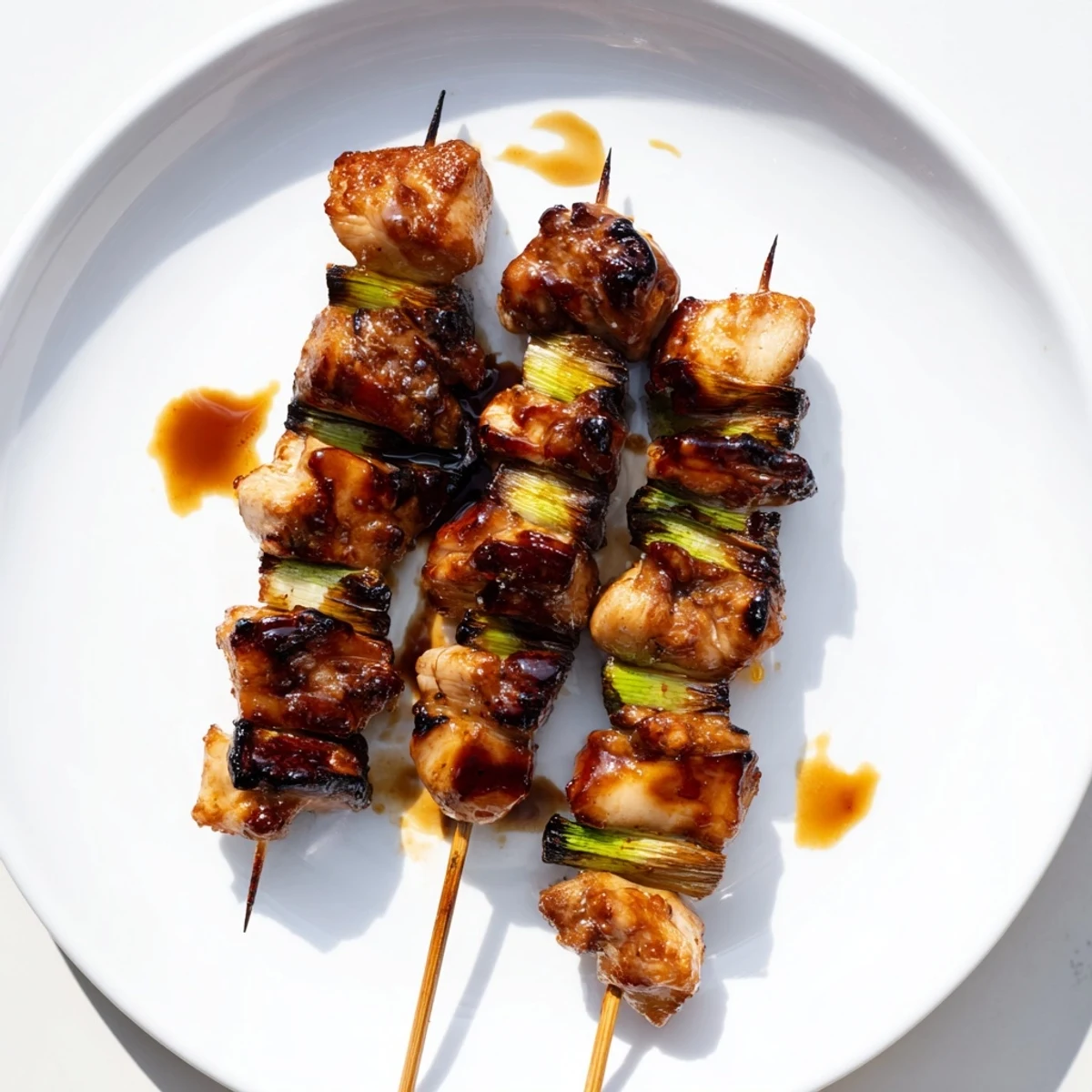
Save Japanese chicken yakitori uses bite-sized thigh pieces threaded with scallions, brushed with a homemade tare of soy, mirin, sake, sugar, garlic and ginger. Simmer the sauce until slightly thickened, thread soaked skewers, and grill 3–4 minutes per side, basting to build a glossy glaze. Serve hot with extra sauce, steamed rice, or pickled vegetables; thigh meat keeps the skewers juicy.
The smell of charcoal and caramelized soy sauce hit me at a Tokyo festival stall at dusk, and I stood there watching the vendor flip skewers with one hand while basting with the other, mesmerized by how something so simple could smell so urgent and alive.
I tried recreating this on a weeknight with a griddle pan and a curious neighbor who followed the smoke to my kitchen door, and we ended up standing around the counter eating skewers straight off the pan before I could even plate them.
Ingredients
- 500 g boneless, skinless chicken thighs: Thighs are the real secret here since they stay moist even if you accidentally overcook a skewer or two while chatting.
- 80 ml soy sauce: Use a Japanese soy sauce if you can find one, as it has a rounder, less aggressively salty flavor than many standard brands.
- 60 ml mirin: This sweet rice wine is what gives the glaze its beautiful sheen and that deep, mellow sweetness.
- 2 tbsp sake: It tenderizes the chicken and adds a subtle complexity you cannot quite put your finger on.
- 2 tbsp sugar: Plain white sugar works perfectly and helps the sauce thicken and caramelize on the grill.
- 1 clove garlic, minced: Just enough to add a warm backbone without overpowering the delicate balance.
- 1 small piece fresh ginger, grated: Fresh ginger brings a brightness that makes the whole glaze feel lighter.
- 4 to 5 spring onions: Cut into pieces that match the chicken so every bite feels balanced.
- Vegetable oil for brushing: Any neutral oil keeps the chicken from sticking without adding competing flavors.
- Bamboo skewers, soaked: Thirty minutes in water prevents them from burning on the grill.
Instructions
- Brew the tare sauce:
- Combine the soy sauce, mirin, sake, sugar, garlic, and ginger in a small saucepan and bring it to a gentle bubble over medium heat, stirring until the sugar vanishes into the liquid. Let it simmer for five to seven minutes until it coats the back of a spoon, then set it aside to cool and thicken further.
- Build the skewers:
- Thread the chicken thigh pieces and spring onion segments onto the soaked skewers, alternating between the two so every skewer has a rhythm of meat and allium. Try to keep the pieces snug but not crammed together so the glaze can reach every surface.
- Heat the grill:
- Brush your grill or griddle pan with a thin layer of vegetable oil and let it get good and hot over medium high heat until a drop of sauce sizzles on contact. This is the moment where patience pays off because a hot surface means better char.
- Grill and glaze:
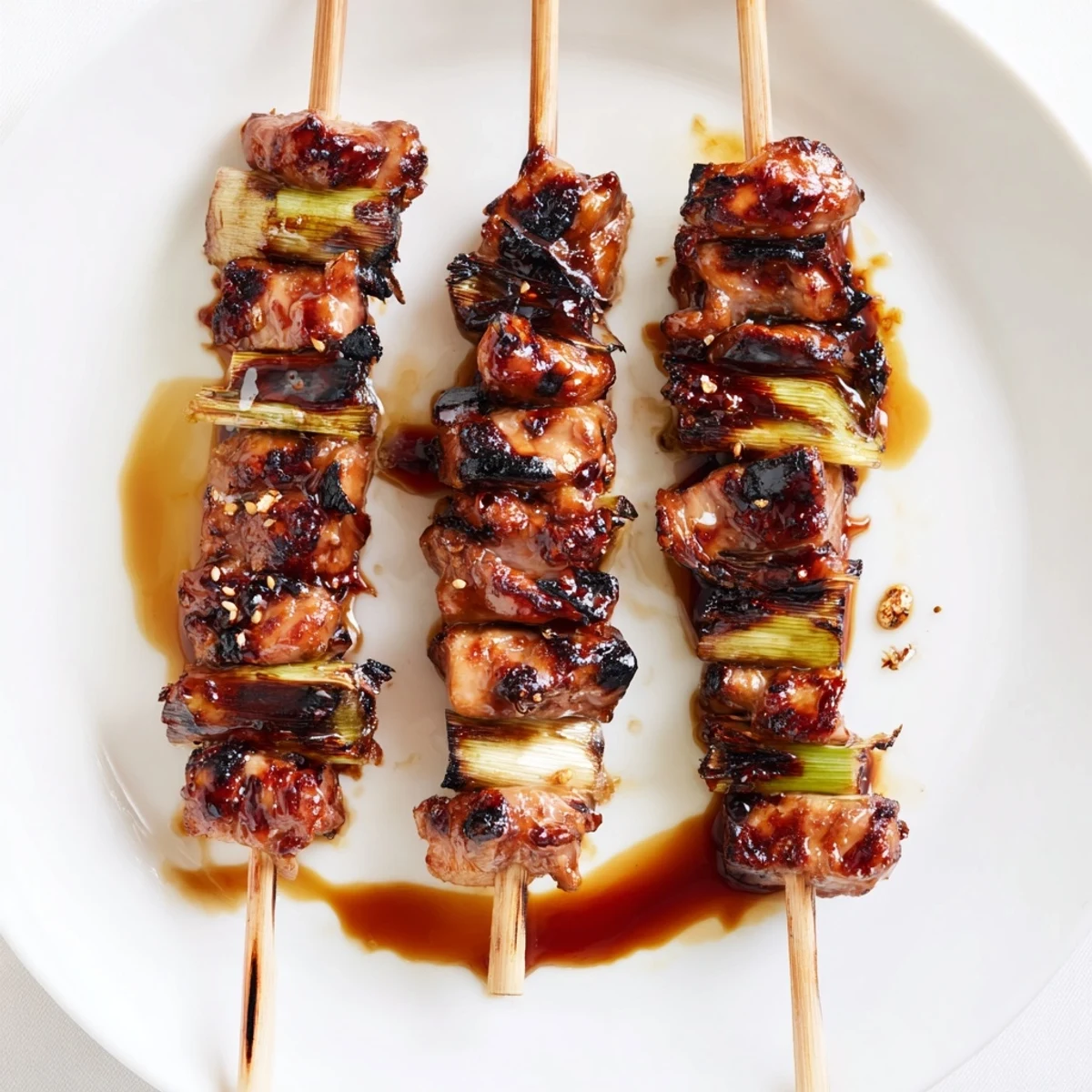
- Lay the skewers down and cook for three to four minutes per side, brushing generously with the tare sauce each time you flip, until the chicken is cooked through and lacquered with a sticky, caramelized coat. Listen for that gentle hiss and watch for edges that darken without turning black.
- Serve immediately:
- Slide the skewers onto a plate and serve them hot while the glaze is still glossy and tacky, passing any remaining tare sauce on the side for enthusiastic dippers.
 Save
Save I once packed leftover yakitori cold into a bento box for a picnic and discovered that the glaze firms up into something almost candy coated, and honestly, I might prefer them that way now.
What to Serve Alongside
A bowl of steamed white rice and a cold Japanese lager turn yakitori from a snack into a proper meal without any extra effort.
Swaps and Variations
Thread button mushrooms or chunks of bell pepper between the chicken and onion if you want more color and texture on each skewer.
Getting the Char Right
The difference between good yakitori and great yakitori is all in the char, which comes from patient, high heat and restraint with the glaze until the final minutes of cooking.
- Brush sauce on during the last few flips rather than drowning the chicken from the start.
- Move skewers to slightly cooler spots on the grill if flare ups happen from dripping sauce.
- Trust your eyes over the timer since the glossy dark finish tells you everything you need to know.
 Save
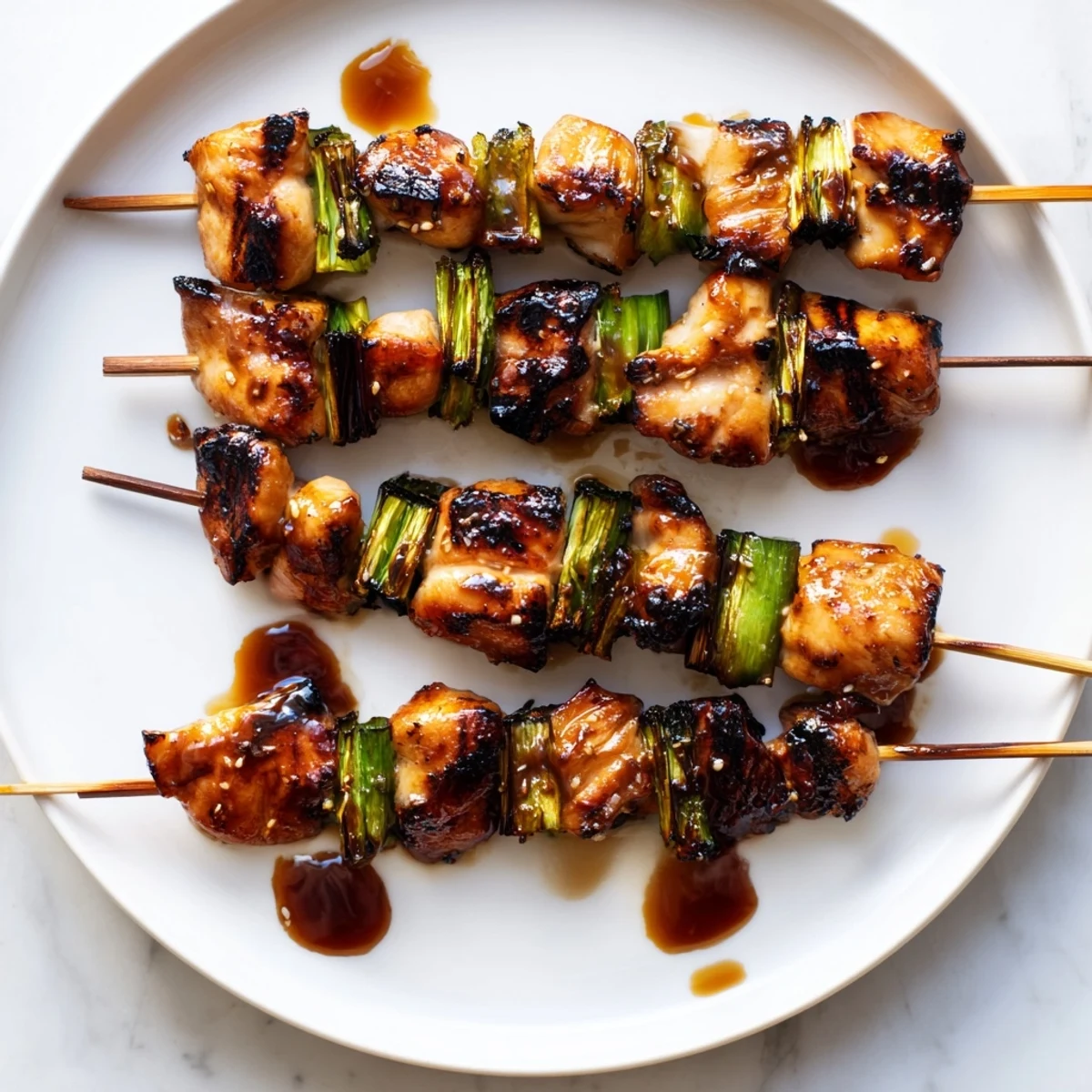
Save Yakitori is proof that a handful of humble ingredients treated with care can transport you somewhere else entirely, one smoky, sweet bite at a time.
Recipe FAQs
- → What cut of chicken works best for yakitori?
-
Boneless, skinless chicken thighs are ideal for balanced fat and flavor; they stay juicy on the grill. Breast can be used for a leaner option but requires careful timing to avoid drying.
- → How do I make the tare glaze?
-
Combine soy sauce, mirin, sake, sugar, garlic and grated ginger. Bring to a gentle boil, stir until sugar dissolves, then simmer 5–7 minutes until slightly thickened. Cool before using to baste.
- → Should bamboo skewers be soaked first?
-
Yes. Soak bamboo skewers in water for at least 30 minutes to prevent burning and to help them hold together while grilling.
- → What is the best grilling technique and timing?
-
Preheat a grill or griddle to medium-high and oil the surface. Grill skewers 3–4 minutes per side, basting several times with tare to build a glossy, caramelized finish without charring too quickly.
- → Can I add vegetables to the skewers?
-
Absolutely. Scallions are classic; mushrooms, bell peppers or shishito peppers work well. Cut vegetables to similar sizes as the chicken for even cooking.
- → How should leftovers be stored and reheated?
-
Cool skewers, store airtight in the refrigerator up to 2 days. Reheat briefly under a broiler or in a hot skillet, brushing with additional sauce to restore gloss and moisture.