
 Save
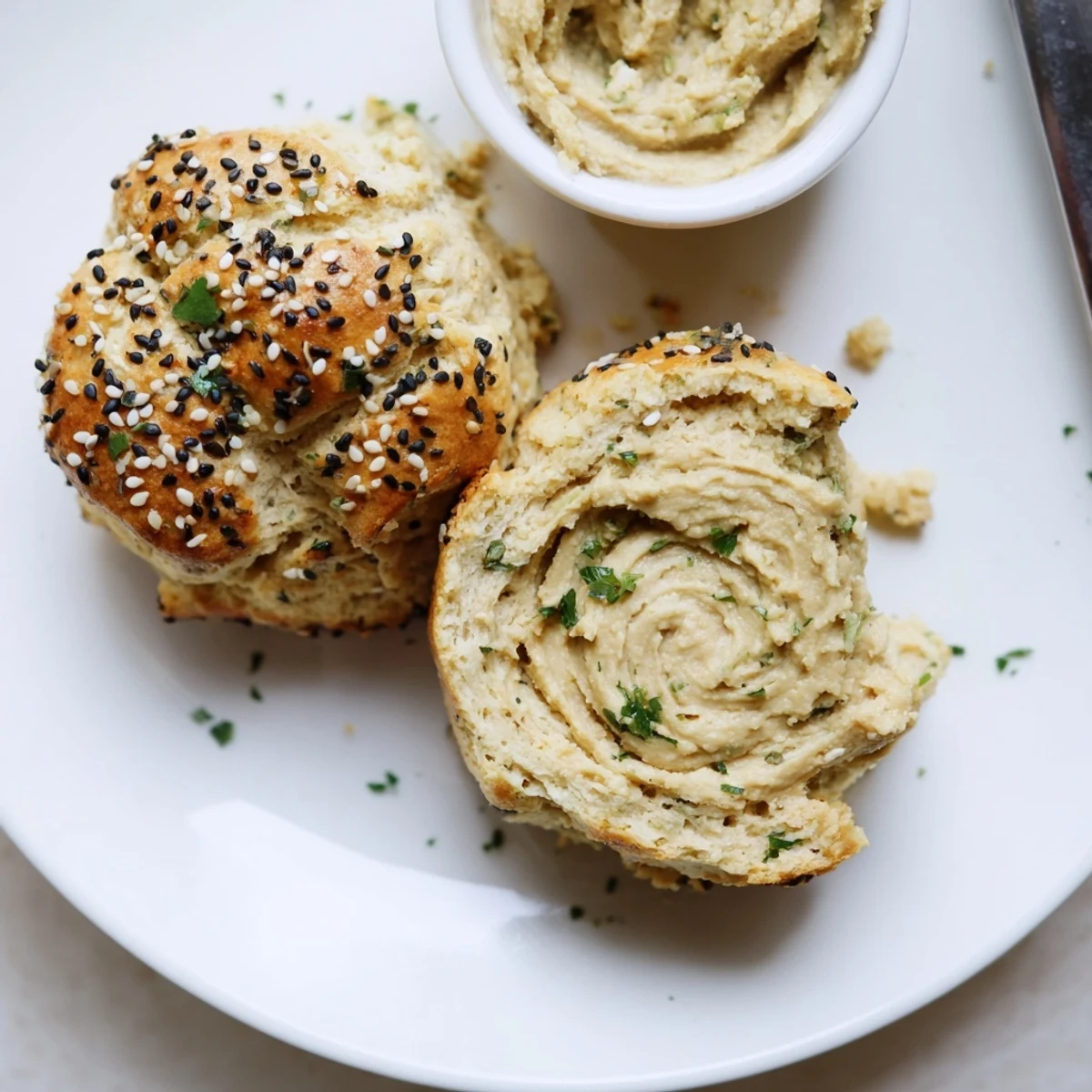
Save These tender humous scones combine 250 g flour with 100 g hummus, cold cubed butter and an egg for rich, flaky rounds. Mix dry ingredients, rub in butter until coarse crumbs form, then stir in the hummus-milk mix until just combined. Fold in herbs, feta or sesame if desired, pat to 1 inch and cut into 6 cm rounds. Bake 18–20 minutes at 200°C. Makes 8; cool slightly and serve warm.
The hummus tub was sitting open on the counter, half scraped clean, when it occurred to me that scooping it onto a scone was only half the idea. What if I folded it directly into the dough? Twenty minutes later the kitchen smelled like toasted sesame and warm bread, and I was pulling golden oddities from the oven that somehow tasted like both a London tea shop and a Tel Aviv market stall.
I brought a basket of these to a potluck brunch and watched three people argue over the last one before deciding to split it into crumbly thirds. That plate was empty before the eggs Benedict even made it to the table.
Ingredients
- 250 g all-purpose flour: Plain flour gives the tenderest crumb, so skip anything self-rising here.
- 2 tsp baking powder: Fresh powder is critical, if it has been open longer than six months, toss it.
- 1/2 tsp baking soda: Works with the slight acidity of hummus for an extra lift.
- 1/2 tsp salt: Sounds like a lot for a small batch but the hummus tones it down beautifully.
- 100 g hummus: Store-bought works perfectly, though a thick homemade batch makes them even more tender.
- 80 ml milk: Dairy or oat milk both work, just keep it cold.
- 60 g unsalted butter, cold and cubed: The colder the butter, the flakier the scone, straight from the fridge, no exceptions.
- 1 large egg: Binds everything and adds richness to the crumb.
- 2 tbsp chopped fresh parsley or chives: Optional but highly recommended for a pop of green freshness.
- 30 g crumbled feta cheese: Scatter it in for a salty, tangy surprise in every other bite.
- 1 tbsp toasted sesame seeds: A finishing touch that echoes the tahini in the hummus.
Instructions
- Get the oven going:
- Preheat to 200 degrees C (400 degrees F) and line a baking tray with parchment paper so nothing sticks.
- Whisk the dry team:
- In a large bowl, whisk the flour, baking powder, baking soda, and salt until evenly blended and lump-free.
- Rub in the butter:
- Drop in the cold cubed butter and rub it between your fingertips until the mixture looks like coarse sand with a few pea-sized bits remaining.
- Blend the wet ingredients:
- In a separate bowl, whisk the hummus, milk, and egg until smooth and creamy with no streaks.
- Bring it all together:
- Pour the wet mixture into the dry and fold gently with a spatula just until the dry spots disappear, resist the urge to keep stirring.
- Add the extras:
- Fold in the herbs, feta, or sesame seeds if using, a couple of gentle turns is plenty.
- Shape and cut:
- Turn the dough onto a lightly floured surface, pat it into a round about 2.5 cm thick, and stamp out scones with a 6 cm cutter, re-rolling scraps once.
- Finish and bake:
- Arrange on the tray, brush tops with a splash of milk and a sprinkle of sesame if desired, then bake 18 to 20 minutes until deeply golden and puffed.
- Cool just enough:
- Let them sit on the tray for five minutes so the crumb settles before serving warm.
 Save
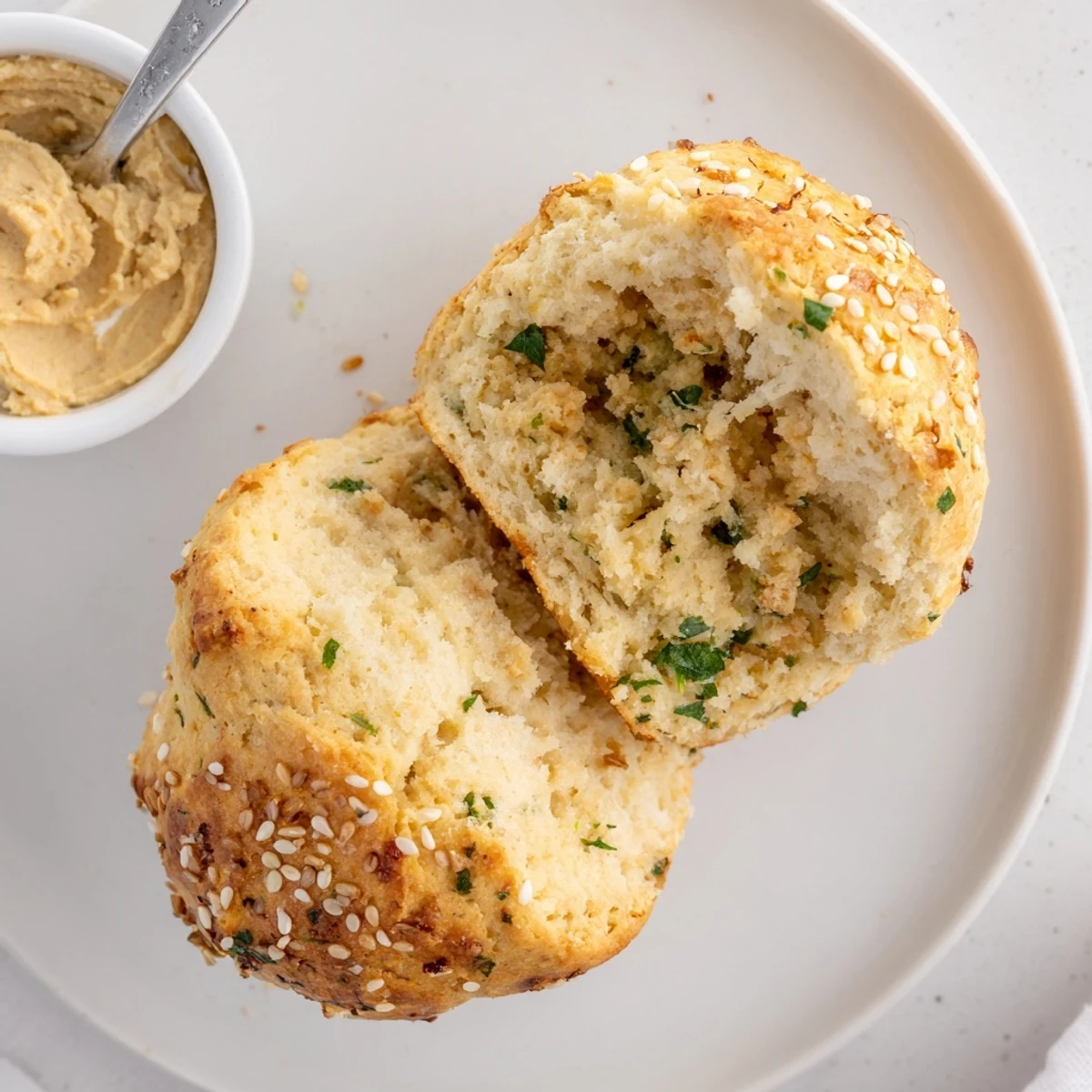
Save A rainy Tuesday afternoon, a pot of Earl Grey, and a plate of these still-warm scones is genuinely one of the smallest and most perfect meals I know.
Choosing the Right Hummus
A thicker hummus gives you a denser, more pillowy scone, while a runnier one makes the dough wetter and the final texture slightly cakey. I prefer a thick, classic chickpea hummus with visible tahini streaks. If your hummus is very loose, add an extra tablespoon of flour to balance things out.
Make Them Your Own
Once you master the base dough, the add-ins are where the fun lives. Try sun-dried tomatoes and oregano for a Mediterranean twist, or sharp cheddar and a pinch of smoked paprika for something heartier. The scones are forgiving as long as you keep the butter cold and the mixing light.
Serving and Storing
These are at their absolute best within two hours of baking, when the outside still has a faint crunch. If you need to store them, wrap tightly and reheat in a 160 degree C oven for five minutes to revive the texture. They also freeze beautifully raw on a tray, then bagged for impromptu baking on lazy weekends.
- Serve alongside a bowl of extra hummus or a dollop of garlicky yogurt for dipping.
- A drizzle of good olive oil and a pinch of flaky salt on top makes them brunch-worthy.
- Always let them cool for at least five minutes or the centers will seem doughy.
 Save
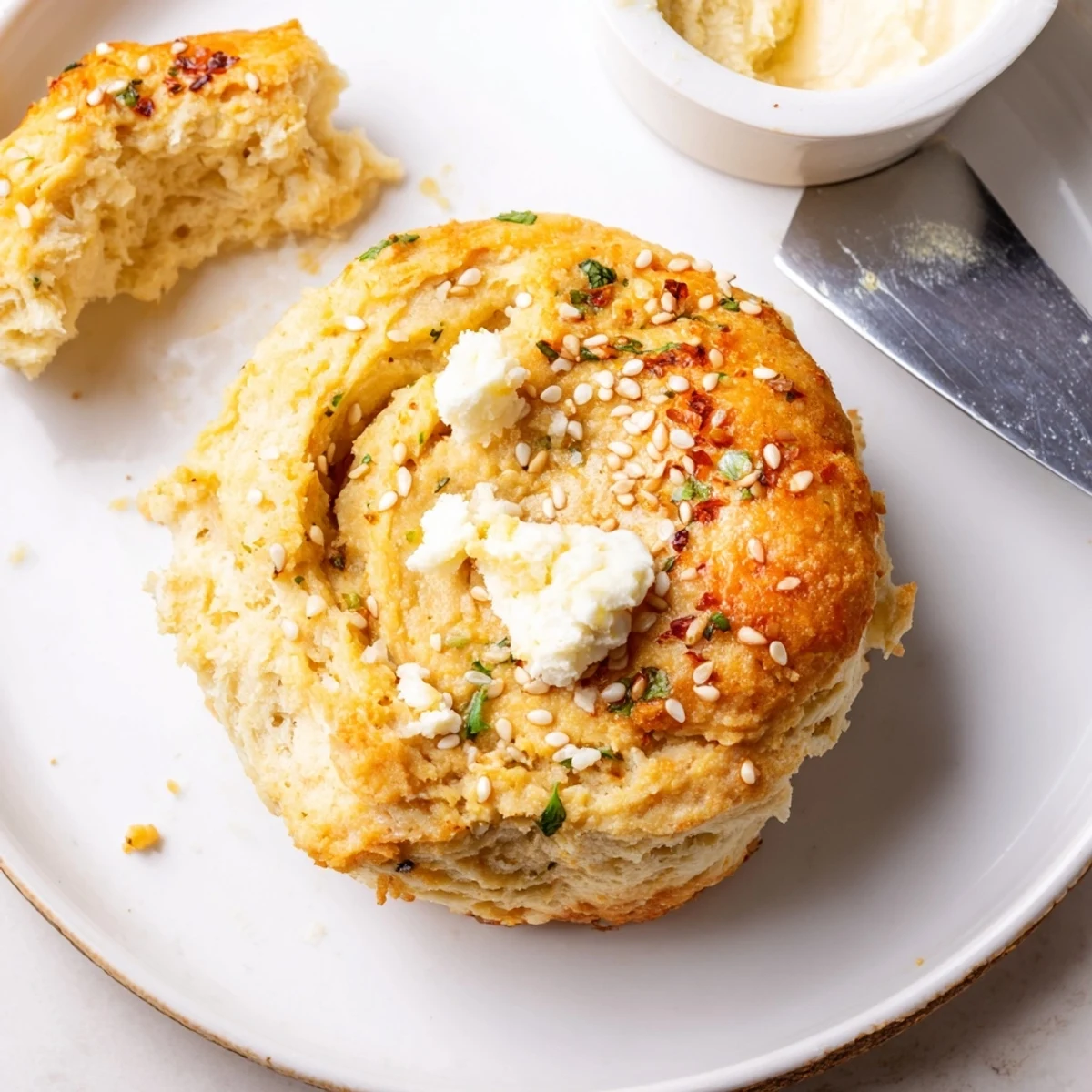
Save Some recipes earn a permanent spot in the rotation not because they are flashy, but because they make something wonderful from whatever is already in the fridge. These hummus scones do exactly that, every single time.
Recipe FAQs
- → How do I keep the scones light rather than dense?
-
Work quickly and handle the dough as little as possible. Rub the cold butter into the flour until the mix resembles coarse crumbs, and only mix wet and dry until just combined—overworking develops gluten and yields dense scones.
- → Can I make these without eggs or dairy?
-
Yes. Use a flaxseed 'egg' (1 tbsp ground flax + 2.5 tbsp water) and plant-based milk, and swap in vegan butter. The technique and bake times remain the same, though texture may be slightly different.
- → What type of hummus works best?
-
A thicker hummus (classic or flavored like roasted red pepper) integrates well; very loose hummus may require slightly less milk. Taste the hummus first—strongly flavored varieties can define the scone's character.
- → How should I store and reheat leftovers?
-
Store cooled scones in an airtight container at room temperature up to 2 days, or freeze for up to a month. Reheat in a low oven (160°C) for 8–10 minutes or split and toast gently to revive flakiness.
- → What mix-ins work well?
-
Fold in chopped parsley or chives, crumbled feta, or toasted sesame seeds. Keep additions modest so the dough holds together—about 2 tbsp herbs or 1/4 cup cheese works well for the batch size.
- → How can I avoid soggy bottoms?
-
Preheat the oven fully and use a lined or lightly greased tray. Ensure the dough isn't too wet—pat to the recommended thickness and bake directly on the tray; a short blast of oven heat helps set the base quickly.