
 Save
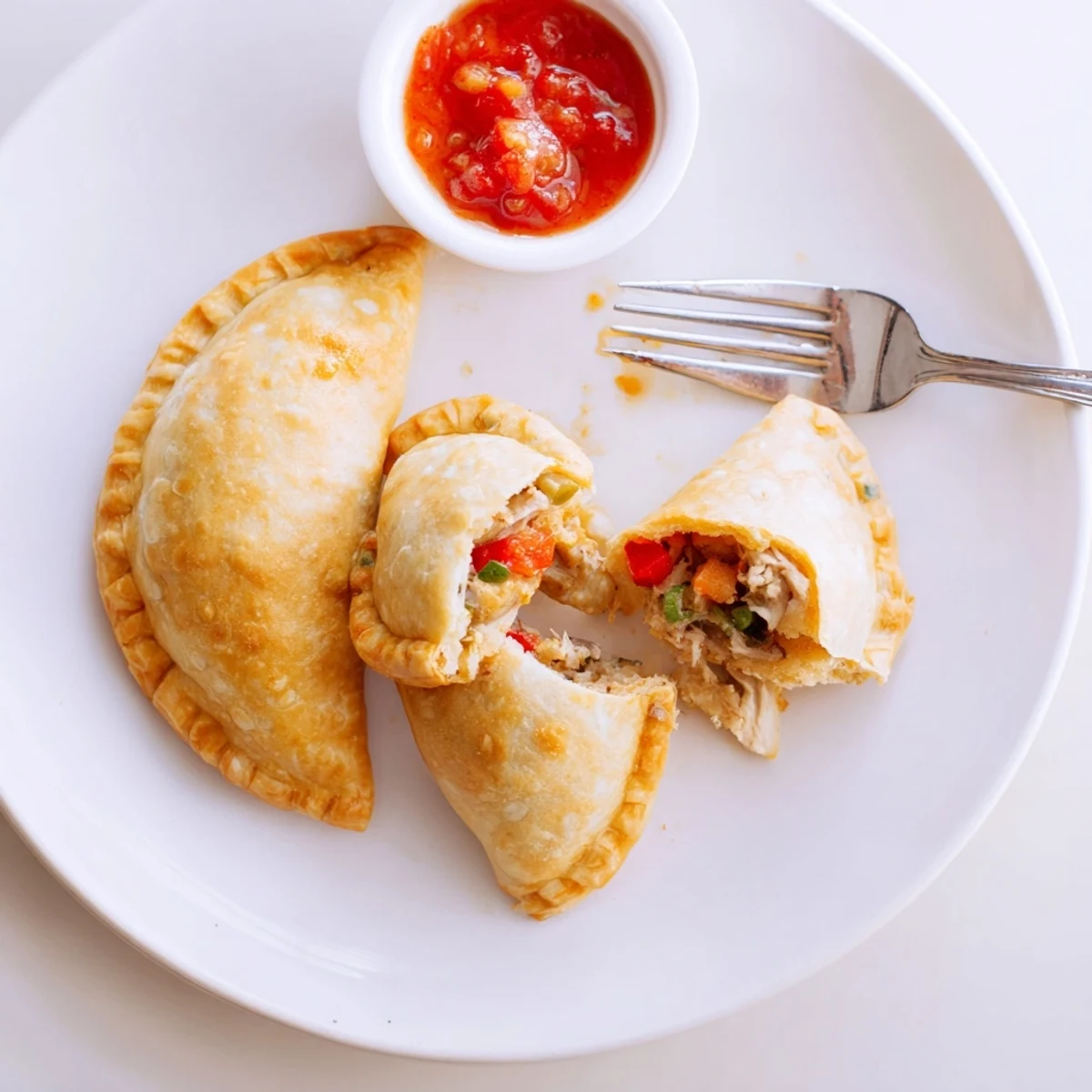
Save These gluten-free chicken empanadas feature tender shredded chicken simmered with tomato, olives, cumin and cilantro tucked into a flaky gluten-free dough. The dough uses a xanthan-containing flour, cold butter, egg and vinegar; chill 30 minutes, roll to 1/8" and cut 4–5" rounds. Spoon about 2 tablespoons filling, seal, brush with egg wash and bake at 400°F for 20–25 minutes until golden. Yields 12; can be frozen unbaked and baked from frozen.
Steam curled up from my kitchen windowsill as I fumbled with a heap of dough that stubbornly resisted every attempt at a perfect circle. The fragrance of garlic and cumin drifted through the air, mixing with laughter in the background as my partner tried (and failed) to teach our cat not to beg for chicken. Not every empanada came out picture-perfect, but they vanished fast enough to make me forget any dough-related grievances. Sometimes, cooking feels less like following a recipe, and more like letting the rhythm of the kitchen lead you to something satisfying.
One rainy Saturday, a friend dropped by unannounced and found me elbow-deep in pastry dough, humming old songs as I chopped onion. Something about the rainy hush outside made the warm, spicy filling extra comforting, and we stood at the stove savoring one empanada after another before they ever reached the table. That was the day I learned good food can turn a simple afternoon into something close to memorable.
Ingredients
- Gluten-free all-purpose flour blend (with xanthan gum): Use a brand you trust for structure; without xanthan gum, the dough might crumble rather than fold.
- Salt: Just enough salt rounds out the flavors in the dough and filling.
- Baking powder: A pinch of lift helps the empanada shells turn out light instead of tough.
- Unsalted butter, cold and cubed: The key to flakiness is keeping the butter chilled; work quickly for best results.
- Eggs: One egg binds the dough, the other adds shine and color as a wash.
- Cold water: Start with 1/4 cup, adding only a bit more if needed for a smooth, supple dough.
- Apple cider vinegar: Just a splash keeps the dough tender; don't skip this magical step.
- Cooked chicken breast, shredded: Rotisserie or leftover chicken saves time, and I’ve found it shreds best while still warm.
- Olive oil: Sautéing in olive oil gives a subtle richness to the filling.
- Small onion, finely chopped: A finely diced onion melts seamlessly into the filling, adding sweetness.
- Garlic, minced: Fresh minced garlic always wins for aroma and depth.
- Red bell pepper, diced: The bit of crunch and color feels festive in every bite.
- Ground cumin, smoked paprika, dried oregano: These spices are the backbone of flavor; toast them gently to unlock their full fragrance.
- Chili powder (optional): A little heat goes a long way if you're feeling bold.
- Salt and black pepper: Adjust to taste because only you know your perfect seasoning point.
- Tomato sauce: Just enough to moisten the filling and tie everything together.
- Green olives (optional): They lend a briny pop that some people love; stir them in at the very end.
- Fresh cilantro or parsley: Herbaceous notes at the finish make the flavors sing—choose whichever you prefer or have handy.
Instructions
- Mix the dry ingredients:
- In a roomy bowl, sift together your gluten-free flour, salt, and baking powder while sunlight (or kitchen light) catches flour dust in the air.
- Add the butter:
- Scatter the cold, cubed butter over the flour and work it in gently with your fingertips or pastry cutter until you see crumbly bits the size of peas.
- Form the dough:
- Make a well in the center, add one egg, the vinegar, and the cold water, mixing just until a shaggy dough forms—don’t overwork it or you’ll lose the flake.
- Chill and prep:
- Shape the dough into a disc, wrap tightly, and chill for at least 30 minutes; meanwhile, you can prep the filling for an efficient rhythm.
- Sauté the aromatics:
- In a skillet over medium heat, warm olive oil until shimmering, then toss in onions and garlic, cooking until fragrant and softened but not browned—about three minutes.
- Spice it up:
- Add bell pepper, cumin, paprika, oregano, chili powder, salt, and pepper, stirring as the mixture sizzles and deepens in color.
- Finish the filling:
- Mix in shredded chicken and tomato sauce, letting it all meld together until thickened slightly before folding in olives and fresh herbs off the heat.
- Roll the dough:
- Lightly flour your work surface, then roll out chilled dough to about 1/8-inch thickness—don’t worry about perfect circles (I never do).
- Shape the empanadas:
- Cut rounds, pile a heaping spoonful of filling in the middle, fold over, and seal with your fingers before crimping with a fork.
- Ready to bake:
- Arrange the empanadas on a parchment-lined tray, whisk an egg, and brush it lightly over the tops for that irresistible golden glow.
- Bake to perfection:
- Slide into a 400F (200C) oven and bake about 20 to 25 minutes—keep an eye out for crisp, golden edges and a bubbling scent wafting through the kitchen.
 Save
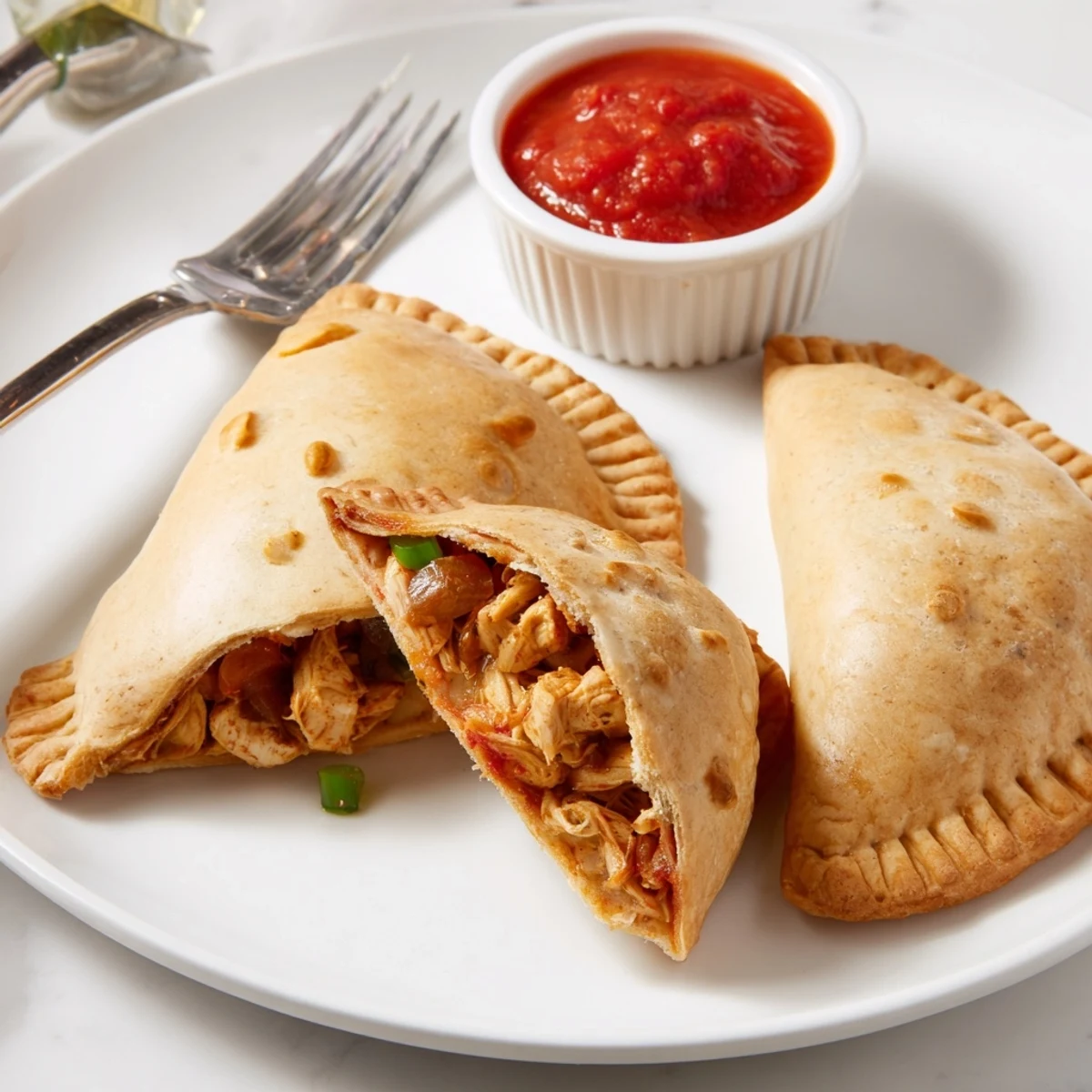
Save My cousin once called these empanadas magical after she bit into the warm, savory filling at our late summer picnic. In that moment, between conversation and comfort, I realized these weren’t just gluten-free alternatives—they were memories in the making.
The Art of Gluten-Free Pastry
Gluten-free dough can play tricks on even seasoned bakers, softening too much or splintering at the edges. I learned to chill my bowl, use very cold butter, and work quickly, which helped keep the dough sturdy enough to shape and roll. Don’t be discouraged by a few cracks—these imperfections make each empanada unique and proof of your handiwork.
Customizing Your Filling
One of my favorite twists is swapping in sautéed mushrooms for the chicken, adding extra black beans for a hearty vegetarian spin. The magic ratio is to keep the veggies and protein balanced so each bite is satisfyingly juicy, not soggy. Play with the spices, too—sometimes I sneak in a touch of cayenne for a subtle kick.
Serving and Storing Tips
Empanadas taste best fresh from the oven but hold up remarkably well for gatherings or packed lunches the next day. Let them cool before storing in an airtight container, and reheat in the oven so the pastry stays crispy.
- Always assemble with cool filling to avoid soggy dough.
- Freeze unbaked empanadas on a tray, then transfer to a bag for longer storage.
- A little salsa or lime juice on the side makes each bite pop.
 Save
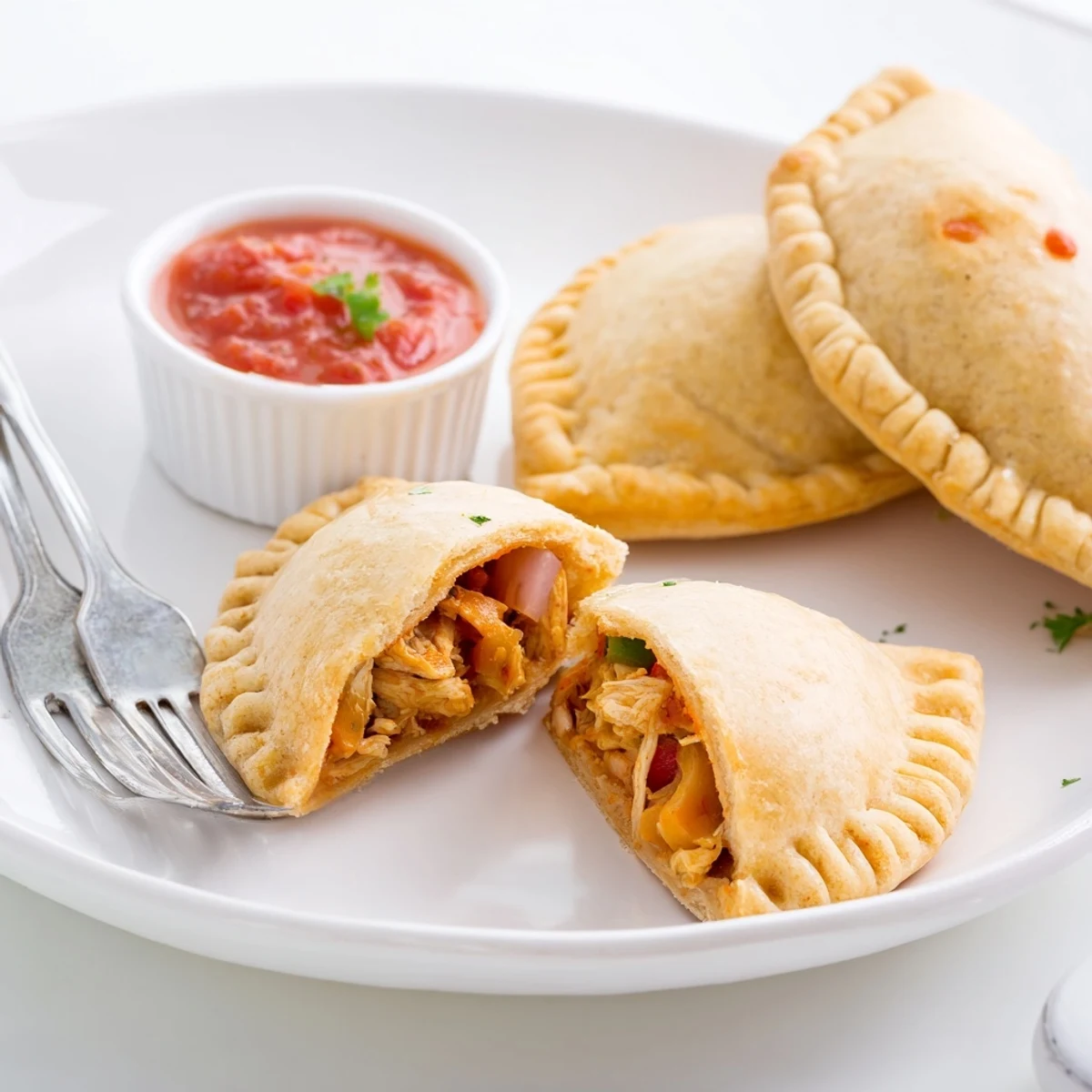
Save If you’re lucky enough to have leftovers, the next-day empanadas make lunch feel a little more special. They’re a simple pleasure worth savoring, one flaky, savory bite at a time.
Recipe FAQs
- → Can I prepare dough ahead of time?
-
Yes. After bringing the dough together, shape into a disc, wrap tightly and chill up to 48 hours. For longer storage, freeze the dough well wrapped and thaw in the fridge before rolling.
- → How do I avoid soggy empanada bottoms?
-
Ensure the filling is cooled and not overly wet before filling. Drain excess tomato sauce, roll dough thin, and bake on parchment or a preheated baking sheet to encourage even browning.
- → What gluten-free flour works best?
-
Use a reliable gluten-free all-purpose blend that contains xanthan gum or add a binder separately. Blends with a mix of rice, potato and tapioca flours give a good flaky texture.
- → Can I swap the chicken for other fillings?
-
Absolutely. Sautéed mushrooms, black beans, seasoned beef or shredded pork all work well. Adjust seasoning and moisture so the filling isn’t too wet for sealing.
- → How should I freeze assembled empanadas?
-
Freeze assembled, uncooked empanadas on a tray until solid, then transfer to a sealed bag. Bake from frozen at 400°F, adding 5–10 minutes to the bake time and watching for even browning.
- → Any tips for egg-free or dairy-free swaps?
-
Use a plant-based butter alternative in the dough and brush with aquafaba or a light oil wash instead of egg for color. Texture may vary slightly, so chill well before rolling.