
 Save
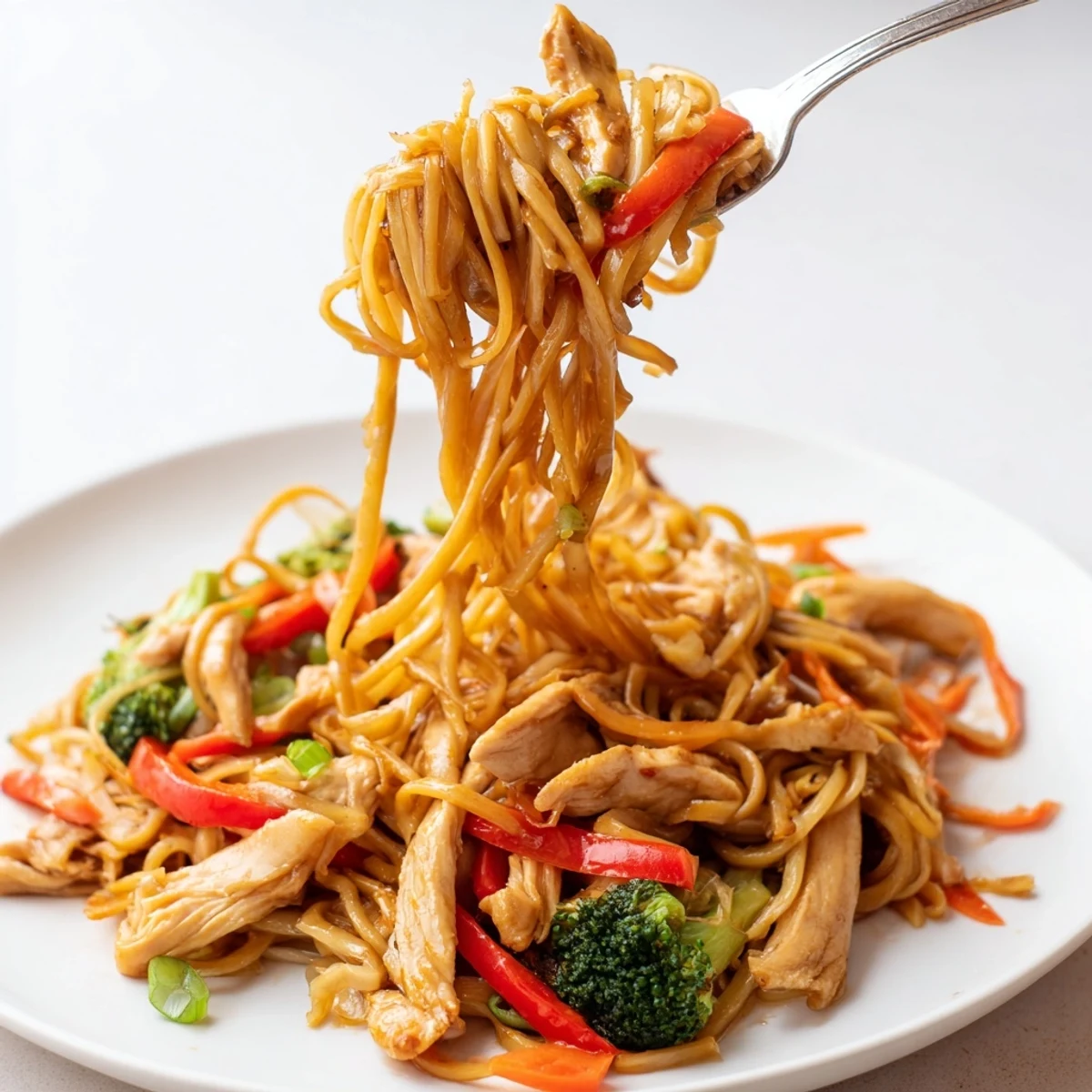
Save Tender slices of chicken are quickly seared, then combined with blanched lo mein noodles, broccoli, bell pepper and carrots. A savory sauce of soy, oyster and hoisin, thickened with a touch of cornstarch, coats the noodles while garlic and ginger add aromatic depth. Ready in about 40 minutes, this garlicky, takeout-style stir-fry is ideal for weeknight dinners.
You know a recipe is staying in your weeknight rotation when your kitchen smells like a small, bustling noodle house before you've even finished the sauce. The first time I made this savory garlic chicken lo mein, I was skeptical—how could anything possibly rival the comfort of my favorite takeout spot? The sizzle of the wok, the mingling of sharp garlic with sweet bell pepper, made me pause and just breathe it all in. Now, I make it as much for the delicious leftovers as I do for the meal itself.
I whipped up this dish on a chilly Thursday evening when my sister came over unexpectedly, both of us hungry and too tired to order out. We took turns tossing noodles in the wok, laughing every time a carrot tried to escape. By the end, even she—queen of delivery—agreed that nothing beats lo mein straight from your own pan. There was hardly a noodle left by the time we finished catching up with mugs of tea.
Ingredients
- Boneless skinless chicken breast: Thin slices cook quickly and stay juicy; pat the pieces dry for the best browning.
- Broccoli florets: These soak up sauce and add a needed crunch, but don’t overcook—vibrant green is your cue.
- Red bell pepper: Sweet and colorful, cut in thin strips for fastest, even cooking.
- Carrots: Julienne for tenderness; if in a rush, use pre-cut matchstick carrots from the store.
- Green onions: Brightens each bite; slice on a bias for a restaurant touch.
- Lo mein noodles: Either fresh or dried work, just don’t skip the post-cook sesame oil toss to keep from sticking.
- Garlic: Freshly minced packs the most punch; don’t let it burn in the oil.
- Fresh ginger: Adds warmth and depth, so grate it finely for the best flavor distribution.
- Vegetable oil: Go for a neutral oil with a high smoke point for proper stir-fry technique.
- Sesame oil: Brings that essential toasty flavor; add a drizzle right at the end.
- Low-sodium soy sauce: Lets you control the dish’s saltiness while still adding umami.
- Oyster sauce: A little goes a long way for sweetness and complexity—read labels if you have allergies.
- Hoisin sauce: Delivers the dish’s signature hint of sweetness and tanginess.
- Sugar: Just enough to round out the savory flavors in the sauce.
- Cornstarch: Gives your sauce that perfect silky cling to the noodles.
- Chicken broth or water: Helps the sauce coat every bite; use broth for extra savoriness.
- Freshly ground black pepper: Adjust to taste right before serving for a peppery finish.
Instructions
- Noodle Prep:
- Boil lo mein noodles according to the package until just tender, then drain and toss with a touch of sesame oil while they're still steaming so they don’t stick.
- Sauce Mix:
- Whisk together the soy sauce, oyster sauce, hoisin sauce, sugar, cornstarch, and broth in a small bowl until smooth—watch how quickly the sugar dissolves.
- Sizzle the Chicken:
- Heat the vegetable oil in a hot wok and add the chicken, listening for that first sharp sizzle; stir-fry until opaque and just cooked through, then scoop it out to prevent overcooking.
- Aromatics Go In:
- Toss minced garlic and ginger into the pan, stirring constantly for half a minute—the kitchen should smell incredible.
- Veggie Power:
- Add broccoli, red bell pepper, and carrots; keep them moving in the wok for a few bright minutes so they stay crisp-tender and colorful.
- Everything Together:
- Return the chicken and add the green onions, then pile in the warm noodles.
- Saucy Finale:
- Pour your sauce around the edges and toss until noodles are slick and glossy, letting everything heat through as the sauce thickens and clings to every strand.
- Finish & Serve:
- Drizzle the final sesame oil, crack a little pepper over the top, and serve hot and steaming before the noodles lose their bounce.
 Save
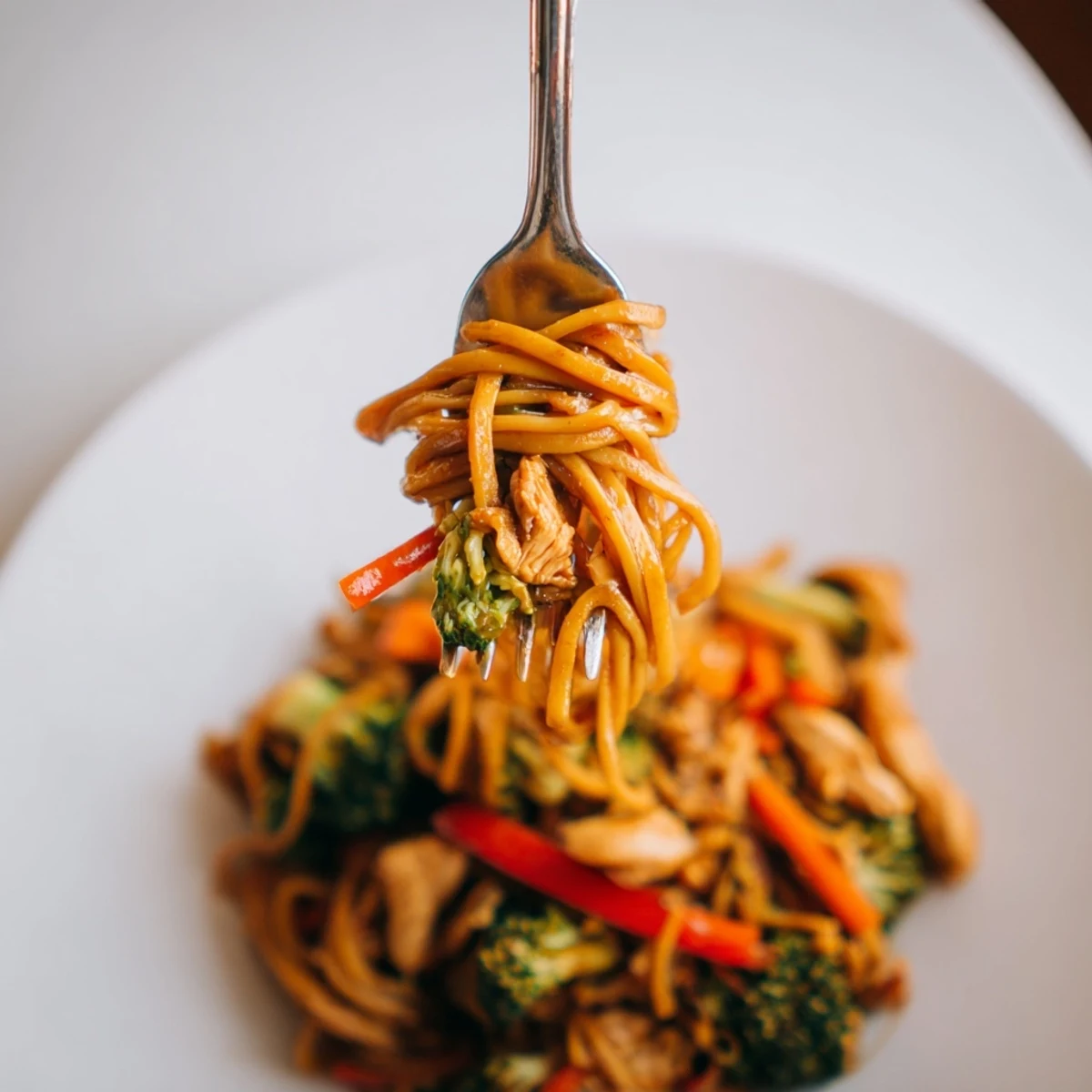
Save There was a time when this dish turned an ordinary Wednesday into a mini celebration, just because I got the sauce exactly right for the first time. Even my usually reserved neighbor, lured in by the aroma, asked what on earth I was making and left grinning with a warm bowl in hand.
Making It Your Own
After a few rounds, I started tossing in whatever veggies were lurking in the fridge—snap peas, mushrooms, or even baby corn add nice texture variety. Don’t hesitate to swap the chicken for tofu if you want a vegetarian twist; just crisp it well first so it holds its own among the noodles. Once I tried green beans on a whim, and now I add them whenever I have extra.
Getting That Authentic Takeout Texture
The real trick to lo mein is keeping everything moving—wok or skillet, high heat is your friend, but you have to pay attention. Use tongs or chopsticks to lift and flip the noodles so every strand gets saucy. Quick cooking means the vegetables stay bright and the chicken stays juicy, just like from your favorite spot.
Quick Fixes & Serving Smarts
Don't panic if the noodles clump a bit—just loosen them with a splash of hot water before tossing with the sauce. Leftovers reheat beautifully in a hot skillet with an extra dash of soy sauce, no microwave required. If serving for company, garnish with a few more sliced green onions for color and crunch.
- Always check for hidden allergens, especially in store-bought sauces.
- Pair with green tea for a light, balanced meal.
- A splash of chili oil brings a pleasant kick if you like heat.
 Save
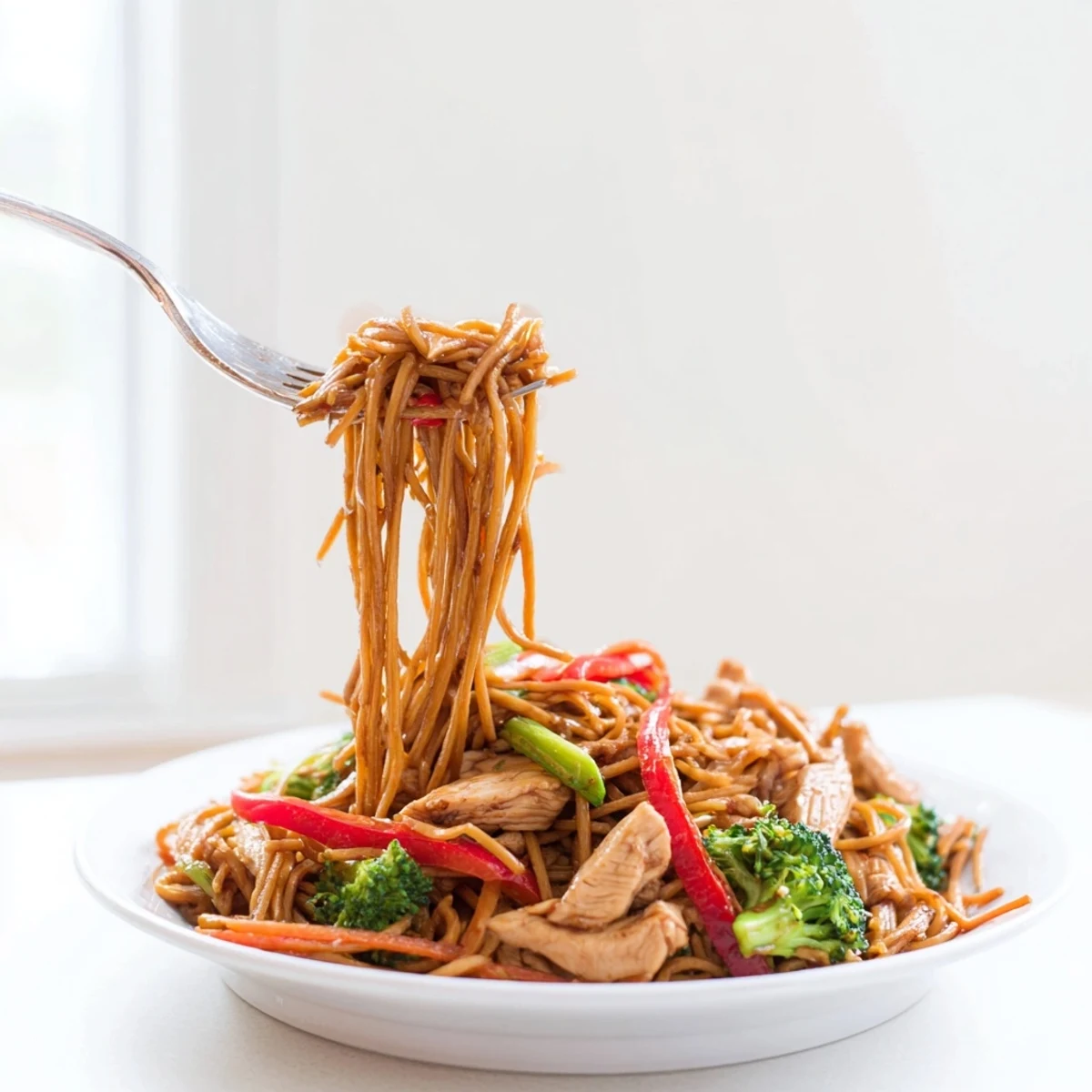
Save I hope this garlic chicken lo mein brings your kitchen extra warmth, laughter, and maybe even a few happy surprises around the dinner table.
Recipe FAQs
- → Can I use a different protein?
-
Yes — thinly sliced pork, beef, shrimp or firm tofu work well. Adjust cook time: seafood and tofu take less time, while pork and beef may need a bit longer to brown.
- → What noodles are best for lo mein?
-
Fresh lo mein or thin egg noodles give the classic chew; if using dried, cook to just al dente, drain well and toss with a little sesame oil to prevent sticking.
- → How do I keep vegetables crisp-tender?
-
Stir-fry over high heat and add firmer vegetables like broccoli first, then quicker-cooking items. Briefly blanching broccoli before stir-frying also helps maintain bright color and texture.
- → How can I thicken the sauce without cornstarch?
-
Simmer the sauce a bit longer to reduce it, or mash a small amount of cooked noodles into the sauce to naturally thicken; arrowroot is another gluten-free thickener option.
- → What are good vegetarian swaps?
-
Replace chicken with firm tofu or seitan and use a vegetarian oyster sauce (mushroom-based) or extra hoisin and soy for depth. Add more vegetables like mushrooms and snap peas for variety.
- → How should I store and reheat leftovers?
-
Cool quickly and refrigerate in an airtight container for up to 3 days. Reheat gently in a skillet over medium heat with a splash of water or broth to revive the sauce and prevent drying.