
 Save
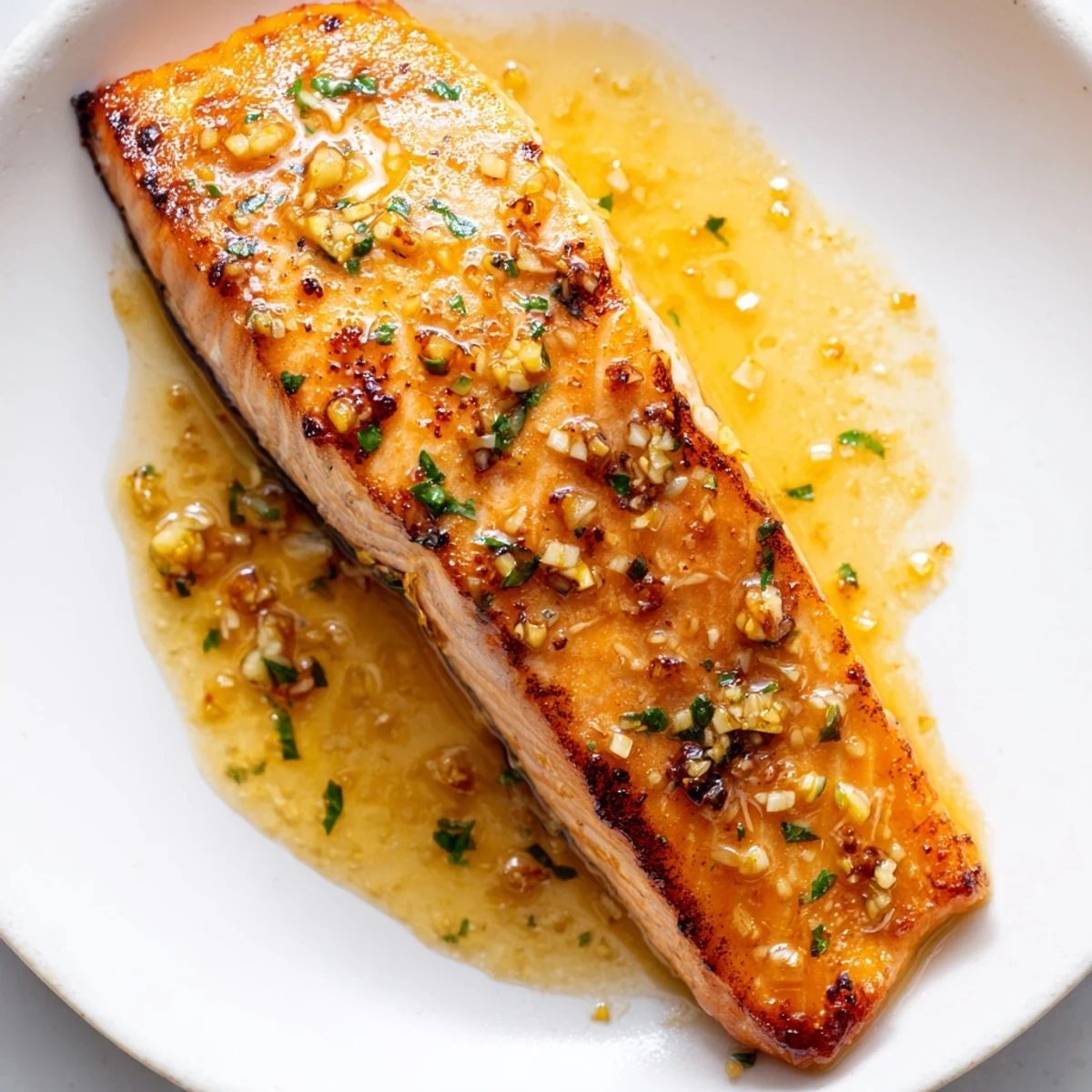
Save This garlic butter salmon delivers a restaurant-quality dish in just 25 minutes, making it ideal for both busy weeknights and special occasions.
Four salmon fillets are seasoned and pan-seared to golden perfection, then finished with a luscious sauce made from butter, minced garlic, fresh lemon juice, zest, and chopped parsley.
The dish is naturally low-carb, gluten-free, and pescatarian-friendly, pairing beautifully with steamed vegetables, rice, or a crisp salad and a chilled glass of Sauvignon Blanc.
The sizzle of salmon hitting a hot pan is one of those sounds that makes everyone in the house wander into the kitchen, pretending they need a glass of water. My neighbor Carla taught me this recipe during a particularly dreary February when we were both desperate for something that tasted like effort but took almost none. The garlic butter sauce is the kind of thing you want to mop up with every last bit of bread on your plate, and frankly, I have done exactly that with zero shame.
I made this for my brother the night he passed his licensing exam, and he sat at the table in complete silence for a full minute before saying anything. That silence, fork halfway to his mouth, told me everything I needed to know about whether the recipe was worth keeping. Now it shows up at every small celebration in our house, no announcement needed.
Ingredients
- 4 salmon fillets, about 170 g each, skin-on or skinless: Skin-on gives you a crisp edge that holds up beautifully under the sauce, but skinless works fine if that is what you have on hand.
- 4 tablespoons unsalted butter, divided: You will use half for searing and half for building the sauce, and yes, the full amount matters here.
- 4 cloves garlic, minced: Fresh garlic only, and mince it finer than you think you need to so it melts right into the butter.
- Juice and zest of half a lemon: The zest gives the sauce a brightness that the juice alone cannot achieve, so do not skip it.
- 2 tablespoons fresh parsley, finely chopped: Parsley is the classic choice, but dill or chives are wonderful if you want to change things up.
- Salt and black pepper to taste: Season the fish generously on both sides before it ever touches the pan.
- Lemon wedges and extra parsley for garnish: Totally optional but they make the plate look like you tried harder than you did.
Instructions
- Prep the salmon:
- Grab paper towels and pat each fillet completely dry, then season both sides with salt and pepper. Wet fish will not sear properly, so take the extra ten seconds to get it right.
- Get the pan hot:
- Melt two tablespoons of butter in a large nonstick skillet over medium-high heat and wait until it starts foaming. That foam is your signal that the pan is ready to give you a gorgeous golden crust.
- Sear the fillets:
- Lay the salmon skin-side down and let it cook undisturbed for four to five minutes until the edges change color, then flip gently and cook another two to three minutes. Transfer the fish to a warm plate and resist the urge to nibble.
- Build the garlic butter:
- Turn the heat down to medium and add the remaining butter to the same skillet. Toss in the minced garlic and stir until you can smell it, about one minute, being careful not to let it brown.
- Add the bright stuff:
- Stir in the lemon zest, lemon juice, and chopped parsley, then let it simmer for just thirty seconds so the flavors marry without the butter breaking.
- Bring it all together:
- Return the salmon to the pan and spoon the bubbling sauce over each fillet for one to two minutes until everything is heated through and glossy. Serve immediately with lemon wedges and extra parsley scattered on top.
 Save
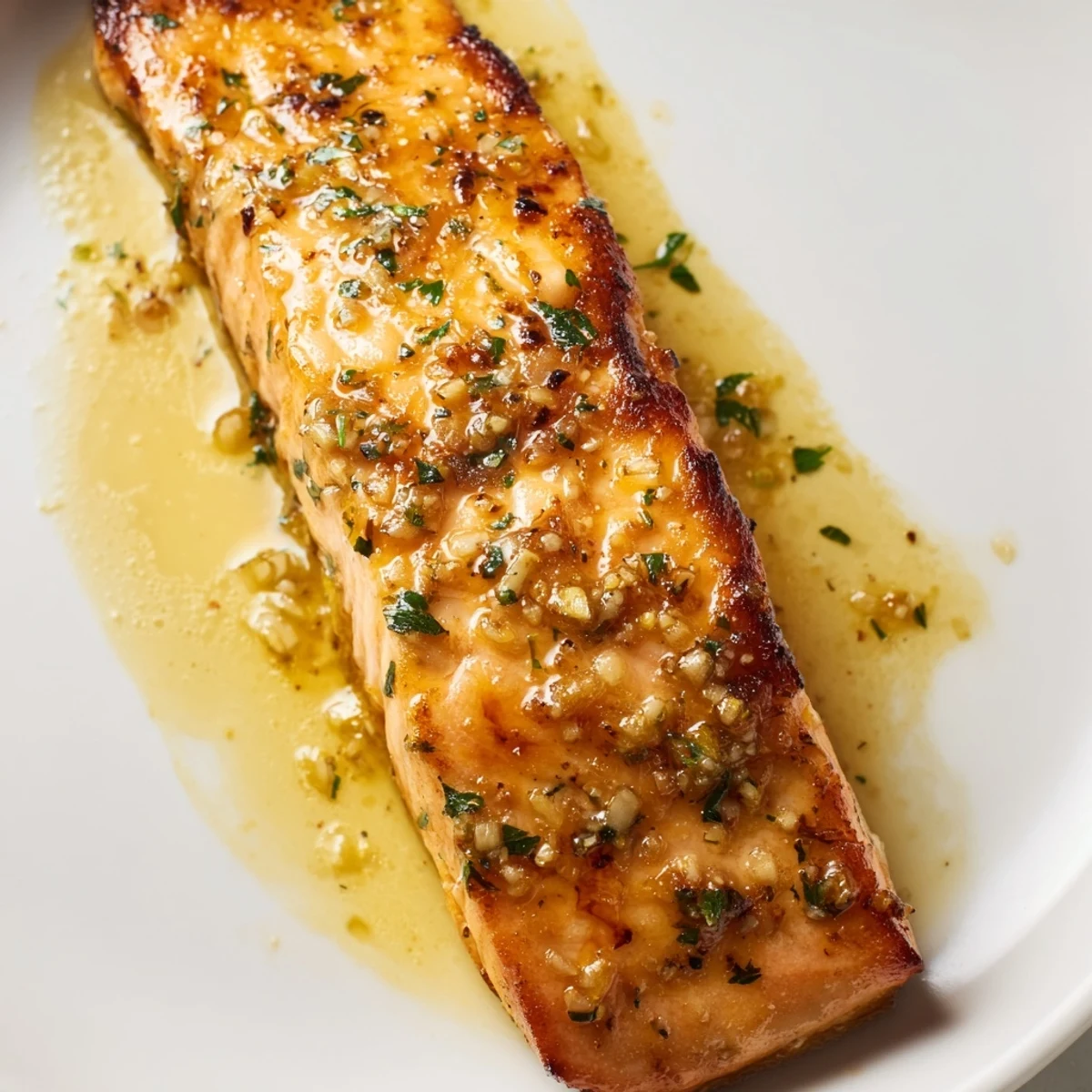
Save There was a rainy Sunday when I doubled the sauce and served this over a bed of rice, and my roommate actually closed her eyes while eating. That is the highest compliment any home cook can receive, and I have been chasing that reaction ever since.
What to Serve Alongside
Steamed green beans or roasted asparagus are my go-to sides because they let the garlic butter sauce take center stage without competing. A simple salad with a vinaigrette also works beautifully, especially if you want something lighter. For a heartier meal, mound some buttery rice or mashed potatoes next to the fish and let the sauce do double duty.
A Note on Wine Pairing
A chilled Sauvignon Blanc is the classic move here, and for good reason, because its citrus notes echo the lemon in the sauce. Chardonnay works too, especially if you prefer something rounder and less acidic. Honestly though, whatever white wine you enjoy sipping while you cook will be just fine.
Tools That Make This Easier
A good nonstick skillet and a thin, flexible spatula are really all you need, though a wooden spoon for stirring the sauce is nicer than metal on a nonstick surface. A citrus zester is handy but the fine holes on a box grater will do the job in a pinch.
- If your spatula feels too thick to slide under delicate fish, try using a fish spatula or even a wide knife.
- Keep a warm plate ready in a low oven so the salmon does not go cold while you make the sauce.
- A splash of white wine added to the sauce right before the lemon juice takes it from great to restaurant level.
 Save
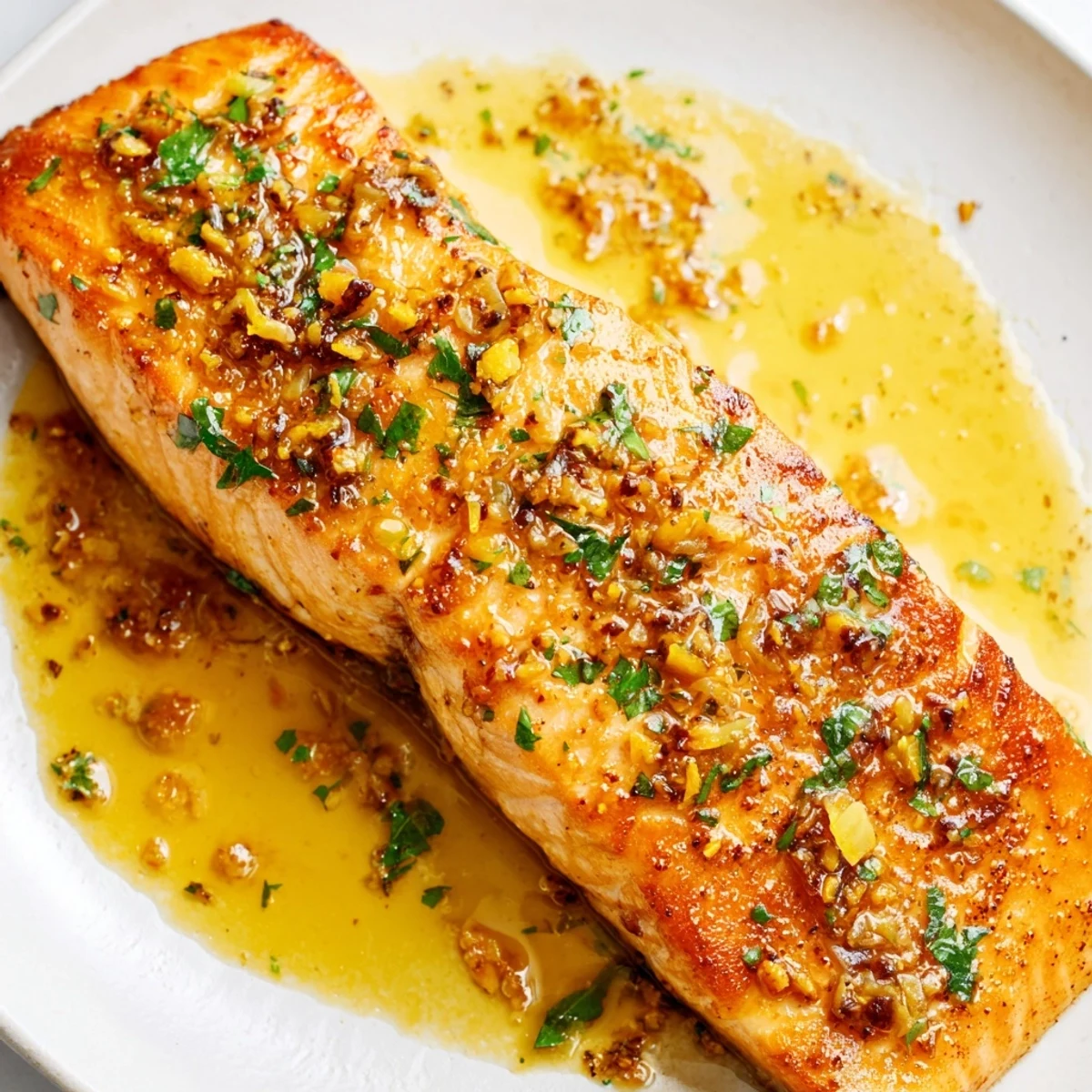
Save This is the kind of recipe that stays with you, quiet and reliable, ready to turn an ordinary evening into something worth remembering. Keep good salmon in your freezer and butter in the fridge, and you are never more than twenty minutes away from a truly good dinner.
Recipe FAQs
- → Should I use skin-on or skinless salmon fillets?
-
Both work well. Skin-on fillets hold together better during searing and develop a crispy skin, while skinless fillets cook more evenly throughout. If using skin-on, start by searing skin-side down for 4–5 minutes to crisp the skin before flipping.
- → How do I know when the salmon is fully cooked?
-
Salmon is done when it flakes easily with a fork and reaches an internal temperature of 63°C (145°F). The flesh should turn from translucent to opaque pink. Avoid overcooking, as the fish will continue cooking slightly from residual heat after removing from the pan.
- → Can I substitute the butter with another fat?
-
Yes, you can use ghee for a similar richness with higher smoke point, or olive oil for a lighter version. However, butter creates the signature velvety texture and flavor of this dish, so any substitution will alter the final result noticeably.
- → What sides pair best with garlic butter salmon?
-
Steamed asparagus, roasted broccoli, or green beans complement the richness beautifully. For a heartier meal, serve alongside jasmine rice, quinoa, or garlic mashed potatoes. A crisp mixed salad with lemon vinaigrette also balances the buttery sauce well.
- → How should I store and reheat leftovers?
-
Store leftover salmon in an airtight container in the refrigerator for up to 2 days. Reheat gently in a skillet over low heat with a splash of water or extra butter to prevent drying out. Avoid microwaving, as it can overcook the fish and make it tough.
- → Can I add white wine to the garlic butter sauce?
-
Absolutely. Add a splash of dry white wine, such as Sauvignon Blanc, after sautéing the garlic and before adding the lemon juice. Let it reduce by half to cook off the alcohol and concentrate the flavor. This adds wonderful depth and acidity to the sauce.