
 Save
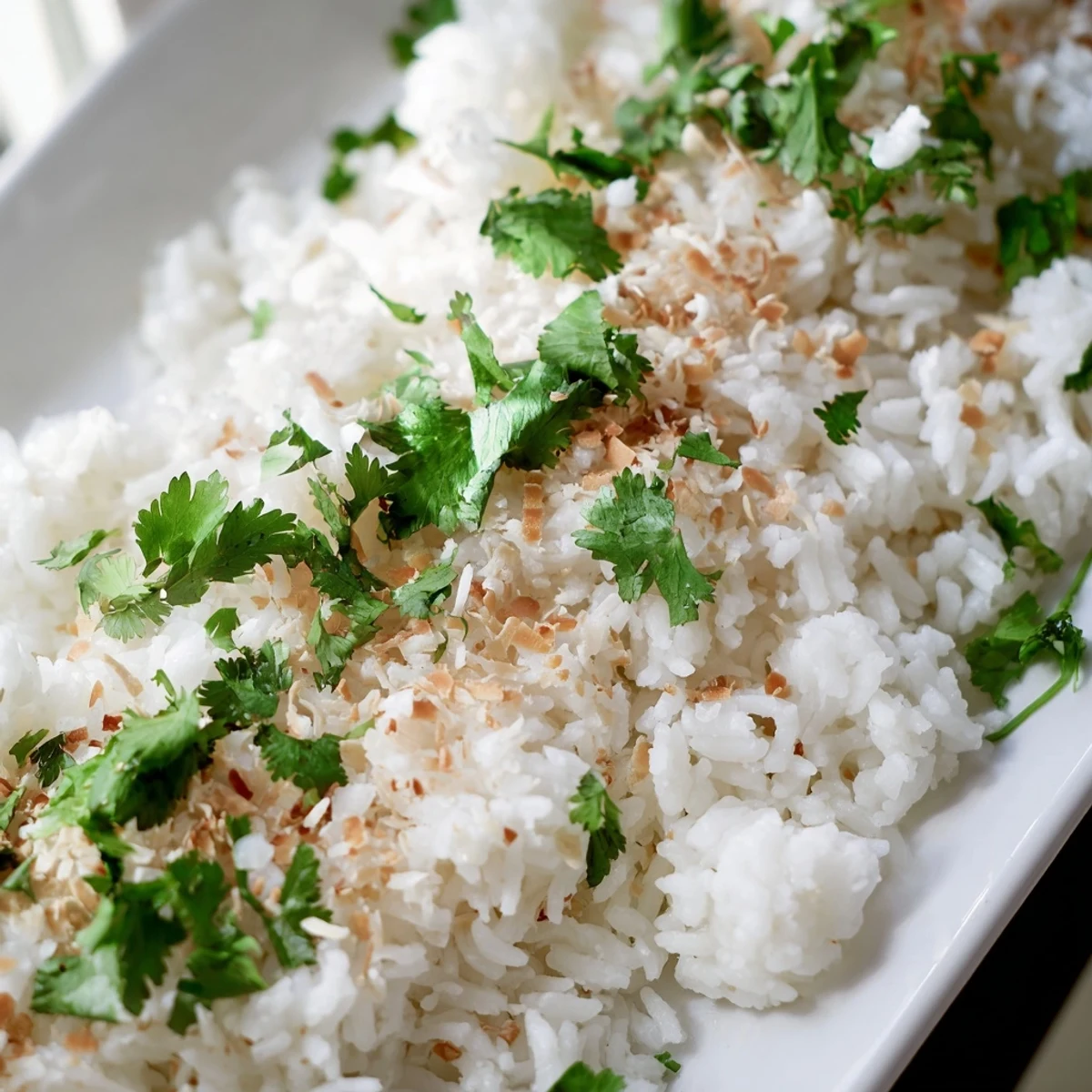
Save Create restaurant-quality fluffy coconut rice at home with just five basic ingredients. This fragrant Southeast Asian and Caribbean staple combines jasmine rice with rich coconut milk for a perfectly creamy yet light texture.
The process is straightforward: rinse the rice to remove excess starch, combine with coconut milk and water, then simmer until tender. The key is letting it steam covered off-heat for those final fluffy, separate grains.
Customize your coconut rice with aromatics like pandan leaves or ginger during cooking. Finish with toasted coconut flakes and fresh herbs for an impressive presentation that elevates any meal from weeknight dinners to special occasions.
The first time I made coconut rice, I was hosting a last minute dinner for friends and realized I had completely forgotten to buy regular rice. My pantry held nothing but a can of coconut milk and some jasmine rice. That happy accident has since become the most requested side dish at my table. The way the creamy coconut fragrance fills the kitchen while it simmers makes everyone drift toward the stove, asking what smells so incredible.
Last summer, my neighbor who grew up in Thailand took one bite and declared it better than her grandmothers version. I still do not know if she was just being incredibly kind, but she asked for the recipe before she even finished her plate. Now whenever either of us makes it, we text each other a photo with the same coconut emoji. It has become our little unspoken tradition across the fence.
Ingredients
- Jasmine rice: The floral aroma pairs perfectly with coconut, and the grains stay separate and fluffy after cooking
- Full fat coconut milk: Do not use lite here because the creaminess is what makes this rice truly special
- Water: Combining coconut milk with water prevents the rice from becoming too heavy or dense
- Salt: Coconut milk is naturally sweet, so salt is crucial to balance the flavors
- Sugar: Just a touch enhances the coconut flavor without making the rice taste like dessert
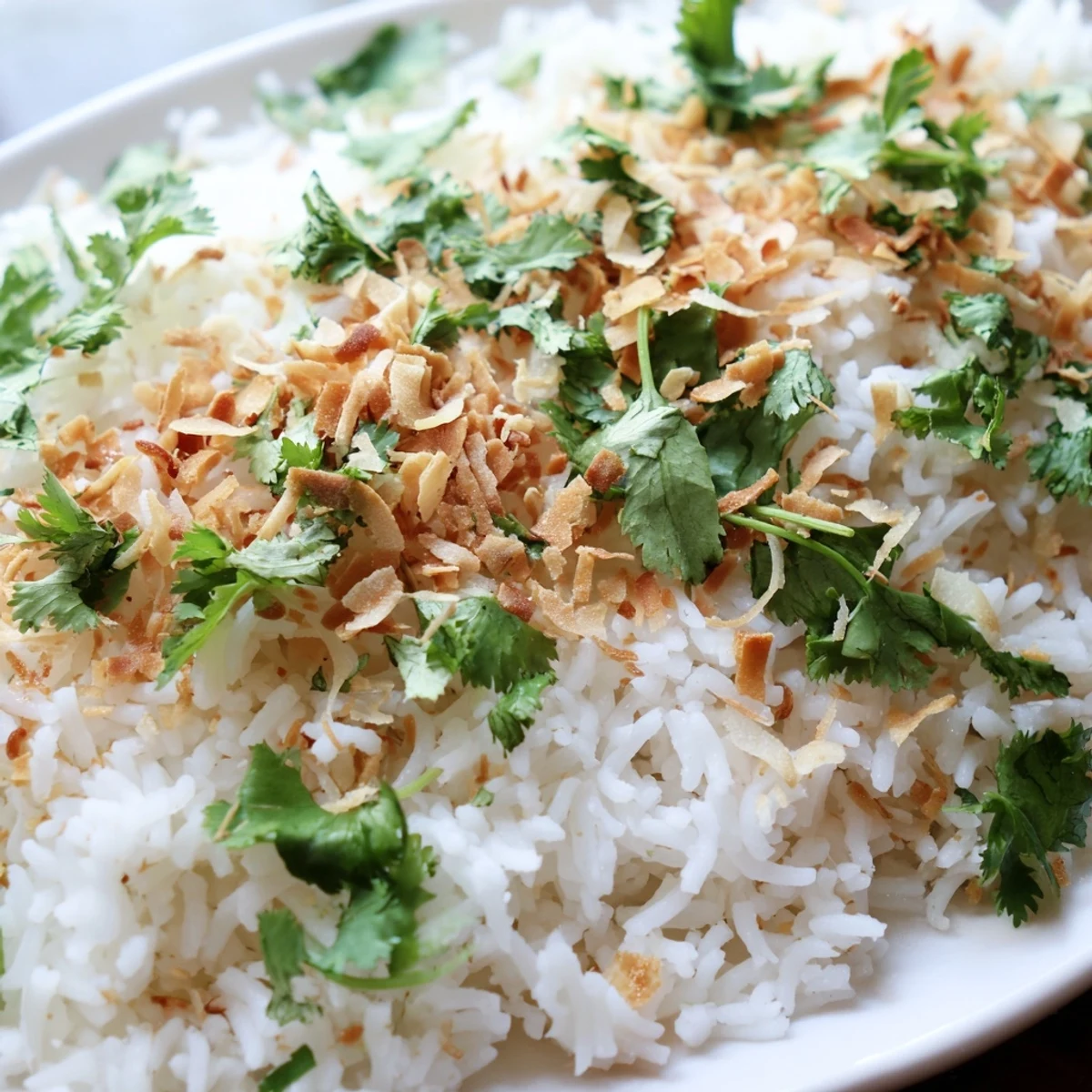
- Toasted coconut flakes: These add incredible texture and a nutty crunch that people always ask about
Instructions
- Rinse until clear:
- Place the rice in a fine mesh strainer and run cold water over it while gently swishing with your hand. Keep rinsing until the water runs completely clear. This step is not optional because removing excess starch is the secret to fluffy, separate grains.
- Combine everything:
- Pour the rinsed rice into a medium saucepan and add the coconut milk, water, salt, and sugar. Give it a good stir to distribute everything evenly. The mixture will look white and creamy.
- Bring to a gentle boil:
- Set the pan over medium heat and wait for bubbles to appear around the edges. Once it starts boiling, immediately reduce the heat to low.
- Simmer undisturbed:
- Cover the pot with a tight fitting lid and set a timer for 15 minutes. Whatever you do, resist the urge to lift the lid and peek. The steam needs to stay trapped to cook the rice properly.
- Let it rest:
- Remove the pan from heat but keep the lid on. Let it sit for another 10 minutes. This resting period allows the moisture to redistribute evenly throughout the rice.
- Fluff and serve:
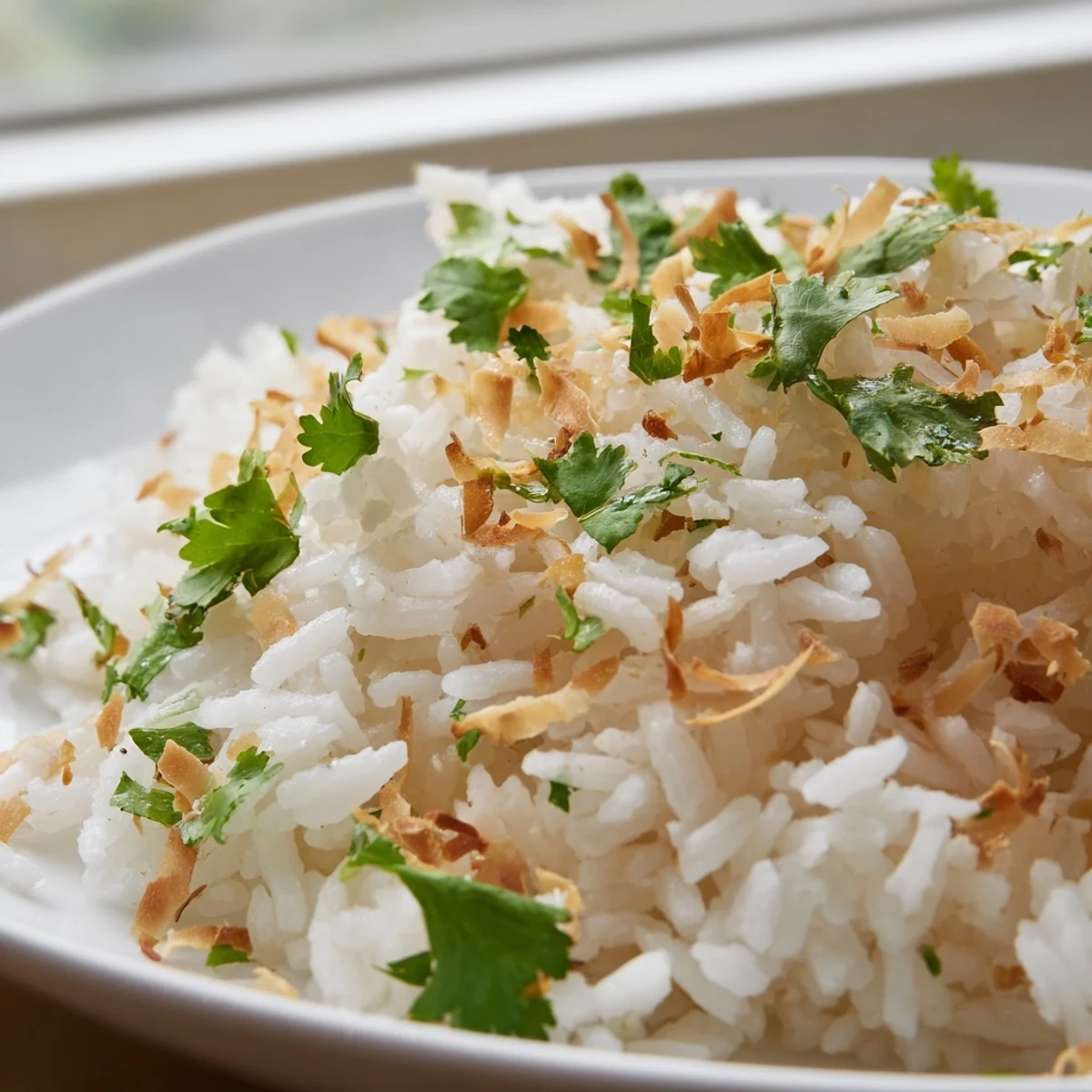
- Remove the lid and gently fluff the rice with a fork, being careful not to mash the grains. Transfer to a serving bowl and top with toasted coconut flakes and fresh herbs if you are feeling fancy.
 Save
Save My daughter now requests this coconut rice for her birthday dinner every year instead of cake. We top it with extra toasted coconut and sometimes a squeeze of fresh lime. It has become the dish that signals celebration in our house, something simple that feels extraordinary.
Getting The Perfect Texture
After years of making this recipe, I have learned that different brands of coconut milk vary in thickness. If your coconut milk is particularly thick, add an extra quarter cup of water. Conversely, if it seems thin, reduce the water slightly. The ideal ratio should look like a creamy soup when you first combine everything.
Flavor Variations
Sometimes I tuck a bruised lemongrass stalk or a knobby piece of galangal into the pot before cooking. Other times, a pandan leaf tied in a knot adds an incredible fragrance that reminds me of travels in Southeast Asia. These aromatics infuse the rice without overpowering it.
Serving Suggestions
This rice shines alongside spicy dishes because the creaminess helps tame the heat. I love it with red curry, grilled jerk chicken, or even under spicy roasted vegetables. The subtle sweetness also pairs beautifully with grilled fish or shrimp.
- Make extra because the leftovers fry up beautifully the next morning with a fried egg
- Toasting coconut flakes is simple, just keep them moving in a dry pan until golden and fragrant
- Fresh lime squeezed over the rice right before serving brightens all the flavors
 Save
Save There is something deeply comforting about a bowl of this coconut rice, simple enough for a Tuesday yet special enough for company. I hope it brings as much joy to your table as it has to mine.
Recipe FAQs
- → Why should I rinse the rice before cooking?
-
Rinsing removes excess starch from the rice grains, preventing them from becoming gummy or sticky. This step ensures each grain stays separate and fluffy after cooking, giving you that perfect restaurant-style texture.
- → Can I use brown rice instead of white rice?
-
Yes, but you'll need to adjust the liquid and cooking time. Brown rice typically requires about 1/4 cup more liquid and 10-15 minutes longer cooking time. The texture will be nuttier and chewier, which still works beautifully with coconut flavors.
- → How do I store and reheat leftover coconut rice?
-
Store cooled rice in an airtight container in the refrigerator for up to 4 days. To reheat, sprinkle with a tablespoon of water and microwave in 30-second intervals, fluffing between each, or warm gently in a saucepan with a splash of coconut milk.
- → Can I make this coconut rice in a rice cooker?
-
Absolutely. Combine rinsed rice, coconut milk, water, salt, and sugar in your rice cooker and press cook. Most rice cookers will automatically adjust the timing. Let it rest on warm for 5-10 minutes after cooking before fluffing.
- → What proteins pair best with coconut rice?
-
Coconut rice complements tropical and spicy dishes beautifully. Try it with Thai green or red curry, jerk chicken or pork, grilled shrimp or fish, braised beef, or even as a base for coconut-braised tofu. The creaminess balances heat perfectly.
- → Is canned coconut milk necessary, or are there substitutes?
-
Full-fat canned coconut milk provides the richest flavor and creaminess. For a lighter version, use light coconut milk though the texture won't be as luxurious. Coconut cream diluted with water works, or try half coconut milk half chicken stock for a savory variation.