
 Save
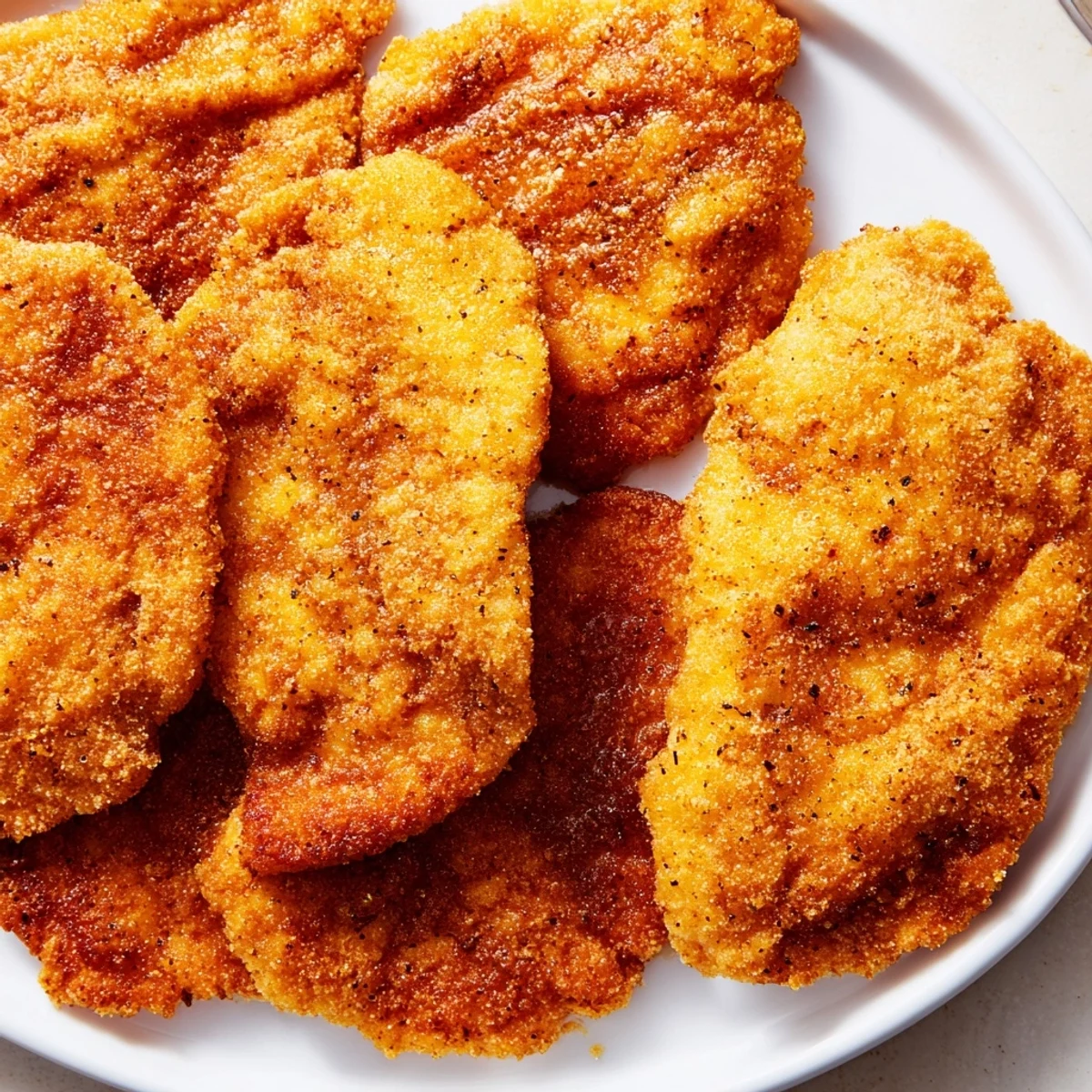
Save Experience the ultimate comfort food with this Southern-style fried chicken. Each piece starts with a buttermilk soak that ensures tenderness, followed by a double-dredging technique in our signature seasoned flour blend. The result? impossibly crispy, golden coating that locks in juicy flavor. Perfect alongside mashed potatoes and coleslaw, this dish serves four and comes together in just 40 minutes.
The oil was already popping and hissing before I even realized I'd forgotten the paper towels. My brother stood there grinning, holding a plate like he'd been waiting his whole life for this moment. We'd been talking about making proper fried chicken for years, ever since that disappointing restaurant experience that left us both saying 'we could do better.' That first batch came out a little dark, but the crunch when we bit in was absolutely worth every splattered counter.
I made this for a Sunday dinner last fall when rain was hammering against the kitchen window. Something about fried chicken just feels right when the weather turns cozy. Everyone crowded around the stove, watching the oil bubble and asking if it was done yet. That simple dinner turned into three hours of sitting around the table, picking at the last pieces and talking about nothing and everything.
Ingredients
- 4 boneless skinless chicken breasts: Pounding them thin means they cook through before the coating burns, plus you get that perfect tender texture in every bite
- 1 cup buttermilk: The tang works on the meat like a brine, breaking down proteins and infusing flavor deep inside
- 1 teaspoon hot sauce: Just enough heat to wake everything up without overwhelming the classic flavor
- 2 cups all purpose flour: Creates that substantial crunch we're all after in good fried chicken
- 1 tablespoon cornstarch: The secret weapon for extra crispiness that holds up even after the chicken cools down
- 2 teaspoons paprika: Gives the coating that gorgeous golden color and subtle smoky depth
- 1 teaspoon garlic powder: Essential savory backbone that makes people ask 'what's in this'
- 1 teaspoon onion powder: Works quietly in the background, rounding out all the flavors
- 1 teaspoon salt: Don't be shy here, the coating needs proper seasoning to stand out
- 1 teaspoon black pepper: Freshly cracked gives you way more flavor than pre-ground
- 1/2 teaspoon cayenne pepper: Optional, but that gentle heat makes everything more interesting
- 1 teaspoon dried thyme: Adds an earthy herbal note that makes this taste like it came from a serious kitchen
- 2 large eggs: The glue that helps all that seasoned flour stick perfectly
- 1/2 cup milk: Thins the eggs just enough for an even coating
- Vegetable oil about 4 cups: Neutral flavor lets the chicken shine, and you need enough depth for proper frying
Instructions
- Pound the chicken:
- Place each breast between plastic wrap and hit it firmly but evenly until it's an even half inch thick, which helps everything cook at the same speed
- Marinate the meat:
- Whisk buttermilk and hot sauce together, submerge the chicken completely, and let it soak up all that tangy goodness for at least an hour
- Mix the coating:
- Combine flour, cornstarch, and all those spices in a shallow dish until everything looks perfectly uniform and smells amazing
- Make the egg wash:
- Whisk the eggs and milk until completely smooth, no streaks visible
- Dredge like a pro:
- Shake off excess buttermilk, coat thoroughly in flour, dip quickly in egg wash, then back in the flour for that double crunch, pressing gently so it really sticks
- Heat the oil:
- Get your oil to 350 degrees and use a thermometer if you have one because temperature makes or breaks fried chicken
- Fry to golden:
- Cook in batches without crowding the pan, flipping once when the underside sounds crisp and looks golden brown
- Rest and drain:
- Let the chicken drain on a wire rack set over paper towels for five minutes, which keeps everything crispy while the juices redistribute
 Save
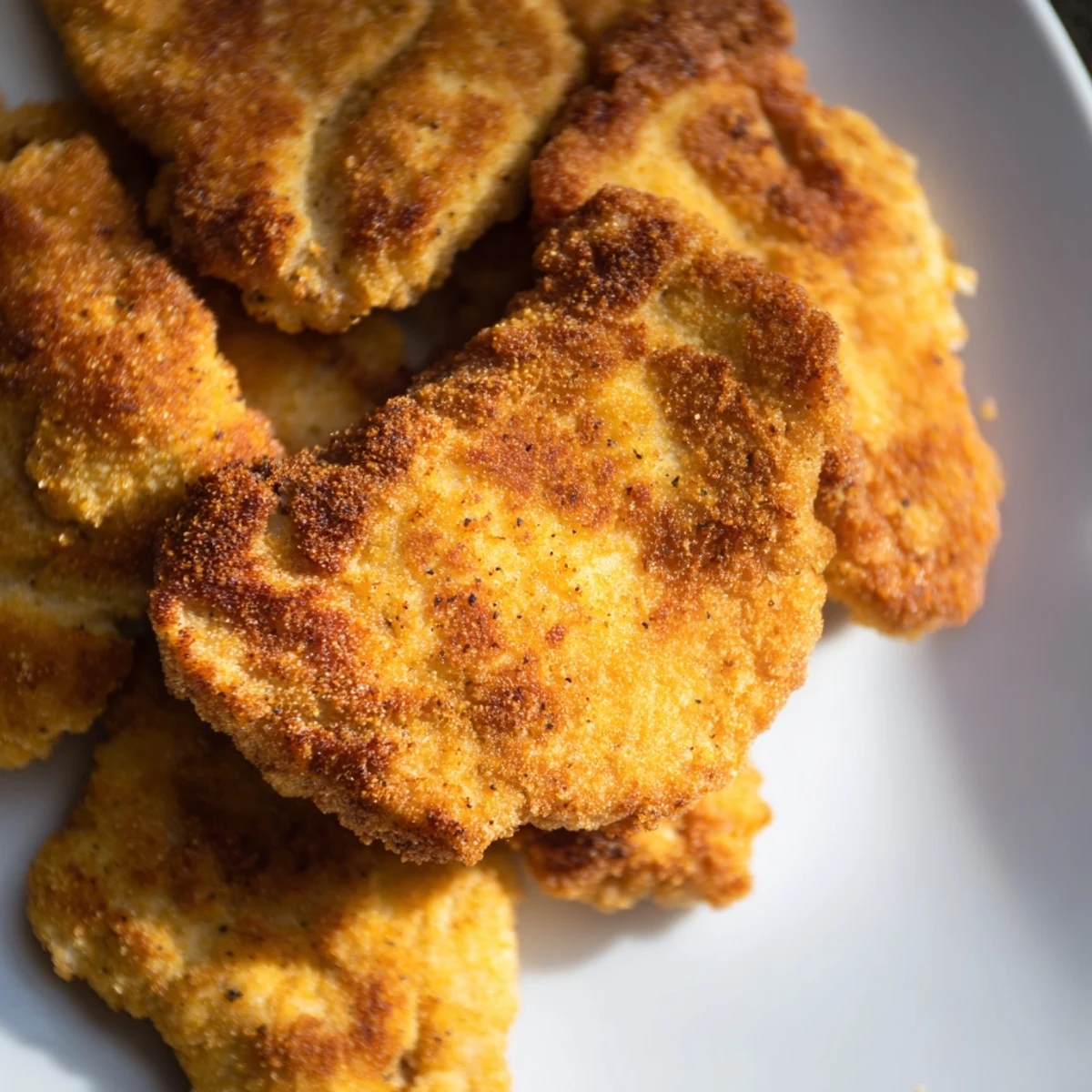
Save My friend Sarah took one bite of this and immediately announced she was never ordering fried chicken from a restaurant again. She sat there picking at the extra crispy bits, asking detailed questions about the buttermilk and the spice ratio. Sometimes food just connects people like that, turning a regular Tuesday into something worth remembering.
Getting That Perfect Crisp
The cornstarch in the flour mixture isn't just filler, it's what creates that glass like crunch that shatters when you bite down. I learned this from a cook who'd been making fried chicken for forty years and swore by the addition. The difference is especially noticeable the next day, when the coating somehow stays crisp instead of getting soggy like most leftovers.
Temperature Matters More Than You Think
Too cold and the chicken absorbs oil, turning heavy and greasy. Too hot and the coating burns before the meat cooks through. I use a clip on thermometer now after years of guessing and ending up with uneven results. That 350 degree sweet spot gives you golden perfection every single time, with meat that stays juicy and coating that stays impossibly light.
The Double Dredge Difference
Coating the chicken twice might seem excessive, but that second layer of flour is what creates the substantial crunch that defines great fried chicken. The first layer locks in moisture while the second becomes that beautiful crispy shell. It takes a little extra time but the moment you hear that crunch when you bite in, you'll understand why it's absolutely worth the effort.
- Set up your dipping station left to right to minimize mess and keep the process flowing smoothly
- Use one hand for wet ingredients and one for dry to save yourself from the dreaded breadcrumb claw
- Let the coated chicken sit for about ten minutes before frying so the coating sets properly
 Save
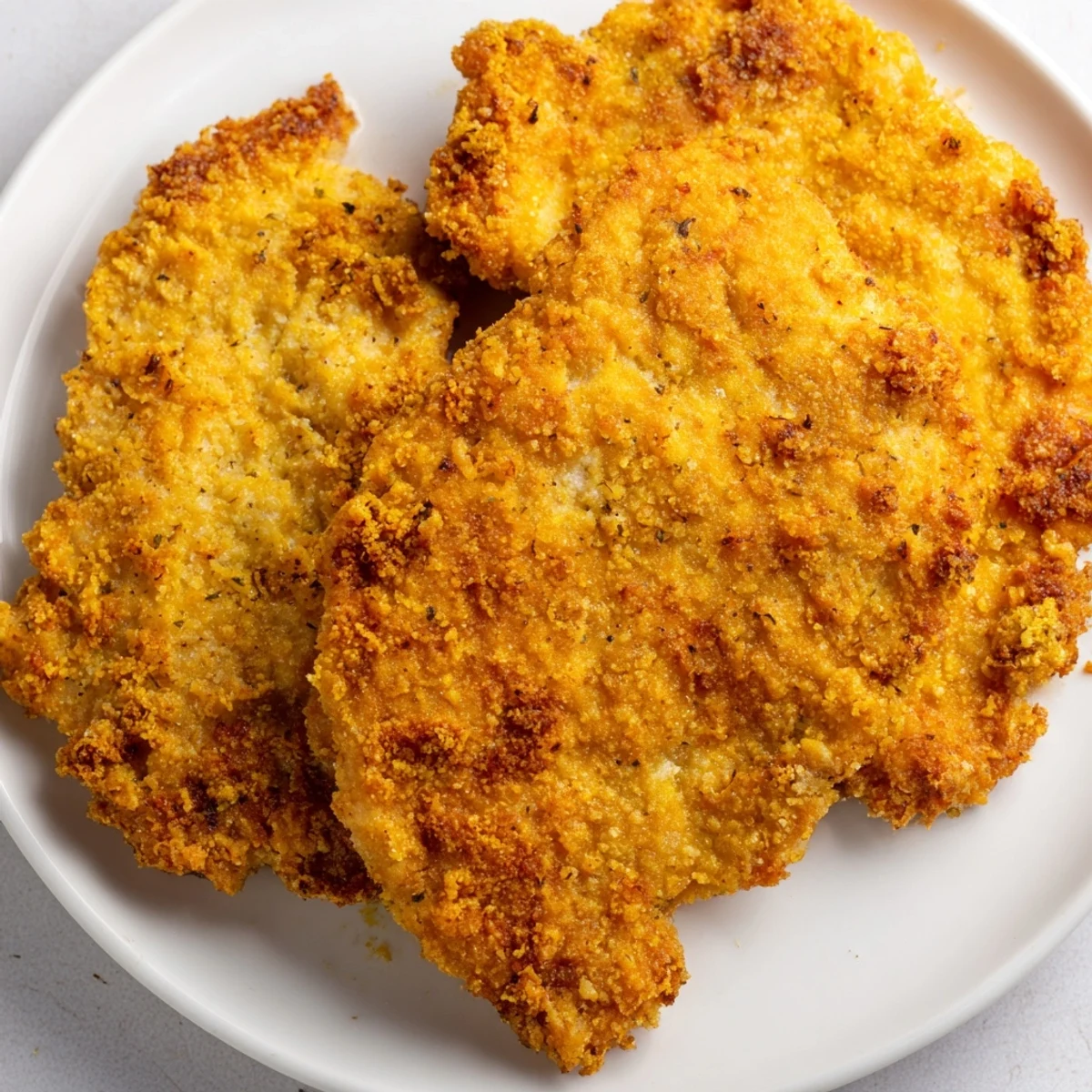
Save There's something deeply satisfying about making fried chicken at home, the way the whole house fills with that incredible smell and people start gathering in the kitchen like moths to a flame. Maybe it's not the quickest weeknight dinner, but some things are worth the extra time and the inevitable oil splatter on the stove.
Recipe FAQs
- → Why use buttermilk for marinating?
-
Buttermilk contains natural acids that tenderize meat while adding subtle tanginess. The enzymes break down protein fibers, resulting in exceptionally juicy chicken that stays moist even after frying.
- → What's the purpose of double-dipping?
-
Double-dipping creates a thicker, crunchier coating. The first layer adheres to the meat, while the second builds extra texture and holds more seasoning, ensuring that satisfying crunch in every bite.
- → How do I know when oil is ready?
-
Use a kitchen thermometer to verify 350°F (175°C). Alternatively, insert a wooden spoon handle—if bubbles form rapidly around it, your oil is properly heated for frying.
- → Can I use chicken thighs instead?
-
Absolutely. Thighs offer darker meat with more natural fat content, making them even more forgiving during frying. Adjust cooking time slightly as thighs may need 2-3 additional minutes per side.
- → How do I keep chicken crispy while cooking batches?
-
Place finished pieces on a wire rack in a 200°F (95°C) oven. This maintains temperature without trapping steam like paper towels would, preserving that coveted crunch.