
 Save
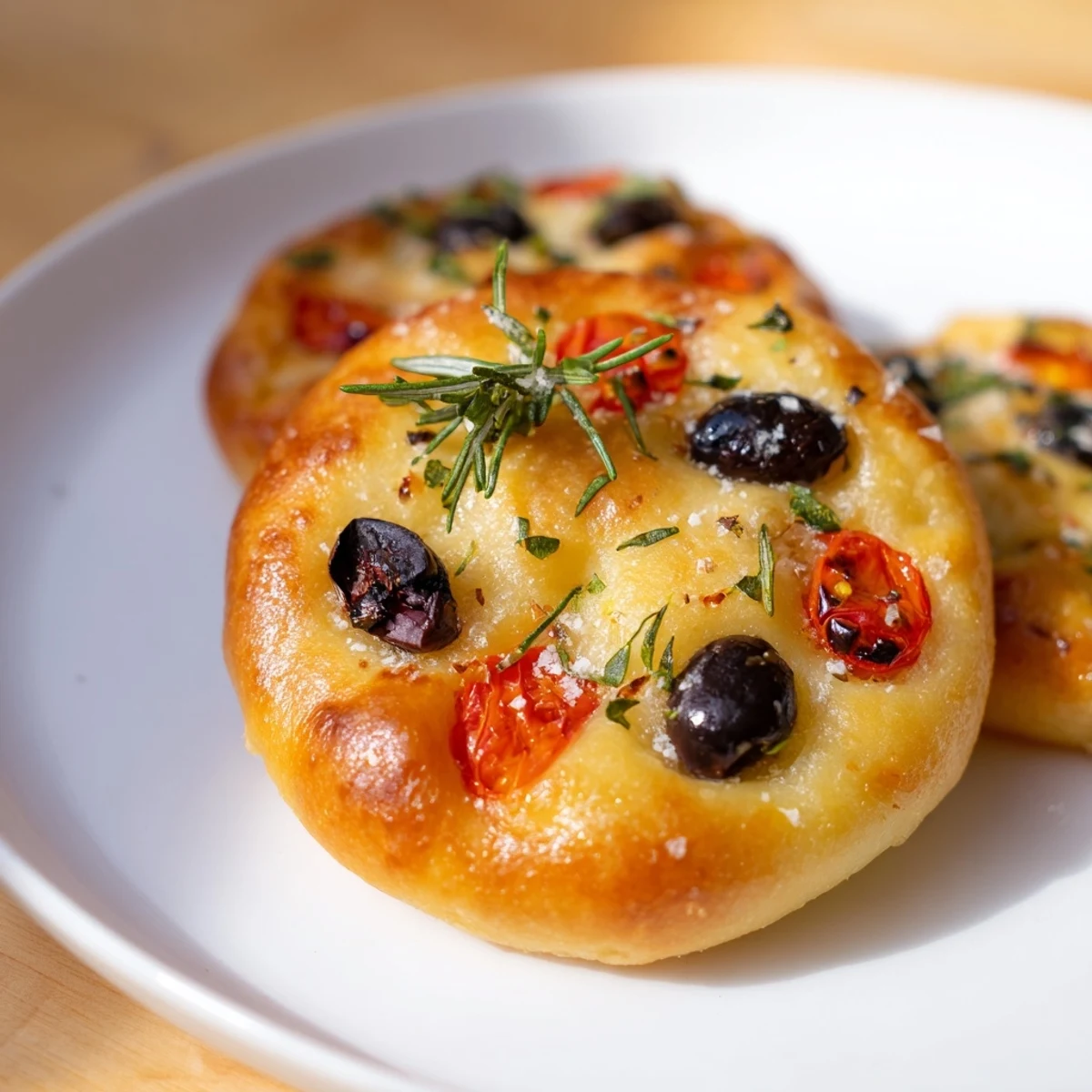
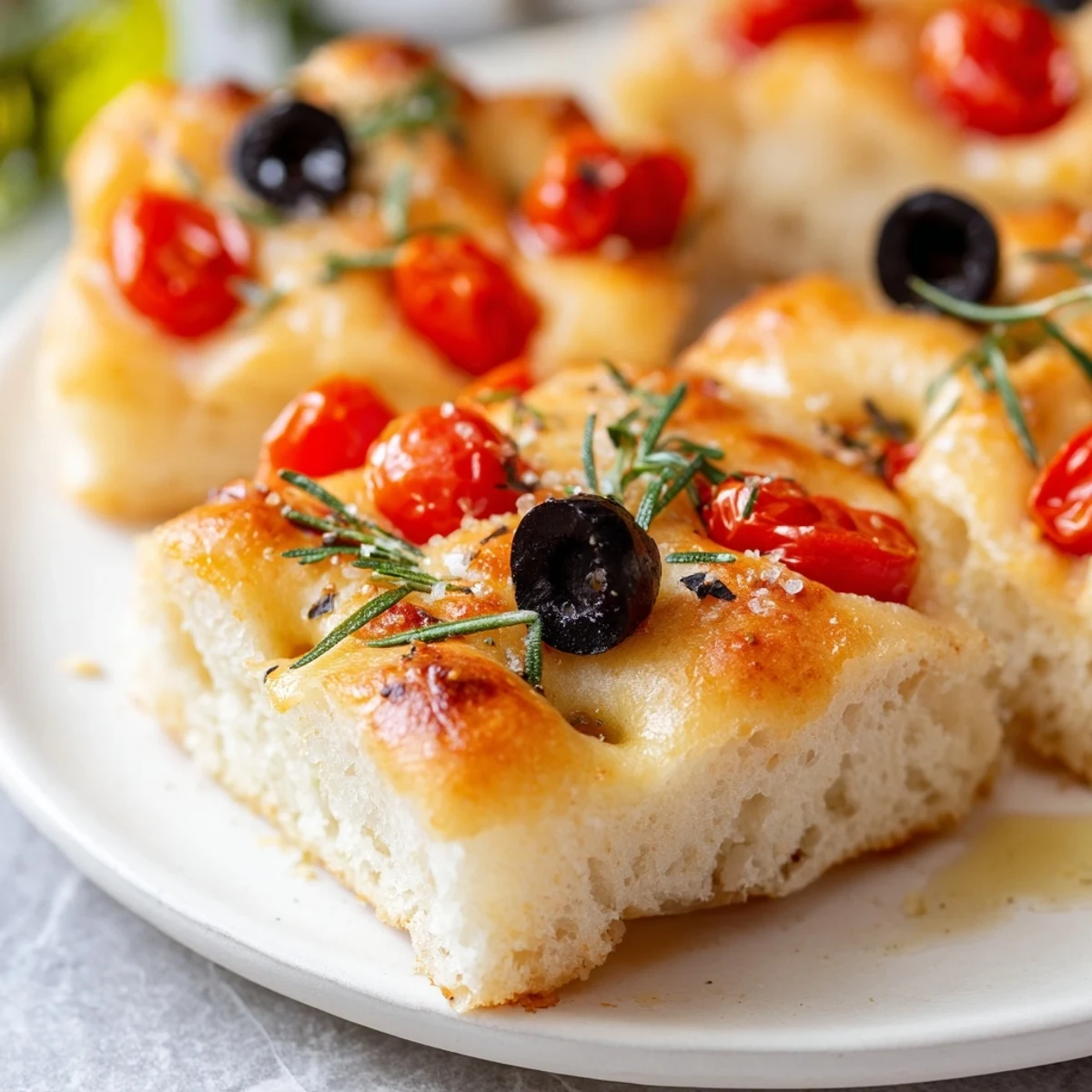
Save These golden mini focaccias deliver the perfect balance of crispy exterior and pillowy soft interior. Topped with fragrant rosemary, flaky sea salt, and optional cherry tomatoes or olives, they make ideal appetizers or snacks. The dough rises for one hour, developing that signature airy texture Italian bread is known for. Brushing generously with olive oil before baking creates those beautiful golden crusts everyone loves.
The smell of rosemary hitting hot olive oil still takes me back to my tiny apartment kitchen where I first attempted focaccia. I'd seen those gorgeous dimpled breads in bakery windows and thought, surely I can make something that beautiful. My first batch came out dense as a brick, but something about the ritual of pressing fingertips into dough stuck with me. Now these mini versions are my go-to when friends drop by unexpected.
Last summer my sister visited and we made these together on the patio, drinking wine and experimenting with whatever we had in the garden. She insisted on adding cherry tomatoes from her farmers market run, and the way they blistered in the oven made us both stop and stare. Now I can't make them without hearing her laugh when the first batch comes out golden and ridiculous. Some recipes become part of your story like that.
Ingredients
- All-purpose flour: This creates the perfect structure for these little breads without becoming too dense or chewy
- Lukewarm water: The temperature matters here too cold and the yeast wont wake up, too hot and you'll kill it completely
- Active dry yeast: I always proof it first with a pinch of sugar because watching it foam up feels like kitchen magic every time
- Fine sea salt: This goes inside the dough where it dissolves evenly to season every bite
- Extra-virgin olive oil: Use the good stuff here since the flavor really shines through in such a simple bread
- Sugar: Just enough to wake up the yeast without making the dough taste sweet
- Flaky sea salt: This goes on top for those satisfying crunchy salt bursts that contrast with the soft interior
- Fresh rosemary: Dried herbs work in a pinch but fresh rosemary's piney aroma transforms in the oven
- Cherry tomatoes: They concentrate and sweeten as they bake, creating little bursts of juiciness
- Black olives: Briny and salty, they balance the mild dough perfectly if you want something savory
Instructions
- Wake up the yeast:
- Combine your lukewarm water, sugar, and yeast in a large bowl, then walk away for exactly five minutes. When you come back to find foamy bubbles on top, you'll know it's alive and ready to work its magic.
- Build the dough:
- Add the flour, salt, and olive oil to your yeast mixture, mixing until a sticky dough forms. Don't worry about perfection yet, just get everything incorporated into a shaggy mass.
- Knead until smooth:
- Turn the dough onto a lightly floured surface and knead for five to seven minutes, feeling it transform from tacky to smooth and elastic under your hands.
- Let it rise:
- Place your dough in a lightly oiled bowl, cover with a damp cloth, and find the warmest spot in your kitchen. Wait about an hour until it's doubled in size, resisting the urge to poke it constantly.
- Heat things up:
- Preheat your oven to 425°F and line a baking sheet with parchment paper so nothing sticks later. This is also when I start clearing counter space for the final assembly.
- Shape the mini breads:
- Punch down your risen dough gently, divide it into eight equal pieces, and shape each into a small round or oval. Place them on your prepared baking sheet with space to spread.
- Make those famous dimples:
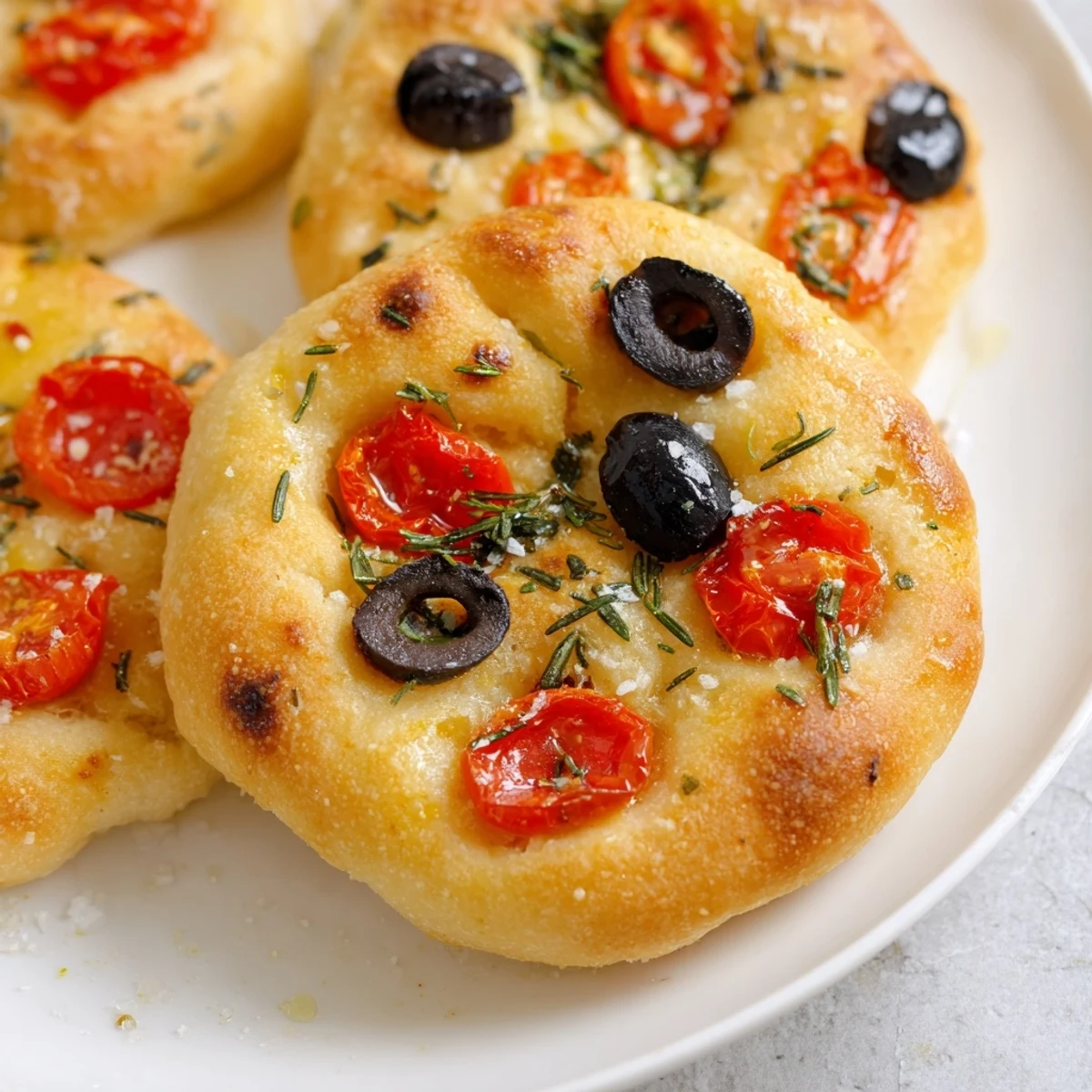
- Use your fingertips to press deep indentations all over each focaccia, then brush generously with olive oil so it pools in the little wells you've created.
- Add the toppings:
- Sprinkle with flaky sea salt, fresh rosemary, and any extras you're using, pressing them gently into the dough so they don't fall off during baking.
- Bake until golden:
- Slide them into the hot oven for eighteen to twenty minutes, watching for that beautiful golden color and crispy top that makes focaccia so irresistible.
- Rest before serving:
- Let them cool slightly on the baking sheet so the interior finishes setting, though I'll admit I've burned my tongue more than once grabbing one too early.
 Save
Save These became my comfort baking during a particularly hard winter when the oven seemed like the only warm place in my life. Something about the simple process mixing, waiting, baking, eating made everything feel manageable again. Now they taste like hope to me, which sounds dramatic but is absolutely true.
Getting The Crispiest Results
I've discovered that baking on a preheated baking stone or overturned sheet pan makes an incredible difference in texture. The intense bottom heat creates that professional bakery crunch while keeping the interior pillowy soft. Just let the stone heat up for at least thirty minutes while the dough rises.
Topping Ideas Beyond The Basics
Sometimes I'll caramelize onions with balsamic vinegar until they're jammy and sweet, then dot them across the dough before baking. Grated parmesan gets crispy and salty, while sun-dried tomatoes add intense bursts of umami. The classic rosemary is wonderful but don't be afraid to experiment with thyme, oregano, or even za'atar.
Make Ahead And Storage
You can make the dough the night before and let it rise slowly in the refrigerator, which actually develops better flavor. Baked focaccia freezes beautifully wrapped tightly in plastic wrap, then reheated in a 350°F oven until warm and crisp again. They're also brilliant split and used as mini sandwich buns for leftover chicken or cheese.
- Dough can be refrigerated for up to 24 hours before shaping and baking
- Leftovers reheat best in a toaster oven to maintain that crispy exterior
- These freeze exceptionally well for unexpected hunger emergencies
 Save
Save There's something profoundly satisfying about making your own bread, especially one that feels so fancy but comes together so simply. Hope these little focaccias bring as much joy to your kitchen as they've brought to mine.
Recipe FAQs
- → What makes focaccia different from regular bread?
-
Focaccia is an Italian flatbread characterized by its high olive oil content, dimpled surface, and thick, fluffy texture. Unlike regular bread, it's meant to be savored on its own or as an accompaniment rather than used for sandwiches.
- → Why do you dimple focaccia dough?
-
Dimpling the dough with your fingertips creates those characteristic pockets that hold olive oil and toppings. This technique also prevents the dough from puffing up too much during baking, ensuring that perfect crispy-crusted, fluffy-centered result.
- → Can I prepare the dough ahead of time?
-
Absolutely. After the initial rise, you can refrigerate the dough for up to 24 hours. This actually develops more flavor. Let it come to room temperature before shaping and baking for best results.
- → What toppings work well with mini focaccia?
-
Beyond rosemary and sea salt, try caramelized onions, sundried tomatoes, grated parmesan, fresh thyme, garlic slices, or even thinly sliced potatoes. The olive oil base pairs beautifully with most Mediterranean flavors.
- → How do I store leftover focaccia?
-
Store in an airtight container at room temperature for up to 2 days. For longer storage, wrap well and freeze for up to 3 months. Reheat in a 350°F oven for 5-7 minutes to restore crispiness.
- → Why is my focaccia not crispy enough?
-
Ensure your oven is fully preheated to 425°F before baking. Brushing generously with olive oil helps create that crispy crust. For extra crunch, bake on a preheated baking stone which provides intense bottom heat.