
 Save
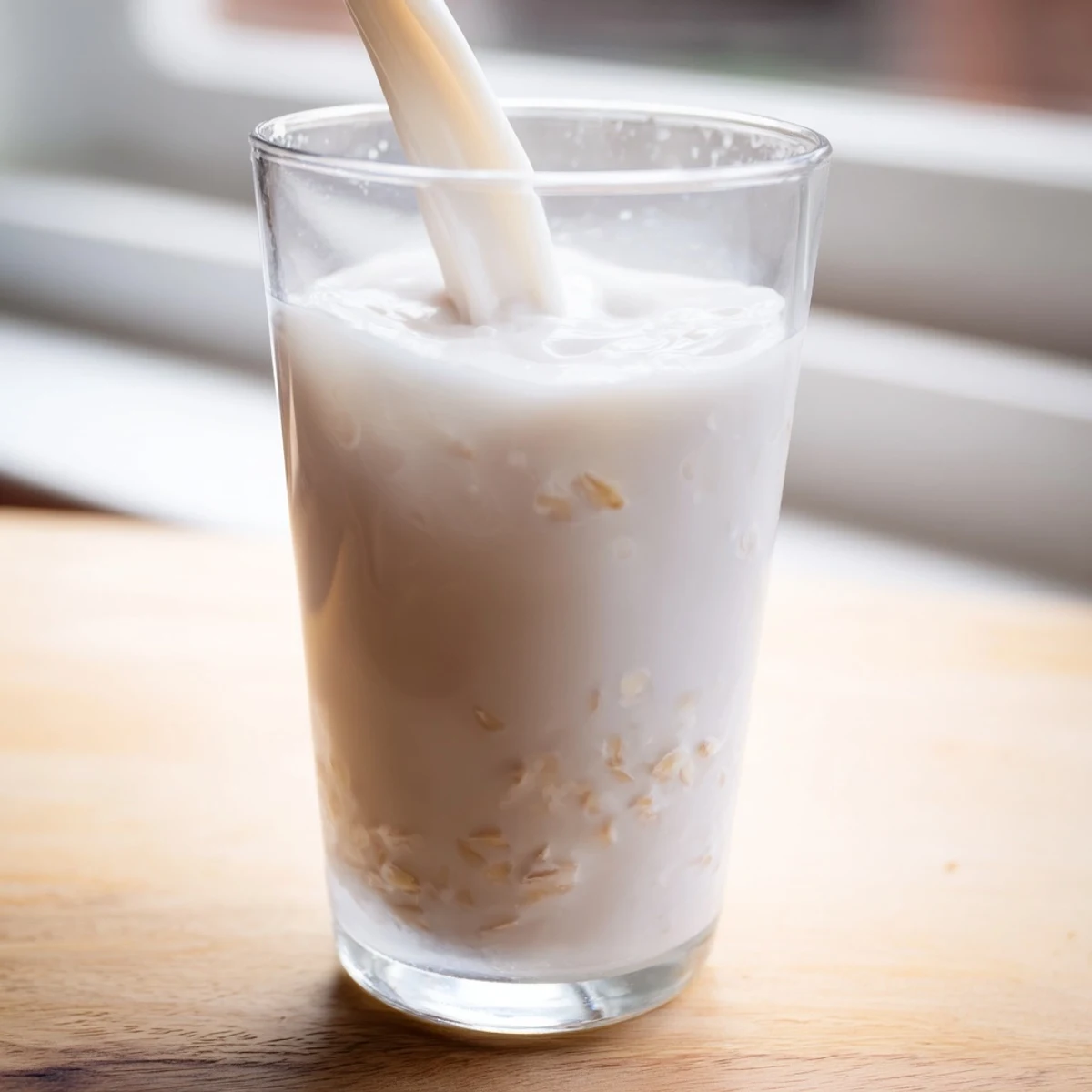
Save Transform raw almonds into silky, fresh almond milk right in your kitchen. This simple method requires only soaked almonds blended with filtered water, then strained through a nut milk bag or cheesecloth. The result is a smooth, creamy beverage free from additives and preservatives found in store-bought versions.
Customize your batch with maple syrup, vanilla extract, or a pinch of sea salt to suit your taste. The leftover almond pulp can be repurposed for baking or added to smoothies, making this a zero-waste kitchen project.
Keep a bottle in your refrigerator for up to five days—just give it a good shake before pouring, as natural separation occurs. Use it exactly like dairy milk: pour over cereal, blend into smoothies, froth for lattes, or incorporate into your favorite baked goods.
The blender screamed like a small aircraft taking off in my kitchen at seven in the morning, and my roommate came stumbling out half asleep asking if something was on fire. I was just making almond milk for the first time, completely unaware that this noisy ten minute project would ruin store bought milk for me forever. There is something almost meditative about squeezing that nut milk bag and watching creamy white liquid pool into a jar, knowing exactly what went into it. No thickeners, no mystery ingredients, just almonds and water and whatever you feel like adding.
I started making this every Sunday as a kind of reset ritual for the week ahead. My sister visited once and watched me wringing out the nut milk bag with both hands like I was milking a very small, very patient cow, and we laughed until I accidentally splashed myself head to toe.
Ingredients
- 1 cup raw almonds: Use truly raw unsalted almonds, not the roasted kind, because roasting changes the flavor entirely and makes the milk taste oddly toasted.
- 4 cups filtered water: The quality of your water matters here since it makes up the vast majority of the final product.
- 1 to 2 tablespoons maple syrup, honey, or sweetener of choice (optional): A little sweetness rounds things out beautifully but you can skip it if you want unsweetened milk for savory recipes.
- 1 teaspoon vanilla extract (optional): This tiny addition makes the milk feel like a treat rather than a pantry staple.
- Pinch of sea salt (optional): Salt may seem strange in a beverage but it sharpens all the other flavors and keeps the milk from tasting flat.
Instructions
- Soak the almonds:
- Put your almonds in a bowl, cover them generously with water, and leave them to soak at least eight hours or overnight so they plump up and soften. Drain and rinse them well until the water runs clear.
- Blend until creamy:
- Toss the soaked almonds into your blender with four cups of fresh filtered water and blend on high for one to two minutes until the mixture looks completely smooth and frothy on top.
- Add the optional extras:
- If you are using sweetener, vanilla, or salt, drop them in now and give everything a quick blend to incorporate.
- Strain the milk:
- Set a nut milk bag or a fine mesh strainer lined with cheesecloth over a large bowl or jug and pour the blended mixture through. Squeeze and press thoroughly to extract every last drop.
- Store and enjoy:
- Transfer your fresh almond milk into a clean bottle or jar and keep it in the refrigerator for up to five days. Give it a vigorous shake before each use because separation is completely natural.
 Save
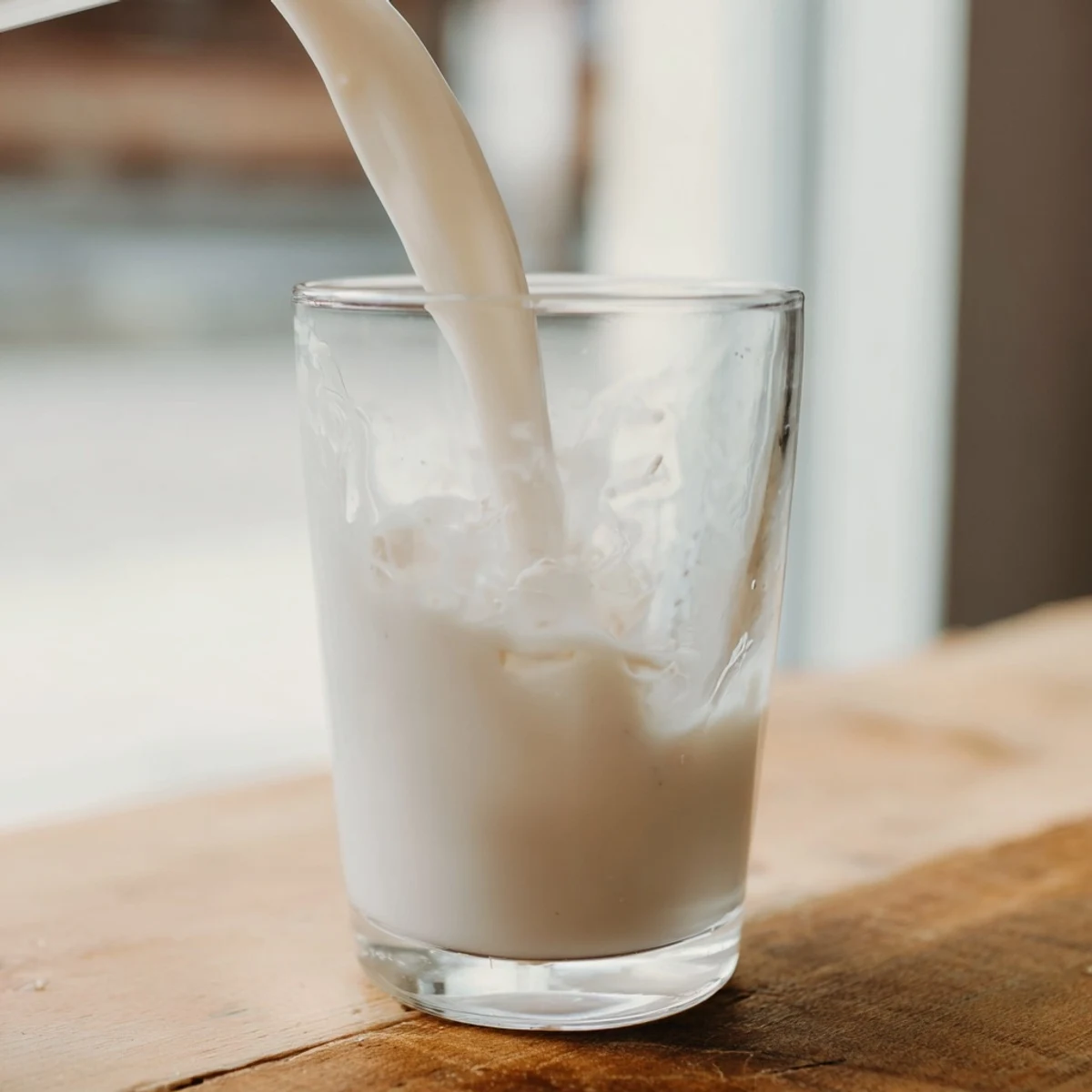
Save Pouring this over granola on a quiet Tuesday morning somehow makes an ordinary breakfast feel like a small act of self care. It became my thing, the little weekly habit that signals the week has properly begun.
When Things Go Sideways
My first batch turned out unpleasantly thin because I eyeballed the water instead of measuring it, and I learned that the ratio of almonds to water is the single most important variable in this entire recipe. If you want something richer and more luxurious, drop the water to three cups instead of four and the texture shifts dramatically in your favor.
Flavor Variations Worth Trying
Stirring in a tablespoon of cocoa powder after blending gives you a chocolate almond milk that tastes genuinely indulgent without any guilt. Dropping a cinnamon stick into the storage jar infuses the milk with a gentle warmth that pairs perfectly with oatmeal or coffee.
Tools and Storage Tips
A high speed blender makes quick work of this, but even a standard blender will do the job if you blend a little longer. Your storage jar should be glass if possible because the milk picks up faint off flavors from some plastics over a few days in the fridge.
- A nut milk bag costs almost nothing and is vastly easier to work with than cheesecloth, which always seems to slip at the worst moment.
- Write the date on your jar with a piece of tape so you remember when the five day window is up.
- Shake the jar with real enthusiasm before pouring because the settling at the bottom looks alarming but is completely harmless.
 Save
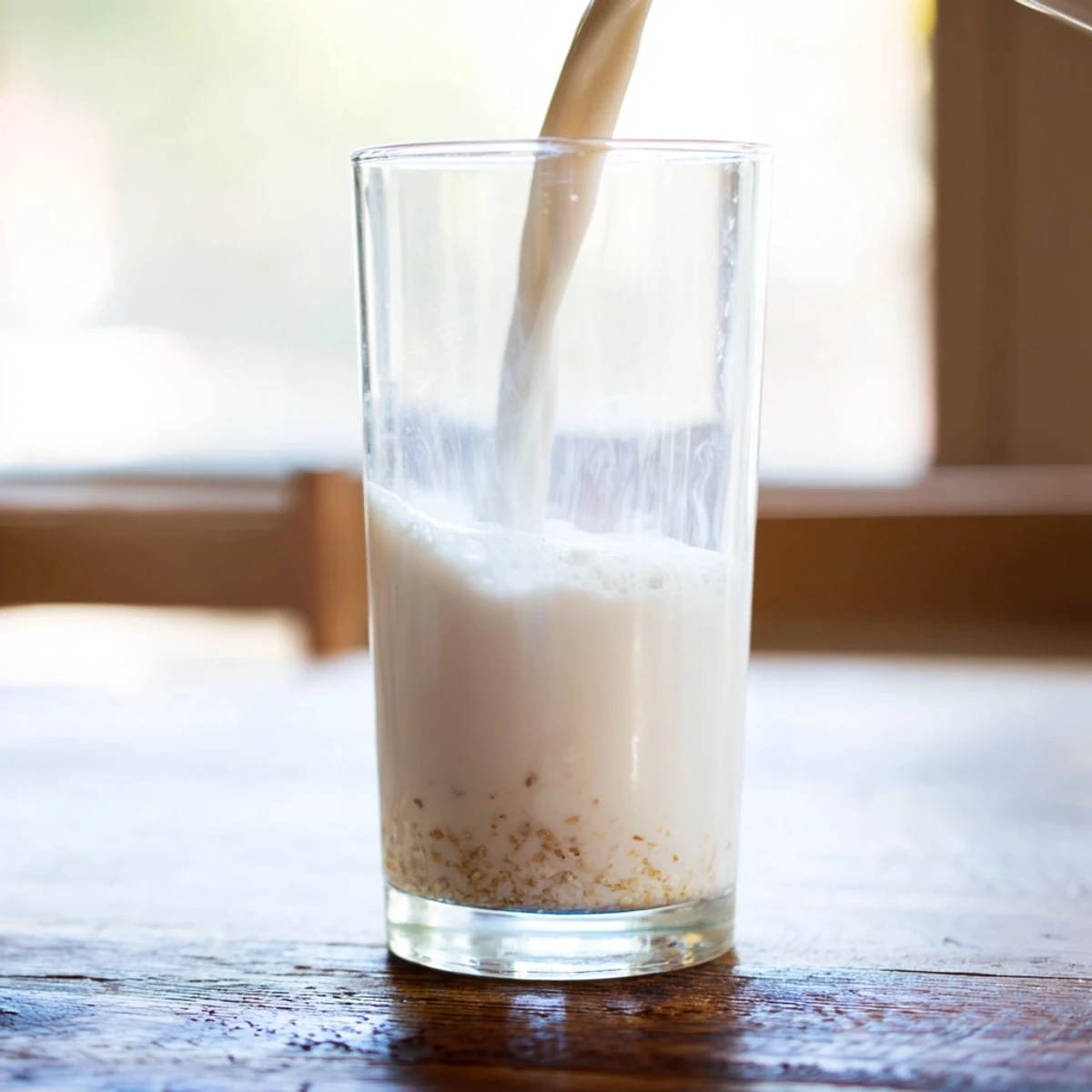
Save Homemade almond milk is one of those small kitchen victories that costs very little effort but pays you back every single morning. Once you get the rhythm of soak, blend, strain, it becomes second nature.
Recipe FAQs
- → Do I really need to soak the almonds first?
-
Soaking almonds softens them and breaks down enzyme inhibitors, making them easier to blend and digest. It also helps release more flavor and creates a smoother, creamier final product. Eight hours or overnight works perfectly.
- → Can I use roasted almonds instead of raw?
-
Raw almonds work best since they produce a neutral, sweet flavor. Roasted almonds will give your milk a distinctly nutty taste that might not work well in all applications. Stick to raw for the most versatile results.
- → How long does homemade almond milk last?
-
Properly stored in a sealed container in the refrigerator, your almond milk will stay fresh for 4-5 days. Since it contains no preservatives, you may notice some separation—just shake well before each use. Trust your nose; if it smells off, it's time to make a fresh batch.
- → What can I do with the leftover almond pulp?
-
The leftover pulp is incredibly versatile! Dry it in a low oven and use as almond flour in baked goods, add it to smoothies for extra fiber and protein, mix into oatmeal, or incorporate it into energy bites and granola bars.
- → Can I make this without a nut milk bag?
-
A nut milk bag makes straining easiest, but a fine-mesh sieve lined with several layers of cheesecloth works perfectly too. Just pour slowly and press firmly with a spoon to extract as much liquid as possible.
- → Is homemade almond milk cheaper than store-bought?
-
Definitely! A one-pound bag of raw almonds yields approximately 4-5 batches of almond milk, making it significantly more economical than purchasing cartons weekly. Plus, you control exactly what goes into it—no gums, fillers, or added sugars unless you choose them.