
 Save
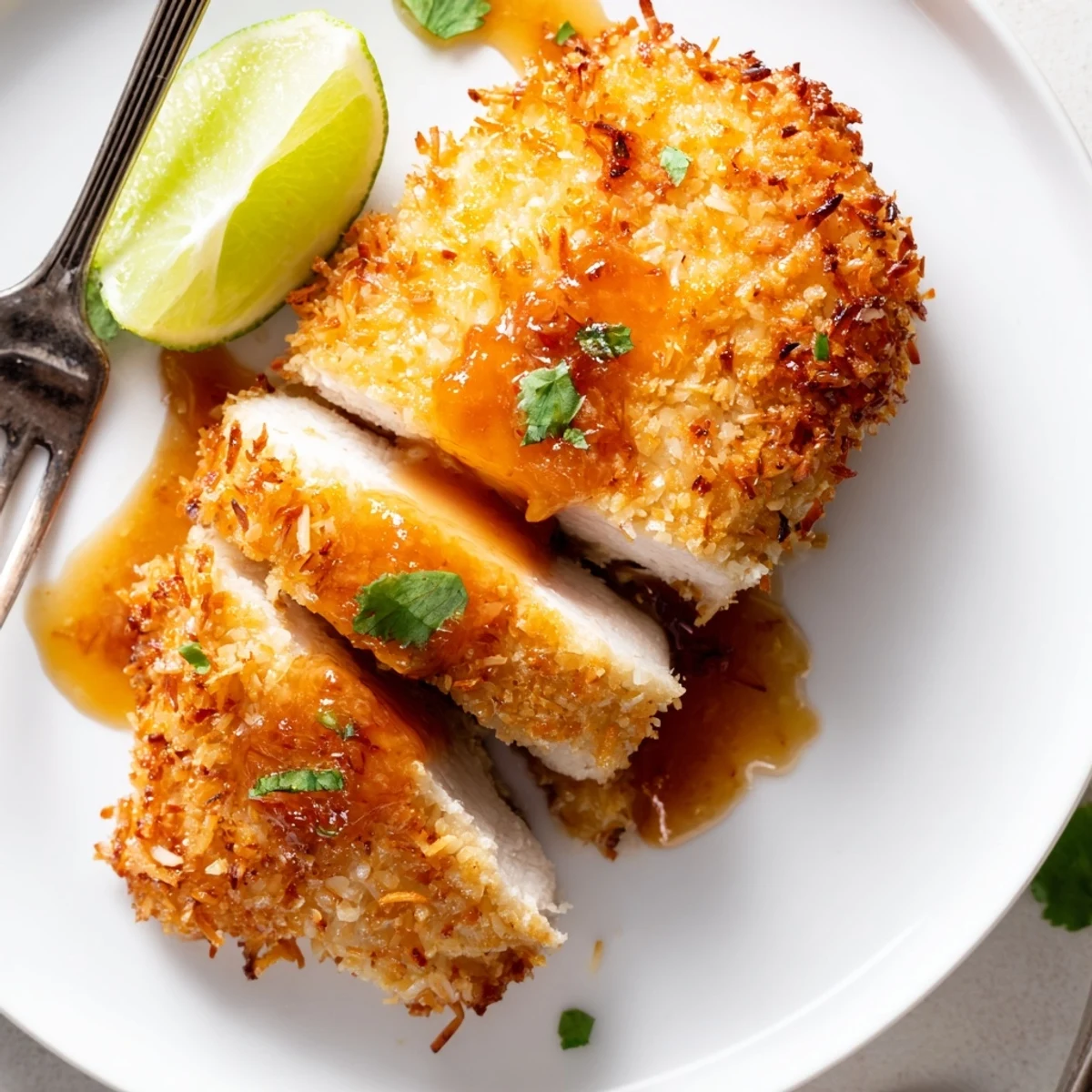
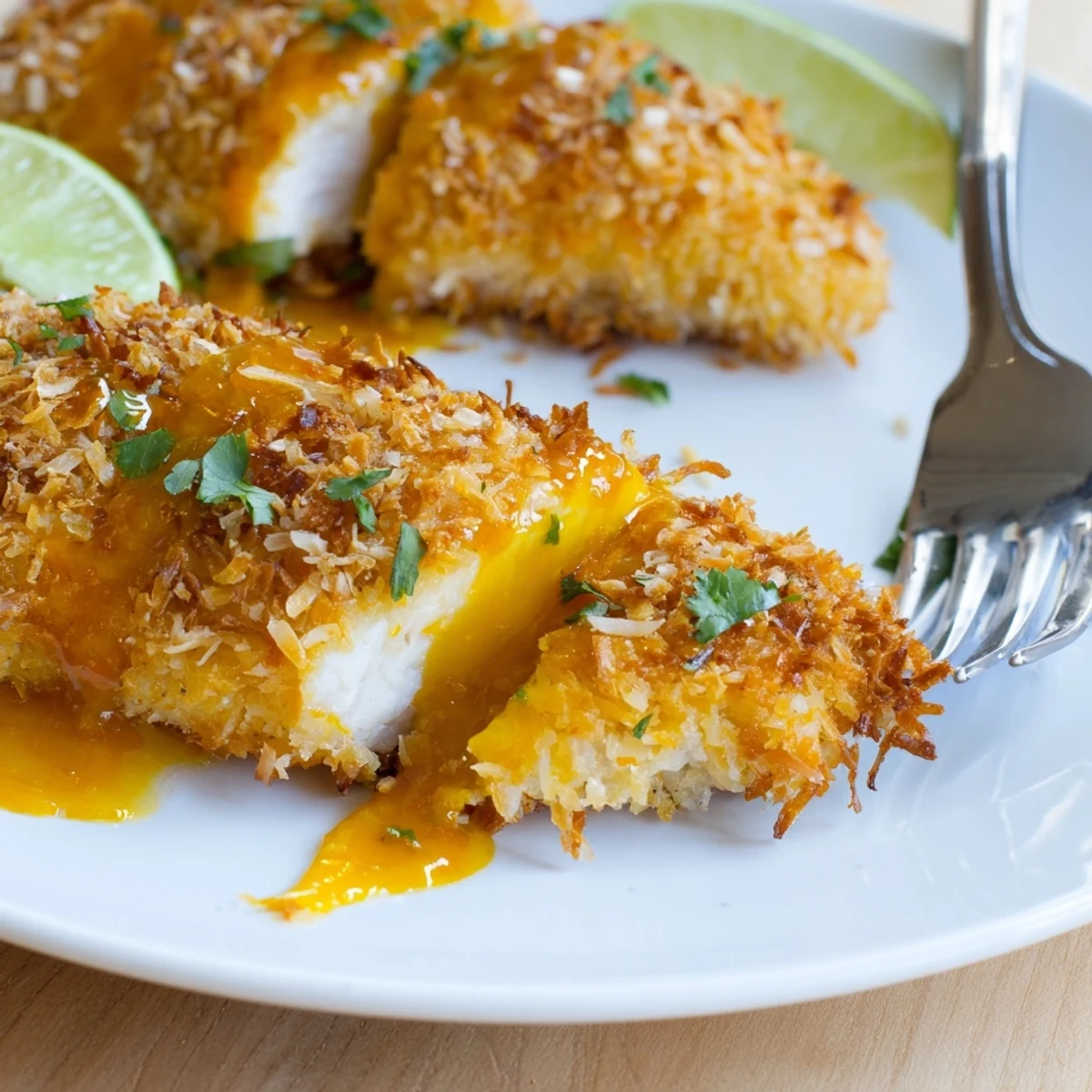
Save Coat chicken breasts in flour, egg, then a coconut-breadcrumb mix, pressing to adhere. Sear in coconut oil until golden, then finish in a hot oven until juices run clear. Simmer apricot preserves with soy, vinegar, mustard, garlic and ginger until glossy. Drizzle sauce over the crunchy chicken and garnish with cilantro and lime. Serve with jasmine rice or salad for a balanced plate.
The sizzle of coconut hitting a hot skillet on a rainy Tuesday evening is, as it turns out, one of those sounds that makes you stop scrolling your phone and actually pay attention to dinner. I had bought a bag of shredded coconut on impulse, tossed it in the pantry, and forgotten about it until desperation forced creativity. What landed on the plate that night was a golden, shaggy-crusted chicken breast with a sweet apricot sauce that made my partner look up mid bite and say nothing, which is the highest compliment in our kitchen.
I served this to my sister when she was visiting last spring, and she stood at the counter eating the leftover sauce with a spoon while the chicken was still in the oven. We ended up sitting on the kitchen floor with the baking sheet between us because the dining table felt too formal for something this unapologetically good. She texted me three days later asking for the recipe, which confirmed it was a keeper.
Ingredients
- 4 boneless, skinless chicken breasts: Pound them to even thickness so they cook uniformly and nothing dries out while you wait for the thickest part to finish.
- 1 cup shredded unsweetened coconut: Unsweetened is non negotiable here because sweetened coconut will burn before the chicken is done and throw off the entire flavor balance.
- 1/2 cup gluten-free breadcrumbs: These lighten the coconut crust and help it adhere, and panko style crumbs give the best texture if you can find them.
- 1/2 cup gluten-free flour: The crucial first layer that helps the egg grip the chicken so your coconut coating actually stays on.
- 2 large eggs: Beaten and waiting in a shallow dish, they are the glue holding this whole operation together.
- 1/2 tsp salt and 1/2 tsp black pepper: Season the chicken directly before breading, because trying to fix blandness after coating is a losing battle.
- 2 tbsp coconut oil: Just enough for a quick sear that sets the crust, and the subtle coconut aroma it adds to the kitchen is a bonus.
- 1 cup apricot preserves: The backbone of the sauce, and a good quality preserve with real fruit pieces makes a noticeable difference.
- 2 tbsp soy sauce: Adds saltiness and umami that rounds out the sweetness of the apricot in a way that surprises people.
- 1 tbsp rice vinegar: A splash of acidity that keeps the sauce from cloying and brightens every element on the plate.
- 1 tbsp Dijon mustard: Provides a gentle heat and tang that makes the sauce taste complex rather than one note sweet.
- 1 clove garlic, minced: Fresh only, because the sauce cooks so briefly that garlic powder would taste flat and dusty.
- 1/2 tsp grated fresh ginger (optional): I skip it half the time, but when I include it, the sauce gains a warmth that is hard to pinpoint and impossible to resist.
- 2 tbsp chopped fresh cilantro and lime wedges: A scatter of green and a squeeze of lime at the end make everything taste brighter and look like you tried harder than you did.
Instructions
- Get the oven ready:
- Preheat your oven to 400 degrees F and line a baking sheet with parchment paper so the coconut crust does not stick and your cleanup stays effortless.
- Set up your breading line:
- Arrange three shallow dishes in a row with flour first, beaten eggs second, and the coconut-breadcrumb mixture third, because organization here prevents messy hands and lost coatings.
- Season and bread the chicken:
- Sprinkle salt and pepper directly on each breast, then dredge through flour, dunk in egg, and press firmly into the coconut mixture so every surface is covered and the coating feels secure.
- Sear to golden perfection:
- Heat coconut oil in a skillet over medium-high heat and sear each breaded breast for two to three minutes per side until the coconut turns a deep toasty gold and your kitchen smells like a tropical kitchen.
- Finish in the oven:
- Transfer the seared chicken to your prepared baking sheet and bake for fifteen to eighteen minutes until the juices run clear and the thickest part reaches 165 degrees F inside.
- Make the apricot sauce:
- While the chicken bakes, combine apricot preserves, soy sauce, rice vinegar, Dijon mustard, garlic, and ginger in a small saucepan over medium heat, stirring until smooth and slightly thickened, about four to five minutes.
- Serve and garnish:
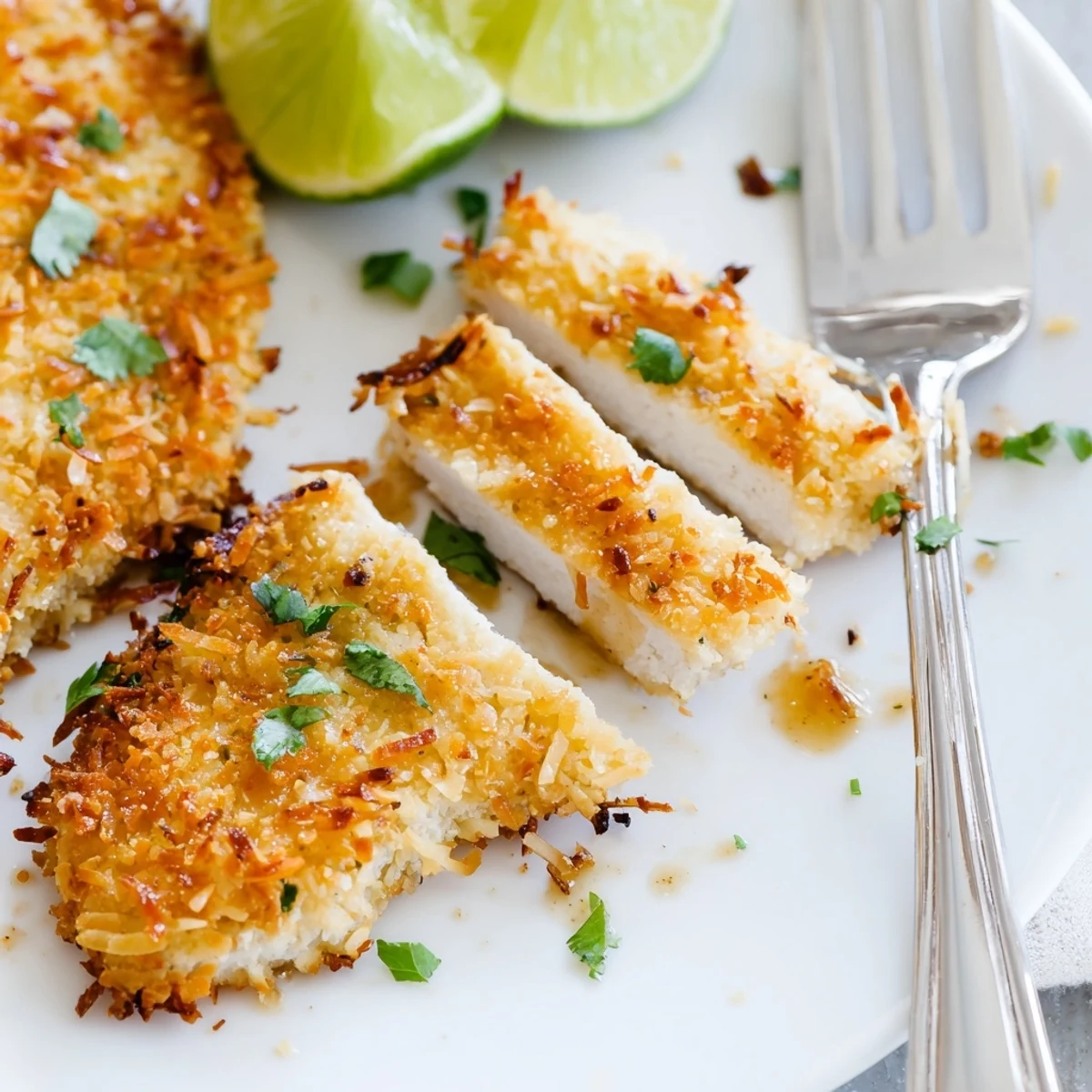
- Let the chicken rest for a minute, then slice or serve whole with a generous drizzle of warm apricot sauce, a scatter of cilantro, and lime wedges on the side for squeezing.
 Save
Save The night I realized this recipe had earned a permanent spot in my rotation was when I caught myself licking the saucepan clean while the leftovers cooled on the counter. Some dishes are just dinner, but this one has a way of making an ordinary evening feel slightly celebratory.
What to Serve Alongside It
Jasmine rice is the obvious choice because it soaks up the apricot sauce like a sponge and rounds out the plate without competing. A crisp green salad with a lime vinaigrette also works beautifully, cutting through the richness and adding color to the plate. I once piled the sliced chicken over a bowl of coconut rice and it was almost too coconut forward, but my guests loved it anyway.
Making It Your Own
The basic technique of coconut crusting and quick pan searing works on shrimp, firm tofu, and even pork chops if you adjust the cooking time. Try mango preserves instead of apricot for a sweeter, more tropical direction, or add a spoonful of sriracha to the sauce if you want heat alongside the sweet. The recipe forgives substitutions generously, which is what makes it worth keeping in your back pocket.
Storing and Reheating
Leftover chicken keeps well in the refrigerator for up to three days, though the crust softens overnight and never quite regains its original crunch. The sauce stores separately in a jar for a week and reheats in seconds, and I have been known to put it on everything from grilled pork to roast sweet potatoes. A few things worth remembering follow below.
- Reheat the chicken in a hot oven or toaster oven rather than the microwave to revive some of the crust texture.
- Freeze the sauce in an ice cube tray and drop a frozen cube into stir fries or over rice for a quick flavor boost.
- Always make extra sauce because you will run out and you will be sad about it.
 Save
Save This is the kind of recipe that reminds you cooking does not have to be complicated to be memorable, just intentional and a little bit playful. Keep a jar of apricot preserves in your pantry and you are never more than thirty minutes away from something special.
Recipe FAQs
- → How can I get extra crunch on the coating?
-
Mix toasted chopped cashews or panko into the coconut-breadcrumb blend, press the coating firmly onto the chicken, and chill briefly before searing to help it set. A quick sear followed by oven finish preserves the crisp texture.
- → Is there a way to keep the chicken juicy?
-
Lightly season and consider a short brine or a 15–30 minute salt soak before breading. Don’t overcook: sear to color, then bake until the internal juices run clear or reach about 165°F for reliably moist breasts.
- → How can I balance the sweetness of the apricot sauce?
-
Brighten the glaze with extra rice vinegar or a squeeze of lime, and add a splash of soy or a dash of mustard to cut sweetness. Simmer a bit longer to concentrate flavors and adjust acidity to taste.
- → What gluten-free swaps work best?
-
Use gluten-free all-purpose flour and gluten-free breadcrumbs, or finely ground rice crackers. Choose tamari or a labeled gluten-free soy sauce for the apricot glaze to keep the dish gluten-free.
- → How can I add heat to the sauce?
-
Incorporate red pepper flakes, a pinch of cayenne, or a spoonful of sriracha into the apricot mixture while heating. Taste as you go to reach the desired level of spice without overpowering the fruitiness.
- → Best way to reheat without losing crunch?
-
Reheat in a preheated oven at 350°F for 8–12 minutes or until warmed through. To revive crispness, finish under the broiler briefly or use a hot skillet; avoid the microwave, which softens the coating.