
 Save
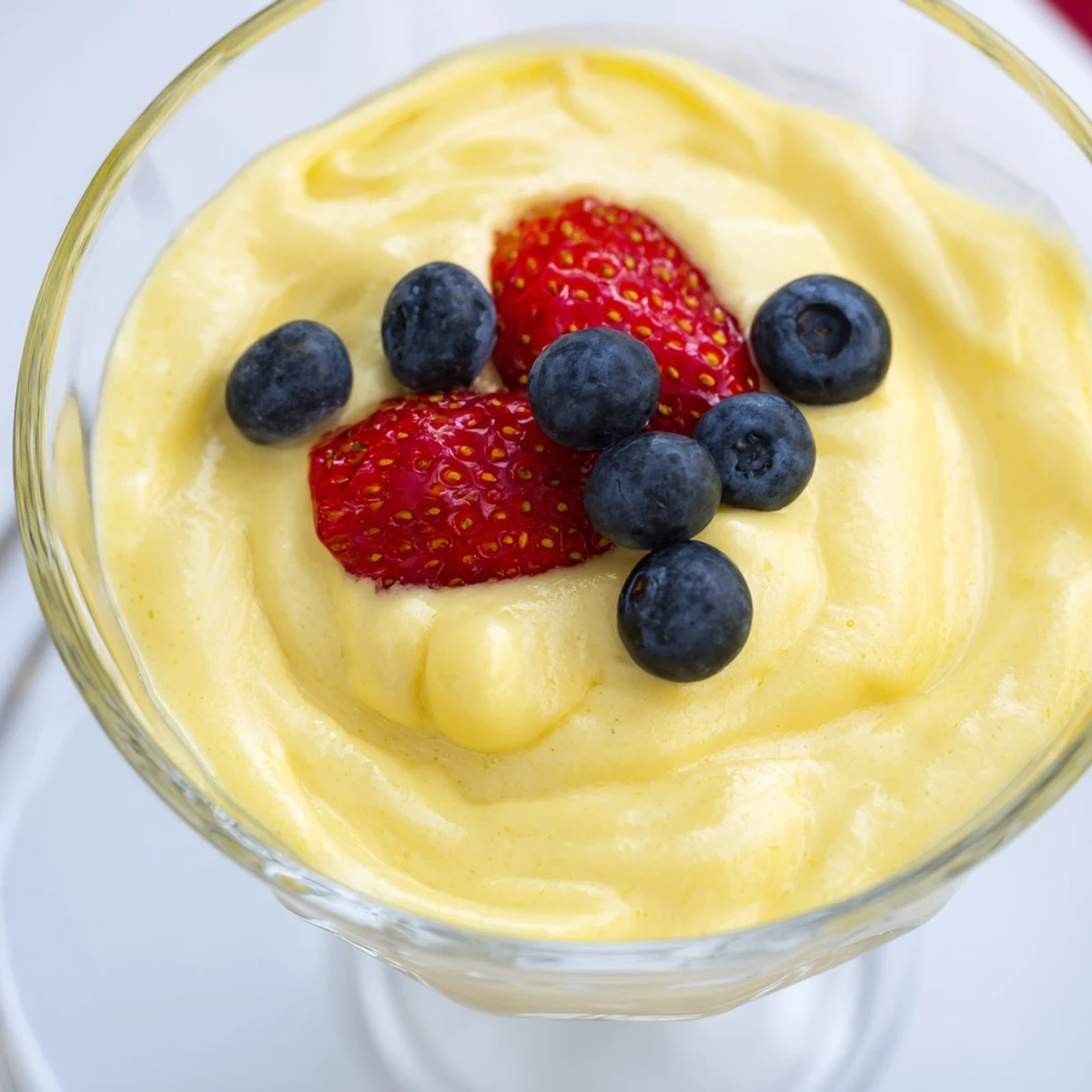
Save This beloved Italian dessert transforms simple ingredients—egg yolks, sugar, and Marsala wine—into an ethereal, warm custard. The technique involves gentle whisking over simmering water until the mixture triples in volume and forms silky ribbons. Perfect for elegant entertaining, zabaglione delivers restaurant-quality results with minimal effort. Serve immediately in stemmed glasses, perhaps accompanied by fresh berries or traditional ladyfingers.
The first time I had zabaglione was at a tiny trattoria in Florence, where the owner brought it to the table still warm from the double boiler. It was like eating a cloud infused with wine and sunshine. I went home and ruined three batches trying to recreate that magic, learning that patience and steady whisking matter more than any fancy technique. Now its my go to dinner party dessert because it feels impressive but actually takes about ten minutes of focused effort.
Last winter I made zabaglione for my family Christmas dinner, standing at the stove while everyone else finished opening presents. The kitchen filled with this warm wine scented steam that somehow felt more festive than any pine candle. My grandmother asked if it was the same thing her mother used to make with leftover wine and morning eggs. It turns out some recipes really do travel through generations unchanged.
Ingredients
- 6 large egg yolks: Room temperature eggs whisk up faster and create a more stable foam, so take them out of the fridge about 30 minutes before you start
- 1/2 cup (100 g) granulated sugar: Regular white sugar dissolves perfectly fine here, though I have used superfine when in a rush
- 1/2 cup (120 ml) Marsala wine: This fortified Sicilian wine is traditional, but dry sherry works beautifully too and is what I keep on hand for cooking
- Fresh berries: The tartness of berries cuts through the rich custard perfectly
- Ladyfingers or biscotti: These add a lovely crunch and give people something to dip into the warm sauce
Instructions
- Set up your water bath:
- Fill a medium saucepan with about two inches of water and bring it to a gentle simmer, not a rolling boil. You want to see small bubbles rather than aggressive boiling water.
- Whisk the yolks and sugar:
- In a large heatproof bowl that fits over your saucepan without touching the water, whisk together the egg yolks and sugar until the mixture turns pale yellow and slightly thickens. This takes about two minutes of steady whisking.
- Start the double boiler:
- Place your bowl over the simmering water, making sure the bottom does not touch the water surface. Pour in the Marsala wine while whisking constantly to incorporate it smoothly.
- The transformation phase:
- Keep whisking without stopping for eight to ten minutes. The mixture will triple in volume and thicken until it forms ribbons that hold their shape briefly when you lift the whisk.
- Serve immediately:
- Remove the bowl from heat and divide the zabaglione among dessert glasses or small bowls. It is best served warm, so have your garnishes ready before you start cooking.
 Save
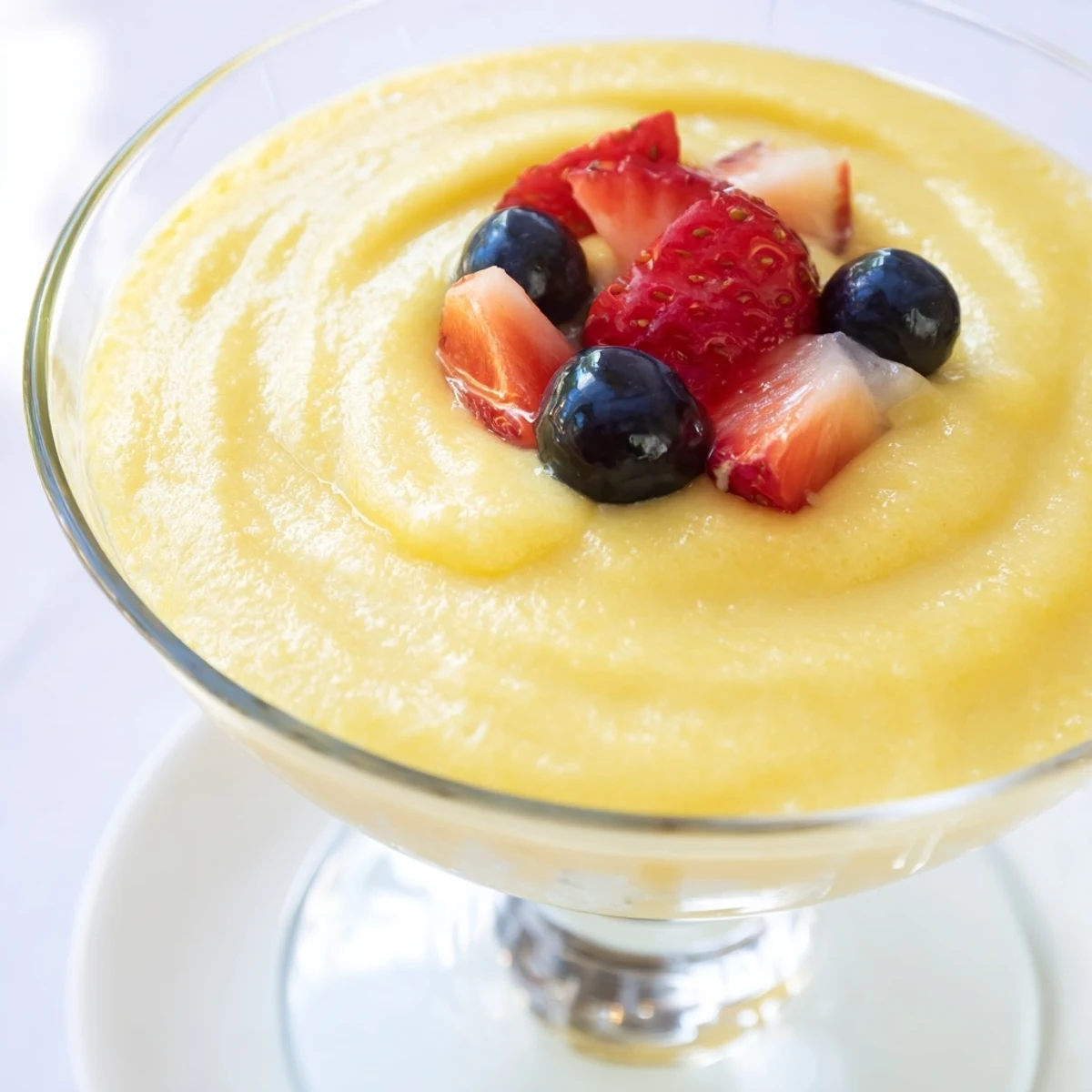
Save There is something deeply satisfying about standing at the stove, whisk in hand, watching thin yellow liquid transform into this golden mountain of foam. It has become my comfort dessert on rainy Sundays when I want something special but not complicated. The rhythm of whisking is almost meditative.
Making It Your Own
I have discovered that zabaglione is surprisingly forgiving once you understand the basics. The key is maintaining that gentle heat and never walking away from the stove. My friend adds a tablespoon of espresso for a mocha version that is absolutely divine with chocolate biscotti.
Serving Suggestions
Beyond the classic berries and cookies, I have spooned warm zabaglione over grilled peaches in summer and poached pears in winter. Once I folded in some lemon curd at the end for a bright citrus twist that everyone loved. It also pairs beautifully with almond cakes or shortbread cookies for dipping.
Timing and Prep Work
The real secret to stress free zabaglione is mise en place. Have your eggs separated, wine measured, and serving dishes arranged before you turn on the stove. Once the whisking starts, you are committed to the process.
- Separate your eggs when they are cold, then let everything come to room temperature
- Grate any lemon zest or prep berries before you start whisking
- Warm your serving bowls slightly with hot water so the zabaglione stays warm longer
 Save
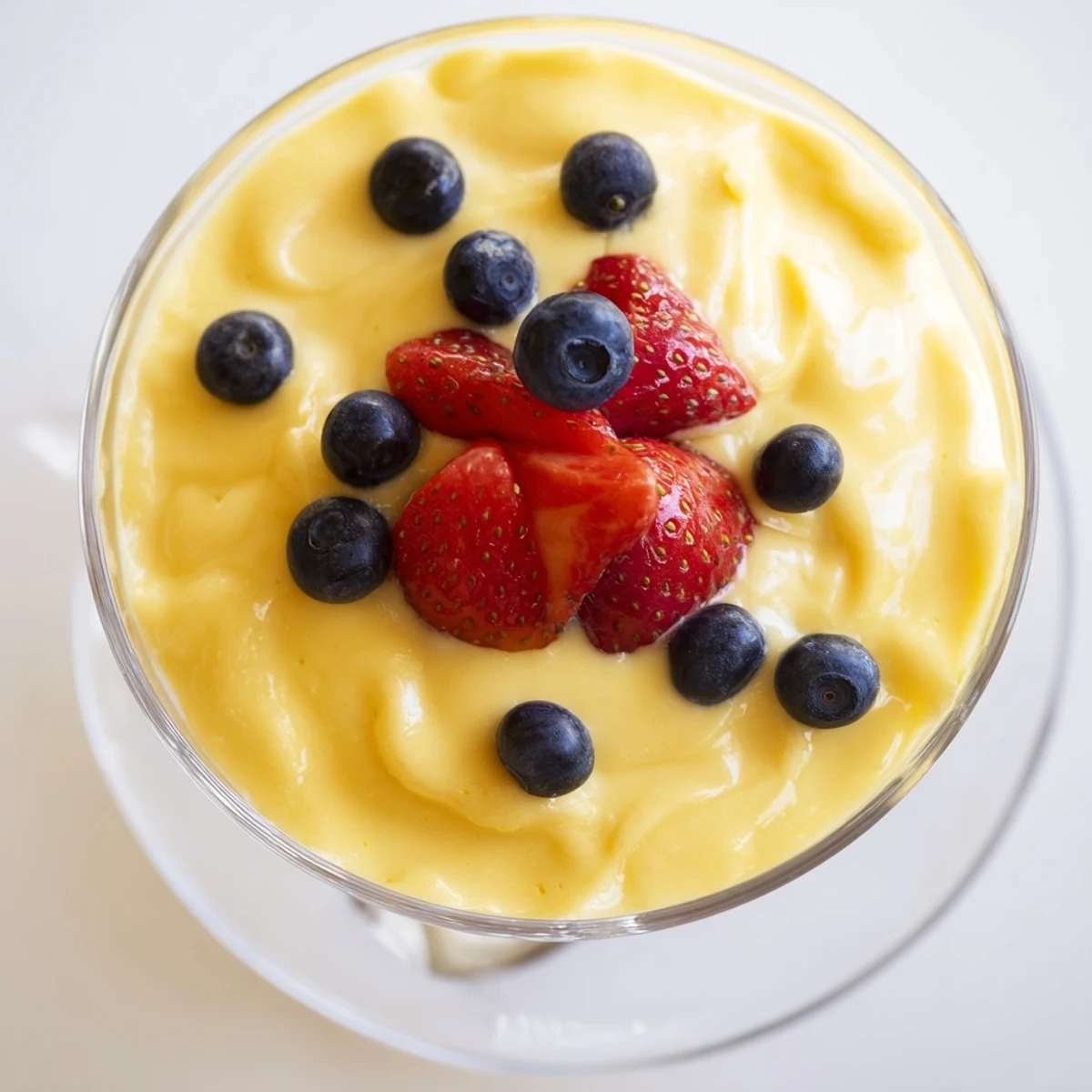
Save There is something timeless about zabaglione, a recipe that has survived centuries because it is simply perfect as it is. I hope it becomes one of your quick but impressive dessert staples too.
Recipe FAQs
- → What makes zabaglione different from regular custard?
-
Zabaglione is lighter and airier than traditional custards because it's whipped over heat rather than cooked slowly. The constant whisking incorporates air, creating a frothy texture that's unique to this Italian classic.
- → Can I make zabaglione ahead of time?
-
While zabaglione is best served immediately while warm and fluffy, you can refrigerate it for up to 2 hours. The texture will deflate slightly but remains delicious. Gently reheat over simmering water while whisking to restore some volume.
- → What can I substitute for Marsala wine?
-
Dry sherry works beautifully as a substitute. For a non-alcoholic version, use freshly squeezed orange juice or grape juice—though the flavor profile will change. The wine contributes depth and complexity that's difficult to replicate completely.
- → Why is my zabaglione not thickening?
-
This usually means the water beneath your bowl isn't hot enough or you're not whisking vigorously enough. Ensure the water maintains a gentle simmer and whisk continuously until the mixture triples in volume and forms ribbons when you lift the whisk.
- → What's the traditional way to serve zabaglione?
-
In Italy, zabaglione is typically served warm in small dessert glasses. Classic accompaniments include fresh berries (especially strawberries or raspberries), crisp ladyfingers, or biscotti for dipping. Some also enjoy it over vanilla gelato or as a filling for pastries.
- → How do I prevent the eggs from scrambling?
-
Never let the bowl touch the simmering water directly—maintain about 2 inches of space. Keep the water at a gentle simmer, not a rolling boil. Whisk constantly and never stop, as continuous movement keeps the temperature even throughout the mixture.