
 Save
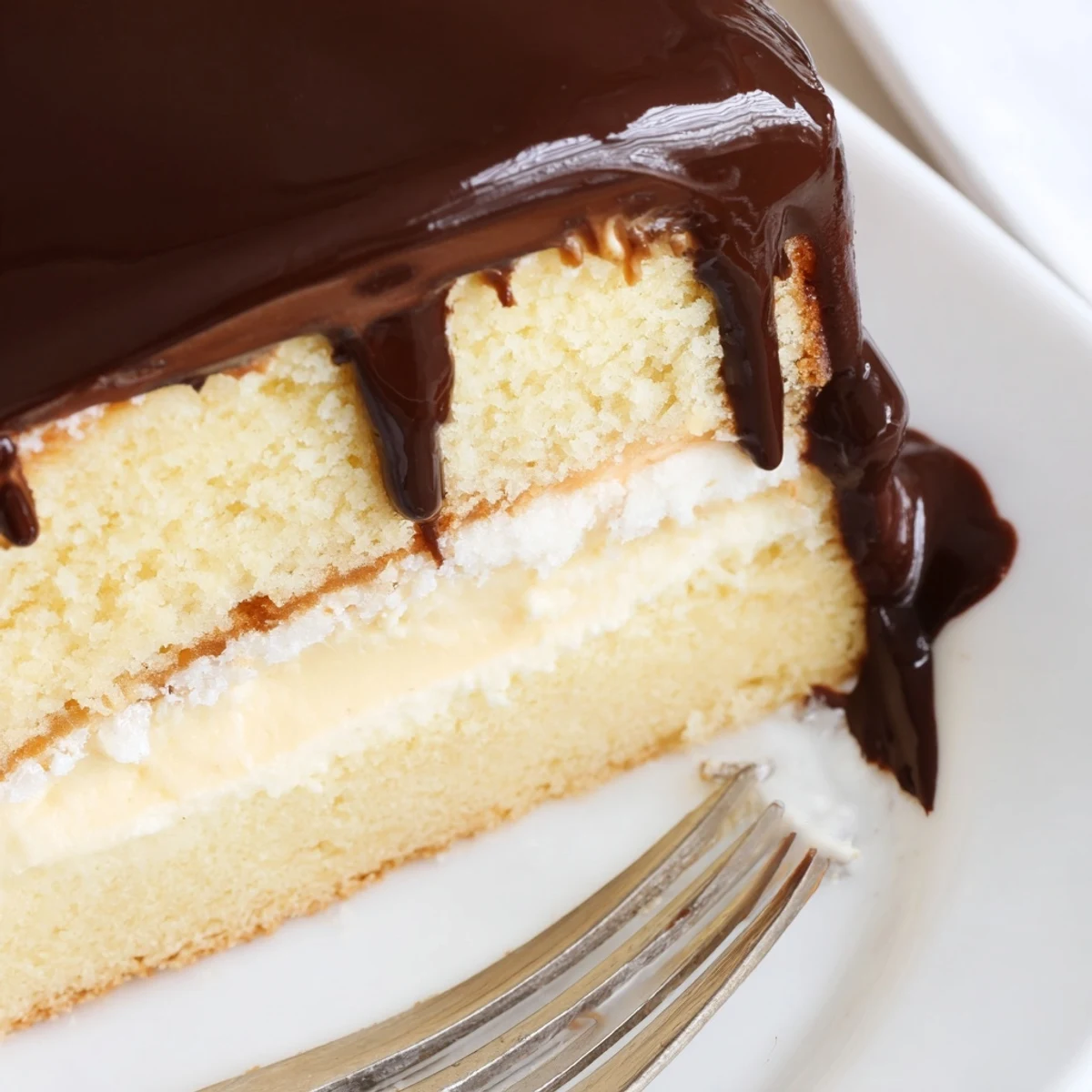
Save This iconic American dessert combines three essential elements: a light and airy sponge cake, a silky vanilla pastry cream filling, and a glossy chocolate ganache topping. The cake itself is remarkably tender, made by beating eggs and sugar until pale and thick before gently folding in flour and butter.
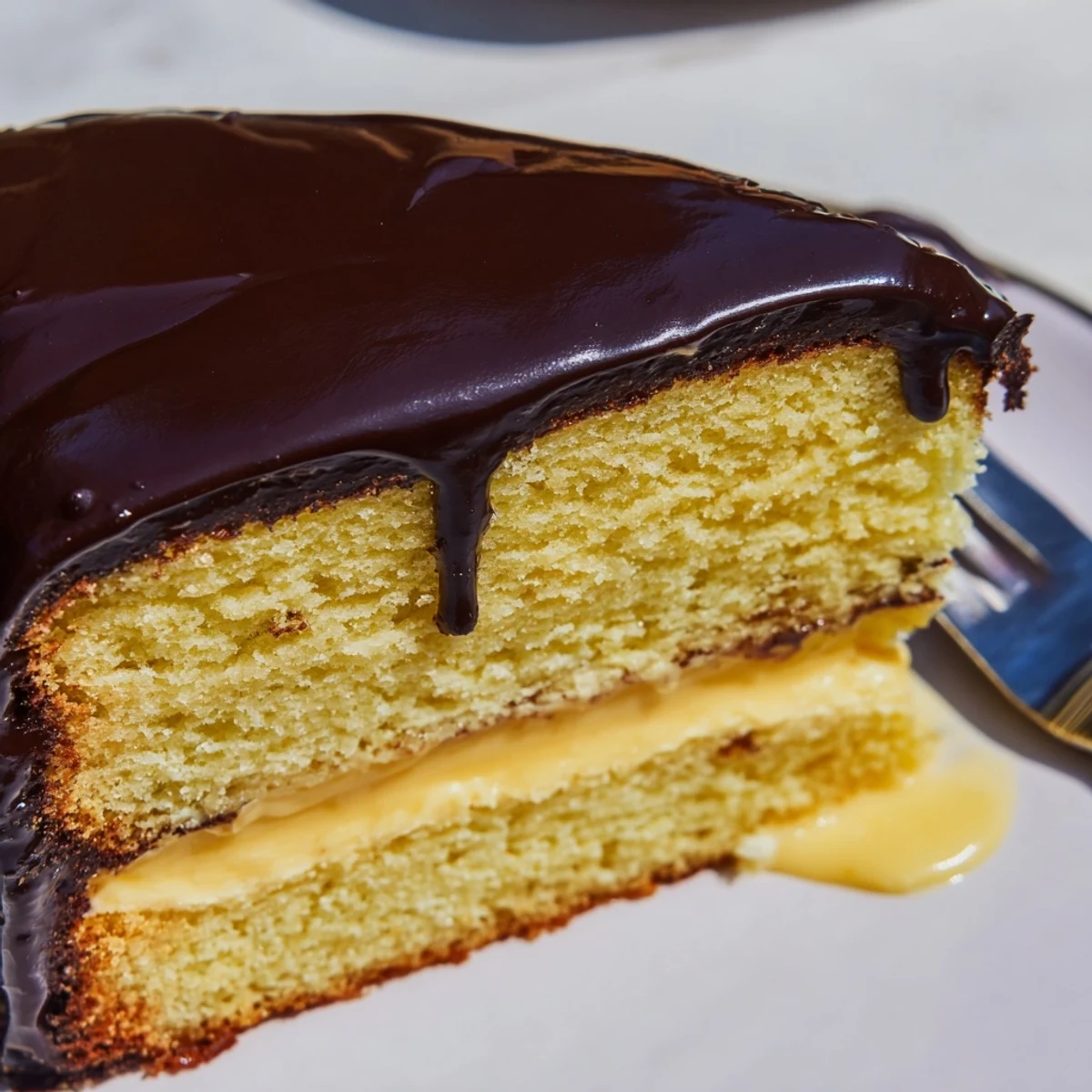
The pastry cream is the heart of this creation—a rich, custard-like filling made by tempering egg yolks with hot milk, then cooking until thick and velvety. Once chilled, it becomes the perfect creamy contrast to the light cake.
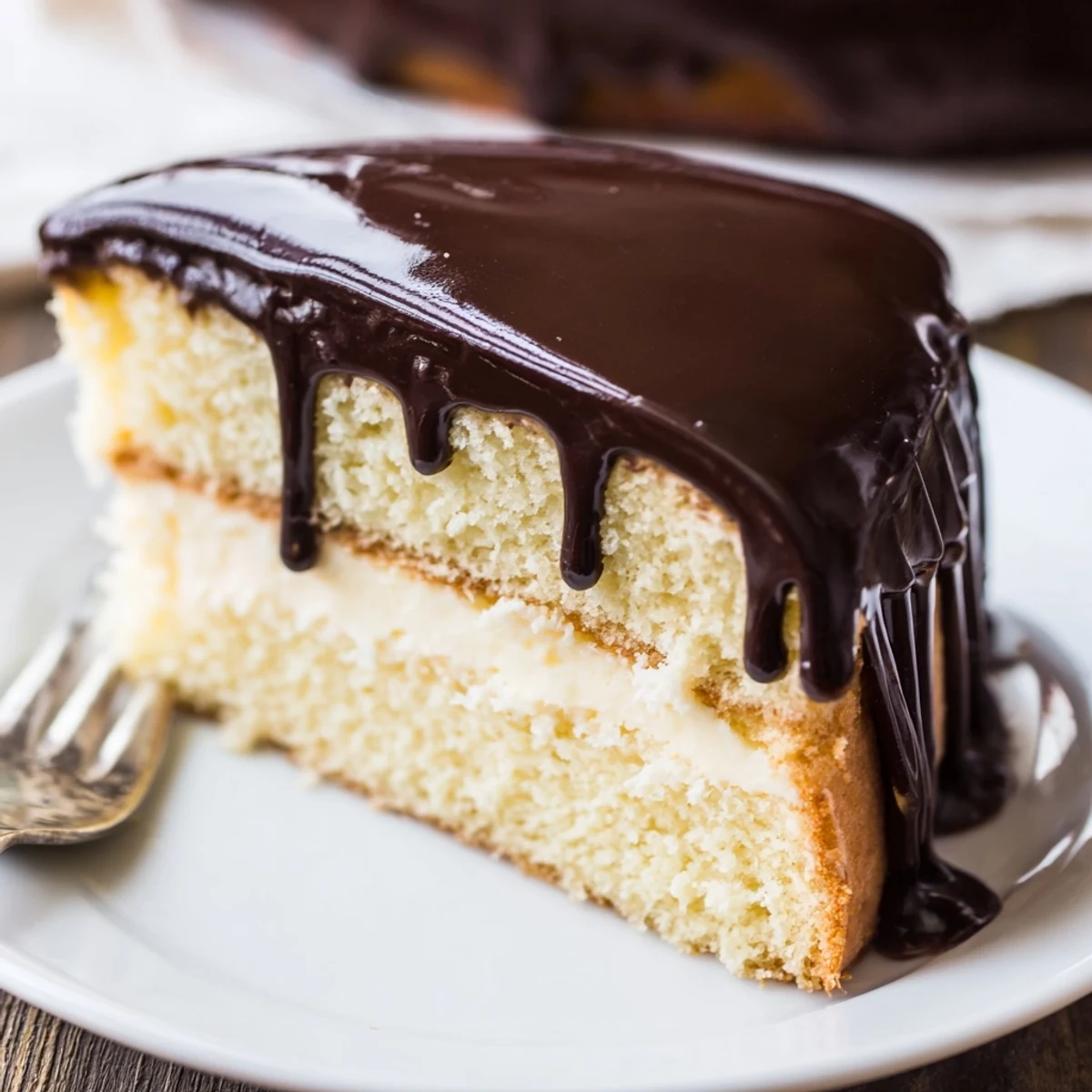
The finishing touch is a warm chocolate ganache poured over the assembled layers, creating that signature drip down the sides. Though called a "pie," this beloved dessert is truly a cake that has graced American tables for generations.
The first time I attempted Boston Cream Pie, I was living in a tiny apartment with an oven that had a mind of its own. The thermometer was broken, so I baked by instinct and prayer, checking the cake every three minutes like an anxious parent. When that glossy chocolate hit the cream and started dripping down the sides in slow motion, I knew all the uncertainty was worth it. My roommate walked in, took one look at the counter, and asked if we were celebrating something I had forgotten.
I made this for my fathers birthday one year, foolishly attempting the pastry cream while carrying on a conversation about his garden. The cream seized up into something that resembled scrambled eggs, and I had to start over while he pretended not to notice me panic whisking at the stove. We ended up eating dessert at 10pm, forks clinking against plates in the yellow kitchen light, and he said it was the best birthday cake he could remember, though I suspect he was just being kind about the second batch.
Ingredients
- All purpose flour (1 cup): The structure of your sponge cake depends on this being measured correctly, spoon it into the cup and level off rather than scooping directly
- Granulated sugar (1 cup for cake, 1/2 cup for pastry cream): Sugar does more than sweeten, it helps the eggs whip into that fluffy pale ribbon that gives the sponge its lift
- Large eggs (4 for cake, 4 yolks for cream): Room temperature eggs will incorporate air much better than cold ones, and separating yolks for the cream while theyre cold is easier anyway
- Whole milk (1/4 cup for cake, 2 cups for cream): The milk in the cake keeps it tender while the pastry cream needs all that liquid for proper thickening
- Unsalted butter (1/4 cup melted for cake, 2 tbsp for cream, 1 tbsp for ganache): Melted butter folds into the batter more easily than softened, and room temperature butter blends into the finished pastry cream without lumps
- Baking powder (1 1/2 tsp) and salt (1/4 tsp): The lift and the balance, neither can do its job properly without the other
- Vanilla extract (1 tsp for cake, 1 tsp for cream): Use the real stuff here, imitation vanilla disappears behind all that chocolate and cream
- Cornstarch (1/4 cup): This is what transforms sweetened milk into proper pastry cream that holds its shape between the cake layers
- Semisweet or bittersweet chocolate (4 oz): The ganache needs chocolate with enough backbone to stand up to the sweet cream underneath
- Heavy cream (1/2 cup): Just enough to carry the chocolate into a pourable consistency that sets up beautifully on the cake
Instructions
- Get your cake pans ready and oven heating:
- Preheat your oven to 350°F and grease two 8 inch round cake pans thoroughly, dusting them with flour or lining with parchment paper so you can breathe easy when it is time to turn them out.
- Whisk your dry ingredients together:
- Sift the flour, baking powder, and salt into a bowl, using a whisk to combine them evenly so you do not overmix the flour later trying to distribute the leavening.
- Whip the eggs and sugar into a ribbon:
- Beat the eggs and cup of sugar with an electric mixer for about 5 minutes until the mixture is pale, thick, and falls from the beaters in a slow dissolving ribbon that holds its shape for a moment on the surface.
- Fold in the flour mixture gently:
- Sprinkle about a third of the dry ingredients over the egg mixture and fold with a spatula until barely incorporated, then repeat twice more until all the flour disappears.
- Add the milk and butter:
- Whisk the milk and melted butter together, then pour over the batter and fold until smooth, taking care not to deflate all the air you just whipped into those eggs.
- Bake until golden and springy:
- Divide the batter between your prepared pans and bake for 22 to 25 minutes until the tops are golden and a toothpick comes out clean, then cool in the pans for 10 minutes before turning them onto racks.
- Start the pastry cream base:
- Heat the 2 cups of milk in a saucepan until it is just simmering with small bubbles around the edges, while whisking the yolks, sugar, cornstarch, and pinch of salt in a separate bowl until smooth.
- Temper the yolks and thicken the cream:
- Slowly pour the hot milk into the yolks while whisking constantly, then return everything to the saucepan and cook over medium heat, whisking constantly, until thickened and bubbling for about 2 minutes.
- Cool the pastry cream properly:
- Remove from heat and whisk in the butter and vanilla, then press plastic wrap directly onto the surface of the cream to prevent a skin from forming and refrigerate until completely cold.
- Make the chocolate ganache:
- Place the chopped chocolate and tablespoon of butter in a heatproof bowl, heat the cream to a simmer, then pour it over and let sit for 2 minutes before stirring until smooth and glossy.
- Assemble your masterpiece:
- Place one cooled cake layer on your serving plate, spread the cold pastry cream evenly over the top, add the second cake layer, then pour the ganache over the top and let it drip down the sides before chilling for at least an hour.
 Save
Save There is something deeply satisfying about a dessert that looks like it came from a bakery window but came out of your own kitchen. My neighbor knocked on the door the day I made this one, asking if everything was alright because she had smelled something burning earlier, which turned out to be unrelated, but she stayed for cake anyway and left with the recipe scribbled on the back of an envelope.
Getting That Perfect Sponge Texture
The difference between a cake that floats and one that flops comes down to how you treat those eggs. Whip them until they are pale and thick, almost like marshmallow fluff, and when you fold in the flour use a light hand, imagining you are folding a letter rather than mixing a pancake batter. I have learned the hard way that aggressive folding at this stage turns a potential cloud into something resembling a sweet kitchen sponge.
Mastering the Pastry Cream
Pastry cream seems intimidating until you have done it once, and then you realize it is mostly patience and constant motion. The tempering step, where you slowly add hot milk to yolks, exists purely to prevent you from making sweet scrambled eggs, which I have done and can confirm is disappointing in ways that are hard to articulate to people expecting dessert.
Assembly Timing
The assembly needs to happen with some intention because once that ganache hits the cream, you are committed. Have your serving plate ready, your first cake layer centered, and your pastry cream spread evenly before you pour the chocolate. Work with confidence but not haste, letting the ganache find its own way down the sides rather than trying to coax it with a spatula.
- The cake needs at least an hour in the refrigerator to set before slicing or the layers will slide apart when you cut
- Use a hot knife dipped in water and wiped dry between slices for the cleanest edges
- This cake actually improves after sitting overnight, as the flavors meld and the cream softens the cake slightly
 Save
Save Some desserts are for special occasions, but this is the kind of cake that makes an ordinary Tuesday feel like something worth celebrating. There is profound comfort in having something this beautiful and delicious waiting in your refrigerator.
Recipe FAQs
- → Why is it called a pie when it's a cake?
-
Boston cream pie earned its name in the 19th century when cake pans were less common, and many people baked cakes in pie tins. The name stuck even though it's technically a layered sponge cake filled with pastry cream and topped with chocolate ganache.
- → Can I make Boston cream pie ahead of time?
-
Yes, you can prepare the sponge cake layers up to 2 days in advance, wrapped tightly at room temperature. The pastry cream can be made 1-2 days ahead and kept refrigerated. However, assemble the dessert no more than 4-6 hours before serving to prevent the cake from becoming soggy.
- → How do I know when the pastry cream is thick enough?
-
The pastry cream is ready when it reaches 190-200°F and large bubbles begin to break through the surface while whisking. It should coat the back of a spoon and hold a line when you run your finger through it. Continue whisking during cooking to prevent lumps and ensure a smooth texture.
- → What's the best way to slice Boston cream pie cleanly?
-
For clean slices, chill the assembled dessert for at least 2 hours before cutting. Use a sharp, thin-bladed knife dipped in hot water and wiped clean between each cut. Warming the knife helps glide through the chocolate ganache and cream filling without dragging.
- → Can I use milk chocolate instead of semisweet for the ganache?
-
While you can use milk chocolate, the ganache will be significantly sweeter and softer. Semisweet or bittersweet chocolate provides the necessary sweetness balance to complement the vanilla cream. If using milk chocolate, consider reducing the sugar in the pastry cream slightly or adding a pinch of salt to the ganache.