
 Save
Save Start by preheating the oven to 350°F and preparing pans. Whisk together flour, baking powder, baking soda and spices. Beat eggs with granulated and brown sugar, then add oil and vanilla. Fold in grated carrots and optional nuts or pineapple. Bake 35–40 minutes until a skewer comes out clean; cool completely. For the frosting, beat cream cheese and butter until fluffy, add powdered sugar and vanilla until smooth, then spread between layers and over the cake. Chill to set and bring to room temperature before serving.
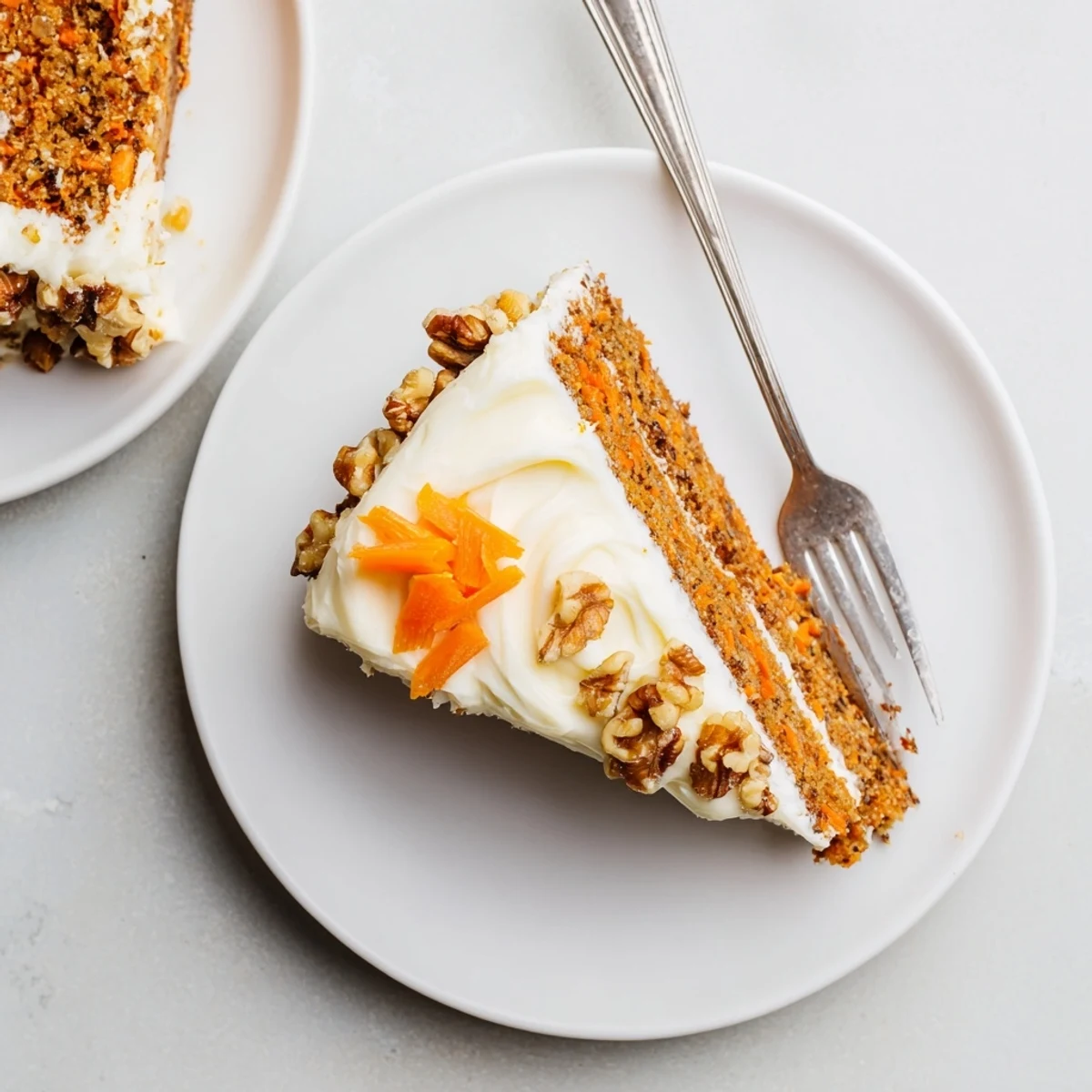
The rain was hammering against the kitchen window the afternoon my neighbor walked over carrying a cake plate wrapped in foil. She set it on my counter, peeled back the cover, and there it was: a two layer carrot cake with cream cheese frosting so thick it was practically a third layer. One bite and I was done for, hooked on the way the cinnamon curled through each moist crumb.
I made this for my daughters birthday last spring and she promptly told me it was better than any bakery cake she ever had, which is either a glowing compliment or proof she needs to visit better bakeries.
Ingredients
- All-purpose flour (2 cups, 250 g): Spoon and level it rather than scooping straight from the bag to avoid a dense cake.
- Baking powder and baking soda (2 tsp and 1.5 tsp): Both leavening agents work together here, and the soda reacts with the slight acidity from the pineapple.
- Ground cinnamon and nutmeg (1 tsp and 0.5 tsp): Freshly grated nutmeg if you have it, the pre ground stuff tastes like cardboard after a few months.
- Salt (0.5 tsp): Do not skip this, it is what makes the spices pop instead of taste flat.
- Large eggs, room temperature (3): Cold eggs can seize the oil into ugly little lumps, so pull them out thirty minutes ahead.
- Granulated sugar (1 cup, 200 g) and light brown sugar (0.5 cup, 100 g, packed): Brown sugar adds depth and a faint caramel note that white sugar alone cannot manage.
- Vegetable oil (1 cup, 240 ml): Oil keeps this cake softer than butter ever would, and it stays tender even after days in the fridge.
- Vanilla extract (2 tsp for cake, 1 tsp for frosting): Use the real stuff, imitation vanilla has a harsh edge that the cream cheese frosting will not hide.
- Grated carrots (2 cups, 220 g): Grate them on the fine holes of your box grater so they nearly melt into the batter.
- Chopped walnuts or pecans (0.5 cup, 60 g, optional): Toast them lightly in a dry pan first and you will wonder why you ever used raw nuts.
- Crushed pineapple, well drained (0.5 cup, 80 g, optional): Squeeze it in your fist until nothing more comes out, excess moisture is the enemy of a good crumb.
- Cream cheese, softened (8 oz, 225 g): Full fat brick style, not the spreadable tub kind which contains too much air and water.
- Unsalted butter, softened (4 oz, 115 g): Both the butter and cream cheese need to be truly soft or your frosting will have ugly little flecks.
- Powdered sugar, sifted (2 to 2.5 cups, 240 to 300 g): Start with less and add more until the sweetness level and spreadable consistency feel right to you.
- Salt for frosting (pinch): A tiny pinch in the frosting balances the sugar so it never tastes cloying.
Instructions
- Preheat and prepare your pans:
- Heat your oven to 350 degrees F (175 degrees C). Grease two 8 inch round cake pans with oil or butter, then dust them with flour, tapping out the excess.
- Whisk the dry ingredients together:
- In a medium bowl, combine the flour, baking powder, baking soda, cinnamon, nutmeg, and salt with a whisk until evenly blended.
- Beat the wet ingredients until smooth:
- In a large bowl, beat the eggs and both sugars until no gritty sugar patches remain. Pour in the oil and vanilla, then mix until everything looks silky and unified.
- Combine wet and dry gently:
- Add the dry mixture to the wet in three additions, folding with a spatula after each one. Stop mixing the instant you no longer see dry flour streaks.
- Fold in the good stuff:
- Stir in the grated carrots, nuts, and drained pineapple with a few gentle turns so you do not deflate the batter.
- Bake until golden and set:
- Pour the batter into your prepared pans and smooth the tops. Bake 35 to 40 minutes until a toothpick poked into the center slides out clean, then cool completely in the pans on a rack.
- Make the cream cheese frosting:
- Beat the softened cream cheese and butter together until light and fluffy. Add the powdered sugar gradually, then the vanilla and pinch of salt, beating until the frosting is silky smooth.
- Assemble and frost the cake:
- If making layers, place one cake on a plate, spread frosting over the top, and set the second layer on top. Cover the entire cake with the remaining frosting, working with smooth, confident strokes.
 Save
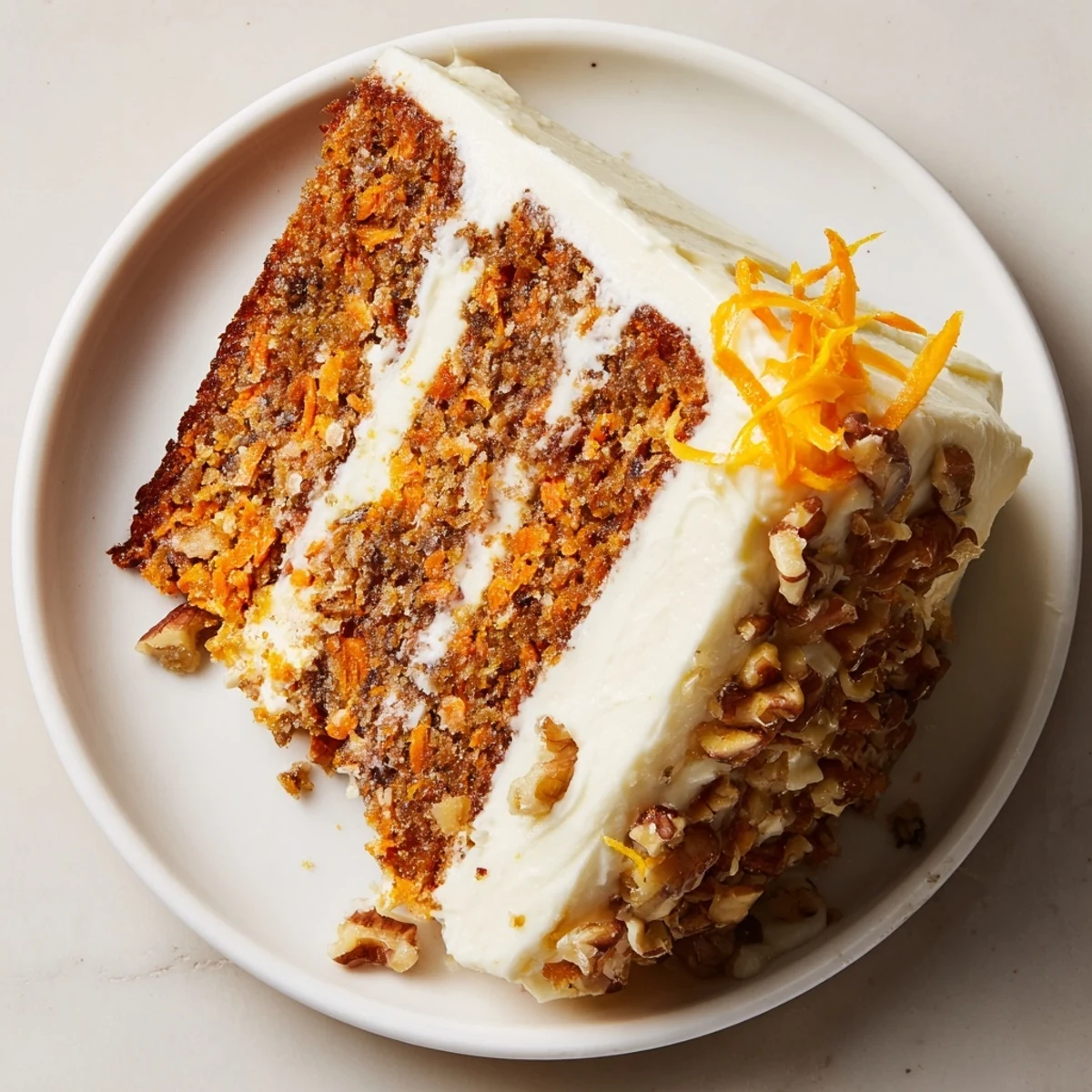
Save There is something about the smell of cinnamon and carrots caramelizing in the oven that makes a house feel like home, even a rented one with ugly countertops.
Getting the Texture Right
The difference between a good carrot cake and a great one is entirely about how you handle the batter. Overmix once the flour goes in and you develop gluten strands that make the crumb tight and chewy instead of tender. Fold gently, accept a few small lumps, and trust the oven to do the rest.
Making It Your Own
I have thrown in a handful of raisins, toasted coconut, even a pinch of ground ginger when I wanted the spice to hit a little harder. The recipe forgives almost anything as long as you keep the wet to dry ratio roughly intact.
Storing and Serving
This cake actually tastes better on the second day when the flavors have had time to mingle and settle into something deeper. Keep it covered in the fridge and pull it out about thirty minutes before you plan to serve it so the frosting softens back to a creamy consistency.
- A sharp knife run under hot water makes clean, bakery style slices.
- It pairs beautifully with black coffee or a glass of dessert wine.
- This cake will keep well for up to four days refrigerated, if it lasts that long.
 Save
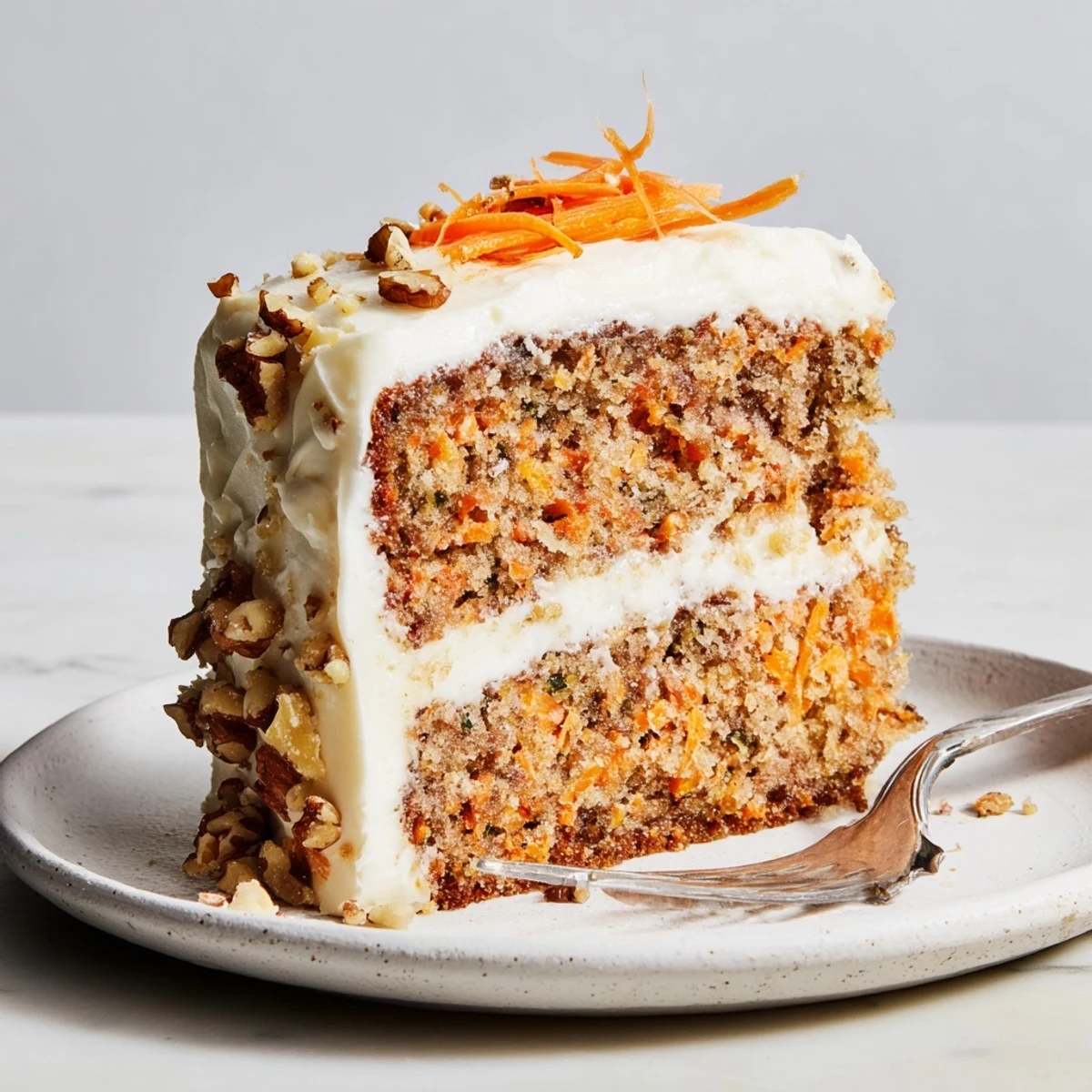
Save Every time I make this cake I think of that rainy afternoon and my neighbor with her foil wrapped plate, and I smile knowing I am passing the same warmth along to someone else.
Recipe FAQs
- → How do I keep the cake moist?
-
Use oil rather than butter for a tender crumb, avoid overmixing the batter, and remove the cake as soon as a skewer comes out clean. Brushing with a simple syrup after baking adds extra moisture.
- → Can I substitute whole wheat flour?
-
Yes, but swap no more than half the all-purpose flour with whole wheat to prevent a dense crumb. You may need a touch more liquid and a slightly longer beat time for even incorporation.
- → How do I prevent the frosting from sliding off?
-
Chill the cooled layers briefly before frosting so they’re firmer. Apply a thin crumb coat first, chill to set, then add the final layer. Slightly thicker frosting holds better on warm cakes.
- → What pan options work and how do bake times change?
-
Two 8-inch rounds or one 9x13-inch pan are ideal. Rounds typically bake 35–40 minutes; a 9x13 may need 40–50 minutes. Use the skewer test for doneness and rotate pans if your oven has hot spots.
- → Can I freeze the cake or layers?
-
Yes. Freeze unfrosted, fully cooled layers wrapped tightly in plastic and foil for up to 2 months. Thaw overnight in the fridge, bring to room temperature, then frost and serve.
- → What are good nut or add-in swaps for allergies?
-
Omit tree nuts and use toasted sunflower or pumpkin seeds for crunch. Coconut or raisins add texture and sweetness if pineapple or nuts are not desired.