 Save
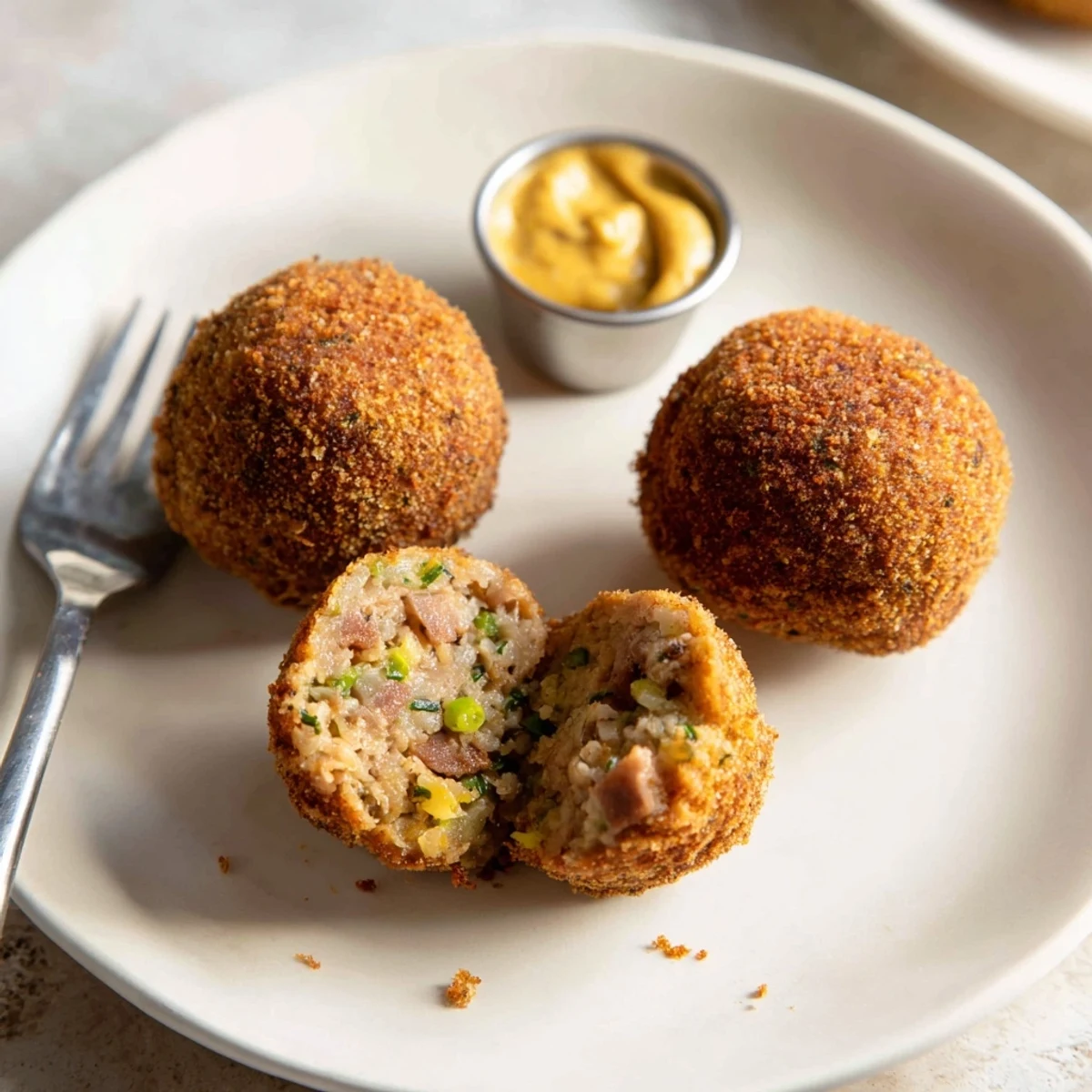
Save Mix casings-removed Cajun boudin with chopped green onions, garlic and parsley. Scoop 2-tablespoon portions and shape into compact balls. Dredge in flour, dip in beaten egg, then coat with breadcrumbs or panko. Heat oil to 350°F (175°C) and fry in batches 3–4 minutes until golden and crisp. Drain and serve hot with Creole mustard or remoulade; balls can be formed ahead and chilled before frying.
My neighbor Earl brought a cooler full of boudin back from a road trip through Lafayette and tossed a link over the fence saying I would figure out something good to do with it. Three hours later I was standing in my kitchen covered in breadcrumbs, oil popping against the wall behind the stove, and eating the best thing I had made all month. That afternoon birthed an obsession with boudin balls that has only deepened over the years.
I made sixty of these for a backyard crawfish boil and watched a full tray vanish before the first pot of water even came to a boil. My buddy Marcus stood guard over the last five, daring anyone to get near them with his tongs raised like a weapon.
Ingredients
- Boudin sausage, 1 lb (450 g), casings removed: The soul of the dish, so buy the best you can find from a real Cajun supplier if possible.
- Green onions, 2, finely chopped: They add a fresh bite that cuts through the richness of the pork.
- Garlic, 2 cloves, minced: Fresh garlic makes a difference here, do not reach for the jarred kind.
- Parsley, 1/4 cup (30 g), finely chopped: Brings color and a subtle brightness to the filling.
- All-purpose flour, 1 cup (130 g): Your first stop in the breading station for a dry base that helps the egg adhere.
- Large eggs, 2, beaten: The glue that holds everything together in the coating process.
- Breadcrumbs, 1 1/2 cups (90 g), plain or panko: Panko gives you a shaggier, louder crunch if that is what you are after.
- Vegetable oil, for deep frying: You need enough to submerge the balls, roughly three inches deep in your pot.
- Creole mustard or remoulade sauce, for serving: A tangy dip balances the fried richness beautifully.
Instructions
- Build the filling:
- Crumble the boudin out of its casing into a large bowl and add the green onions, garlic, and parsley. Get your hands in there and mix until every bit is evenly combined and the mixture holds together when squeezed.
- Shape the balls:
- Scoop roughly two tablespoons of filling and roll it between your palms into a tight, compact ball. Lay each one on a parchment lined tray as you go and try to keep them uniform so they fry evenly.
- Set up the breading station:
- Arrange three shallow bowls in a row containing flour, beaten eggs, and breadcrumbs respectively. This assembly line keeps your hands from turning into battered messes halfway through.
- Coat each ball:
- Roll a ball through the flour first, shake off the excess, dunk it in egg, then bury it in breadcrumbs and press gently to coat. Set the coated balls back on the tray and let them rest a few minutes so the breading adheres.
- Fry until golden:
- Heat your oil to 350 degrees Fahrenheit in a deep fryer or heavy pot and slide the balls in carefully, working in batches of five or six. Fry for three to four minutes until the outside is a deep amber and the filling is heated through.
- Drain and serve:
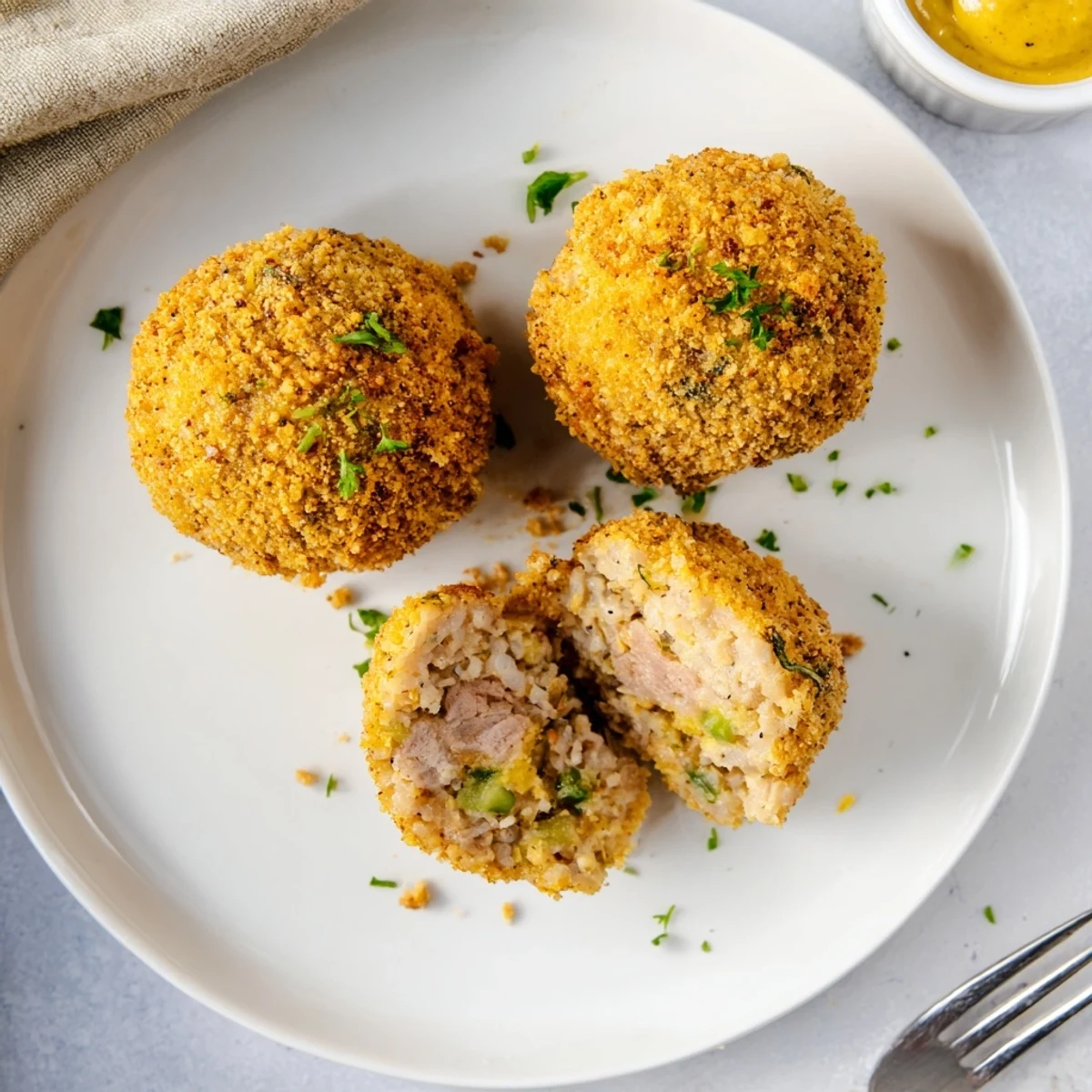
- Lift the balls out with a slotted spoon or spider and let them rest on paper towels to shed excess oil. Serve them hot alongside Creole mustard or remoulade and watch your guests lose their minds.
 Save
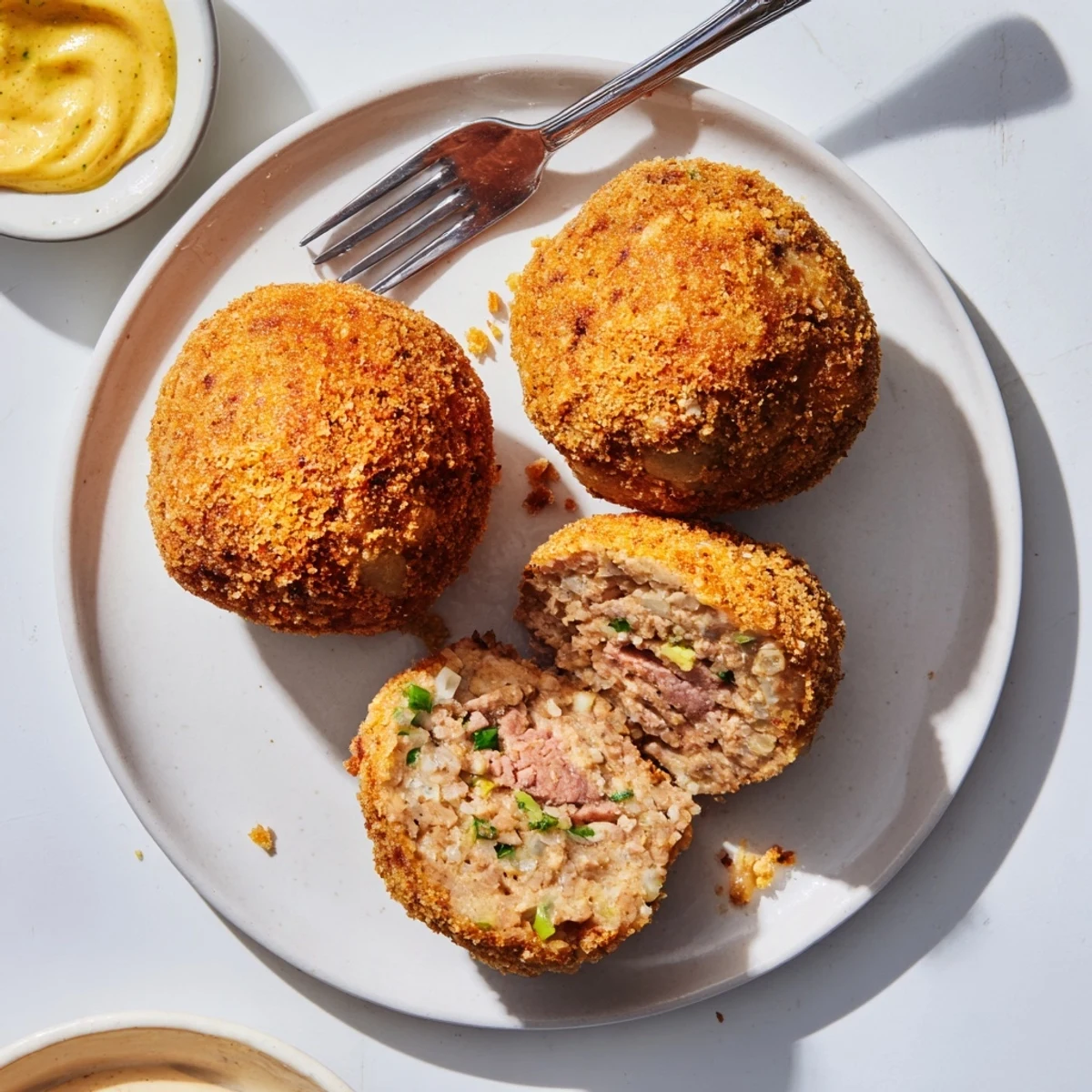
Save There is something about standing over a hot pot of oil, flipping golden balls onto paper towels while your friends hover like seagulls, that turns cooking into pure communal joy.
Getting Ahead of the Rush
You can shape and bread these a full day before your gathering and keep them covered in the refrigerator. This little bit of planning means you get to actually enjoy your own party instead of being chained to the stove while everyone else is laughing in the other room.
The Heat Factor
Some boudin links carry more spice than others, so taste your filling before you shape it. If you want to push things further, a pinch of cayenne folded into the mix will let people know you mean business.
What to Serve Alongside
These are rich and heavy on their own, so pair them with something sharp or fresh to balance the plate. A simple dressed green salad or pickled vegetables work wonders.
- A squeeze of lemon over the hot balls right out of the oil wakes everything up.
- Cold beer is not optional, it is mandatory for the full experience.
- Make more than you think you need because you will absolutely run out.
 Save
Save Every time I make these I think of Earl and that boudin flying over the fence, and I smile knowing one casual gift turned into the most requested recipe in my rotation.
Recipe FAQs
- → What internal temperature should the sausage reach?
-
Aim for an internal temperature of 160°F (71°C) for pork sausage to ensure it’s cooked through. Frying until the exterior is golden and the center feels firm usually indicates doneness.
- → Can I use panko instead of regular breadcrumbs?
-
Yes. Panko gives a lighter, crunchier crust and helps the balls stay crisp longer. Regular breadcrumbs yield a denser coating but still crisp nicely when fried.
- → How can I add more heat to the filling?
-
Stir in cayenne, chopped jalapeño, or hot sauce to taste. Smoked paprika or a pinch of chipotle powder also layers in smoky heat without altering texture.
- → Can the boudin balls be prepared ahead of time?
-
Yes. Form and bread the balls, then refrigerate on a tray for up to 24 hours before frying. For longer storage, freeze on a tray, then transfer to a bag and deep-fry from frozen, adding a minute or two to the cook time.
- → What’s the best oil and temperature for frying?
-
Use a neutral oil with a high smoke point, such as vegetable or peanut oil. Maintain 350°F (175°C) for even cooking and a golden, non-greasy crust; fry in small batches to keep the temperature steady.
- → How should leftovers be reheated to keep them crisp?
-
Reheat in a 350°F (175°C) oven or an air fryer for a few minutes until hot and crisp. Avoid microwaving, which softens the coating.