
 Save
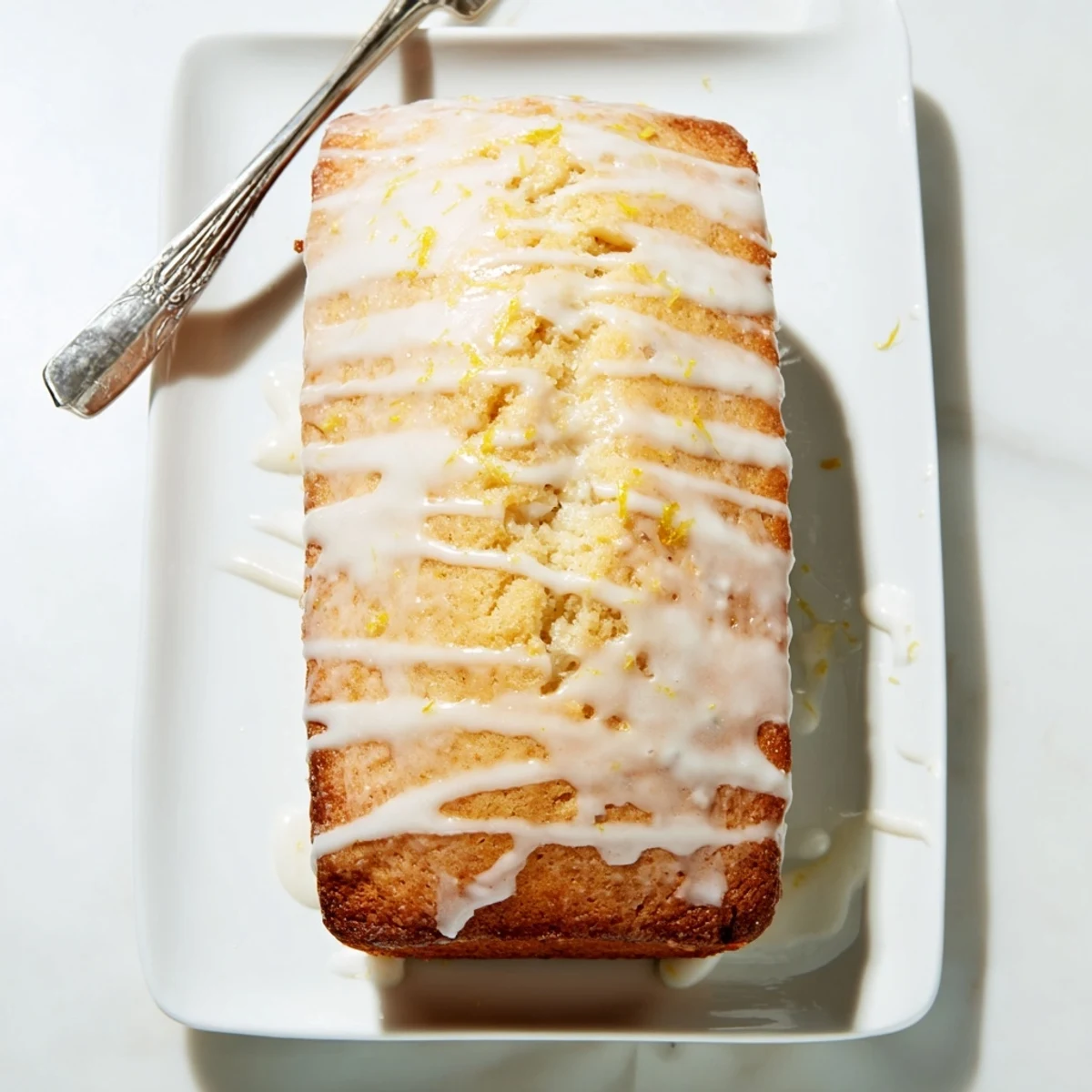
Save This bright lemon loaf delivers exceptional moisture and vibrant citrus flavor through a clever technique of rubbing fresh lemon zest into sugar before creaming with butter. The result is a tender, aromatic crumb that's perfectly balanced by a tangy powdered sugar glaze. The straightforward method comes together quickly and bakes into an impressive 9x5-inch loaf that slices beautifully for serving.
My grandmother used to say that lemons were sunshine you could hold in your hand. Last spring, when my garden lemon tree finally produced after three years of stubborn silence, I made this loaf to celebrate. The whole house filled with that bright, citrus perfume that somehow makes everything feel lighter. My neighbor actually knocked on the door to ask what I was baking.
I brought this to a book club meeting last month when it was raining and gray outside. Everyone stopped mid-conversation when I set it on the table, that crackling glaze catching the lamp light. By the time we reached our third cup of tea, the loaf was gone and someone was already asking for the recipe. Now its the first thing they request when I host.
Ingredients
- All-purpose flour: The foundation that gives this loaf its tender crumb without becoming heavy or dense
- Baking powder and soda: Work together to create that beautiful rise and light texture
- Salt: Just enough to make all those bright lemon flavors really sing
- Granulated sugar: Rubbing the zest into the sugar releases all those fragrant citrus oils
- Lemon zest: Use a microplane to get just the yellow part, avoiding the bitter pith
- Unsalted butter: Room temperature butter creams perfectly into the sugar for a smooth batter
- Eggs: Room temperature eggs incorporate better and help the loaf rise evenly
- Whole milk: Adds richness and keeps the crumb moist and tender
- Freshly squeezed lemon juice: Fresh is nonnegotiable here for that vibrant, acidic brightness
- Pure vanilla extract: Rounds out the sharp citrus with warm, comforting notes
- Powdered sugar: Creates that gorgeous, pourable glaze that sets into a sweet crust
Instructions
- Preheat and prep your pan:
- Preheat your oven to 350°F and generously grease a 9x5-inch loaf pan, lining it with parchment paper for easy removal later
- Whisk the dry ingredients:
- In a medium bowl, whisk together the flour, baking powder, baking soda, and salt until well combined
- Infuse the sugar:
- Combine the sugar and lemon zest in a large bowl, using your fingers to rub them together until the sugar smells incredibly fragrant and looks slightly damp
- Cream the butter:
- Add the softened butter to the lemon sugar and beat with an electric mixer until the mixture is light and fluffy, about 2 to 3 minutes
- Add the eggs:
- Beat in the eggs one at a time, making sure each egg is fully incorporated before adding the next
- Mix in the flavor:
- Stir in the vanilla extract and lemon juice until everything is evenly combined
- Combine wet and dry:
- Add half the dry ingredients, mix gently, then pour in the milk before adding the remaining flour, mixing just until combined
- Bake to golden:
- Pour the batter into your prepared pan, smooth the top, and bake for 45 to 50 minutes until a toothpick comes out clean
- Cool completely:
- Let the loaf rest in the pan for 10 minutes before transferring to a wire rack to cool completely
- Make the glaze:
- Whisk the powdered sugar with enough lemon juice to create a thick but pourable consistency
- Glaze and serve:
- Drizzle the glaze over the cooled loaf and let it set before slicing into beautiful, sunshine-filled pieces
 Save
Save My sister called me yesterday from three states away, saying she had a terrible day and needed something that tasted like comfort. I told her to make this loaf, and an hour later she texted a photo of an empty plate with just a few crumbs remaining. That is what this recipe does.
The Secret to Maximum Lemon Flavor
That step where you rub the zest into the sugar is not just for fun. The abrasion of the sugar crystals against the zest releases all those essential citrus oils, infusing every single grain of sugar with lemon perfume. When you cream this lemon sugar into the butter, those oils distribute evenly throughout the entire batter. It is the difference between a cake that tastes like lemon and one that tastes like lemon essence.
Getting the Glaze Just Right
The glaze consistency matters more than you might think. Too thick and it sits on top like a heavy blanket, too thin and it runs right off the sides. You want it thick enough to hold its shape when you drizzle but thin enough to spread slowly down the loaf. I always start with two tablespoons of lemon juice and add the third only if needed. The glaze should fall from the whisk in a slow, steady stream.
Making This Your Own
This loaf is wonderfully adaptable depending on your mood or the season. Try poppy seeds folded into the batter for a classic lemon poppy seed variation. Swap the vanilla for almond extract for a more complex flavor profile. Add fresh blueberries in the summer for a lemon blueberry version that screams of sunshine. A tablespoon of lavender buds makes it feel elegant and tea-party worthy.
- Brush the warm loaf with simple syrup for extra moisture
- Toast thin slices and top with butter for breakfast
- Wrap individual slices and freeze for easy treats
 Save
Save There is something about a lemon loaf that feels like a hug in food form. Bright enough to wake you up, sweet enough to comfort you, perfect for any moment that needs a little sunshine.
Recipe FAQs
- → How do I know when the lemon loaf is fully baked?
-
Insert a toothpick into the center of the loaf. If it comes out clean or with just a few moist crumbs, it's done. The top should be golden brown and spring back lightly when touched.
- → Can I make this lemon loaf ahead of time?
-
Yes, the loaf tastes even better the next day as flavors develop. Store in an airtight container at room temperature for up to 3 days. You can also freeze the unglazed loaf for up to 3 months.
- → What's the purpose of rubbing lemon zest into sugar?
-
This technique releases the essential oils from the lemon zest, infusing the sugar with intense citrus flavor throughout the entire batter rather than having zest pockets. It creates a more consistent lemon taste.
- → Can I use bottled lemon juice instead of fresh?
-
Fresh lemon juice is strongly recommended as it provides the bright, authentic citrus flavor that bottled versions lack. The zest also contributes significantly to the overall lemon profile.
- → Why did my loaf sink in the middle?
-
This usually happens from underbaking or opening the oven door too early. Ensure your oven is properly preheated and avoid checking before the minimum baking time. A toothpick test is the most reliable indicator.
- → Can I substitute buttermilk for whole milk?
-
Yes, buttermilk works wonderfully and adds extra tang. You may want to slightly reduce the lemon juice in the batter to balance the increased acidity. The texture will be equally tender.