
 Save
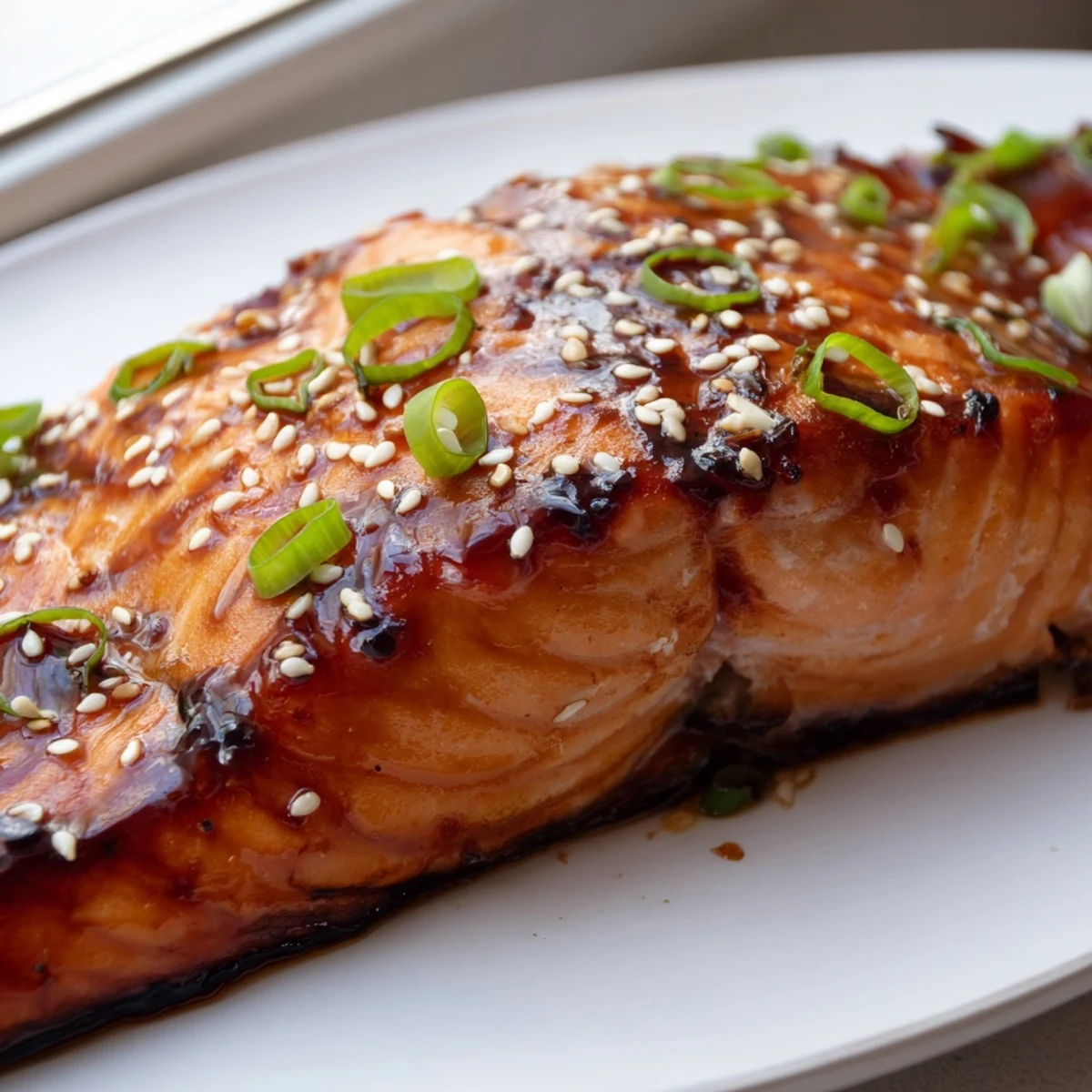
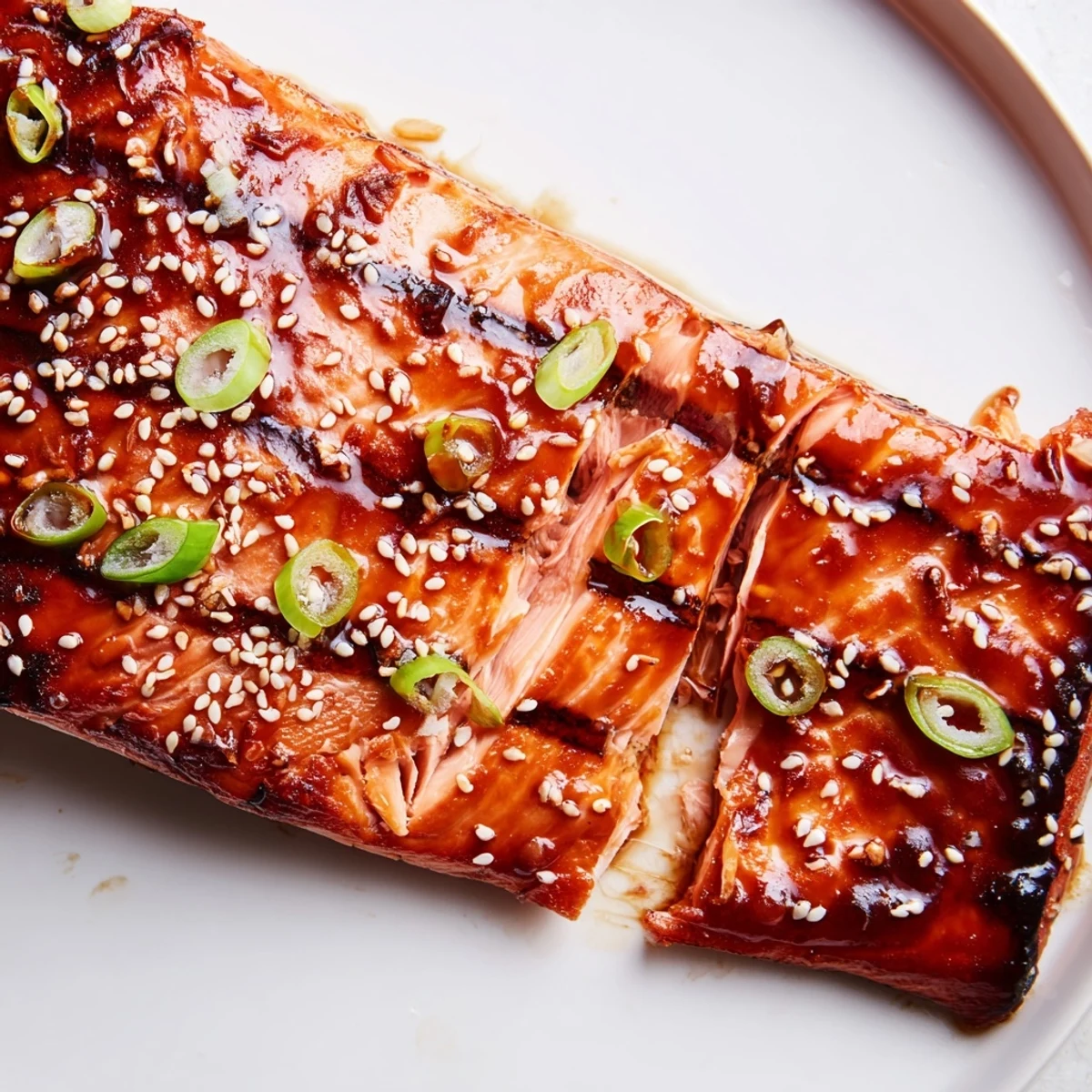
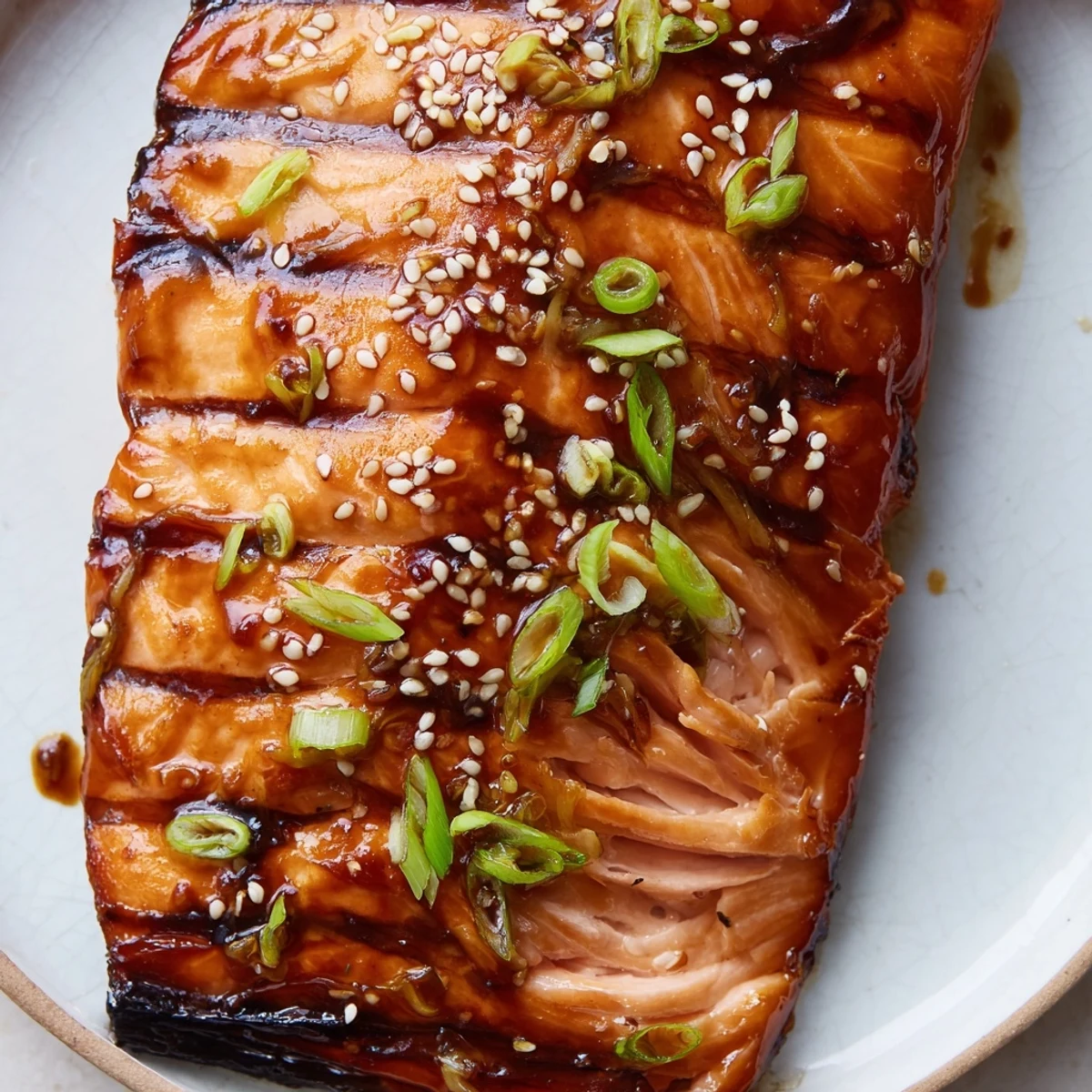
Save This baked Asian salmon brings together a rich, savory-sweet glaze made from soy sauce, honey, sesame oil, fresh ginger, and garlic. The salmon fillets absorb the marinade for 10 minutes, then bake at 200°C for 15-18 minutes until perfectly flaky and tender.
It's an easy, weeknight-friendly dish that serves four and pairs beautifully with steamed jasmine rice and sautéed vegetables. Naturally gluten-free when using tamari or gluten-free soy sauce, and completely dairy-free.
Finish with a sprinkle of toasted sesame seeds and sliced green onions for a restaurant-quality meal at home.
The smell of sesame oil hitting a hot pan is one of those scents that instantly pulls me into a kitchen, even if I was barely paying attention a moment before. One Tuesday evening, standing in front of an open fridge with nothing planned, I spotted a lonely salmon fillet and a half squeezed bottle of soy sauce, and dinner suddenly wrote itself. That impromptu glaze became a weekly staple I never bothered writing down until a friend begged me to. Now it is the dish I make when I want something impressive without spending more than thirty minutes on my feet.
I once made this for my neighbor who stopped by to return a borrowed casserole dish, and she ended up sitting at my kitchen counter eating off the baking tray with a pair of chopsticks. We laughed about how neither of us owned proper serving platters, and honestly the tray looked better than any plate would have.
Ingredients
- 4 salmon fillets (about 170 g each): Skin on gives you a crispy bottom if you sear first, but skinless bakes beautifully and saves you a step entirely.
- 60 ml soy sauce: This is the salty backbone of the glaze, so use one you actually enjoy tasting on its own.
- 2 tbsp honey or maple syrup: The sweetness balances the soy and helps that caramelized crust form in the oven.
- 1 tbsp sesame oil: A little goes a long way and it adds the toasty, nutty depth that makes everything taste distinctly Asian.
- 2 tbsp rice vinegar or lime juice: A splash of acid brightens the whole dish and cuts through the richness of the fish.
- 1 tbsp fresh ginger, grated: Fresh ginger is nonnegotiable here, the powdered stuff will not give you the same warm zing.
- 2 cloves garlic, finely minced: Smash them first with the flat of your knife, then mince, and you will get a smoother paste that distributes evenly.
- 1 tbsp sriracha or chili paste: Totally optional but a gentle heat makes the sweet and salty flavors way more interesting.
- 1 tsp toasted sesame seeds: These are for crunch and visual appeal, and they take two seconds to sprinkle on at the end.
- 2 tbsp green onions, finely sliced: Slice them on a sharp diagonal if you want them to look as good as they taste.
Instructions
- Preheat and prepare:
- Set your oven to 200 degrees C (400 degrees F) and line a baking tray with parchment paper or foil so cleanup is effortless.
- Whisk the glaze:
- In a bowl, combine the soy sauce, honey, sesame oil, rice vinegar, ginger, garlic, and sriracha, and whisk until the honey dissolves and everything looks glossy and unified.
- Coat the salmon:
- Lay the fillets on your prepared tray and spoon the marinade over them generously, saving a small amount to drizzle on after they come out of the oven.
- Let it rest briefly:
- Give the salmon about 10 minutes at room temperature to soak up the flavors if you have the time, it makes a real difference.
- Bake until perfect:
- Slide the tray into the oven and bake for 15 to 18 minutes, watching for the moment the salmon flakes easily with a fork and the edges turn golden.
- Finish and garnish:
- Pull the tray out, drizzle with any reserved marinade, and scatter sesame seeds and green onions over the top while everything is still hot and glistening.
- Serve right away:
- Plate immediately alongside steamed rice or sautéed vegetables and watch people lean in for that first bite before you even sit down.
 Save
Save The night I realized this recipe had become a true household staple was when my partner started preheating the oven before even asking what was for dinner.
What to Serve Alongside
Jasmine rice is the obvious choice and it soaks up the extra glaze like a sponge, which is honestly half the reward. Sautéed bok choy with a quick hit of garlic and soy makes it a complete meal, or you could toss together a crunchy Asian slaw with a sesame dressing if you want something fresh and bright on the plate.
Storing and Reheating
Leftover salmon keeps well in an airtight container in the fridge for up to two days, though it rarely lasts that long in my house. Reheat it gently in a low oven or even eat it cold flaked over a salad the next day, which is secretly how I prefer it.
Small Things That Make a Big Difference
After making this dozens of times I have learned that the little choices along the way matter more than strict measurements.
- Pat the salmon dry before glazing so the marinade adheres instead of sliding off wet flesh.
- Use a pastry brush if you have one because it coats more evenly than a spoon ever will.
- Always check your soy sauce label for gluten if that matters to you, or swap it for coconut aminos entirely.
 Save
Save This is the kind of recipe that reminds you weeknight dinners do not need to be complicated to feel special. Keep a few fillets in your freezer and you are never more than half an hour away from something truly satisfying.
Recipe FAQs
- → What temperature should I bake Asian salmon at?
-
Bake the salmon at 200°C (400°F) for 15-18 minutes. The fish is done when it flakes easily with a fork and is just cooked through. For a crispier top, broil for an additional 2 minutes at the end.
- → Can I marinate the salmon ahead of time?
-
Yes, you can marinate the salmon in the fridge for up to 30 minutes for deeper flavor. If marinating longer than that, the acid in the rice vinegar may start to break down the fish texture, so keep it under an hour.
- → What can I substitute for soy sauce?
-
Coconut aminos work as a soy-free alternative with a slightly sweeter profile. For a gluten-free option, use tamari or certified gluten-free soy sauce. Both substitutions maintain the umami richness of the glaze.
- → Should I use skin-on or skinless salmon fillets?
-
Either works well. Skin-on fillets help retain moisture during baking and the skin acts as a natural barrier against the hot pan. If using skinless, watch the cooking time closely to avoid drying out the fish.
- → What side dishes go well with baked Asian salmon?
-
Steamed jasmine rice, sautéed bok choy, or an Asian-inspired slaw are excellent companions. You can also serve it alongside stir-fried vegetables, edamame, or a simple cucumber salad for a complete meal.
- → How do I store and reheat leftovers?
-
Store leftover salmon in an airtight container in the refrigerator for up to 2 days. Reheat gently in a 150°C (300°F) oven for 8-10 minutes to preserve texture. Avoid microwaving, as it can make the fish rubbery.