
 Save
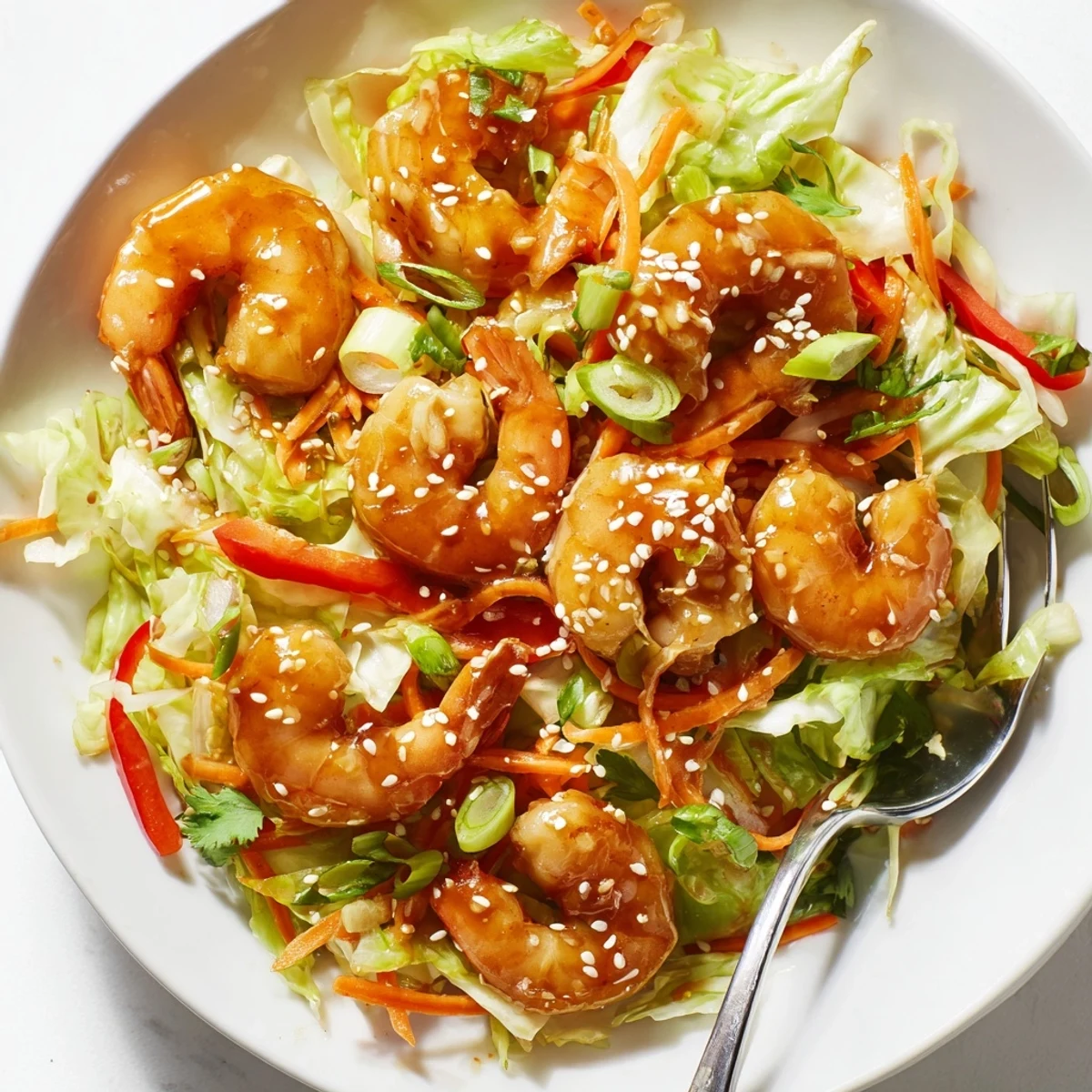
Save Bright, quick stir-fry of large shrimp with thinly sliced green cabbage, julienned carrot and red bell pepper. Start by searing shrimp until just pink, then set aside. Sauté garlic and grated ginger, toss in cabbage and vegetables until crisp-tender, return shrimp and coat with a blend of soy, oyster sauce, rice vinegar, sesame oil and a touch of honey. Finish with green onions and toasted sesame seeds; serves four in about 25 minutes.
The sizzle of shrimp hitting a scorching wok is one of those sounds that instantly pulls everyone into the kitchen, curious and hungry. My neighbor Linda wandered over one Tuesday evening drawn by the aroma drifting through the open window and ended up staying for dinner. Something about cabbage and shrimp together feels both humble and special, like a weeknight secret that tastes far more effortful than it is.
I once made this for a friend who swore she hated cabbage, watching nervously as she took a skeptical first bite. Her eyes went wide and she immediately asked what the trick was, which felt like a small personal triumph in my tiny galley kitchen.
Ingredients
- Large shrimp (1 lb, peeled and deveined): Fresh or thawed frozen both work beautifully, but pat them completely dry so they sear instead of steaming.
- Green cabbage (4 cups, thinly sliced): Slice it thin and uniform so every piece cooks evenly and picks up the sauce without turning mushy.
- Carrot (1 medium, julienned): Adds a pop of orange and a gentle sweetness that balances the salty, savory notes.
- Red bell pepper (1, thinly sliced): The color alone makes the dish feel vibrant, and its mild crunch holds up perfectly in a quick stir fry.
- Green onions (3, sliced): Reserved for the finish, they bring a fresh bite that lifts everything at the end.
- Garlic (2 cloves, minced): Fresh garlic makes a real difference here, so skip the jarred version if you can.
- Fresh ginger (1 inch piece, grated): Grate it finely so it melts into the sauce rather than landing in chewy chunks.
- Soy sauce (3 tbsp, or tamari for gluten free): The salty backbone of the sauce, tamari keeps it gluten free without sacrificing depth.
- Oyster sauce (1 tbsp): Just a tablespoon adds a rich, rounded umami quality that ties everything together.
- Rice vinegar (1 tbsp): A subtle tang that keeps the sauce from feeling too heavy or one dimensional.
- Sesame oil (2 tsp): A little goes a long way and its toasty aroma is unmistakable.
- Honey or brown sugar (1 tsp): Barely sweet, just enough to round the edges off the salt and acid.
- Crushed red pepper flakes (quarter tsp, optional): For a gentle warmth that does not overpower but makes things more interesting.
- Vegetable oil (2 tbsp): Used in two stages so the shrimp and vegetables each get their own clean hot surface.
- Toasted sesame seeds and fresh cilantro (for garnish): Purely optional but they add a lovely finishing touch of texture and freshness.
Instructions
- Whisk the sauce together:
- In a small bowl, combine the soy sauce, oyster sauce, rice vinegar, sesame oil, honey, and red pepper flakes. Give it a good whisk until the honey dissolves and everything looks unified, then set it within arm reach of the stove.
- Sear the shrimp:
- Heat one tablespoon of oil in a large wok or skillet over medium high heat until it shimmers. Toss in the shrimp in a single layer and let them cook undisturbed for a minute before stirring, then continue for another minute or two until they curl and turn pink all over. Scoop them out and onto a plate so they do not overcook.
- Wake up the aromatics:
- Pour the remaining tablespoon of oil into the same wok and add the minced garlic and grated ginger. Stir them around for about thirty seconds until your kitchen smells incredible but nothing has browned.
- Toss the vegetables:
- Add the sliced cabbage, julienned carrot, and red bell pepper all at once. Keep everything moving with tongs or a spatula for three to four minutes until the cabbage just begins to wilt but still has a satisfying crunch.
- Bring it all together:
- Slide the shrimp back into the wok and pour the sauce over everything. Toss vigorously for one to two minutes until every strand of cabbage and every shrimp is glazed and piping hot.
- Finish and serve:
- Kill the heat and scatter the sliced green onions, toasted sesame seeds, and cilantro over the top. Serve straight from the wok while steam is still rising.
 Save
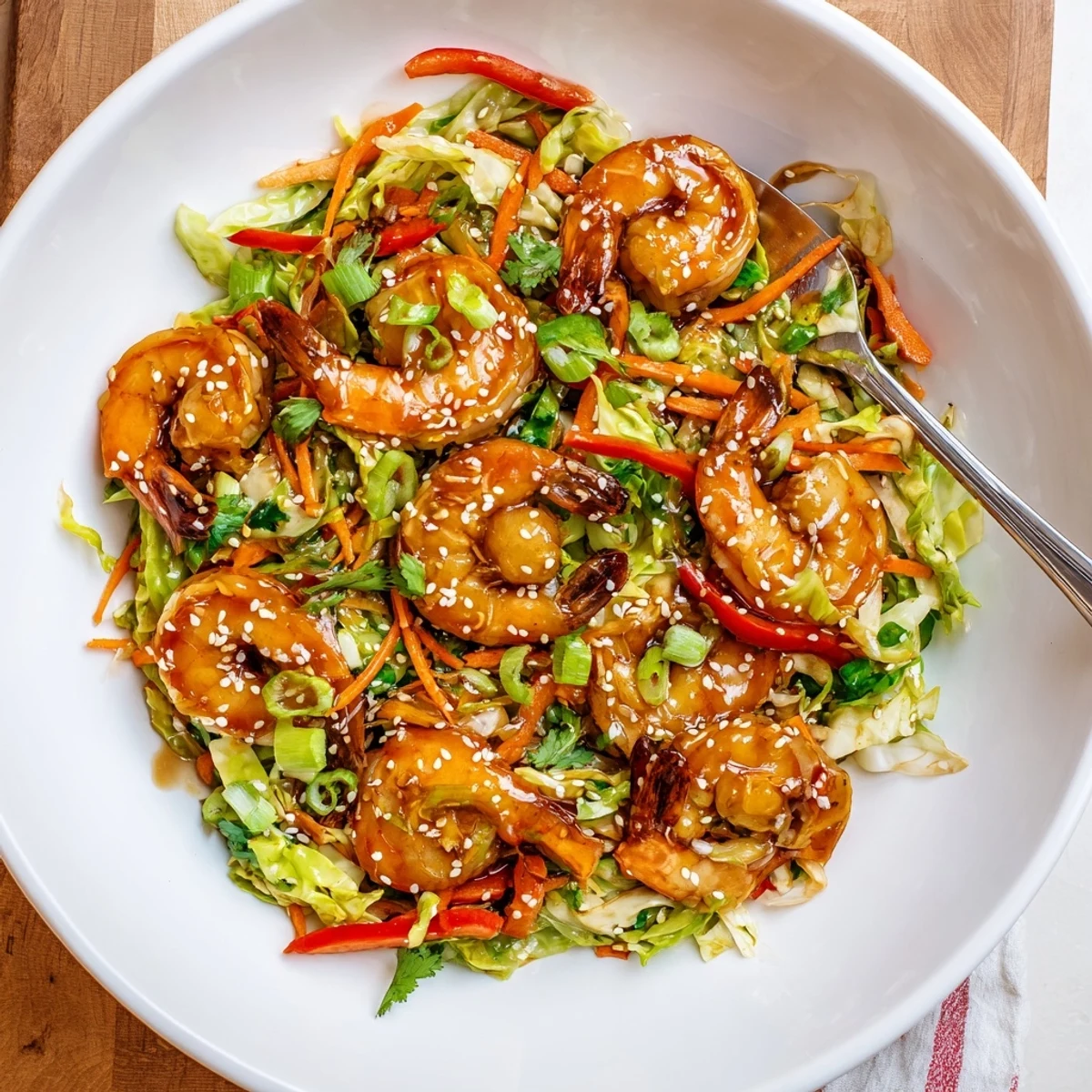
Save There is something deeply satisfying about sliding a full wok of glistening, colorful food onto plates for people you care about. This dish has a way of turning an ordinary Tuesday into a small celebration without any fuss.
Making It Your Own
The beauty of a stir fry is its flexibility, so treat this recipe as a starting point rather than a strict rule book. Toss in snap peas, mushrooms, or broccoli florets if that is what is lingering in the crisper drawer. You can swap the shrimp for sliced chicken breast or cubes of extra firm tofu and follow the exact same method.
What to Serve Alongside
Steamed jasmine rice is the classic pairing and it soaks up every drop of that savory sauce beautifully. For a lower carb evening, cauliflower rice works surprisingly well and lets the vegetables really shine. A simple miso soup or a quick cucumber salad on the side rounds things out without adding stress.
Storing and Reheating
Leftovers keep well in an airtight container in the refrigerator for up to three days, though the cabbage softens a bit overnight which some people actually prefer. Reheat gently in a skillet over medium heat rather than using the microwave, which can make the shrimp tough. If you are meal prepping, store the sauce separately and combine everything when you are ready to eat.
- Avoid freezing since the texture of both shrimp and cabbage suffers after thawing.
- Double the sauce if you love extra flavor and want plenty to spoon over rice.
- Taste the sauce before adding it to the wok and adjust salt or heat to your liking.
 Save
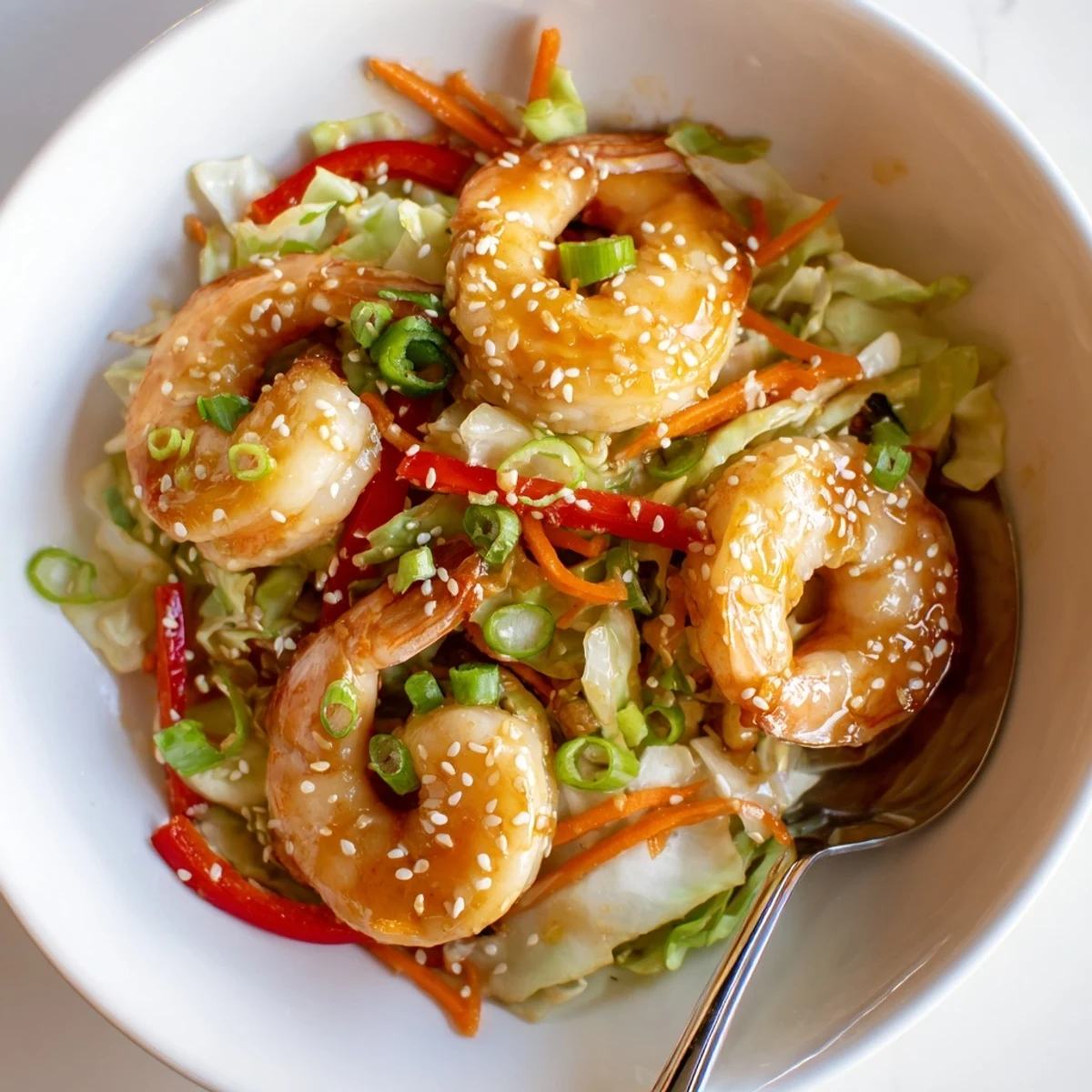
Save Keep this one in your back pocket for those nights when time is short but you still want something real and nourishing on the table. It never lets me down.
Recipe FAQs
- → Can I use frozen shrimp?
-
Yes — thaw fully and pat dry to remove excess moisture. Dry shrimp sear better and avoid steaming; adjust cooking time by size.
- → How do I keep the cabbage crisp?
-
Slice cabbage thin and cook over high heat for a short time. Add it after the aromatics so it becomes tender-crisp rather than soft.
- → What are good substitutions for shrimp?
-
Use sliced chicken breast, firm tofu, or thinly sliced beef. For a vegetarian option, replace oyster sauce with a mushroom-based sauce or extra tamari.
- → How can I increase the heat level?
-
Add more crushed red pepper flakes while making the sauce, include sliced fresh chilies during cooking, or finish with sriracha to taste.
- → What should I serve this with?
-
Serve over steamed rice, jasmine rice, or cauliflower rice for a low-carb option. It also works well wrapped in lettuce cups for a lighter meal.
- → How should leftovers be stored and reheated?
-
Keep in an airtight container in the fridge for up to 2 days. Reheat briefly in a skillet over medium heat to preserve texture; add a splash of water if it seems dry.