
 Save
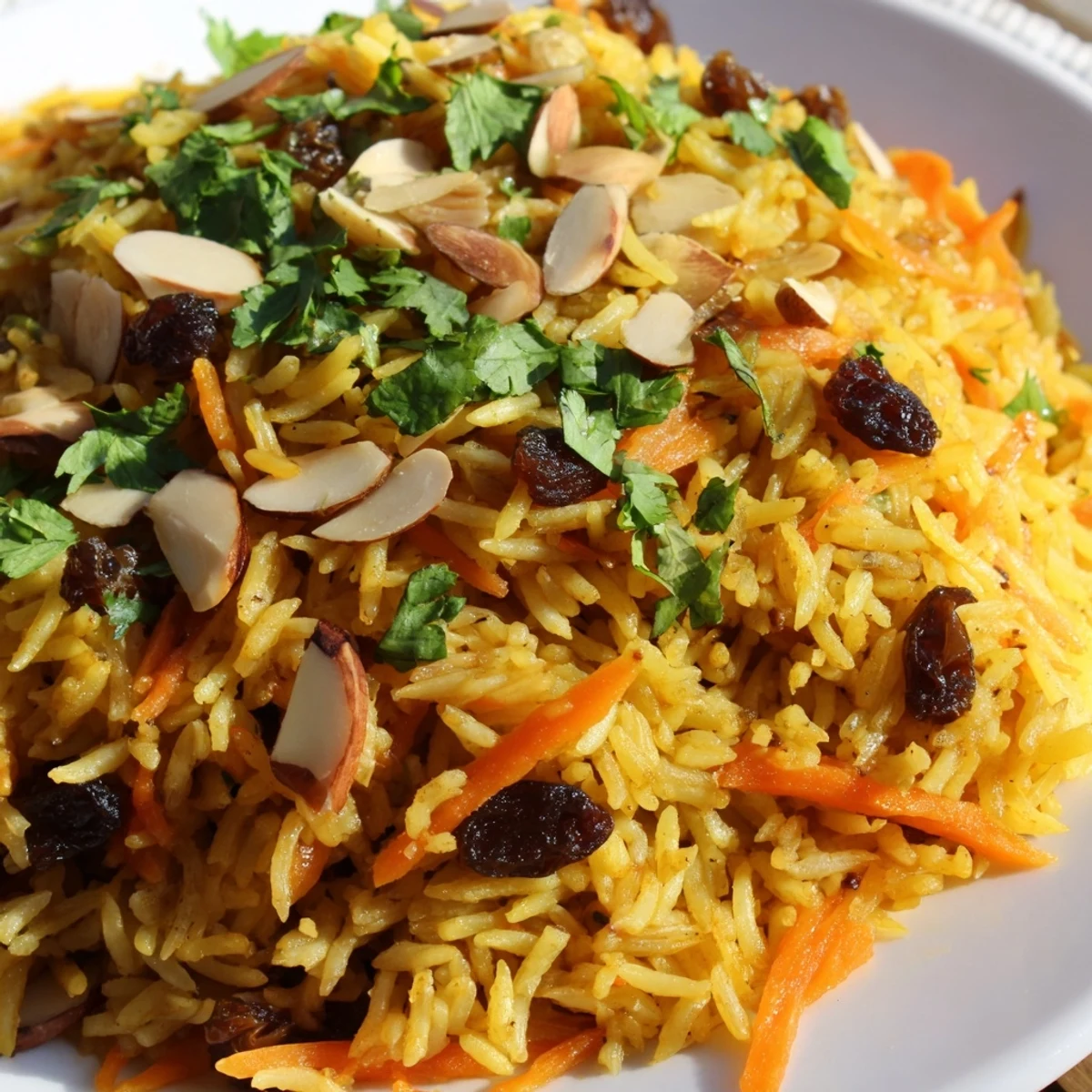
Save This aromatic Afghan rice transforms simple basmati into an elegant centerpiece through the magic of warming spices. Whole cardamom pods, cinnamon sticks, cumin seeds, and cloves infuse every grain with incredible depth. Sweet julienned carrots and plump raisins add beautiful contrast, while optional almonds bring delightful crunch.
The dish comes together in just one hour—twenty minutes of prep and forty minutes of gentle cooking. The technique involves toasting the spices first, then coating the rice in their fragrant oils before simmering to perfection. A final rest period allows all the flavors to meld beautifully.
Serve it alongside lamb or chicken for a traditional feast, or enjoy it as a satisfying vegetarian main. The vibrant colors and inviting aromas make it perfect for gatherings, holidays, or whenever you want something special on your table.
The first time I smelled Afghan rice cooking, I was walking past a neighbors apartment and the cardamom and cinnamon stopped me in my tracks. I knocked on their door and asked what they were making, which led to an afternoon of learning their family technique. Now every time I toast those spices in oil, I remember how food can create instant friendship across doorways.
Last Eid, I made this for a potluck and watched three generations of an Afghan family light up when they took their first bites. The grandmother grabbed my hand and told me my rice reminded her of her mothers kitchen in Kabul. That moment of connection across cultures and generations is exactly why I love cooking dishes that carry such deep heritage.
Ingredients
- 2 cups basmati rice: Long-grain basmati is essential here because each grain stays separate and fluffy, creating that beautiful light texture that Afghan rice is known for
- 4 cups water: The perfect ratio to cook the rice through without making it mushy, you want distinct grains that still have a slight bite
- 1 ½ teaspoons salt: Rice needs adequate salt during cooking or it will taste bland no matter how many spices you add
- 2 medium carrots, julienned: Cut these into thin matchsticks so they become tender and sweet as they cook, mimicking the traditional texture of this dish
- ½ cup raisins: Golden raisins plump up beautifully in hot oil, creating little pockets of sweetness throughout the rice
- ¼ cup sliced almonds: These add a wonderful crunch that contrasts with the tender rice and soft carrots, though you can leave them out if needed
- 2 tablespoons vegetable oil: A neutral oil lets the spices shine without competing flavors
- 1 tablespoon butter: Optional but adds richness, especially if you are serving this as a vegetarian main dish
- 4 green cardamom pods: Gently crush these before adding to release their floral, citrusy aroma that defines Afghan cuisine
- ½ teaspoon cumin seeds: Toast these in the oil first to awaken their earthy, nutty flavor
- 1 cinnamon stick: Ceylon cinnamon has a more delicate, complex flavor than the cassia commonly found in grocery stores
- 4 whole cloves: Just a few cloves add intense warmth and depth, be careful not to overdo it
- ½ teaspoon black pepper: Freshly ground pepper adds a subtle heat that balances the sweet carrots and raisins
- 2 tablespoons chopped fresh cilantro or flat-leaf parsley: Scatter this over the top right before serving for a bright, fresh finish that cuts through the richness
Instructions
- Rinse and soak the rice:
- Pour the basmati rice into a fine-mesh strainer and rinse under cold running water, gently swishing the grains with your fingers until the water runs clear and no longer cloudy. Transfer the rinsed rice to a bowl, cover with cold water, and let it soak for 20 to 30 minutes, then drain thoroughly.
- Toast the whole spices:
- Heat 1 tablespoon of vegetable oil in a large pot over medium heat until it shimmers slightly. Add the cardamom pods, cumin seeds, cinnamon stick, and whole cloves, stirring constantly for about 1 minute until the spices become fragrant and darken slightly.
- Coat the rice with spiced oil:
- Add the drained rice to the pot and sauté gently for 2 minutes, stirring carefully to coat every grain with the aromatic spiced oil. Watch closely so the rice does not brown or toast, you just want it to absorb those spice flavors.
- Cook the rice:
- Pour in the 4 cups of water and add the salt, stirring once to combine. Bring to a gentle boil, then cover with a tight-fitting lid and reduce the heat to low. Cook for 15 to 18 minutes, or until all the water has been absorbed and the rice is tender.
- Prepare the carrot and raisin mixture:
- While the rice cooks, heat the remaining 1 tablespoon of oil and the butter in a skillet over medium heat. Add the julienned carrots and cook for 3 to 4 minutes until they begin to soften. Stir in the raisins and almonds, cooking for another 1 to 2 minutes until the raisins plump up.
- Combine and rest:
- Fluff the cooked rice with a fork, then gently fold in the carrot and raisin mixture until evenly distributed. Cover the pot and remove from heat, letting the rice rest for 5 minutes to allow the flavors to meld together.
- Garnish and serve:
- Transfer the rice to a serving platter and sprinkle the chopped cilantro or parsley over the top. Serve warm alongside your favorite main dish or enjoy it as a satisfying vegetarian meal.
 Save
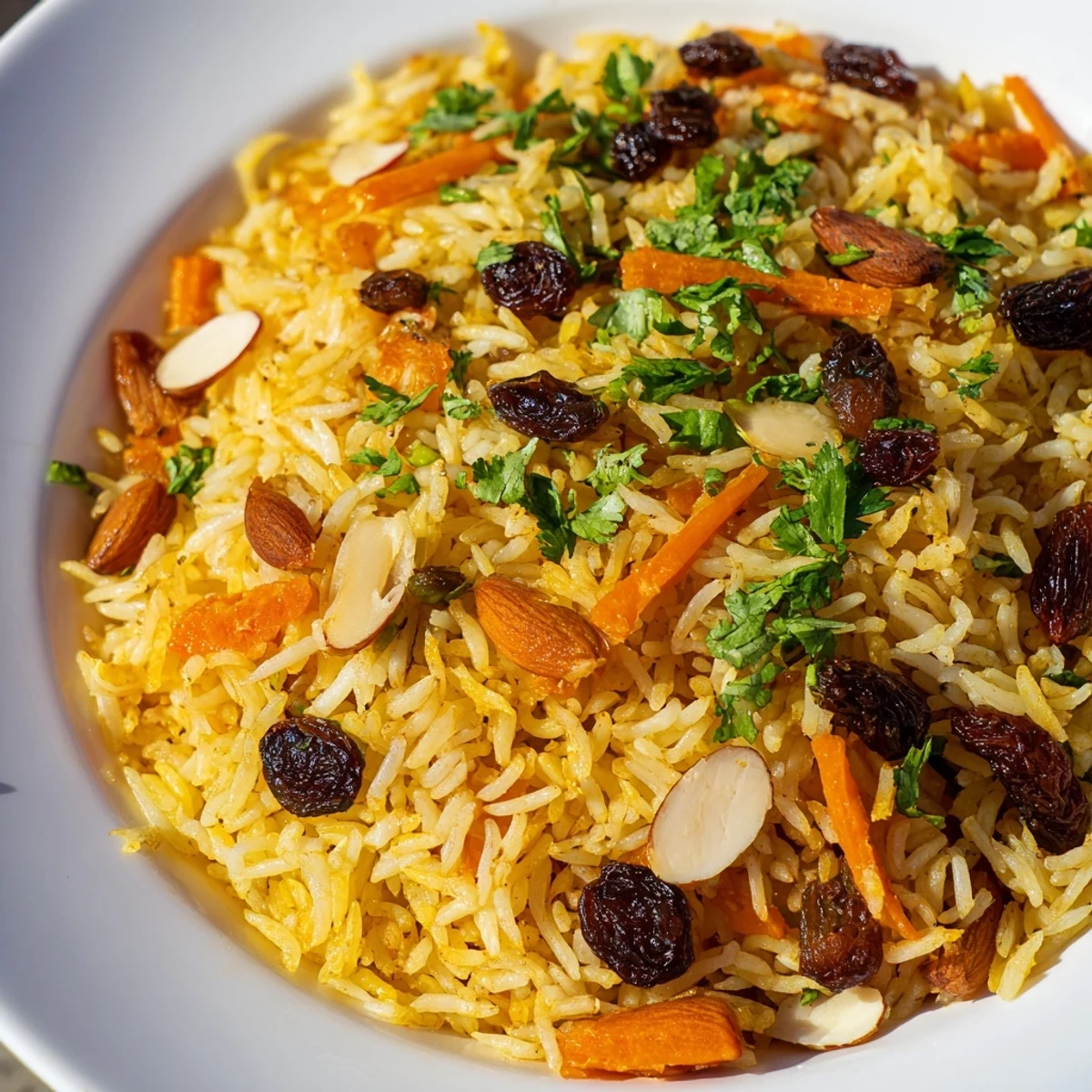
Save My friend Zahra told me that in Afghan households, the person who makes the best rice gets the most respect at family gatherings. After mastering this recipe, I finally understood why such a simple dish carries so much cultural pride.
Building Layers of Flavor
The secret to truly exceptional Afghan rice lies in the technique of blooming your whole spices in hot oil before adding the rice. This step releases the essential oils in the cardamom, cumin, cinnamon, and cloves, allowing them to permeate every single grain rather than just sitting on top.
The Art of Rice Texture
Perfect Afghan rice should have grains that are separate and fluffy, each one distinct but cooked through. Achieving this requires patience during the cooking process and resisting the urge to lift the lid and check on the rice, which lets out essential steam.
Make It Your Own
While this traditional recipe is beautiful on its own, there are countless ways to adapt it based on what you have available. The Afghan cuisine is incredibly regional, so you will find variations from family to family and village to village.
- Try adding a pinch of saffron soaked in warm water to the rice cooking water for a stunning yellow color and subtle floral notes
- Swap the almonds for pistachios or cashews depending on what you have in your pantry
- Add a handful of dried barberries if you can find them for an authentic tart punch that balances the sweet raisins
 Save
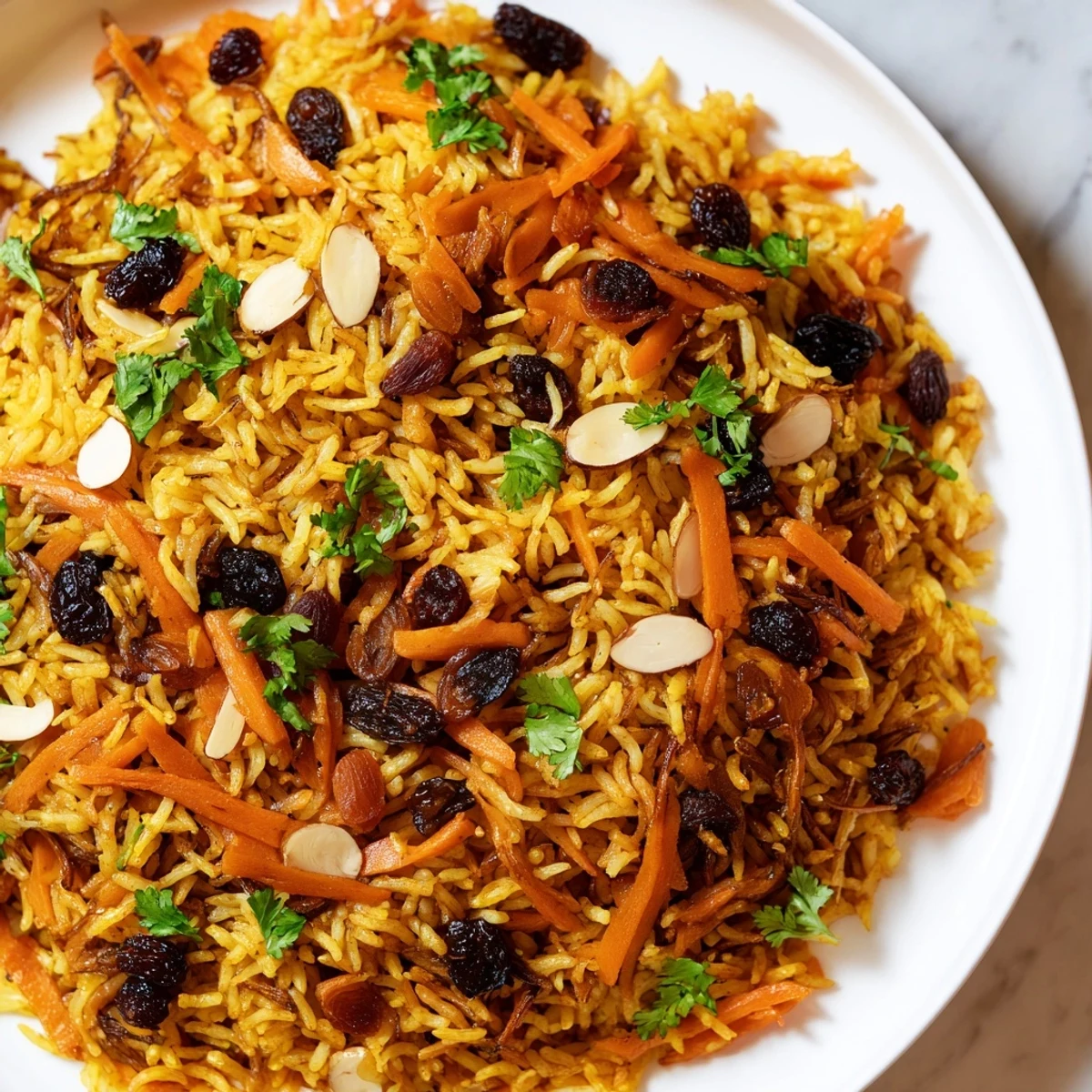
Save This rice has become my go-to dish for bringing people together, whether it is a casual weeknight dinner or a special celebration. There is something universally comforting about a bowl of fragrant, perfectly spiced rice.
Recipe FAQs
- → What makes Afghan rice different from other pilafs?
-
Afghan rice stands apart through its unique combination of whole toasted spices—cardamom, cinnamon, cloves, and cumin—infused directly into the cooking liquid. The addition of sweet carrots and raisins creates a beautiful balance of warm spices and natural sweetness that's characteristic of Afghan cuisine.
- → Can I prepare this dish ahead of time?
-
Absolutely. This rice actually benefits from sitting—the flavors continue to develop and meld. You can prepare it up to 2 hours in advance, covered and kept at room temperature. Reheat gently with a splash of water, fluff with a fork, and garnish with fresh herbs just before serving.
- → What type of rice works best?
-
Long-grain basmati rice is essential for authentic results. Its slender grains remain separate and fluffy after cooking, while its natural aroma complements the warming spices beautifully. Avoid short-grain or sticky rice varieties, as they won't achieve the desired texture.
- → How do I prevent the raisins from becoming too sweet?
-
The natural sweetness of raisins balances perfectly with the aromatic spices. If you're sensitive to sweetness, reduce the amount to ¼ cup. The key is cooking them briefly with the carrots just until plump—this prevents them from breaking down and releasing excessive sugars into the dish.
- → Can I make this completely vegan?
-
Yes. Simply omit the butter and use only vegetable oil. The dish remains just as fragrant and flavorful. For extra richness, you could add a tablespoon of coconut oil or a splash of olive oil when sautéing the carrots and raisins.
- → What proteins pair well with this rice?
-
Traditional Afghan cuisine serves this alongside lamb kebabs or chicken qorma. It also complements roasted chicken, grilled meats, or spiced lentils for a vegetarian option. The versatile flavors make it an excellent side for most Middle Eastern or Central Asian-inspired main dishes.